
A city engraved on the nation's memory.
A capital you read like a document — avenues ruled at sharp diagonals by Pierre L'Enfant, monuments cut in marble, and seventeen free Smithsonian museums printed straight onto the National Mall.
The monuments worth the walk
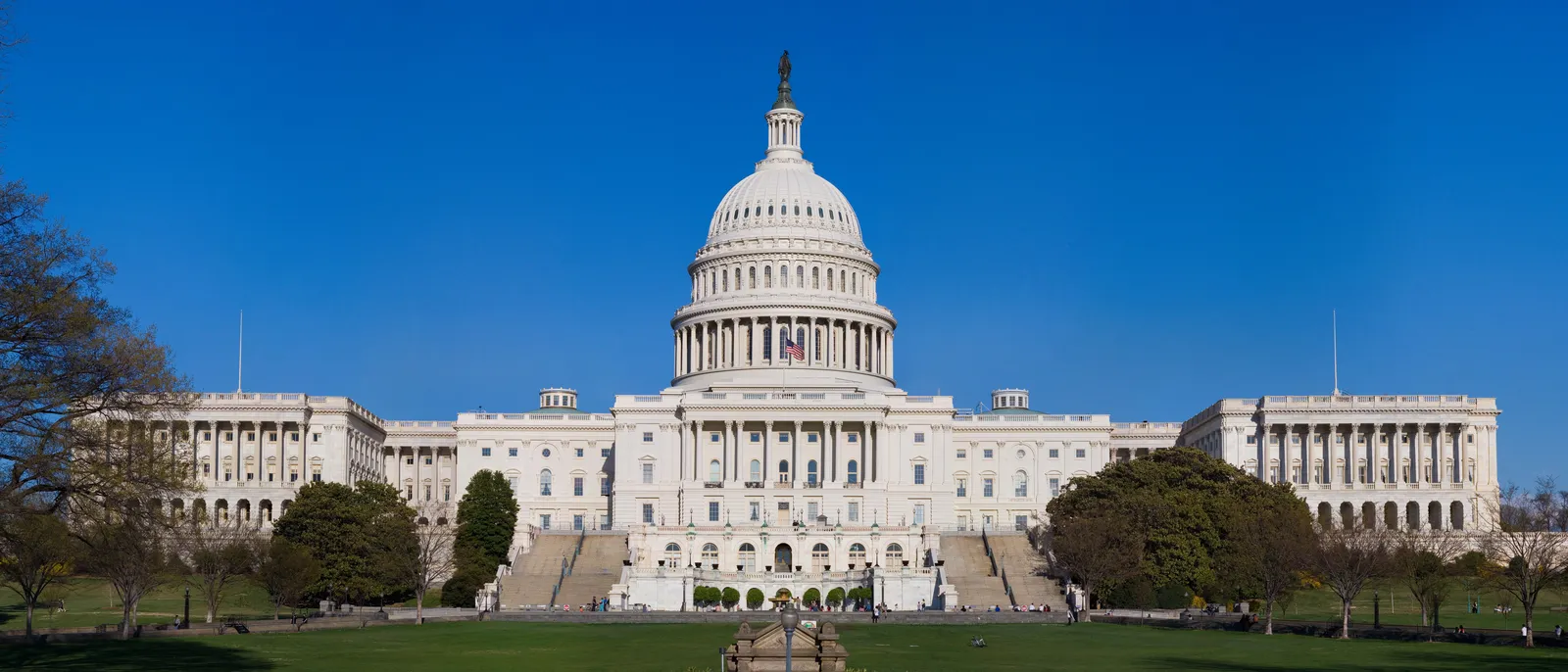
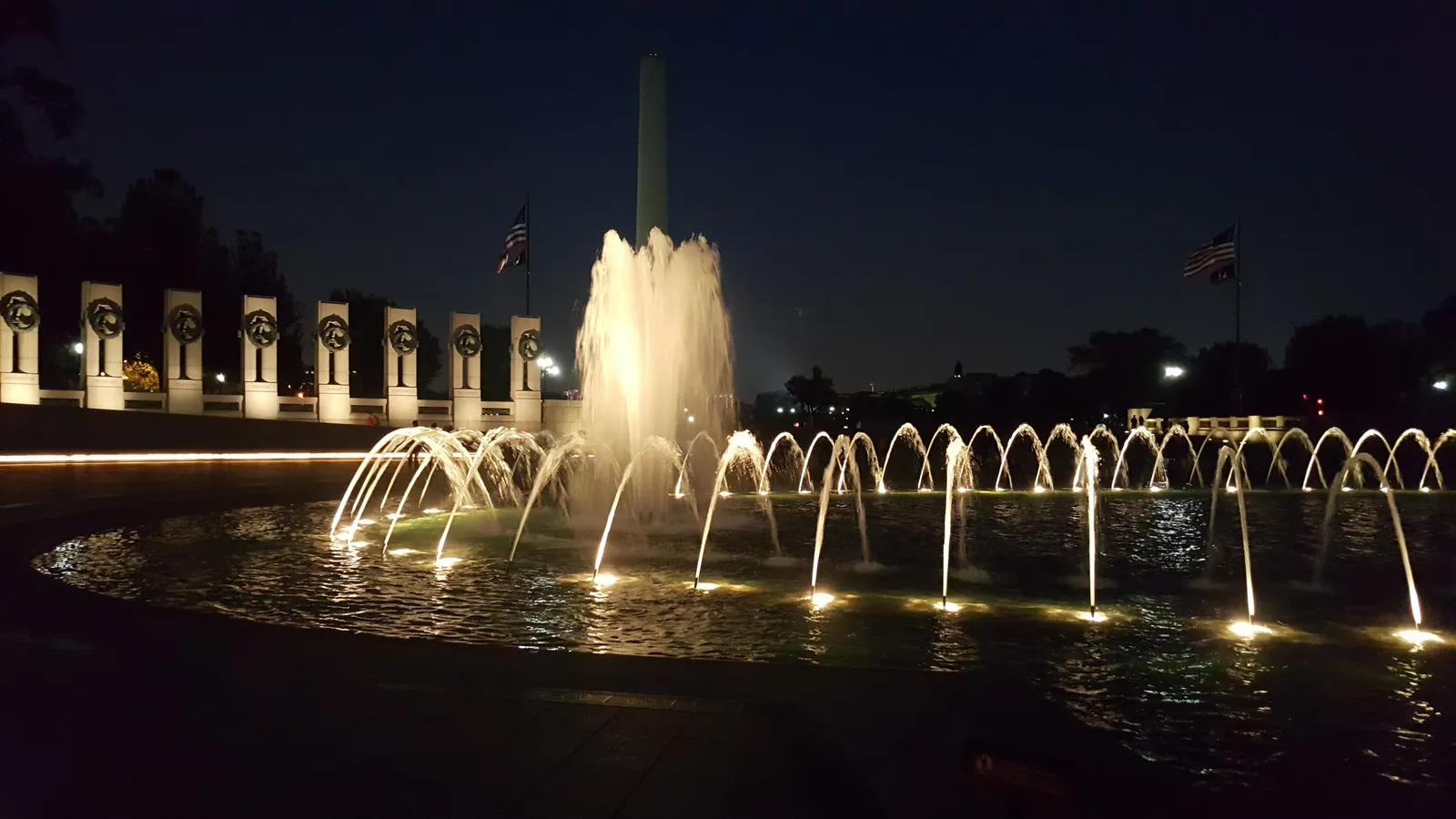
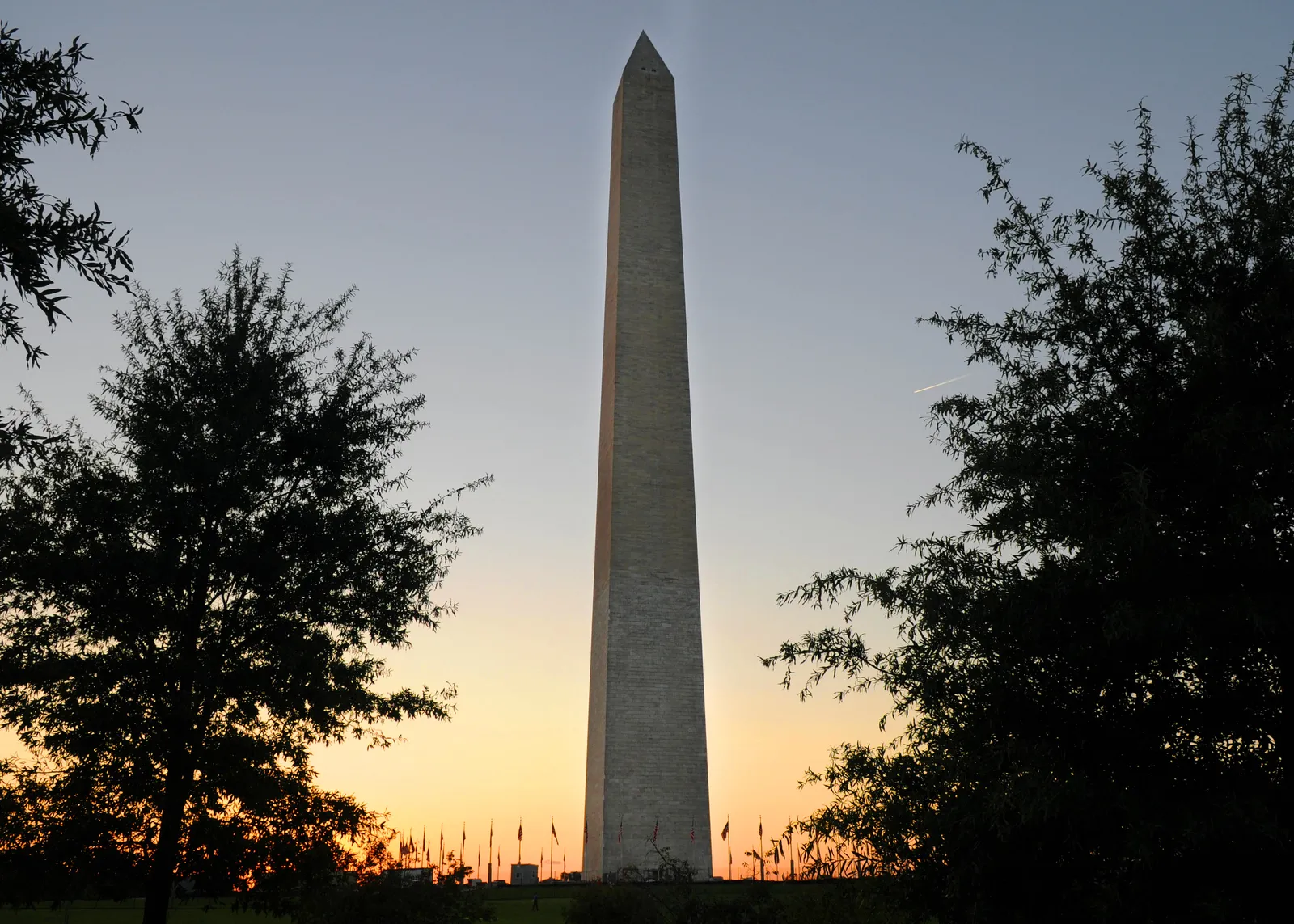
Start on the Mall. The grand axis runs from the Capitol to the Lincoln Memorial — two miles of marble you can cross on foot, free of charge, lit best at dusk.

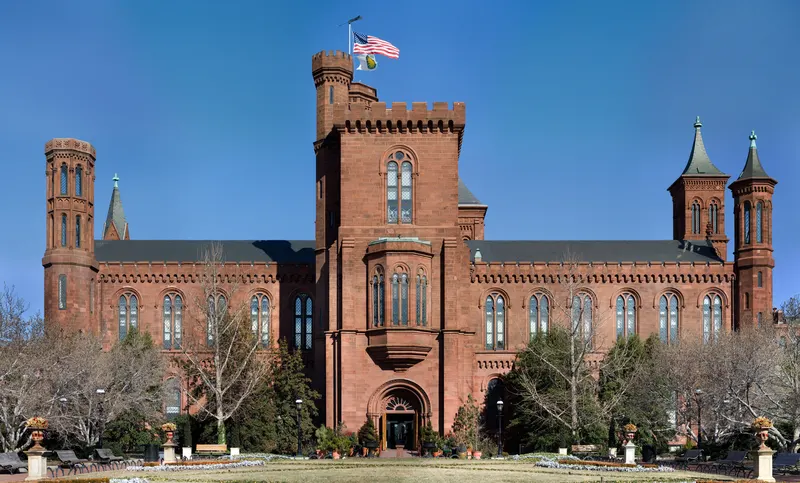
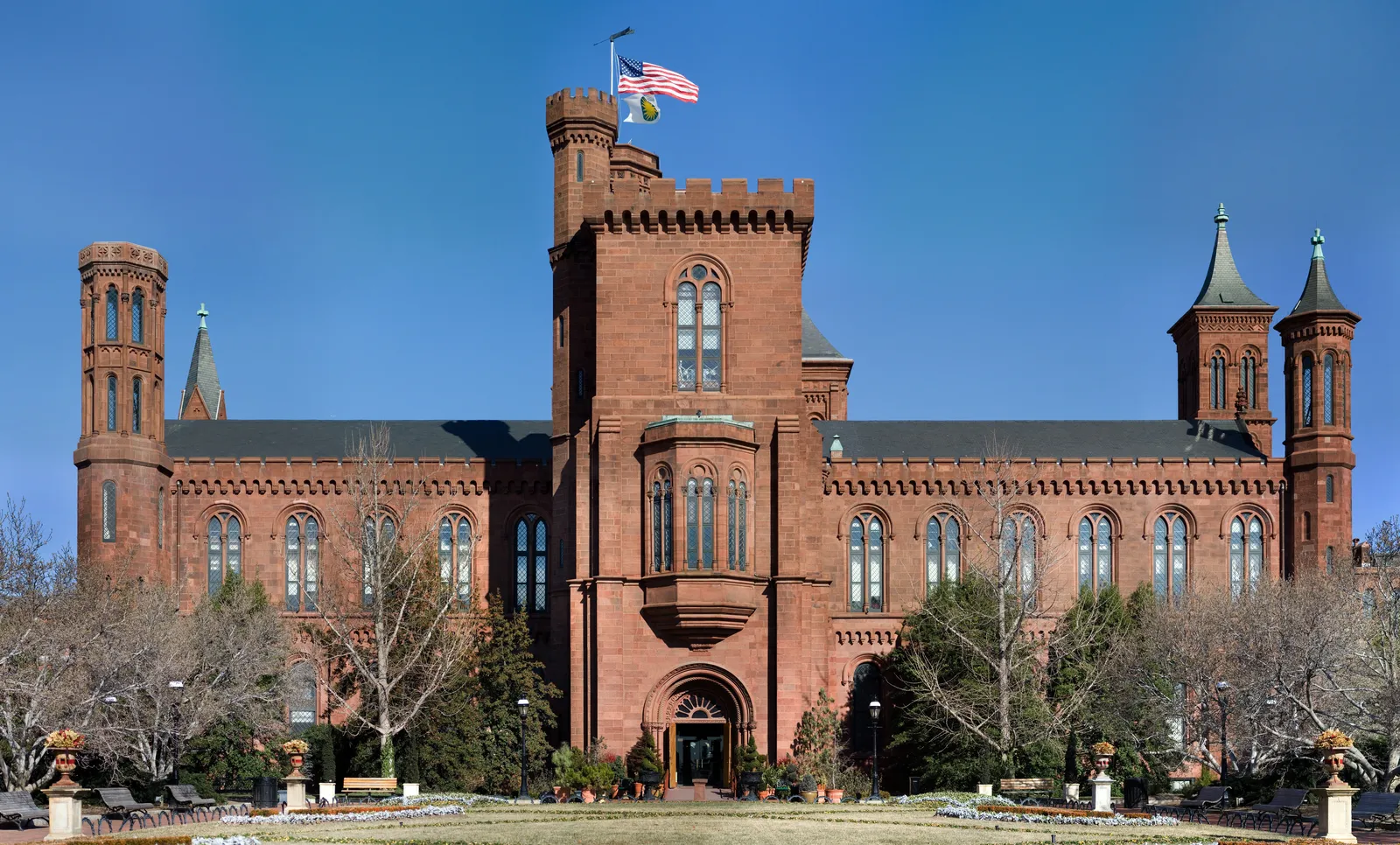
Smithsonian Museums Guide
How to plan a sane day across Washington's free Smithsonian museums — which to prioritise by interest and age, which need free timed-entry passes, how long each really takes, where to eat, and how the buildings line up along the National Mall.
Read guide
Washington, D.C. Cherry Blossoms Guide
When the Tidal Basin turns pink — how peak bloom works, the best routes and viewpoints, when to beat the crowds, the festival events, where to stay and the alternate bloom spots beyond the Tidal Basin. The complete guide to the DC cherry blossoms.
Read guideThree days, almost nothing spent
The capital was built to be open to the public. Read a little, ride the rails, and let the diagonals guide you.
Reserve the free passes
Most museums are walk-in, but a few — African American History, Air & Space — release free timed-entry passes online. Grab them weeks ahead.
Learn the avenues
L'Enfant laid the city on a grid crossed by diagonal state avenues. The Capitol is the zero point of all four quadrants — always check the suffix.
Ride the rails
Six color-coded Metrorail lines reach the Mall, Georgetown's edge and the airports. A SmarTrip card covers rail and bus.
Free by design
The city sorted the way a planner would — by what costs nothing and what's worth the splurge.
Things to Do
The monuments of the National Mall, the free Smithsonian museums, and the official tours — the capital you can read on foot.
 Best Things to DoA ranked first-trip shortlist of the best things to do in Washington, D.C. — from the National Mall and the free Smithsonian museums to a Capitol tour, the Tidal Basin and Georgetown — built so you can pick a handful and still feel you saw the city.
 Monuments & MemorialsWhich of Washington's monuments and memorials to prioritise, the most efficient way to walk them, and when to come for fewer crowds — from the Lincoln and Jefferson to the war memorials and the Tidal Basin.
 Free Things to DoWashington is the rare capital built to be open to the public — its monuments, its biggest museums and its gardens cost nothing. This is a full guide to the free things to do in DC, from the Smithsonian and the National Gallery to the Mall after dark, the Botanic Garden, the Kennedy Center's nightly free stage and the neighbourhoods between.
Museums
Seventeen Smithsonian museums plus the National Gallery — Air & Space, Natural History, American History and the Portrait Gallery, all free.
 National Mall & Foggy Bottom Area GuideWho should stay beside the National Mall and in Foggy Bottom — the calm, walkable, Metro-connected corner closest to the western monuments, the Kennedy Center and George Washington University, and the tradeoffs of basing yourself in the federal core.
 Washington, D.C. Neighbourhoods GuideA traveller's map of Washington beyond the Mall — which neighbourhoods suit hotels, museums, dining, nightlife, families and romance, how the quadrant grid and the Metro tie them together, and where to base yourself for the trip you actually want.
Where to Stay
Which area to book — the Mall and Foggy Bottom for walkability, Penn Quarter for energy, Dupont and Georgetown for character.
 Which Area to BookThe simplest way to pick where to stay in Washington, D.C. on a first visit. We compare the five areas that actually work — Downtown and Penn Quarter, Foggy Bottom and the Mall edge, Dupont Circle, Capitol Hill and the lively 14th Street corridor — by walking distance to the monuments, Metro access, evening life and price, so you can book one neighbourhood with confidence and stop second-guessing.
 Best HotelsHow to choose the right hotel in Washington, D.C. — sorted the way travellers actually decide: by area and Metro access, by what you're here for, and by season. We cover the grand historic landmarks, the central all-rounders, the romantic boutiques, the family-friendly suites and the smartest budget picks, with the trade-offs spelled out so you book once and book well.
 Luxury HotelsWhere to splurge in Washington, D.C. — sorted by the kind of luxury you actually want. We cover the grand historic landmarks near the White House, the discreet power hotels, the spa-and-wellness stays, the design-led boutiques and the riverfront splurge, with the trade-offs and the views spelled out so a milestone trip lands exactly as you imagine it.
Food & Drink
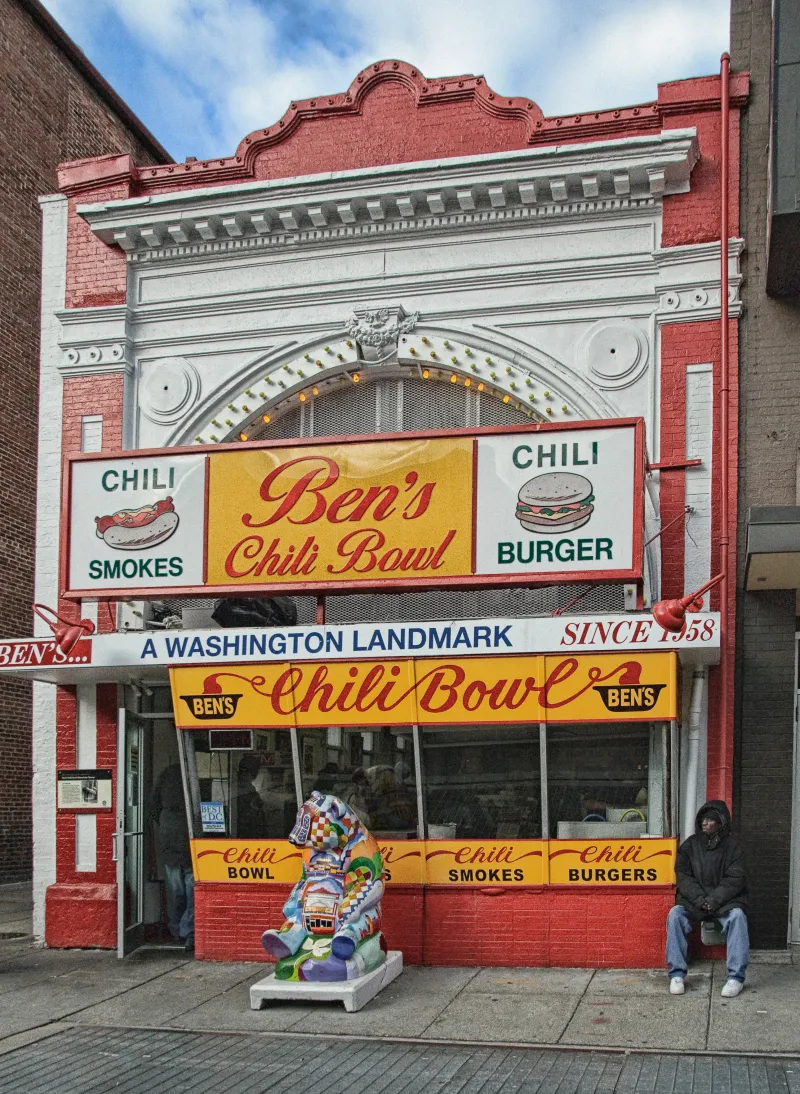
The half-smoke and Ben's Chili Bowl, Eastern Market stalls, U Street jazz, Ethiopian Shaw and the city's rooftop bars.
 Best RestaurantsA traveller-ready guide to the best restaurants in Washington, D.C., sorted by neighbourhood, mood, budget, reservation need and sightseeing route — from the city's defining half-smoke and Ethiopian feasts to José Andrés's flagships and the rooms worth booking weeks ahead.
 Iconic DC FoodsThe dishes that actually taste like Washington, D.C. — the half-smoke and mumbo sauce, the Ethiopian injera feasts of Shaw, Chesapeake blue crab and Old Bay, Senate bean soup, Salvadoran pupusas and the jumbo slice — what each one is, where the tradition lives, and how to order it.
 Rooftop BarsWhere to drink with a view in Washington, D.C. — the rooftop bars with monument and skyline panoramas, the riverfront terraces, the hotel rooftops, and how the city's federal height limit shapes the whole rooftop scene, plus reservation and timing advice.
Itineraries
Ready-made plans, from a tight one day on the Mall to an unhurried long weekend across the quadrants.
 One Day in DCA realistic single-day route through the capital — the western monuments early, one Smithsonian museum at midday, the Mall's headline sights, Capitol views and the monuments lit at dusk, all walkable and free.
 Three Days in DCA deeper three-day Washington, D.C. itinerary — the National Mall monuments and free Smithsonian museums, a Capitol tour and the founding documents at the Archives, the Tidal Basin and Georgetown, plus a flexible third day for a neighbourhood or a day trip to Mount Vernon, Old Town Alexandria or Arlington.
 A Couples' ItineraryWashington turns quietly romantic at the edges of the day — the monuments floodlit and empty, the Tidal Basin mirror-still at blue hour, Georgetown's canal leafy and unhurried. This is a couples' Washington, D.C. itinerary that trades the route-march of sights for art, slow neighborhoods, rooftop sundowners, candlelit dinners and the night monuments, paced for two.
Day Trips
Mount Vernon, Old Town Alexandria, Annapolis and the Shenandoah — easy escapes a train or short drive from the District.
 Mount VernonHow to visit George Washington's Mount Vernon estate as a day trip from Washington, D.C. — by car, organised tour, seasonal riverboat or bus-and-Metro — with mansion and garden timing, what to see, and how to pair it with Old Town Alexandria.
 Old Town AlexandriaHow to spend a day in Old Town Alexandria from Washington, D.C. — King Street and its colonial brick houses, the reborn Potomac waterfront, the free King Street trolley, the Torpedo Factory, where to eat, and the easy Metro and water-taxi routes from the city.
 AnnapolisHow to spend a day in Annapolis, Maryland from Washington — the colonial harbor and City Dock, the U.S. Naval Academy area, a proper Maryland crab meal, and the honest tradeoffs of getting there by car or bus when you have no train.
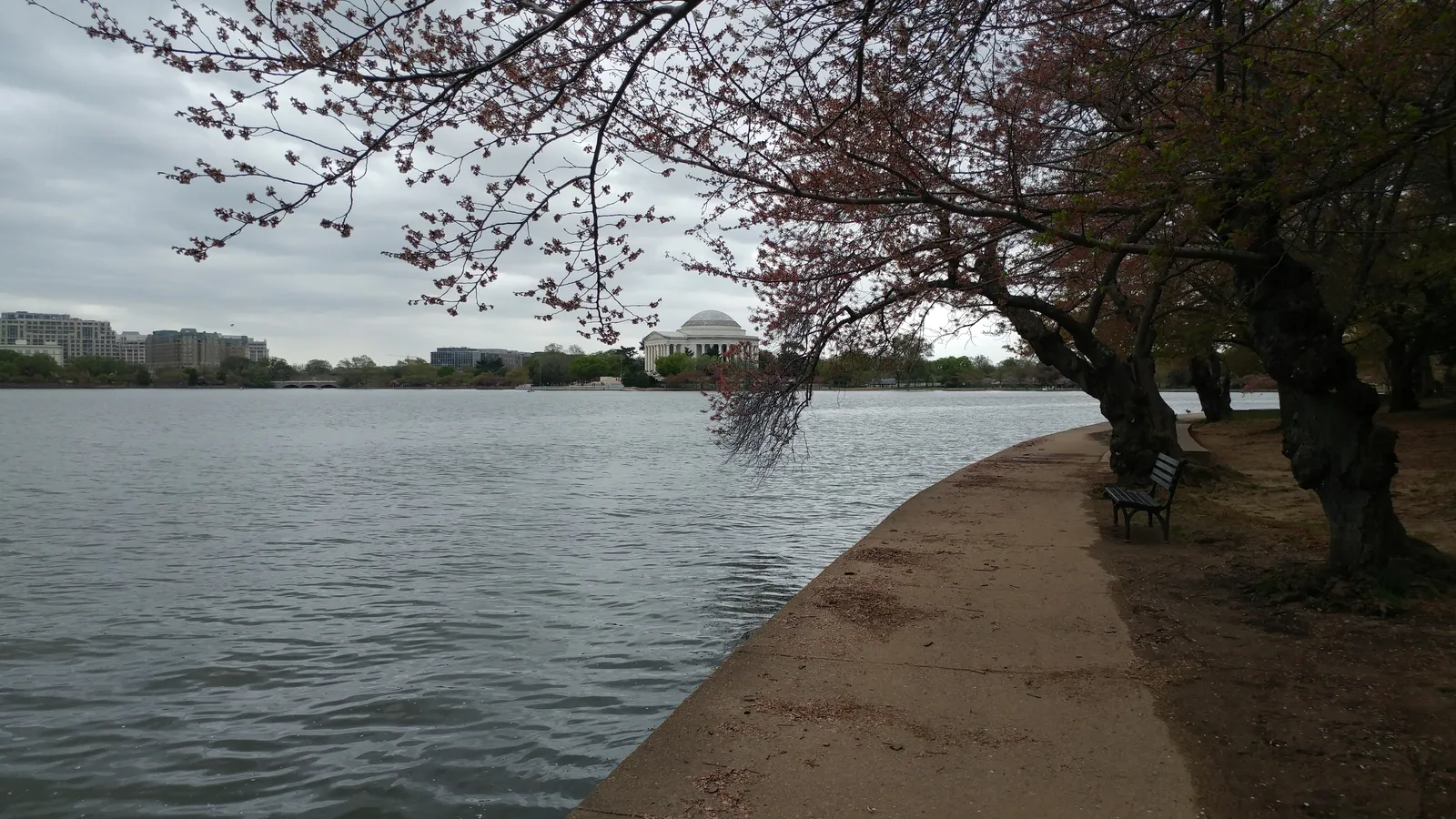
When the Tidal Basin turns pink
In 1912 the Mayor of Tokyo gave Washington 3,020 cherry trees; thousands of Yoshino and Kwanzan still ring the Tidal Basin today. The National Park Service tracks the season through six named stages, ending at "peak bloom" — the day 70% of the Yoshino blossoms open. Drag the dial to walk the bloom from green buds to petal-fall.
Beyond spring: summer brings free evening concerts on the Mall; autumn empties the museums of crowds; winter lights the monuments against bare trees.
Read the cherry-blossom guideApr 04
Peak bloom
~70% open
Reading Apr 04 · Peak bloom
SOURCE · U.S. NATIONAL PARK SERVICE PEAK-BLOOM FORECAST. FORECAST GUIDANCE, NOT A GUARANTEE — NPS REVISES IT WEEKLY.
Three stars, two bars, a borrowed coat of arms
The flag is George Washington's own crest
The District's flag is not a modern invention. It is an armorial banner — the family coat of arms of George Washington himself, carried over almost unchanged: a white field, two red bars, and three red stars above. The arms trace to Lawrence Washington of Sulgrave Manor in England, and were adopted for the city's flag in 1938.
— Officially, the stars are simply Washington's own. Some say they are the silent origin of the Stars and Stripes.
The capital's open calendar

Jazz in the Garden 2026
The National Gallery of Art's free Friday concert series runs through 14 August in the Sculpture Garden. The 2026 American Sounds programme spans jazz, blues, Americana and other traditions, with admission allocated by weekly lottery plus limited day-of passes.

Great American State Fair on the National Mall 2026
The Great American State Fair closes its 16-day National Mall run on 10 July, with state and territory exhibits, cultural programming, family attractions and a Ferris wheel between 14th and 4th Streets.

Mubadala Citi DC Open 2026
Washington's combined ATP and WTA 500 tennis tournament runs from qualifying on 25–26 July through the main draw on 27 July–2 August at the Rock Creek Park Tennis Center.