
Washington, D.C. Monuments & Memorials Guide
Which of Washington's monuments and memorials to prioritise, the most efficient way to walk them, and when to come for fewer crowds — from the Lincoln and Jefferson to the war memorials and the Tidal Basin.

- ✓Almost every DC memorial is free, outdoors and open through the night.
- ✓Group them geographically — the west-end cluster and the Tidal Basin loop — to avoid backtracking.
- ✓The Lincoln, Jefferson, Vietnam and MLK memorials are the ones most visitors are gladdest they saw.
- ✓Dawn and after dark are the quietest, coolest and most atmospheric times to walk them.
- ✓Allow more time than the map suggests — the memorials are spread across two miles of open ground.
How to approach DC's memorials
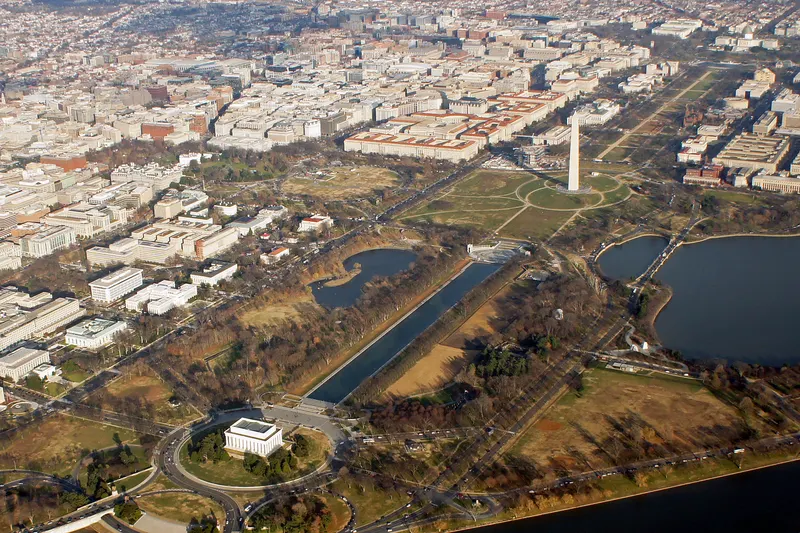
Washington's memorials are not a single attraction but a constellation of them, scattered across the western half of the Mall and around the Tidal Basin. They are almost all free, almost all outdoors, and most are open and lit twenty-four hours a day. That freedom is a gift and a trap: with no tickets and no closing times to force a plan, it is easy to wander, double back, and end the day having walked six miles and seen the memorials in a fog of fatigue.
The cure is to prioritise and to group. Decide which memorials matter most to you, then walk them in geographic clusters rather than in order of fame. This guide ranks the headline memorials, explains how they fall into two natural walking loops, and tells you when to come so the crowds and the heat work for you instead of against you.
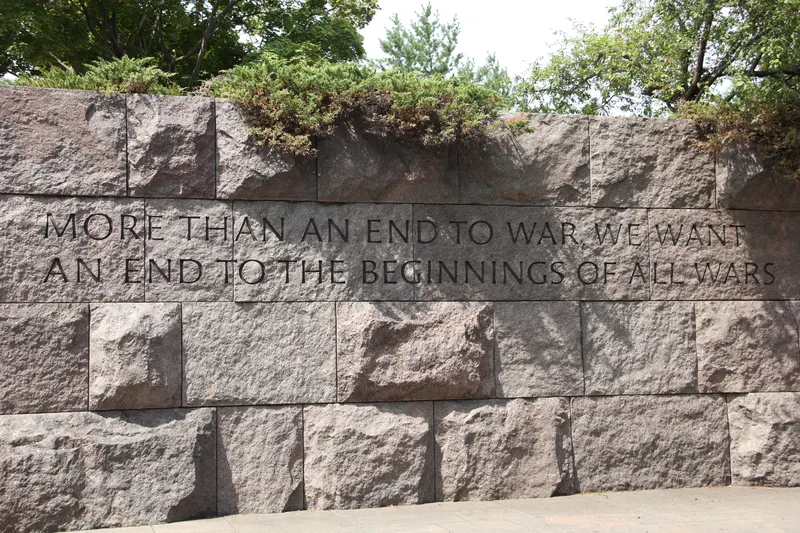
It also helps to know what you are looking at. Washington's memorials span more than a century of design, from the classical temples of the early twentieth century — the Lincoln and the Jefferson, all columns and domes — to the modern, landscape-driven memorials of recent decades, like Maya Lin's Vietnam Wall and the granite rooms of the FDR Memorial, which ask you to walk through them rather than just look up at them. Reading the shift from monument to experience is half the pleasure of seeing them in one trip.


The memorials worth prioritising
If your time is short, these are the ones to lead with. Each links to a fuller guide.
- Lincoln Memorial — the emotional and visual anchor of the Mall: the seated marble Lincoln, the Gettysburg Address on the wall, and the view back down the Reflecting Pool. Best at night.
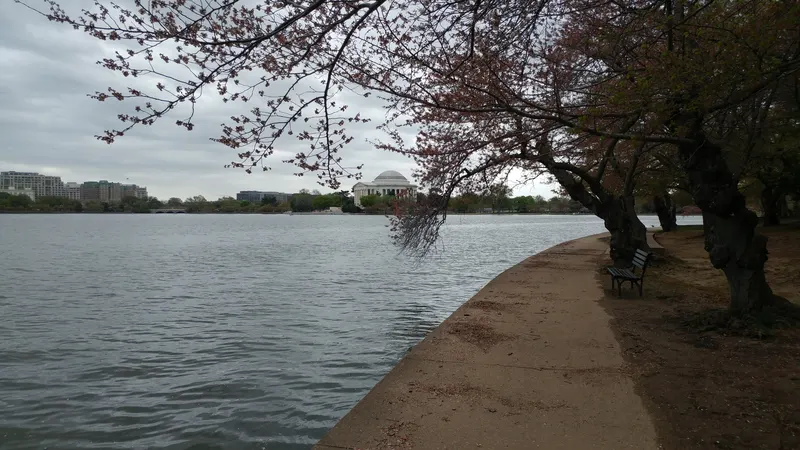
- Jefferson Memorial — a domed, columned rotunda on the Tidal Basin, with a standing bronze Jefferson and excerpts from the Declaration; mirrored in the water at dusk.
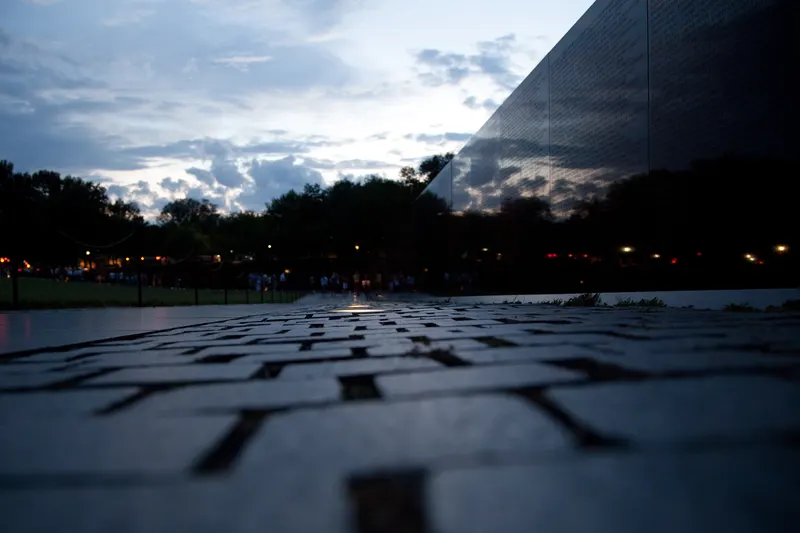
- Vietnam Veterans Memorial — Maya Lin's black granite Wall, cut into the earth and inscribed with the names of the fallen; quiet, powerful, and approached with respect.
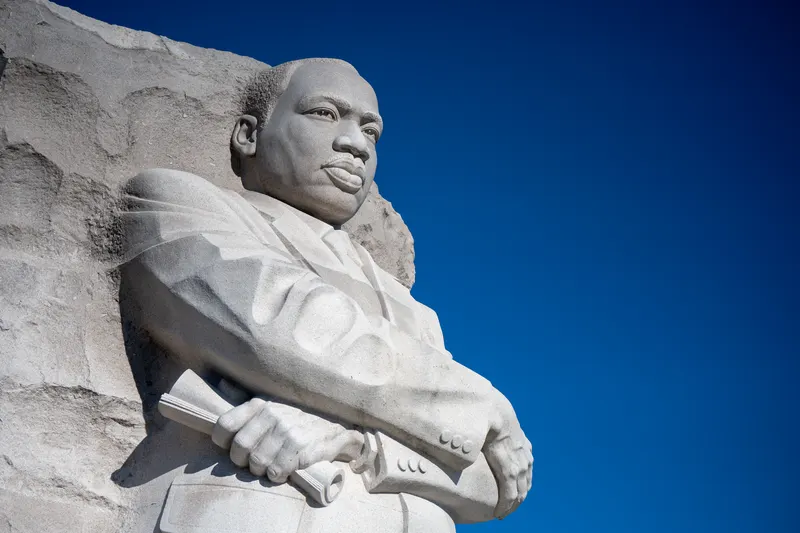
- Martin Luther King, Jr. Memorial — the 'Stone of Hope' figure emerging from a split boulder on the Tidal Basin, ringed by inscription walls.
- Washington Monument — the central obelisk, visible from everywhere; you can go up with a ticket (verify ticketing and opening status).
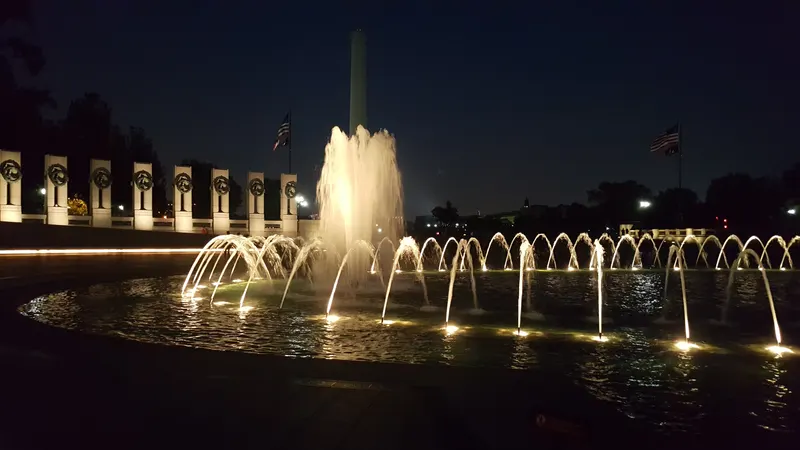
- World War II Memorial — fountains and state pillars at the foot of the Reflecting Pool, often visited by Honor Flight veterans.
- FDR Memorial — a sequence of open-air granite 'rooms' with waterfalls and quotations, set quietly along the Tidal Basin.
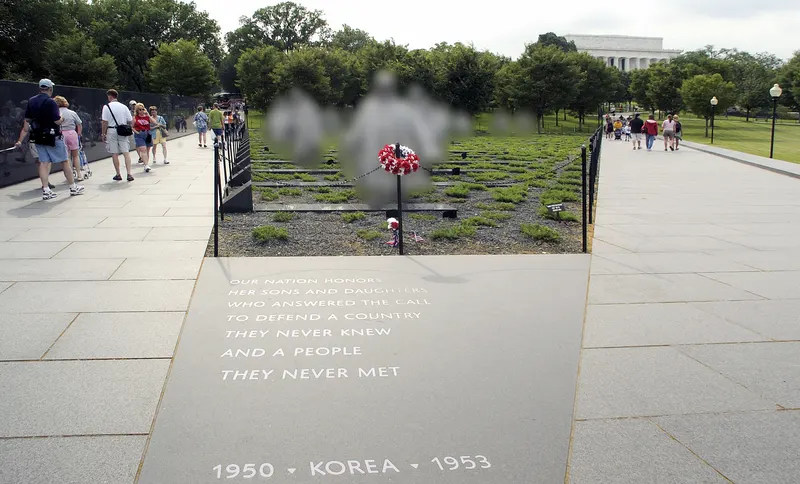
- Korean War Veterans Memorial — a column of stainless-steel soldiers advancing across a field, eerie and moving after dark.
Walk them in two loops
The single most useful planning move is to treat the memorials as two clusters rather than a string.
The west-end cluster sits tightly together at the head of the Reflecting Pool: the Lincoln Memorial, the Vietnam Veterans Memorial just to the north, the Korean War Veterans Memorial just to the south, and the World War II Memorial at the pool's eastern end. You can see all four comfortably on foot in a single loop without ever getting in a vehicle, and it works beautifully at sunset and after dark.
The Tidal Basin loop is a separate walk to the south, ringing the water: the Jefferson Memorial, the FDR Memorial and the MLK Memorial, with the cherry trees in spring. Walking the full loop is a couple of miles in its own right, so give it its own block of time rather than trying to bolt it onto the west-end cluster in one push. Between the two clusters stands the Washington Monument, the natural pivot point of any route.
When to visit for fewer crowds
The memorials are busiest in the middle of the day, busiest of all in spring (especially during the cherry-blossom season) and high summer. The two windows that consistently reward you are early morning and after dark. At dawn the light is soft, the air is cool, and you may have the Lincoln Memorial almost to yourself; after sunset the floodlights come on, the crowds thin, and the whole western Mall takes on a stillness it never has by day.
Avoid trying to walk both clusters at noon in July — DC summers are hot and humid, and the open ground around the Tidal Basin offers little shade. If you are here in late March or early April, plan the Tidal Basin loop for very early morning; the blossoms draw enormous crowds by mid-morning. Spring and autumn are the most comfortable seasons overall for long days outdoors.

Visiting respectfully
Several of these are working memorials to the dead, not just photo stops. The Vietnam Veterans Memorial Wall, the Korean War Veterans Memorial and the World War II Memorial are places where veterans and families come to grieve and remember; you will often see name rubbings being taken at the Wall and Honor Flight groups at the WWII Memorial. Keep your voice down, don't climb on the memorials, and give people their moments. The National Park Service rangers stationed at the major sites are a quiet, knowledgeable resource if you have questions.
A short walk or Metro ride across the Potomac, Arlington National Cemetery extends this thread of remembrance — the Tomb of the Unknown Soldier and its changing of the guard, the Kennedy gravesites, and rolling hills of white headstones. It is solemn ground with its own etiquette and is well worth a half-day for visitors who want to go deeper.

The lesser-known memorials
Beyond the headline eight, the Mall and its edges hold a scattering of quieter memorials that reward visitors who slow down. The District of Columbia War Memorial, a small domed bandstand tucked among the trees near the World War II Memorial, honours the District's own First World War dead and is one of the most peaceful corners of the whole park — often empty even when the big sites are packed. Nearby, the John Paul Jones and Signers memorials, and the George Mason Memorial across by the Tidal Basin, each repay a short pause.
These smaller sites are worth knowing about for two reasons: they give you breathing room when the crowds press in, and they fill in the human texture between the monumental set-pieces. You do not need to seek them all out, but stumbling on the quiet ones is part of what makes a slow walk of the Mall better than a fast one.

Fitting the memorials into a trip
For most visitors, the memorials are a half-day to a full day of walking, ideally split: the west-end cluster as a sunset-and-after-dark loop, the Tidal Basin loop as a separate morning. That rhythm — outdoor marble at the cool edges of the day, indoor museums in the heat of the middle — is the secret to enjoying the Mall without flagging.
If walking is a concern, the memorials are among the most accessible parts of the Mall, with paved approaches at most sites, and a night tour by bike or trolley can cover the ground for you. However you do it, build the route around the two clusters and the Washington Monument in the middle, and you will see the city's heart without wearing yourself out reaching it.


Related guides

Lincoln Memorial Guide, Washington, D.C.
When to visit the Lincoln Memorial, the views from its steps, how to reach it by Metro, the Reflecting Pool route and what to notice inside — the marble statue, the Gettysburg Address and the history made on these steps.
Read guide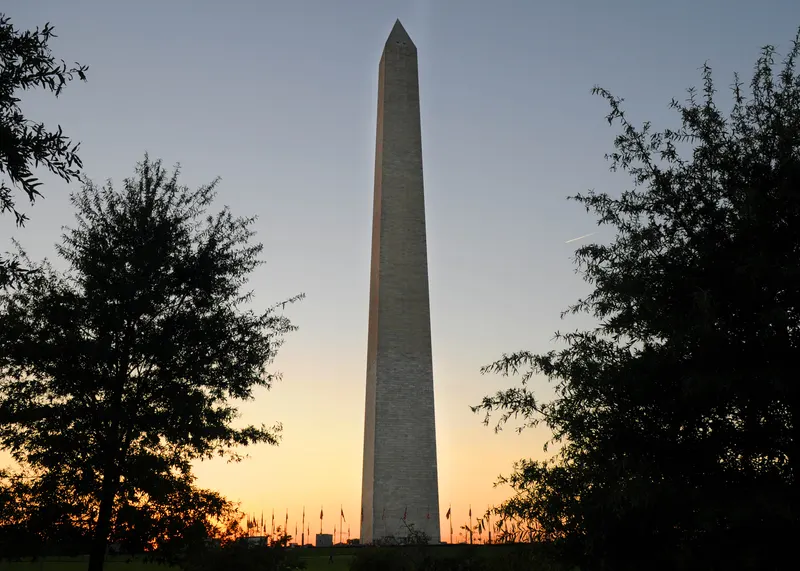
Washington Monument Guide
How to visit the Washington Monument — the free timed-entry ticket strategy, security, the view from the top, the best times to go and the backup plans when it is closed.
Read guide
Washington, D.C. Monuments by Night
An atmospheric, sensible evening route through Washington's floodlit memorials — the Lincoln, the war memorials, the Tidal Basin loop and the Washington Monument — with self-guided and guided-tour options, and honest safety advice.
Read guideMore in Things to Do
6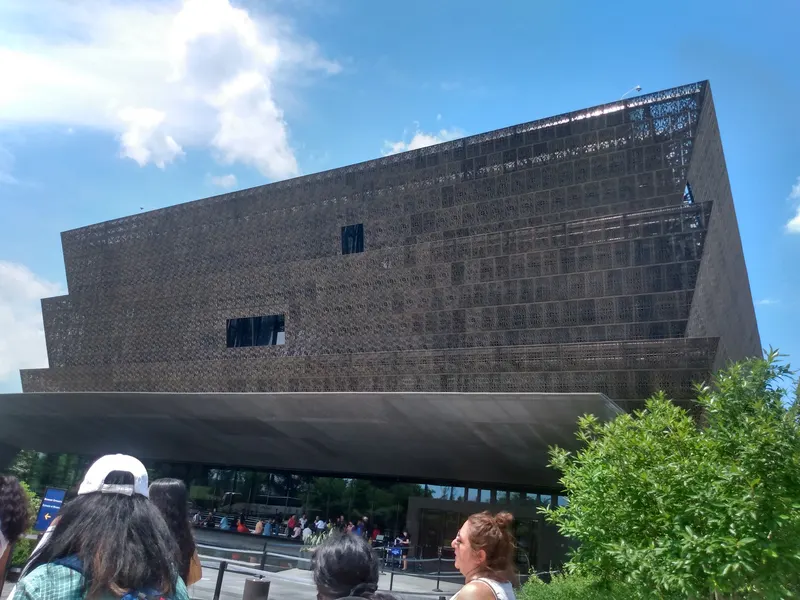
African American History Museum Guide
How to visit the National Museum of African American History & Culture on the Mall — the free timed-entry passes and how to get one, the deep underground history galleries, Sweet Home Café, the lines, how to pace an emotionally heavy visit, and the walk along the Mall.
Read guide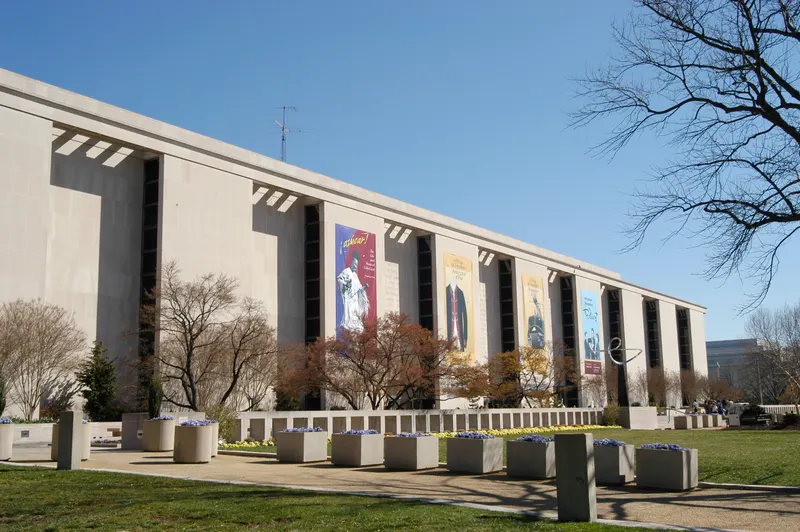
American History Museum Guide
How to visit the National Museum of American History on the Mall — the original Star-Spangled Banner, the First Ladies' gowns, the American presidency, the pop-culture icons, the food-court logistics, and how to time a visit around the school groups.
Read guide
Best Museums in Washington, D.C.
Washington has more world-class museums than any sane trip can hold, and almost all of them are free. This is a guide to the best museums in DC sorted by topic, age, ticket needs, location and rainy-day value — so you can choose two or three with confidence instead of trying to see them all.
Read guide
Best Photography Spots in Washington, D.C.
Where to make great photographs in Washington — the monument reflections, the Tidal Basin blossoms, the Capitol and Lincoln axis, Georgetown's waterfront, hidden rooftops and the golden-hour and blue-hour routes that tie them together.
Read guide
Best Things to Do in Washington, D.C.
A ranked first-trip shortlist of the best things to do in Washington, D.C. — from the National Mall and the free Smithsonian museums to a Capitol tour, the Tidal Basin and Georgetown — built so you can pick a handful and still feel you saw the city.
Read guide
Best Viewpoints in Washington, D.C.
Where to find the best views in Washington — the high monuments and free towers, the rooftop bars and cultural terraces, and the river and hilltop overlooks across the Potomac, ranked by how much effort each one asks.
Read guide