
Things to Do in Washington, D.C.
The complete hub for things to do in Washington, D.C. — the National Mall monuments, the free Smithsonian museums, government tours, viewpoints, family attractions and the best guided tours, with a calm plan for fitting them together.

Photo: Sonder Quest / Unsplash
- ✓The two-mile axis from the Capitol to the Lincoln Memorial is free to walk and the single best way to understand the city.
- ✓Every Smithsonian museum and the National Gallery of Art are free, every day — DC holds the largest concentration of free museums on earth.
- ✓Most monuments never close: the Lincoln, Jefferson and war memorials are lit and open through the night, when the crowds thin.
- ✓A handful of sights need free timed-entry passes or advance tour requests — sort those before you arrive and keep the rest loose.
- ✓Two or three unhurried days cover the essentials and still leave room for a day trip across the Potomac.
How to think about a DC visit
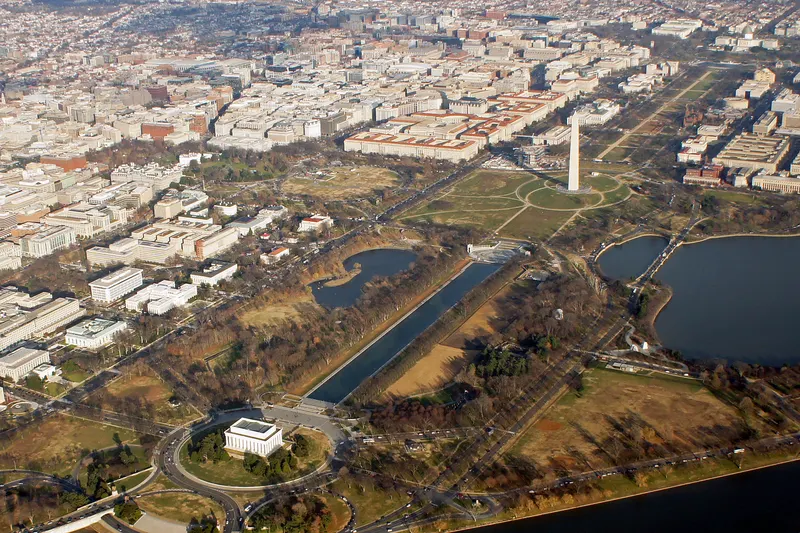
Washington, D.C. is a city built to be read. Pierre L'Enfant laid it out as a stage for a republic — long sightlines, a grand central lawn, the great buildings of government arranged so that you can stand in one spot and see the whole idea of the place at once. That makes it unusually easy to plan around. Almost everything a first-time visitor wants sits on or beside the National Mall, the open green corridor that runs from the United States Capitol at the east to the Lincoln Memorial at the west, with the Washington Monument rising at its centre.
The trick is not access but pacing. The museums are vast and the monuments are spread along two miles of lawn, so the people who enjoy DC most are the ones who do less, slower. Split the marble from the museums: walk the outdoor monuments at the cool edges of the day, save the great indoor halls for the heat of midday, and never try to 'finish' a Smithsonian in one go. They are free, which means there is nothing to recover and no reason to rush.
This page is the hub for the whole 'things to do' side of the site. Below, the city is sorted the way you actually move through it — the Mall and its monuments, the free museums, the government buildings, the viewpoints and the family-friendly stops — with links out to the detailed guide for each. Use it to build a shortlist, then follow the links to plan the specifics.
One orientation note before you start. DC is divided into four quadrants — Northwest, Northeast, Southwest and Southeast — that all radiate from the Capitol, which means the same street number can appear four times across the city. Always read the quadrant suffix on an address before you set off, and you will save yourself a long detour. Almost everything in this guide sits in the Northwest quadrant or on the Mall itself, but the habit is worth forming on day one.



The National Mall and its monuments
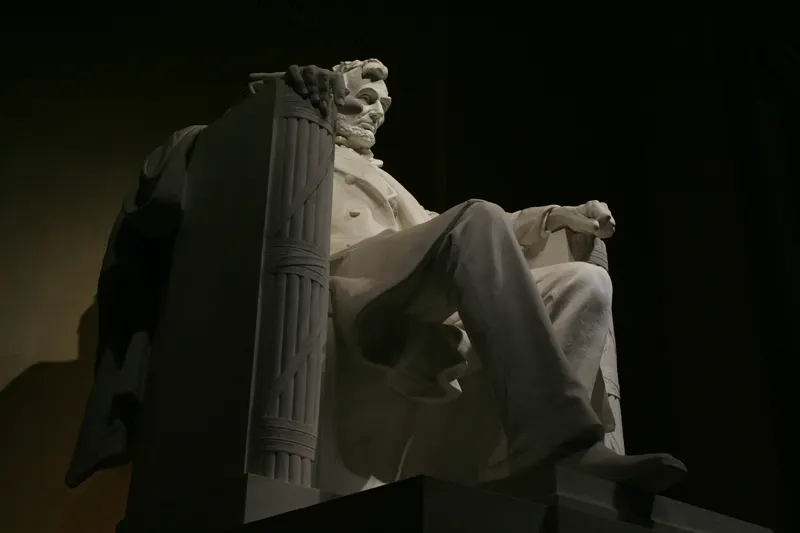
Give your first morning to the Mall with no plan beyond a direction of travel. The classic route starts at the Lincoln Memorial — Daniel Chester French's nineteen-foot seated figure of Lincoln at the top of the steps, the Gettysburg Address and Second Inaugural carved on the side walls — and looks back east down the Reflecting Pool to the Washington Monument and the distant Capitol dome. It is the view from the steps where Marian Anderson sang in 1939 and where Dr. King delivered 'I Have a Dream' in 1963, and it still does the work of explaining the country in a single glance.
From there the war memorials gather close: the World War II Memorial at the foot of the Reflecting Pool with its fountains and state pillars, the Vietnam Veterans Memorial Wall cut quietly into the lawn to the north, and the Korean War Veterans Memorial with its column of stainless-steel soldiers to the south. South of the Washington Monument, around the Tidal Basin, sit the Jefferson Memorial, the Franklin Delano Roosevelt Memorial of open-air granite rooms, and the Martin Luther King, Jr. Memorial carved from a 'Stone of Hope'. None of these charge admission, and most are open and floodlit long after dark.
- West end: Lincoln Memorial, Reflecting Pool, Vietnam and Korean War memorials, World War II Memorial.
- Centre: the Washington Monument — the obelisk you can see from almost everywhere (timed tickets needed to go up; verify current ticketing).
- Tidal Basin: Jefferson, FDR and MLK memorials, ringed by the famous cherry trees in spring.
- East end: the Capitol, with the Mall's museum row stretching back toward the Monument.


The free Smithsonian museums
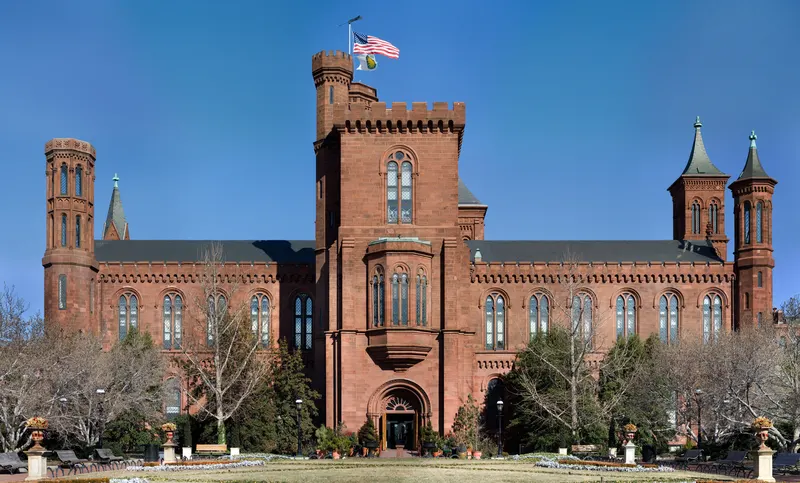
Washington holds the largest concentration of free museums anywhere. The Smithsonian Institution alone runs museums and a zoo, most lined up along the Mall, and entry to all of them is free, every day. Add the National Gallery of Art — not a Smithsonian but also free — and you have a museum district that would cost a small fortune in any other capital and here costs nothing.
The names you will hear most are the National Air and Space Museum, mid-renovation but home to icons of flight; the National Museum of Natural History with its dinosaurs and the Hope Diamond; the National Museum of American History with the original Star-Spangled Banner; and the National Museum of African American History and Culture, whose architecture and history galleries are among the most affecting in the city. A few of these — Air and Space and African American History in particular — release free timed-entry passes online that go fast in busy seasons, so check and book before you arrive.
Whatever you choose, resist the urge to 'do' a whole building. Pick two or three things you genuinely want to see — the Wright Flyer, the First Ladies' gowns, the Apollo capsule — see them well, and walk back out into the city. Museum fatigue is the most common way to spoil a DC trip, and the cure is simply doing less.


Government buildings and historic sites
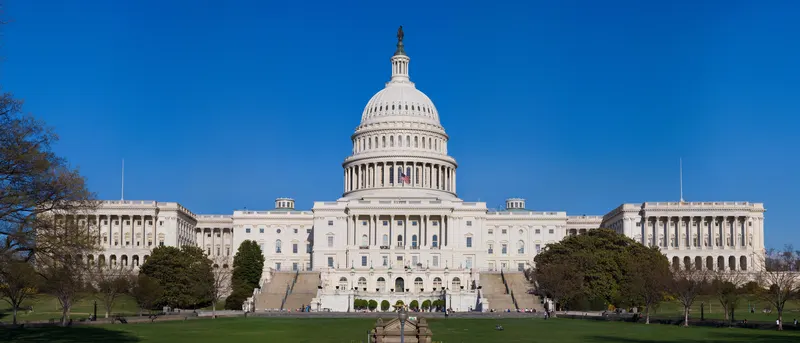
The other thing that makes DC distinctive is that you can go inside the working machinery of government — with planning. The United States Capitol offers free guided tours that start at the underground Capitol Visitor Center; you can reserve a pass online, and U.S. residents can also request passes through their senator or representative, which can include access to the galleries. Next door, the Library of Congress and its breathtaking Thomas Jefferson Building, and the Supreme Court across the street, are both open to visitors and easy to fold into the same Capitol Hill morning.
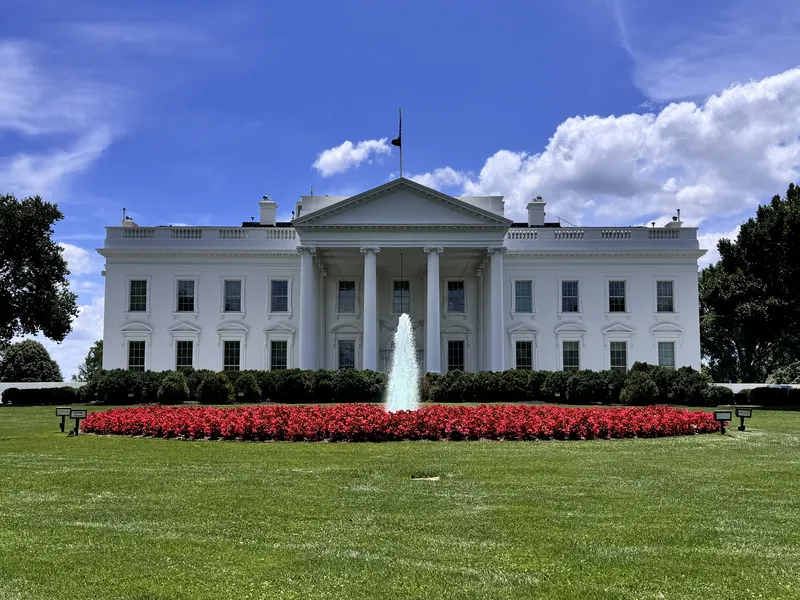
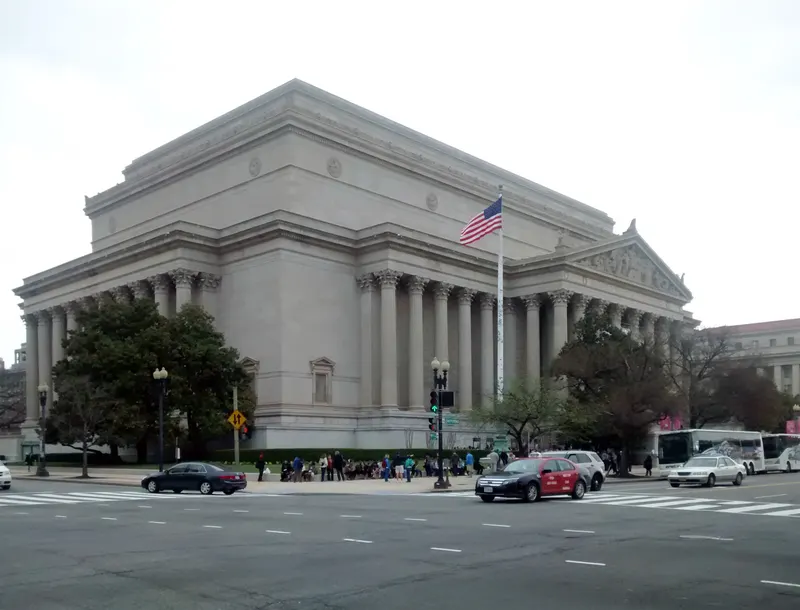
The White House is harder. Public tours are self-guided but must be requested well in advance — U.S. citizens through a member of Congress, foreign visitors through their embassy — and demand far outstrips supply, so plan early and have a backup. The White House Visitor Center nearby is open to all without a request and worth it for the exhibits and the context. The National Archives, a short walk away, lets you stand before the original Declaration of Independence, Constitution and Bill of Rights.
Because timing and security rules for all of these change with policy and the calendar, treat any specific hours or pass rules as things to verify on the official site close to your visit. The detailed guides below carry the current logic for each.
Viewpoints, gardens and getting above it all
DC keeps its skyline low by law — the Height of Buildings Act has limited heights for over a century — so the views here are horizontal and monumental rather than vertical. The classic elevated outlook is the top of the Washington Monument itself; when its observation level is open, the windows look down the whole length of the Mall (ticketing and opening status change, so verify before relying on it). For an easier high view, the Kennedy Center's rooftop terrace looks out over the Potomac and Georgetown for free.
At ground level, the green corners are some of the best things to do that nobody puts on a list. The United States Botanic Garden beside the Capitol is a free glasshouse jungle that doubles as a rainy-day refuge. Up in the northwest, the Washington National Cathedral and the U.S. National Arboretum reward a detour, and Rock Creek Park threads real woodland right through the city. For pure photography, the Tidal Basin at sunrise and the monuments at blue hour are unbeatable.


DC with kids, teens and on a budget
Few cities suit families as well as Washington, mostly because so much of it is free. Children move happily between the dinosaurs at Natural History, the rockets at Air and Space, and the pandas-and-big-cats sprawl of the Smithsonian's National Zoo (also free, though it uses entry passes — verify). The monuments work as an outdoor treasure hunt, the carousel on the Mall is a reliable reset, and the food halls give everyone a say in lunch. The key with kids is the same as with adults: short museum visits, long breaks, and plenty of water in summer.
Teenagers tend to like the paid attractions the Smithsonian doesn't cover — the International Spy Museum, the Planet Word language museum, a bike ride along the river, or the monuments lit up at night. And because the headline sights cost nothing, DC is one of the easiest major US cities to enjoy on a tight budget: free museums, free monuments, free festivals on the Mall, and a Metro that gets you to all of it.

Tours, and what to book ahead
You do not need a tour to enjoy DC — the Mall is self-explanatory and free — but a good one adds context the marble can't. The most useful are the ones that solve a logistics problem: a night-time monuments tour by bike or trolley that covers ground you'd otherwise walk in the dark, a small-group Capitol or Arlington Cemetery walk, or a guided museum highlights tour for a building you'd otherwise wander. Food and neighbourhood tours in Eastern Market, Georgetown or U Street are a pleasant change of register from the federal core.
Keep a short 'book ahead' list and leave everything else flexible. The things that genuinely sell out or need lead time are Capitol tour passes, White House tour requests, and the free timed-entry passes for Air and Space and the African American History museum. Cherry-blossom season compresses everything, so if you are coming in late March or early April, book your hotel and any tickets earlier than feels necessary.
- Book ahead: Capitol tour pass; White House request (weeks to months out); timed passes for Air & Space and African American History.
- Worth a tour: monuments by night, Arlington Cemetery, a museum highlights walk, a food or neighbourhood tour.
- Stay flexible: the Mall, the open-air memorials and most Smithsonian museums are walk-in and free.
- Verify before you rely on it: Washington Monument observation tickets, Zoo passes, and any specific hours — these change.


Beyond the Mall: neighbourhoods worth a stop
DC is far more than its federal core, and the visitors who enjoy it most always leave the lawn at least once. Georgetown, the city's oldest neighbourhood, gives you cobbled streets, federal-era row houses, a Potomac waterfront and the leafy C&O Canal towpath — a complete change of register from the marble, and the prettiest place in town for an afternoon and a dinner. To the north and east, Capitol Hill wraps the seat of government in rowhouse streets and the weekend bustle of Eastern Market, the city's oldest continuously operating public market.
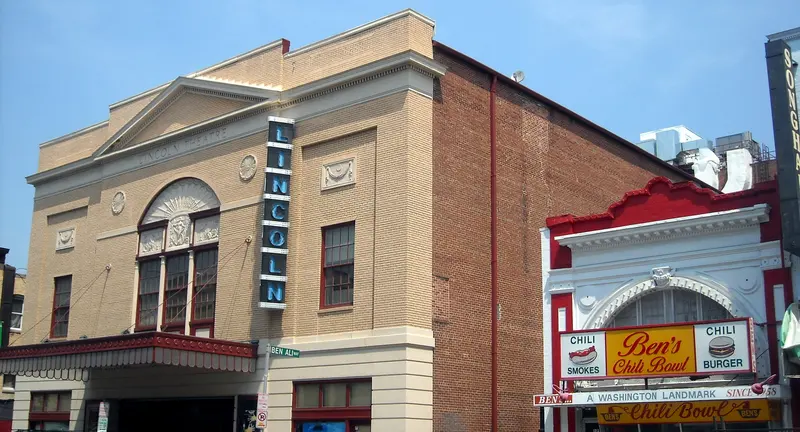
For a livelier evening, the U Street corridor and Shaw carry the city's musical and culinary heart — the historic 'Black Broadway', jazz venues, Ben's Chili Bowl and one of the largest Ethiopian dining scenes in the country. Dupont Circle brings Embassy Row, bookshops and an easy, walkable buzz; The Wharf and Navy Yard give you the newer, waterfront DC of riverside promenades, ballpark energy and food halls. Each is a short Metro ride from the Mall, and each shows you a side of the capital the monuments never will.


Day trips when you have an extra day
With a third or fourth day, some of the most rewarding things to do near Washington sit just outside it. Arlington National Cemetery is barely across the river — the Tomb of the Unknown Soldier, the changing of the guard, and the Kennedy gravesites on a hillside of white headstones — a solemn half-day with real weight. Old Town Alexandria, a short Metro ride down the Potomac, is a cobbled eighteenth-century riverfront with its own shops, restaurants and bookshops, and the easiest escape of all.
Down the river, Mount Vernon gives you George Washington's estate and a riverside trail; an hour east, Annapolis trades the federal city for a working harbour, the Naval Academy and a famous crab meal. For something wilder, the Shenandoah's Skyline Drive is a longer day but a true change of scene into the Blue Ridge. None of these requires a car if you plan around the train, bus or a tour, and any one of them rounds out a DC trip with a breath of something other than marble.
Seasons and the best time to go
When you come shapes the whole trip. Spring and autumn are the comfortable seasons — mild, clear and made for long days outdoors — and spring carries the city's signature event: the cherry blossoms ringing the Tidal Basin in a week or so of pink, usually in late March or early April, though the National Park Service revises its peak-bloom forecast weekly because the date moves every year. Spring also brings festivals to the Mall, from the kite festival to the folklife crowds later in the season.
Summer is hot and genuinely humid, which is why the locals' rhythm — outdoors early and late, indoors and air-conditioned in the heat of the day — matters most then. It is also peak family season and the season of the great Fourth of July fireworks over the Mall. Autumn brings cooler air and thinner crowds; winter is quiet and cold but has its own pleasures, from the National Christmas Tree to museums you'll have largely to yourself. Whatever the month, the core advice holds: book the few things that need booking, alternate marble with museums, and leave room to slow down.


Art, theatre and the cultural city
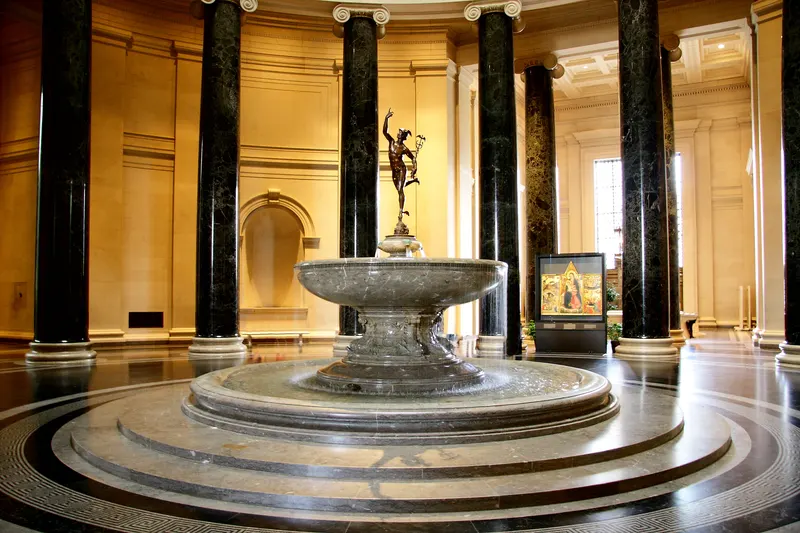
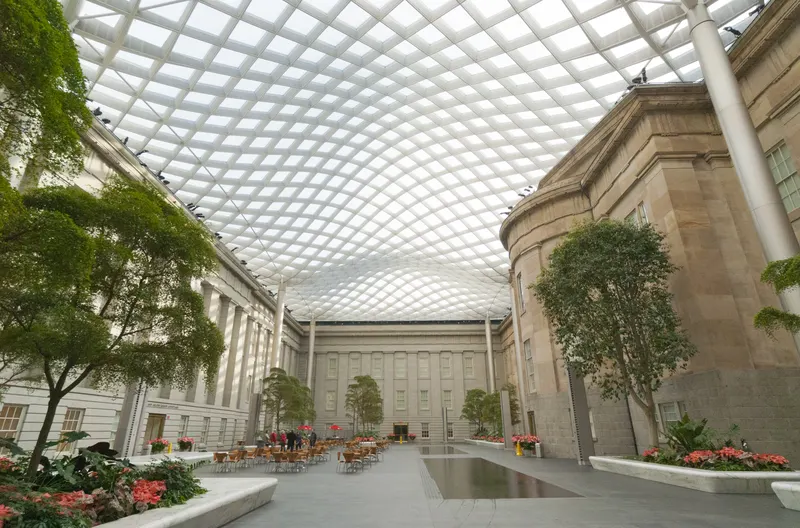
There is more to do in Washington than monuments and natural-history halls. The city has a serious cultural life, much of it free or close to it. The National Gallery of Art holds one of the great collections in the country across two buildings, plus a sculpture garden with an ice rink in winter, and it costs nothing to enter. The National Portrait Gallery and the Smithsonian American Art Museum share a graceful old building downtown with a glass-roofed courtyard, and the presidential portraits draw a steady crowd. The Hirshhorn brings contemporary art to a striking drum-shaped building on the Mall.
For performance, the John F. Kennedy Center for the Performing Arts runs paid shows in its grand halls and a free performance most evenings on its Millennium Stage, with a rooftop terrace and river views thrown in. Ford's Theatre, where Lincoln was shot, operates as both a museum and a working theatre. Add the city's small live-music venues in U Street and Shaw, and you have plenty to fill the evenings once the monuments go dark.

Where to start, by who you are
If you take only one thing from this hub, let it be this: choose a handful of sights that fit you and give each of them room, rather than chasing the whole list. A first-time couple might pair the Mall by night with Georgetown and the Tidal Basin; a family might anchor on the dinosaurs, the rockets and the Zoo, with monuments as an outdoor treasure hunt; a history-minded traveller might string together the Capitol, the National Archives and the African American History museum.
Whatever your shape of trip, the mechanics are the same everywhere in this city. Stay near a Metro station, book the few things that need booking before you arrive, alternate indoor museums with outdoor monuments, eat in the neighbourhoods rather than on the lawn, and keep at least one evening free for the lit-up Mall. Follow the detailed guides from here, and the planning takes care of itself.

