
Best Area to Stay in Washington, D.C. for First-Timers
The simplest way to pick where to stay in Washington, D.C. on a first visit. We compare the five areas that actually work — Downtown and Penn Quarter, Foggy Bottom and the Mall edge, Dupont Circle, Capitol Hill and the lively 14th Street corridor — by walking distance to the monuments, Metro access, evening life and price, so you can book one neighbourhood with confidence and stop second-guessing.

Photo: Sonder Bridge Photography / Unsplash
- ✓For a first DC trip, stay near a Metro station first and the exact neighbourhood second — the rail line matters more than the street.
- ✓Downtown and Penn Quarter is the safest all-rounder: central, restaurant-rich, walkable to the Mall and on several Metro lines.
- ✓Foggy Bottom and the western Mall edge put you closest to the monuments and museums on foot, with a quieter evening.
- ✓Dupont Circle and 14th Street trade a little walking distance for the best dining and nightlife; Capitol Hill is calmer and handsome.
- ✓Whatever you choose, the museums and monuments are free — so spend your budget on a central, Metro-close room, not a far cheaper one out of reach.
The one decision that makes a first DC trip easy
Washington is larger on the ground than it looks on a map, and that single fact should shape your first booking more than any hotel review. The monuments run a full two miles from the Capitol to the Lincoln Memorial; the best restaurants are scattered across neighbourhoods well north and east of the lawn; and the airports range from one Metro stop away to a proper haul. So the honest first question for a first-timer is not 'which hotel' but 'which area, and how close to a Metro station' — get those two right and almost any room becomes a good one.
Here is the reassuring part: you do not need to crack some local secret. A handful of central, well-connected areas all work well for a first visit, and the differences between them are about character and trade-offs, not about whether your trip will succeed. This page exists to make the choice quick. We will walk through the five areas that consistently suit first-timers, say plainly who each one is for, and give you a simple rule to break the tie. Book one of them near rail, and you can stop optimising and start looking forward to the trip.
One more framing that takes the pressure off the budget: DC's headline attractions — the Smithsonian museums, the National Gallery, every monument on the Mall — are free to enter. That changes the maths of where to stay. The money you might pour into a discounted hotel an hour out is better spent on a central room within walking distance of a Metro stop, because in this city proximity is the thing you are actually buying, and there are no admission fees eating the rest of your budget.


How to choose: the three things that matter
Before the areas themselves, fix the three filters that decide everything. First, Metro access. DC's six-line Metrorail system is the spine of any car-free trip, and a hotel within a short, easy walk of a station is worth far more than a slightly nicer one that leaves you reliant on rideshares. When you read a listing, find the nearest station and the walk to it before you read anything else.
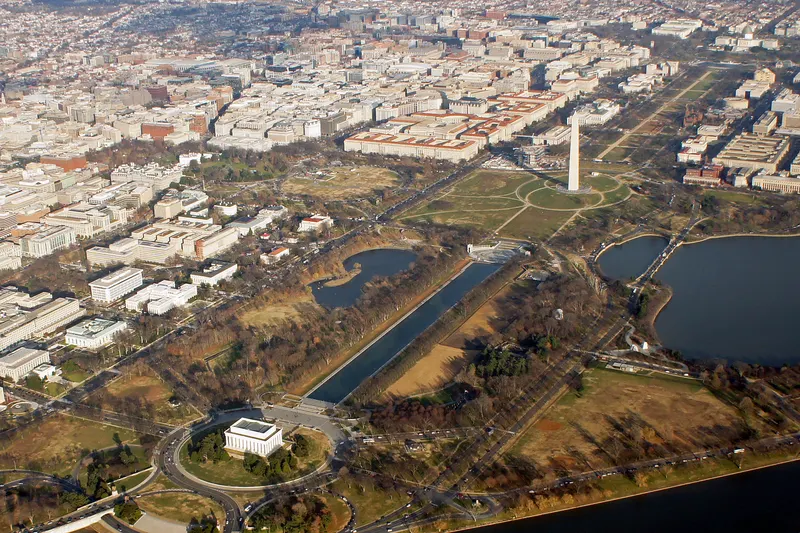
Second, walking distance to the Mall. The monuments and the free museums are the centre of gravity of a first visit, and being able to walk to them — or reach them in one short rail ride — saves real time and tired feet across a few packed days. Areas on or just off the Mall win here; areas a Metro ride away are fine but ask a little more of you each morning.
Third, what you want from the evening. The Mall empties after dark, so the question is whether you want to walk out of your hotel into restaurants and bars, or take a short ride to them. If you want dinner and a drink steps from your door, lean toward Penn Quarter, Dupont or 14th Street. If you would rather have a quieter base and travel to the action, the western Mall edge and Capitol Hill suit you. Hold those three filters in mind and the five areas below sort themselves quickly.
1. Downtown & Penn Quarter — the safe all-rounder
If you want one answer and no agonising, this is it. Downtown and the adjoining Penn Quarter sit in the dead centre of the city, a flat ten-to-fifteen-minute walk north of the Mall, with the densest cluster of restaurants, theatres and museums in DC right outside the door. Crucially for a first-timer, it is the best-connected area for Metro: several lines converge here, including the stations at Metro Center and Gallery Place, which puts the airports, the neighbourhoods and the Mall all within an easy ride.
The texture of the area is busy-but-handsome: federal-era and Gilded-Age buildings, the National Portrait Gallery and its glass-roofed Kogod Courtyard, Ford's Theatre, the National Archives a few blocks south, and the Capital One Arena bringing game-night and concert energy. You are never short of a meal, a coffee or a backup plan for rain. The trade-off is that it is the least 'neighbourhood-y' choice — more office towers and movement than leafy charm — and a basketball or hockey night can crowd the streets. For a first visit, those are small prices for being central, walkable and connected.
Who it's for: first-timers who want maximum convenience and minimum decision-making; anyone who values walking to dinner and the Mall both; travellers arriving by train at nearby Union Station or flying into Reagan National on the Metro. If you read no further, book here near a station and you will be glad you did.

2. Foggy Bottom & the Mall edge — closest to the monuments
If your dream of DC is walking out of the hotel and being among the marble in minutes, base yourself on the western edge of the Mall around Foggy Bottom. This is the area nearest the monuments on foot — the Lincoln Memorial, the World War II Memorial, the Reflecting Pool and the river are all a manageable walk — and it has its own Metro stop at Foggy Bottom–GWU, so you are connected as well as close.
The neighbourhood has a calm, institutional character: George Washington University gives it a campus feel, the Kennedy Center sits on the riverfront for an evening of music with a famous rooftop terrace, and the State Department and World Bank lend the streets a daytime-business hush that empties pleasantly at night. That quiet is the trade-off — this is not where you go for a buzzing dinner scene on your doorstep — but a short Metro ride or a walk toward downtown solves that easily, and you get the best monument access in the city in return.
Who it's for: first-timers whose priority is the monuments and museums; early risers who want to be on the Mall at dawn before the crowds; couples and anyone who values a peaceful base over nightlife on the step. Pair it with an evening at the Kennedy Center and you have a refined, walkable first visit.

3. Dupont Circle — character, dining and easy nightlife
Dupont Circle is the first-timer's choice when you want a genuine neighbourhood rather than a downtown core: a handsome circle of nineteenth-century townhouses, Embassy Row fanning out along Massachusetts Avenue, independent bookshops, a famous weekend farmers' market, and restaurants and bars thick on the surrounding streets. It has its own Metro stop on the Red Line, which runs straight down to the central transfer stations, so the Mall is an easy ride even though it is not on your doorstep.
What you gain by basing here is evening life and a sense of place — you can walk to dinner, a cocktail and a stroll among the embassies without planning anything — plus a location that bridges the museums to the south and the nightlife of 14th Street and U Street to the east. The trade-off versus the Mall edge is that the monuments are a rail ride away rather than a walk, which for most first-timers is a fair swap for so much more to do at night. Dupont is also the historic heart of LGBTQ+ Washington, welcoming and easy to settle into.
Who it's for: couples and friends who want character and good dinners over raw monument proximity; return-minded first-timers who suspect they'll come back and want to enjoy the city's daily life, not just its landmarks; anyone who likes the idea of a leafy circle and a bookshop within a block.


4. Capitol Hill — handsome, calm and near the icons
Capitol Hill gives first-timers a residential, postcard-pretty base within walking reach of some of the city's biggest sights. The Capitol itself, the Library of Congress and the Supreme Court are right here, and the neighbourhood behind them is all tree-lined streets of colourful row houses, corner restaurants and the historic Eastern Market with its weekend stalls. Union Station, the city's grand rail terminus and a Metro hub, anchors the northern edge, so arrivals by train and connections across the city are simple.
This is the choice for travellers who want a quieter, more local-feeling stay without sacrificing access to the marquee buildings. The eastern half of the Mall — the Capitol-side museums, the Botanic Garden, the American Indian and Air and Space museums — is a comfortable walk. The trade-off is that the western monuments are farther, so you'll ride or walk a fair stretch to reach the Lincoln Memorial end, and the immediate evening scene, while pleasant, is gentler than Penn Quarter or 14th Street. For families and couples who prize calm and charm, that is exactly the appeal.
Who it's for: first-timers drawn to the government buildings and a handsome residential base; families wanting space and quiet near Eastern Market; train arrivals at Union Station. It pairs especially well with a Capitol tour and a Library of Congress visit on your first morning.


5. Logan Circle & 14th Street — for a livelier evening
If your idea of a good trip includes the best dinners and bars of the visit, the Logan Circle and 14th Street corridor is DC at its most alive. This stretch holds one of the city's densest concentrations of restaurants, cocktail bars, boutiques and small theatres, all walkable, with the U Street music scene just to the north. It is genuinely buzzing in the evenings in a way the Mall and Foggy Bottom never are.
The honest trade-off for a first-timer is distance and rail: the corridor is north of the centre, and while it is served by Metro at Dupont, U Street and the green/yellow stations nearby, getting to the Mall is a ride or a longish walk, not a step out of the door. That makes it a better fit for second-day-onward energy than for someone whose whole plan is monuments at dawn. But if you balance your days — sightseeing by Metro, evenings on foot — it rewards you with the most enjoyable nights of the trip.
Who it's for: food-and-drink-led travellers, couples after date nights, and anyone happy to ride to the sights in exchange for the best evenings in the city on their doorstep. Treat the Metro as your daytime tool and the neighbourhood as your nighttime playground.
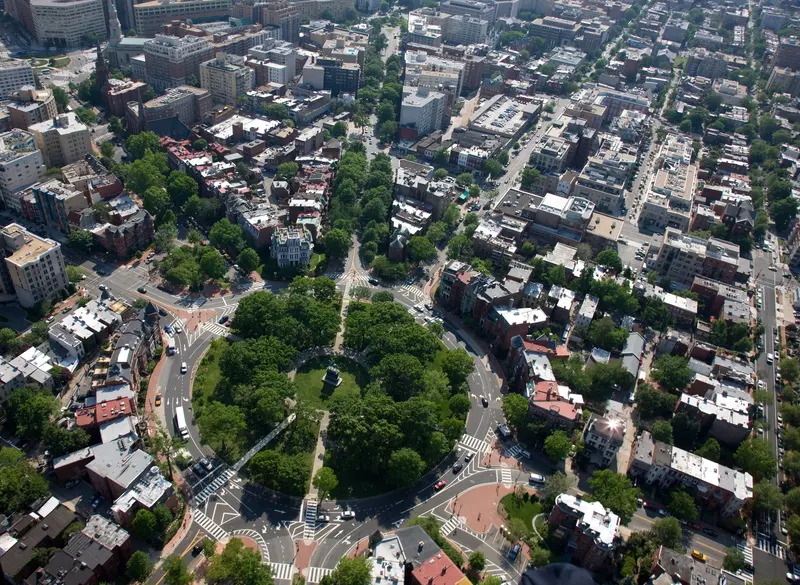

Quick comparison — and a rule to break the tie
If you are still hovering between two of these, use a single tie-breaker: pick the area that matches what you want from your evenings, because the daytime sights are reachable from all five. Want to walk out into restaurants and bars? Dupont, Penn Quarter or 14th Street. Want the monuments on foot and a calm night? Foggy Bottom and the Mall edge. Want a handsome, local base near the big federal buildings? Capitol Hill. Want one answer and no further thought? Downtown and Penn Quarter, near a Metro station.
Whichever you land on, confirm three things before you book: the walk to the nearest Metro station (aim for a few minutes, not fifteen), at least one rail line that reaches the Mall and your arrival airport or station, and that the area's evening character suits you. Do that and you have made the only decision that really shapes a first DC trip — the rest is detail you can enjoy figuring out on the ground.
- Most central & connected: Downtown / Penn Quarter — several Metro lines, walkable to the Mall, restaurants everywhere.
- Closest to the monuments on foot: Foggy Bottom / Mall edge — quiet evenings, own Metro stop, Kennedy Center nearby.
- Best neighbourhood character & dining: Dupont Circle — Embassy Row, bookshops, easy nightlife, Red Line to the core.
- Calmest & most handsome near the icons: Capitol Hill — Capitol, Library of Congress, Eastern Market, Union Station hub.
- Liveliest evenings: Logan Circle / 14th Street — top restaurants and bars, but a ride from the Mall.
- Tie-breaker: choose by the evening you want; every area reaches the daytime sights by Metro.
What a first day looks like from each base
It helps to picture the actual morning, because the right area is the one that makes your particular first day effortless. From Downtown or Penn Quarter, you stroll south through the city, cross Constitution Avenue and you are on the Mall at the Archives and the Natural History Museum, with the Washington Monument dead ahead — coffee at your door, monuments in fifteen minutes, dinner back in the neighbourhood that night. From Foggy Bottom, you start at the western, monumental end: a short walk to the Lincoln Memorial and the Reflecting Pool at first light, then east along the Mall as the museums open, doubling back for an evening at the Kennedy Center.
From Dupont Circle you'd take the Red Line a few stops to the Mall's central stations, sightsee through the day, then walk home into a circle full of dinner options — sights by rail, evening on foot. From Capitol Hill you can open the trip with the Capitol, the Library of Congress and the Supreme Court right outside, drift west into the Capitol-side museums and the Botanic Garden, and finish with stalls and a quiet dinner near Eastern Market. And from 14th Street, you'd ride down to the monuments for the daytime and save your best meal and a cocktail for the walkable corridor at night. None of these is harder than the others — they simply front-load different pleasures, which is exactly why you choose by the day you want.
If you are torn, remember that a first DC trip is usually two or three days, and you can taste more than one area without changing hotels: pick a central, Metro-close base and let the rail network deliver the rest of the city to you. That is the whole logic of staying central here — you are not trying to live next to every sight, only to reach them all easily.

First-timer questions, answered briefly
Do I need to stay right on the Mall? No — and almost no one does, because the Mall is mostly museums, monuments and lawn, not hotels. The aim is to be a short walk or one rail ride away, which all five recommended areas manage comfortably.
Is it worth paying more to be central? On a first visit, generally yes. Because the sights are free, the value you're buying is time and ease, and a central, Metro-close room returns that every single day. A cheap room far out can quietly cost you an hour each way and the energy that goes with it.
Will I need a car? Almost certainly not, and you'll likely be happier without one — parking is expensive and the Metro reaches the Mall, the neighbourhoods and Reagan National directly. Base near a station and skip the car. If you arrive by train, Union Station and Capitol Hill put you on the rail network the moment you step off.
Is the city safe to walk in the evening? Like any major city, DC rewards normal urban sense: the central, well-trafficked areas above are busy and easy in the evening, especially around restaurants and Metro stations. Stick to lively streets, keep your wits at quiet late hours, and you'll find the first-timer areas comfortable to enjoy on foot.


Areas to think twice about on a first visit
A few areas are excellent in their own right but ask more of a first-timer, and it's worth naming them so you choose with open eyes. Georgetown is the prettiest neighbourhood in the city — cobbled streets, the C&O Canal, the waterfront — but it has no Metro station of its own, which on a first trip means more walking or buses to reach the rail network. It's a wonderful base for a return visit or for travellers happy to rely on the bus and a stroll; just go in knowing the transit catch.
Across the river, Arlington and Rosslyn or Old Town Alexandria can save money and still sit on the Metro, and they make a sound choice for budget-minded or repeat visitors. For a first trip, though, the small daily friction of crossing into the District adds up, and you'll likely prefer being inside the city for your first taste of it. Newer corridors like the Wharf, Navy Yard and NoMa around Union Market are lively and modern and perfectly good — they're simply less obvious for a classic first visit centred on the monuments and museums. None of these are mistakes; they're just second-trip energy.


Related guides

Where to Stay in Washington, D.C.
A complete, area-by-area guide to where to stay in Washington, D.C. — how to choose a base by Metro access and walkability, the best neighbourhoods for first-timers, families, couples, budgets and luxury, plus when staying across the river makes sense.
Read guide
National Mall & Foggy Bottom Area Guide
Who should stay beside the National Mall and in Foggy Bottom — the calm, walkable, Metro-connected corner closest to the western monuments, the Kennedy Center and George Washington University, and the tradeoffs of basing yourself in the federal core.
Read guide
Downtown & Penn Quarter, Washington, D.C.
The most central place to stay in Washington — Penn Quarter and the surrounding downtown, where the free museums, the big theatres, the arena, the restaurants and four Metro lines all sit within a few walkable blocks of the National Mall.
Read guideMore in Where to Stay in Washington, D.C.
6
Best Hotels in Washington, D.C.
How to choose the right hotel in Washington, D.C. — sorted the way travellers actually decide: by area and Metro access, by what you're here for, and by season. We cover the grand historic landmarks, the central all-rounders, the romantic boutiques, the family-friendly suites and the smartest budget picks, with the trade-offs spelled out so you book once and book well.
Read guide
Budget Hotels in Washington, D.C.
How to stay in Washington, D.C. affordably without exiling yourself from the city. We cover the value areas, the Metro trade-offs that actually save money, hostels and budget chains, the across-the-river options, and the seasons to avoid — plus the one rule that keeps a cheap room from quietly costing you more than it saves.
Read guide
Family Hotels in Washington, D.C.
Washington is one of the best-value family trips in America, and the right hotel makes it effortless. This is a practical guide to family-friendly hotels in DC — the features that actually matter (space, breakfast, a pool, a short walk to Metro), the areas that suit families with kids of different ages, and how to turn a free-museum city into an easy, well-paced trip.
Read guide
Luxury Hotels in Washington, D.C.
Where to splurge in Washington, D.C. — sorted by the kind of luxury you actually want. We cover the grand historic landmarks near the White House, the discreet power hotels, the spa-and-wellness stays, the design-led boutiques and the riverfront splurge, with the trade-offs and the views spelled out so a milestone trip lands exactly as you imagine it.
Read guide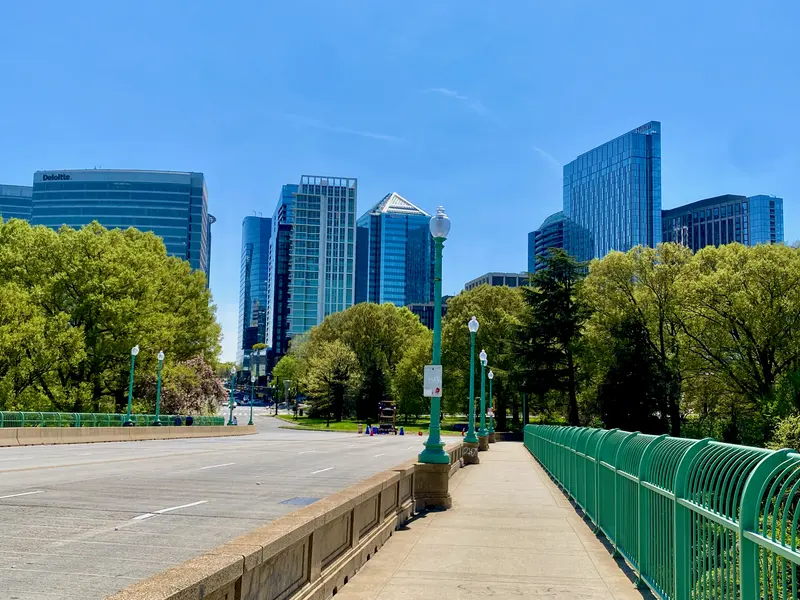
Staying in Arlington & Rosslyn for DC
When it makes sense to base across the Potomac in Arlington, Virginia — how the Metro links Rosslyn and the Orange/Silver/Blue line corridor to the National Mall, why hotel rates can run lower than in the District, and which Arlington areas actually suit tourists.
Read guide
Staying in Old Town Alexandria for DC
Why some travellers base in Old Town Alexandria, Virginia for a Washington trip — cobbled eighteenth-century streets, a romantic Potomac waterfront, Metro and water-taxi links into DC, and how to weigh the charm against the commute.
Read guide