
Smithsonian National Zoo Guide
How to visit the Smithsonian's National Zoo in Washington — free entry with timed-entry passes, the giant pandas, the best animal houses, the hilly layout, parking and Metro, and how to time a family day around the summer heat.

Photo: Rawpixel Ltd / Wikimedia Commons · CC BY 2.0
- ✓The Smithsonian's National Zoo is free, like the Smithsonian museums — but entry requires a free, timed-entry pass reserved online in advance. Verify the current pass policy before you go.
- ✓The giant pandas are the headline draw, at the David M. Rubenstein Family Giant Panda Habitat — check the Zoo's site for the latest on which pandas are in residence, as that has changed over the years.
- ✓The grounds run downhill from the Connecticut Avenue entrance along the Olmsted Walk, so you arrive on the flat and finish with a climb — plan the route, not just the animals.
- ✓It sits in Rock Creek Park in upper Northwest, a short walk from the Woodley Park and Cleveland Park Metro stations on the Red Line — no car needed.
- ✓Summer in DC is hot and humid and many animals nap through the heat of the day; arrive near opening for cooler air and more active animals.
A free zoo on a hillside
The Smithsonian's National Zoo is one of Washington's great civic gifts: a full-scale zoo, part of the Smithsonian Institution, set on rolling parkland in upper Northwest — and, like the Smithsonian museums on the Mall, free to enter. It spreads across a wooded slope at the edge of Rock Creek Park, which means the visit is as much a walk in the woods as a tour of animal houses, and the setting does a lot of the work. Tall trees, dappled shade and a creek valley make it feel a world away from the federal city, even though it is only a few Metro stops north of the monuments.
Founded in the late nineteenth century and home to thousands of animals across hundreds of species, the Zoo has long been best known for its giant pandas — a thread of US–China conservation diplomacy that has come and gone over the decades. For families especially, it is one of the easiest wins in DC: outdoors, free, full of animals, and a complete change of pace from a morning of marble and museum halls. Just go in with a plan for the hill and the heat, and it rewards a half-day beautifully.

Free entry, but reserve a pass
Here is the one thing that trips visitors up: the National Zoo is free, but in recent years entry has required a free, timed-entry pass reserved online ahead of your visit, and the same has applied to on-site parking, which is paid and best reserved in advance. This is a change from the old just-turn-up days, so don't assume — check the Zoo's official site before you set out and reserve your entry passes (one per person, including children) for the date and time you want. They are free, but they can run out on the busiest days, and the policy itself can change, so verify the current rules close to your trip.
Because the passes and parking sit on the same booking system, sorting them together a few days ahead saves stress at the gate. If you are coming by Metro you only need the entry passes; if you are driving, reserve a parking slot too, as lots fill and the on-site parking fee is separate from the free admission. Build in a little buffer — security screening can apply at the entrance, and large bags and certain items may be restricted, so travel light and check the current bag policy.
- Admission is free, but a free timed-entry pass reserved online is required — verify the current policy and reserve ahead.
- Reserve one entry pass per person, children included; the busiest days can sell out of free passes.
- On-site parking is paid and best reserved in advance on the same system — admission and parking are separate.
- Expect possible security screening and bag restrictions at the entrance; pack light and check the current rules.
The pandas and the headline animals
For most visitors the giant pandas are the reason to come, housed at the David M. Rubenstein Family Giant Panda Habitat near the top of the grounds. The Zoo's relationship with giant pandas stretches back decades and has been a recurring story of births, departures and arrivals tied to its conservation partnership with China — so which pandas, if any, are currently in residence is exactly the kind of thing that changes. Check the Zoo's website before your visit rather than relying on what you remember from the news, and if pandas are a must-see, plan to view them early before the crowds thicken around the habitat.
Beyond the pandas, the Zoo's strengths are spread across its houses and yards: great apes and the famous Think Tank orangutans, big cats, elephants in a large modern habitat, a reptile and amphibian house, the Amazonia rainforest building, and a small-mammal house that is a reliable hit with younger children. You won't see everything well in one visit, and you shouldn't try — pick the handful your group most wants (pandas, big cats, apes, elephants is a strong four) and see those properly, then let the rest be a pleasant walk between them.
- The giant pandas are the headline draw — but verify which pandas are in residence on the Zoo's site, as it changes.
- See must-see animals early, before midday crowds build around the popular habitats.
- Other strengths: great apes and orangutans, big cats, elephants, the reptile house and the Amazonia rainforest.
- Don't try to see it all — choose a handful of houses and enjoy the walk between them.
The hill, and how to walk it
The single most useful piece of planning for the National Zoo is to understand its shape. The main entrance is on Connecticut Avenue at the top of the grounds, and the central path — the Olmsted Walk — runs downhill from there toward the lower end. The pleasant trap is that you stroll downhill all morning, getting steadily further from the gate, and then face an uphill climb back at the end when everyone is tired. With small children, strollers or anyone who tires on slopes, that return climb is the part to respect.
Two strategies help. The simplest is to walk the whole loop with the hill in mind: do the things nearest the top entrance — the pandas among them — while you are fresh, and don't descend further than your group will happily climb back. The other is to enter from the lower end if that suits your transport, and finish at the top. Either way, build in shade breaks and water stops, especially in summer, and don't be shy about turning back before you've seen everything — a half-seen zoo beats an exhausted, melting-down end to the day.
- The grounds run downhill from the Connecticut Avenue (top) entrance along the central Olmsted Walk.
- You descend as you explore and must climb back up — plan the return, especially with strollers or tired legs.
- See the top-of-the-hill highlights (pandas included) early while you're fresh.
- Build in shade and water breaks, and turn back before exhaustion rather than after.
Beating the heat and the crowds
Washington summers are genuinely hot and humid, and an outdoor zoo on a sun-exposed slope is no place to be at midday in July. The animals know it too: many are most active in the cooler morning and late afternoon and spend the heat of the day resting in shade, so a midday visit can mean both a wilted family and a lot of sleeping animals. The fix is timing — aim to arrive near opening, see the animals while it's cooler and they're moving, and be heading out as the heat peaks. In high summer, an early start is worth far more than a long day.
Crowds follow a similar curve, building through mid-morning on weekends, holidays and school-trip season. Weekday mornings outside the summer holidays are the calmest. Whatever the season, bring water, sunscreen and hats, dress for a lot of walking, and use the indoor animal houses — the reptile house, Amazonia, the small-mammal house — as cool-down stops on hot days and as your backup plan if it rains. They turn the Zoo into a part-indoor option when the weather doesn't cooperate.
- DC summers are hot and humid — arrive near opening when it's cooler and animals are more active.
- Many animals rest through midday heat in the shade; mornings and late afternoons are best for activity.
- Crowds build through mid-morning on weekends and in school-trip season; weekday mornings are calmest.
- Bring water, sunscreen and hats; use the indoor animal houses as cool-down or rainy-day stops.
Getting there: Metro, parking and the neighborhood
The National Zoo is one of the easiest DC attractions to reach without a car. It sits in upper Northwest between two Red Line Metro stations — Woodley Park–Zoo/Adams Morgan and Cleveland Park — each a short, mostly uphill or downhill walk from the gates depending on which you choose; verify the current best station and any service changes on WMATA. Both put you a few stops from the Mall, so the Zoo slots neatly onto a day that starts or ends downtown. Coming up from Woodley Park you climb to the entrance; coming down from Cleveland Park you descend to it — a small thing worth knowing with tired children.
If you drive, remember that on-site parking is paid and best reserved in advance, and that lots fill on busy days — the Metro is usually the simpler choice. The surrounding Woodley Park and Cleveland Park neighborhoods are leafy and residential with a string of restaurants near the Metro stops, making them an easy lunch stop before or after, and a comfortable, family-friendly base if you'd rather stay away from the downtown bustle.
Common questions
Is the National Zoo free? Yes — admission is free, but in recent years a free timed-entry pass reserved online has been required. Verify the current policy and reserve ahead.
Do I need to book in advance? For entry, reserve free passes online; if driving, reserve paid parking too. Check the Zoo's site, as the rules can change.
Are there giant pandas right now? That has changed over the years with the Zoo's conservation partnership — check the official site for the latest before you go.
How long should I plan? A half-day suits most families; a full day if you want to see most houses and take it slowly.
Is it stroller-friendly? Largely, but the grounds are hilly — you descend from the top entrance and climb back, so plan the route with that in mind.
When is it least crowded and most comfortable? A weekday morning outside summer holidays and school-trip season, arriving near opening before the heat and crowds build.

Related guides
Woodley Park & Cleveland Park Guide
A traveller's guide to Woodley Park and Cleveland Park — the leafy upper-Northwest DC neighbourhoods at the doorstep of the National Zoo and Rock Creek Park, with family-friendly hotels, a calm residential feel, and the Red Line tradeoffs of basing away from the Mall.
Read guide
Washington, D.C. with Kids
Washington is one of the best-value family trips in America — free museums full of dinosaurs and rockets, monuments you can run between, a hillside zoo and wide-open lawns. This is a family-tested guide to things to do in DC with kids, with the museums that actually work, the parks and food breaks, and a sane way to pace it all.
Read guide
Family Hotels in Washington, D.C.
Washington is one of the best-value family trips in America, and the right hotel makes it effortless. This is a practical guide to family-friendly hotels in DC — the features that actually matter (space, breakfast, a pool, a short walk to Metro), the areas that suit families with kids of different ages, and how to turn a free-museum city into an easy, well-paced trip.
Read guideMore in Things to Do
6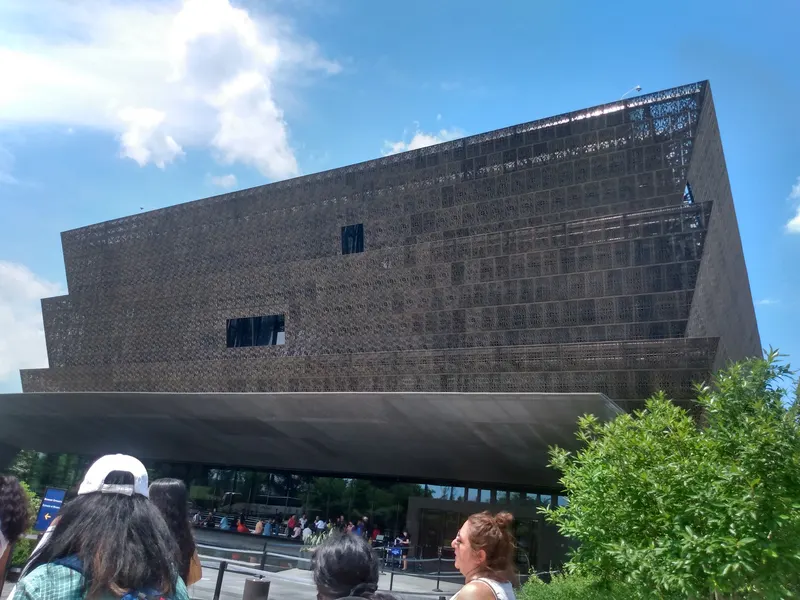
African American History Museum Guide
How to visit the National Museum of African American History & Culture on the Mall — the free timed-entry passes and how to get one, the deep underground history galleries, Sweet Home Café, the lines, how to pace an emotionally heavy visit, and the walk along the Mall.
Read guide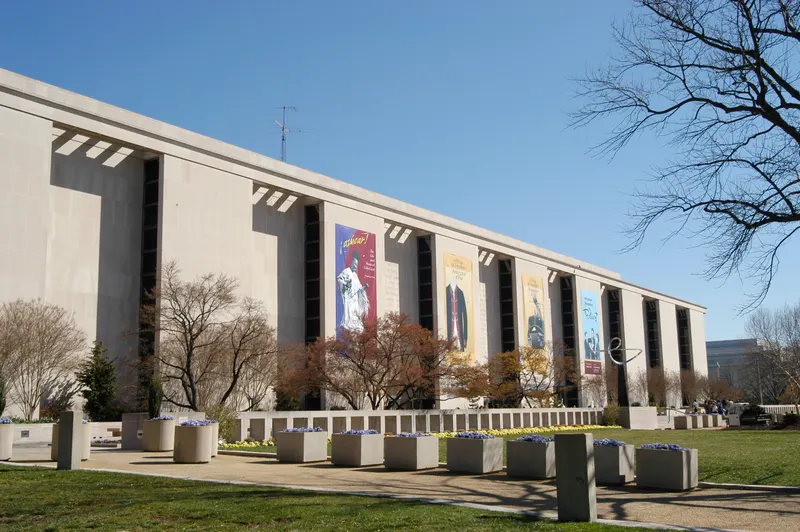
American History Museum Guide
How to visit the National Museum of American History on the Mall — the original Star-Spangled Banner, the First Ladies' gowns, the American presidency, the pop-culture icons, the food-court logistics, and how to time a visit around the school groups.
Read guide
Best Museums in Washington, D.C.
Washington has more world-class museums than any sane trip can hold, and almost all of them are free. This is a guide to the best museums in DC sorted by topic, age, ticket needs, location and rainy-day value — so you can choose two or three with confidence instead of trying to see them all.
Read guide
Best Photography Spots in Washington, D.C.
Where to make great photographs in Washington — the monument reflections, the Tidal Basin blossoms, the Capitol and Lincoln axis, Georgetown's waterfront, hidden rooftops and the golden-hour and blue-hour routes that tie them together.
Read guide
Best Things to Do in Washington, D.C.
A ranked first-trip shortlist of the best things to do in Washington, D.C. — from the National Mall and the free Smithsonian museums to a Capitol tour, the Tidal Basin and Georgetown — built so you can pick a handful and still feel you saw the city.
Read guide
Best Viewpoints in Washington, D.C.
Where to find the best views in Washington — the high monuments and free towers, the rooftop bars and cultural terraces, and the river and hilltop overlooks across the Potomac, ranked by how much effort each one asks.
Read guide