
American History Museum Guide
How to visit the National Museum of American History on the Mall — the original Star-Spangled Banner, the First Ladies' gowns, the American presidency, the pop-culture icons, the food-court logistics, and how to time a visit around the school groups.
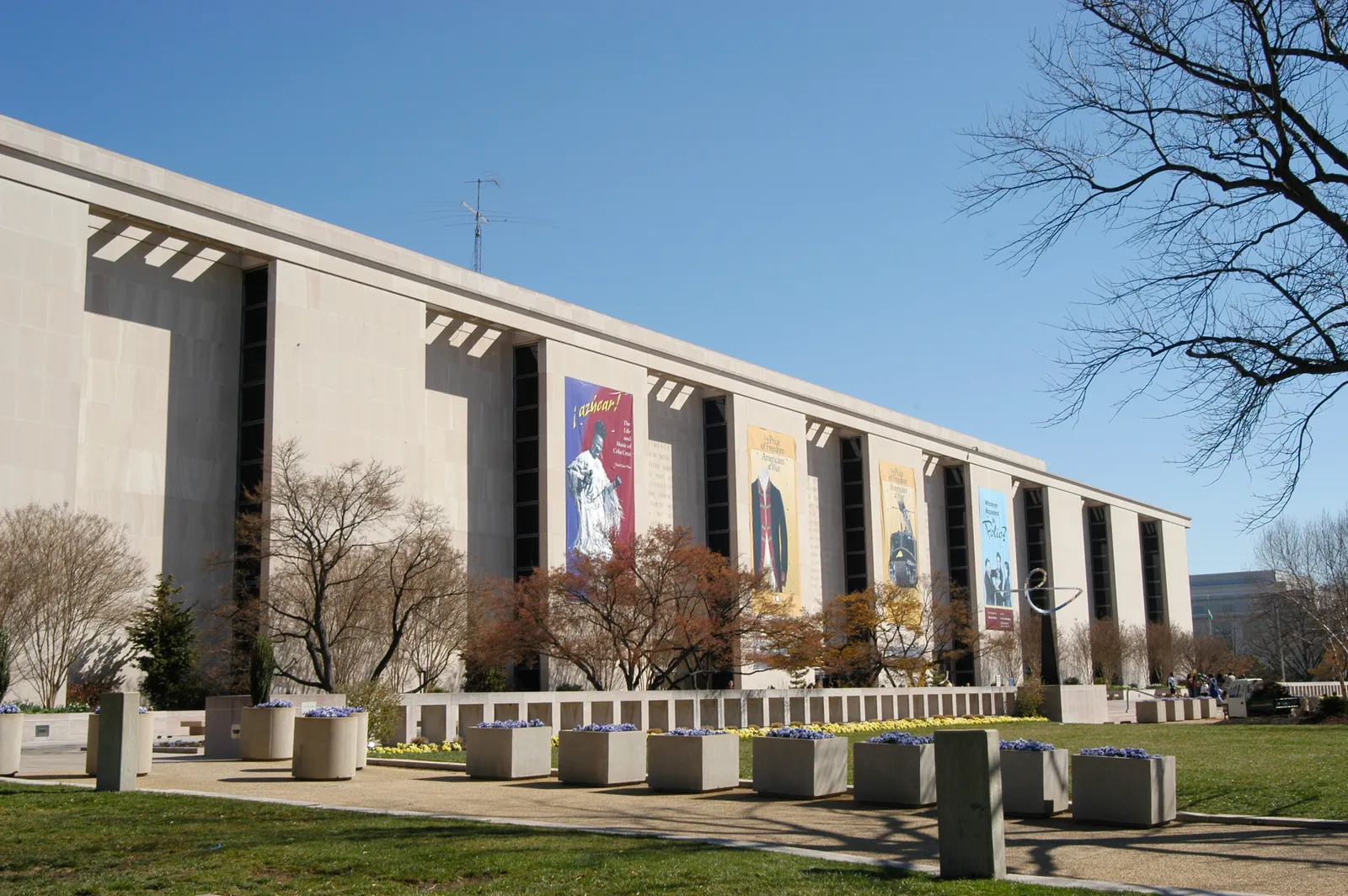
Photo: Lorax / Wikimedia Commons · CC BY 4.0
- ✓Free admission, every day, usually walk-in — clear a quick security check and you're in.
- ✓The headline object is the original Star-Spangled Banner, the giant flag that inspired the U.S. national anthem.
- ✓The First Ladies' gowns, the American Presidency exhibit and a floor of pop-culture icons are the other big draws.
- ✓A broad, browseable museum that rewards about two hours on the highlights rather than a full sweep.
- ✓Hours and any temporary closures vary — confirm on the official site before a tight plan.
The American story under one roof
If Natural History is about the planet and Air & Space is about flight, the National Museum of American History is about the country itself — its objects, its icons and its everyday life. It is the place that holds the original Star-Spangled Banner, the enormous garrison flag that flew over Fort McHenry in 1814 and inspired Francis Scott Key to write the words that became the United States' national anthem. That single object is reason enough to visit, and it anchors a museum that ranges from the gowns of the First Ladies to the ruby slippers of Hollywood.
It is one of the Smithsonian's free museums, on the north side of the National Mall, and it is the most browseable of the big three — less about a single overwhelming hall and more about a series of self-contained exhibits you can dip into. That makes it ideal for a focused two-hour visit: pick the handful of things you most want to see, give them proper attention, and leave the rest. As with every Mall museum, trying to see everything is the surest way to enjoy nothing.

Free entry and how to get in
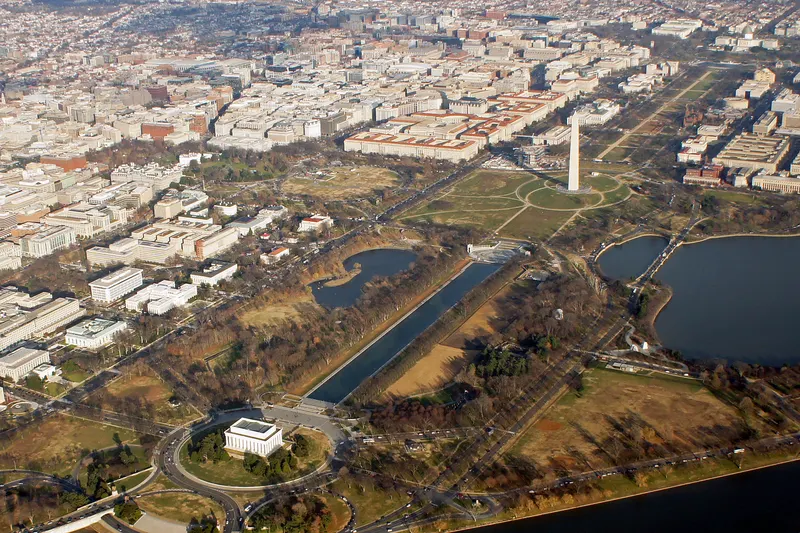
Admission is free, like every Smithsonian museum, and in most periods you can walk straight in — no ticket required. You clear airport-style security at the entrance, with bags screened, so travel light and allow a few minutes for the line. The museum sits next to Natural History on the north side of the Mall, which makes the two a natural pairing for a single day.
The Smithsonian adjusts its policies from time to time, and certain special exhibitions can carry their own timed entry. Treat any advance rule as a prompt to verify rather than gospel: check the official visit page close to your trip for the day's hours, any timed-entry requirement for special shows, and which exhibits are open. Arriving near opening is the best way to beat both the security line and the school groups that pour in mid-morning.
- Admission is free; most of the museum is walk-in with no ticket needed.
- Airport-style security at the entrance — pack light and allow time for the bag line.
- Some special exhibitions may use their own timed entry — verify before you go.
- It sits next to Natural History — easy to pair the two on a north-side Mall day.
- Confirm hours and open exhibits on the official site before a tight plan.
The headline exhibits
Begin with the Star-Spangled Banner, displayed in a dim, climate-controlled gallery that protects the fragile 1814 flag — it is shown low-lit and at an angle, a quietly moving sight when you realise this is the actual flag behind the anthem. From there, the museum's two other crowd-pullers are the First Ladies exhibit, famous for its collection of inaugural gowns and the changing role of the president's spouse, and 'The American Presidency', which gathers objects from the lives and terms of the presidents.
Beyond the headliners, the museum leans happily into popular culture — this is the home of icons drawn from entertainment, sport and everyday American life, the sort of objects that make people gasp with recognition. There are exhibits on American democracy, on transport and innovation, on the experiences of immigration and work, and a hands-on space aimed at younger visitors. Rotating special exhibitions add to the mix, so it is worth a glance at what's currently on. Pick three or four of these and you have a satisfying visit; try for all of them and you'll be exhausted by the second floor.
- The original Star-Spangled Banner: the 1814 flag behind the U.S. national anthem.
- First Ladies: the celebrated collection of inaugural gowns and the role of the president's spouse.
- The American Presidency: objects from the lives and terms of the presidents.
- Pop-culture icons from entertainment, sport and everyday American life.
- Exhibits on democracy, transport, immigration and work, plus a hands-on space for children.
Food-court logistics
American History has one of the more substantial in-museum dining setups of the big three, with a food court that helps when you have hungry children and no appetite for leaving the building. It is convenient rather than memorable — standard food-court fare at fair-not-cheap prices — but the convenience counts on a long Mall day, and it lets you refuel without surrendering your spot or your timed slot at a special exhibit.
If you want a better meal, the smarter move is the same as anywhere on the Mall: step north to Penn Quarter, a few minutes' walk away and full of restaurants, or time your visit to eat before or after the midday rush, when every museum café is mobbed. Bring a refillable water bottle — fountains are plentiful — and you'll save both money and queue time. The food court is best treated as a pit stop between exhibits, not the highlight of the day.
- An in-museum food court makes refuelling easy without leaving the building.
- Convenient, not memorable — food-court fare at fair-not-cheap prices.
- For a real meal, walk north to Penn Quarter or eat before or after the rush.
- Bring a refillable water bottle — fountains are plentiful and the lines are long.
Timing around the school groups
American History is a magnet for school trips, and a flood of student groups can transform a calm gallery into a crush in minutes — especially in spring, the peak season for class visits. The single best defence is to arrive near opening, when the museum is quietest and the security line shortest, and to see your headline objects (the Star-Spangled Banner above all) first, before the groups thicken mid-morning.
If you're tied to an afternoon visit, aim for the later hours, when many school groups have moved on. Either way, the museum's browseable layout works in your favour: when one gallery is mobbed, you can simply move to another and circle back. Budget about two hours for a focused visit; the museum rewards selectivity far more than stamina, and leaving with energy in reserve means you can still enjoy a monument at dusk.
How to read the building
American History is laid out as a stack of distinct exhibits across several floors rather than one overwhelming hall, which is exactly why it suits a focused, dip-in visit. A bright central atrium — marked by a large abstract sculpture inspired by the Stars and Stripes — gives you a point to orient from, and from there you can choose a floor by theme: the flag and the nation's founding ideals, the presidency and democracy, transport and innovation, or the popular-culture icons that draw the gasps. There is no single correct route, so pick the two or three exhibits you most want and let the rest go.
That browseable structure is also your best tool against crowds. When one gallery fills with a school group, you simply move to another floor and circle back later — something the big single-hall museums don't allow as easily. The trade-off is that the museum can feel diffuse if you try to see it all; the visitors who enjoy it most treat it as a set of small, self-contained museums and choose a handful, rather than marching through every door.
Common questions
Is the American History Museum free? Yes — admission is free, like every Smithsonian museum, and most of it is walk-in with no ticket needed.
Do I need a ticket? Generally no, though some special exhibitions may use their own timed entry. Verify the current requirement before you go.
What are the must-sees? The original Star-Spangled Banner, the First Ladies' gowns, the American Presidency exhibit and the pop-culture icons.
How long should I plan? About two hours covers the highlights well; the museum rewards selectivity over a full sweep.
Is there food inside? Yes — a food court for a convenient refuel, though for a better meal it's worth stepping north to Penn Quarter.
When is it least crowded? Near opening, before the mid-morning school groups arrive; later afternoons can also be calmer.

Related guides
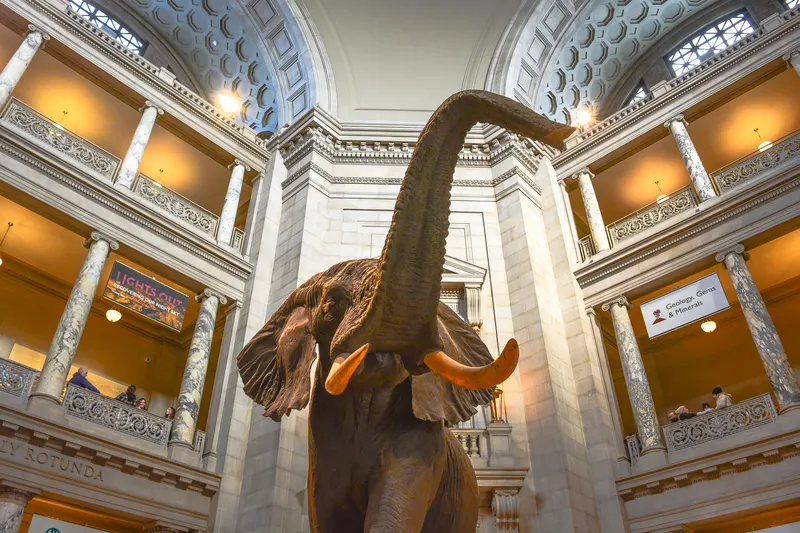
Natural History Museum Guide
How to visit the National Museum of Natural History on the Mall — the dinosaur hall, the Hope Diamond and the gem collection, the mammals and ocean halls, a family-pacing plan, where to eat, and how to see the highlights without museum fatigue.
Read guide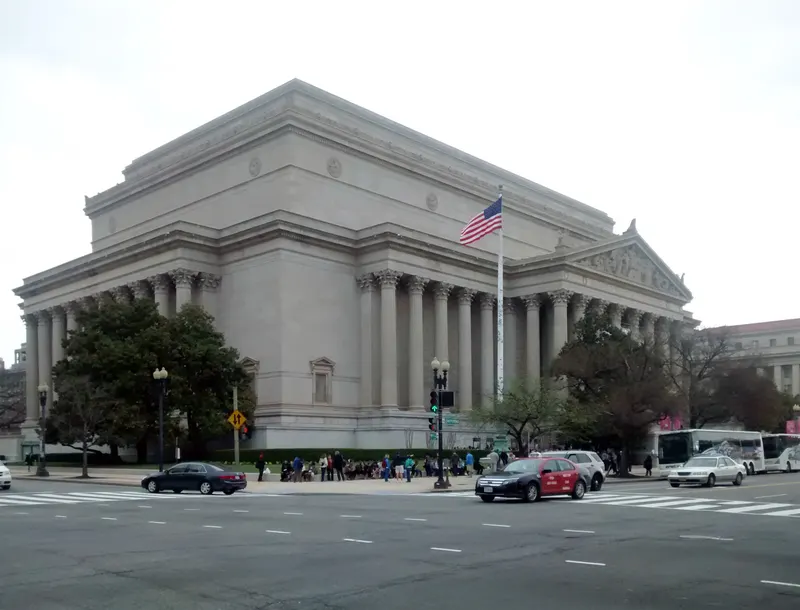
National Archives Museum Guide
How to see the Declaration of Independence, the Constitution and the Bill of Rights at the National Archives in Washington — free entry, the timed-reservation option, the best times to beat the crowds, and what else is in the museum.
Read guide
Washington, D.C. School Trip Itinerary
A teacher- and chaperone-friendly Washington, D.C. itinerary built for groups — a civics-rich route through the Capitol, the memorials and the free museums, paced for buses, head counts, meals and tired feet. Free where it matters, walkable where it counts, and structured so thirty students stay together and learn something.
Read guideMore in Things to Do
6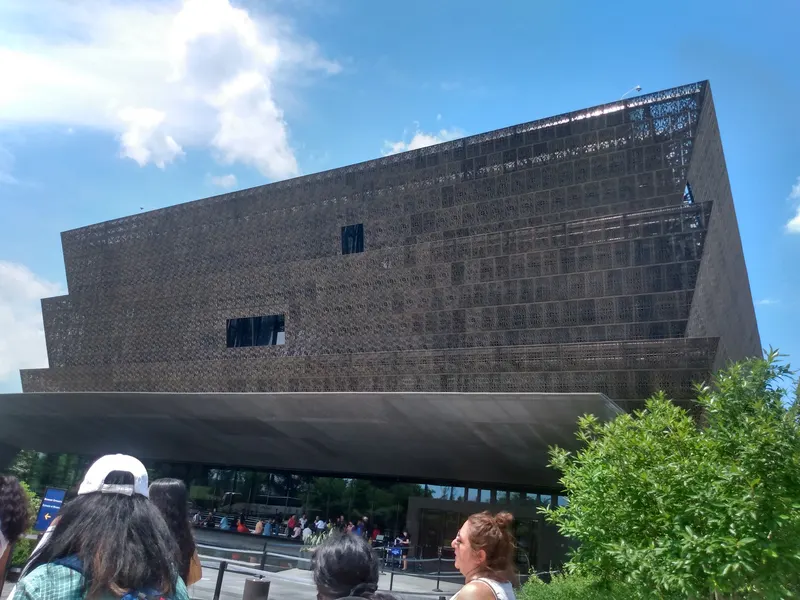
African American History Museum Guide
How to visit the National Museum of African American History & Culture on the Mall — the free timed-entry passes and how to get one, the deep underground history galleries, Sweet Home Café, the lines, how to pace an emotionally heavy visit, and the walk along the Mall.
Read guide
Best Museums in Washington, D.C.
Washington has more world-class museums than any sane trip can hold, and almost all of them are free. This is a guide to the best museums in DC sorted by topic, age, ticket needs, location and rainy-day value — so you can choose two or three with confidence instead of trying to see them all.
Read guide
Best Photography Spots in Washington, D.C.
Where to make great photographs in Washington — the monument reflections, the Tidal Basin blossoms, the Capitol and Lincoln axis, Georgetown's waterfront, hidden rooftops and the golden-hour and blue-hour routes that tie them together.
Read guide
Best Things to Do in Washington, D.C.
A ranked first-trip shortlist of the best things to do in Washington, D.C. — from the National Mall and the free Smithsonian museums to a Capitol tour, the Tidal Basin and Georgetown — built so you can pick a handful and still feel you saw the city.
Read guide
Best Viewpoints in Washington, D.C.
Where to find the best views in Washington — the high monuments and free towers, the rooftop bars and cultural terraces, and the river and hilltop overlooks across the Potomac, ranked by how much effort each one asks.
Read guide
Best Washington, D.C. Tours
When a tour is genuinely worth it in Washington and when the city is better free and self-guided — monument night tours, bike and Segway loops, food and neighbourhood walks, official Capitol and government-building tours, and the day trips that need a coach.
Read guide