
Best Museums in Washington, D.C.
Washington has more world-class museums than any sane trip can hold, and almost all of them are free. This is a guide to the best museums in DC sorted by topic, age, ticket needs, location and rainy-day value — so you can choose two or three with confidence instead of trying to see them all.

- ✓Most of DC's best museums — the Smithsonians and the National Gallery — are free, every day; a few standouts charge admission.
- ✓The honest skill is choosing two or three, not 'doing them all' — these are huge buildings and museum fatigue is real.
- ✓Choose by topic and by who you're with: science and dinosaurs for kids, art for couples, American story for everyone.
- ✓A handful need free timed-entry passes (African American History, Air and Space) — book online before you go; verify.
- ✓Most cluster on or near the National Mall, so you can pair two in a day and rest your feet in a free courtyard between them.
Washington's museums at a glance
Before the detail, the lay of the land. DC's museums fall into a few clear groups, and knowing the groups makes choosing fast:
- The free Smithsonians on the Mall — Natural History, American History, Air and Space, African American History, American Indian — the city's headline museums, no admission charged.
- The free art museums — the National Gallery of Art (not a Smithsonian, also free), plus the Hirshhorn, Portrait Gallery, American Art Museum and Renwick.
- The free-but-ticketed and the heavy — the Holocaust Museum (free, timed-entry; verify) and Ford's Theatre, museums that ask for time and emotional room.
- The paid standouts — the International Spy Museum, Planet Word (suggested donation) and the Phillips Collection's special exhibitions, the few worth opening your wallet for.
- Most cluster on or near the National Mall and Penn Quarter, within Metro reach of each other — so two in a day, with a meal between, is comfortable.


How to choose your museums in DC
Washington's problem is not finding a good museum — it is that there are too many, and most are free, so nothing forces you to choose. The result is a city where well-meaning visitors try to see six museums in two days and remember none of them. This guide exists to do the opposite: to help you pick the two or three best museums for you, see them properly, and leave the rest for a future trip.
Two framings make the choice easy. First, sort by topic and travel party — a couple drawn to art will plan a very different museum day from a family chasing dinosaurs. Second, alternate the indoors with the outdoors: museums are vast and best in the middle of the day, out of the heat, while monuments are at their best at the cool edges. Stacking three museums back-to-back is how people burn out; one museum, a meal, a monument is the rhythm that works.
On cost: the Smithsonian museums and the National Gallery of Art are free, which is most of the great ones. A short list of excellent museums do charge — the International Spy Museum, the Holocaust Museum is free but ticketed, and a few private collections — and they are flagged below so you can decide where to spend.

Best for first-time visitors
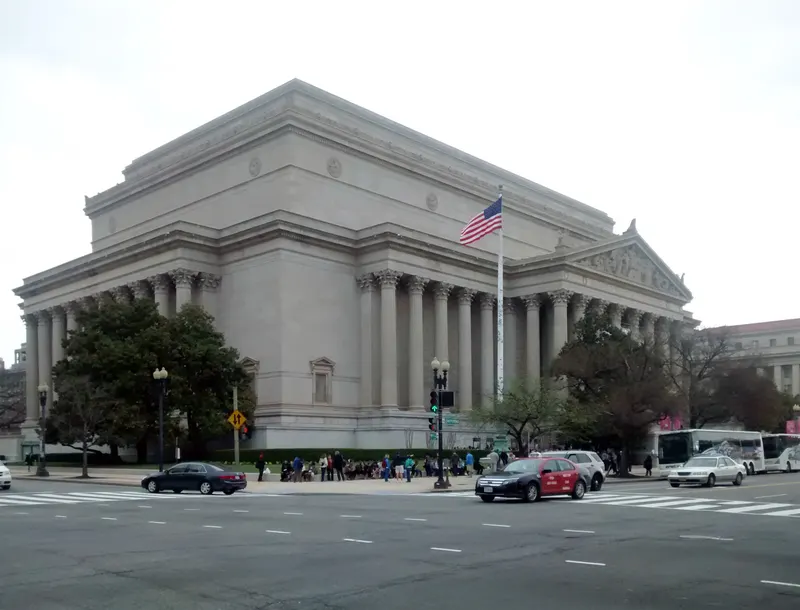
If you have one museum day on a first trip and want the most 'Washington' of museums, three stand out. The National Museum of American History keeps the original Star-Spangled Banner — the flag that flew over Fort McHenry — alongside the First Ladies' gowns, the Greensboro lunch counter and a sprawl of pop-culture Americana; it is the museum that most directly tells the national story. The National Archives, a short walk away, lets you stand before the actual Declaration of Independence, Constitution and Bill of Rights. And the National Museum of African American History and Culture is, for many visitors, the single most powerful museum in the city.
All three are free (the Archives uses optional timed-entry; African American History uses free timed-entry passes — verify both). Pair any two with a meal in Penn Quarter between them and you have a complete, deeply American museum day.
Best for families and kids
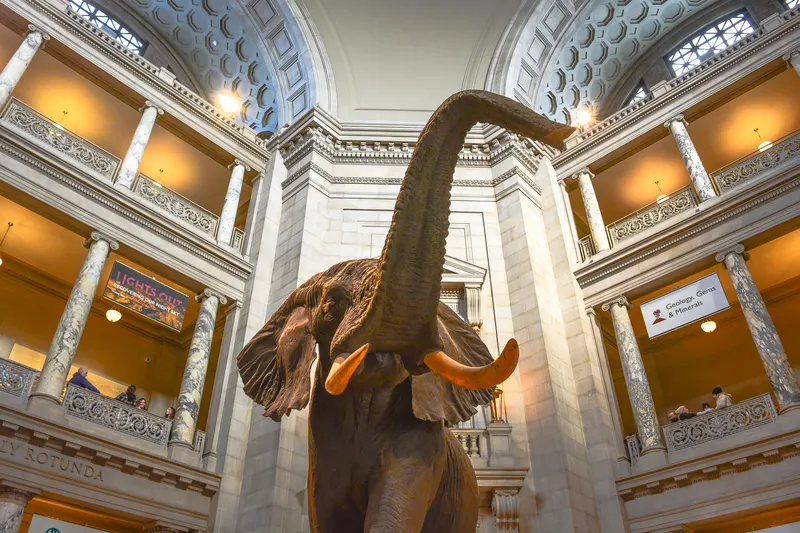
Two free museums do the heavy lifting with children. The National Museum of Natural History is the reliable winner — dinosaurs in the Hall of Fossils, the Hope Diamond, a live insect zoo and butterfly pavilion, and the giant ocean hall with its whale overhead. The National Air and Space Museum, mid-renovation but reopening galleries in phases, hangs the icons of flight and spaceflight from the ceiling and is catnip for any plane- or rocket-mad kid (it uses free timed-entry passes; verify, and note its larger sibling, the Udvar-Hazy Center, sits out near Dulles).
Beyond the free pair, the International Spy Museum (paid) is hugely popular with older children for its interactive missions, and the National Museum of the American Indian has a hands-on imagination station and one of the better museum food options on the Mall. The trick with kids is the same as with adults, only more so: one museum, then air and a snack outside, then maybe a second. Two short, happy museum visits beat one long miserable one.

Best for art lovers
The National Gallery of Art is the anchor: two buildings — the neoclassical West Building for old masters (including the only Leonardo da Vinci painting in the Americas) and the angular I. M. Pei East Building for modern art — joined underground, with a free Sculpture Garden outside and cafés within. It is free, encyclopaedic and easily a half-day on its own.
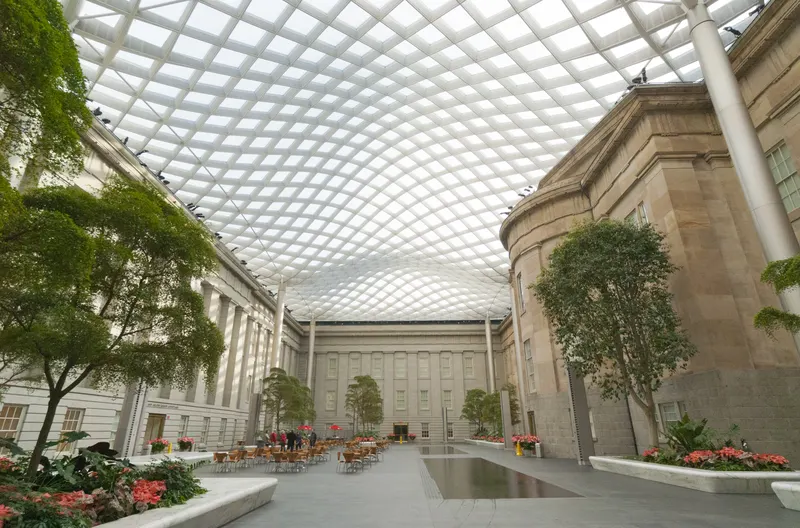
Around it, the choices sharpen by taste. The Hirshhorn Museum is the city's home for contemporary art, a free cylindrical building with a sculpture garden and high-demand timed installations. The National Portrait Gallery and the Smithsonian American Art Museum share one grand Penn Quarter building (with the restful glass-roofed Kogod Courtyard), where the presidential portraits draw the crowds. And the Renwick Gallery near the White House is a free, jewel-box museum of American craft and design that rarely overwhelms.
Best for history and reflection
Some DC museums are not for browsing but for bearing witness. The United States Holocaust Memorial Museum, just off the Mall, gives its permanent exhibition the weight and time it deserves; admission is free but timed-entry tickets are needed in busy seasons, and it offers age guidance for younger visitors (verify current ticketing). It is one of the most affecting experiences in the city and should be planned, not squeezed in between lighter stops.
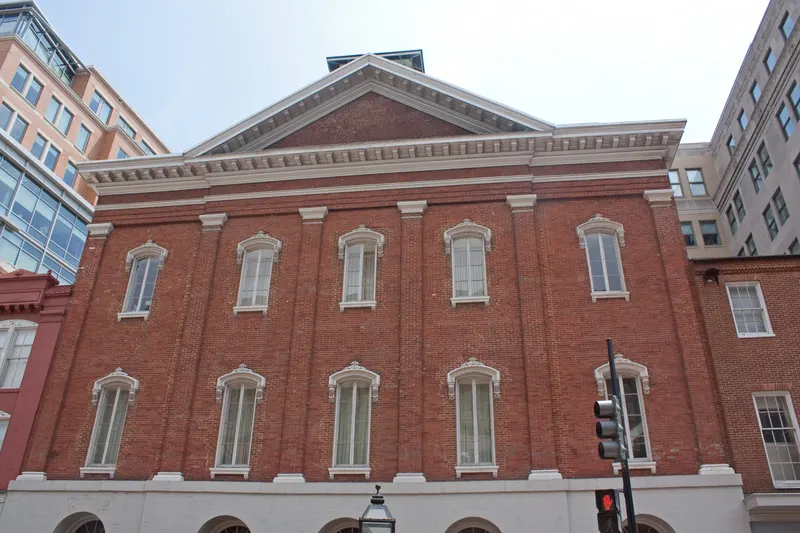
Pair it thoughtfully rather than back-to-back with other heavy museums. The African American History museum (above) shares that register; Ford's Theatre, where Lincoln was shot, combines a small museum, the preserved theatre and the Petersen House across the street into a concentrated, moving hour downtown. Give these the emotional room they ask for, and balance them in your itinerary with something lighter the same day.
Best paid museums (worth the ticket)
With so much free, a paid museum has to earn its ticket — and a few do. The International Spy Museum, in its purpose-built building near L'Enfant Plaza and The Wharf, leans into interactive gadgetry and undercover missions and is a genuine hit with teens and gadget-minded adults (timed tickets; verify pricing). It is the rare paid museum most visitors come out of grinning.
Beyond it, the calculus is personal. Planet Word, an immersive museum about language, charges a suggested donation and delights word-lovers and families. The Phillips Collection in Dupont Circle — America's first museum of modern art, home to Renoir's Luncheon of the Boating Party — charges for special exhibitions and is a calm, couple-friendly alternative to the Mall crowds. Decide where your interest is strongest, because you could fill a whole trip on free museums alone and never feel short-changed.


Museums as a rainy-day plan
Washington's museums are also its weather insurance. When the summer heat turns brutal or the rain sets in, the Mall's free museums become a string of cool, dry, indoor days you can cross between with minimal exposure — and many connect to Metro stations within a block or two. The National Gallery's two buildings link underground, so you can spend a whole wet afternoon there without stepping outside.
If you are planning around weather, build a museum-heavy day for the bad-weather window and save the monuments and Tidal Basin for the clear one. Penn Quarter is especially good for this: the Portrait Gallery, the American Art Museum, the Archives, Ford's Theatre and the Spy Museum all sit within a short, partly-sheltered walk of each other and of restaurants for a long indoor day.

Tickets, timing and a sane plan
A few practical rules make any museum day better. Arrive at opening or in the last couple of hours, when the big halls are calmest. Book the free timed-entry passes you need before you arrive (African American History and Air and Space are the usual ones; the Archives and Library of Congress sometimes use timed reservations too) and double-check the current process on each official site close to your trip — ticketing in DC changes from season to season.
Then pick a number and stick to it: two museums in a day is comfortable, three is a stretch, four is a recipe for remembering nothing. Choose by the topics above, pair each with a meal and a monument, and let the free admission free you from the urge to stay until closing. You will see less of any one museum than you could — and far more of the city than the visitor who tried to see it all.
A last word on the Smithsonian myth: there is no single 'Smithsonian ticket' and no need for one, because nearly all of them are simply free and open. Where a museum does use passes, they're free too — the cost is planning, not money. So the best museums in Washington reward the same thing the rest of the city does: an unhurried traveller who chooses a few things, sees them well, and trusts that the rest will still be here next time. Pick your two or three, double-check their hours and any passes on the official sites close to your trip, and let the city's astonishing, free generosity do the rest.



Related guides
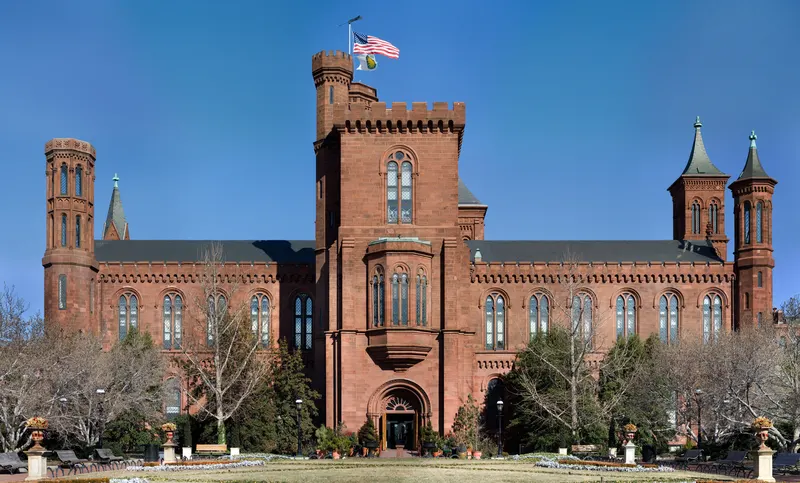
Smithsonian Museums Guide
How to plan a sane day across Washington's free Smithsonian museums — which to prioritise by interest and age, which need free timed-entry passes, how long each really takes, where to eat, and how the buildings line up along the National Mall.
Read guide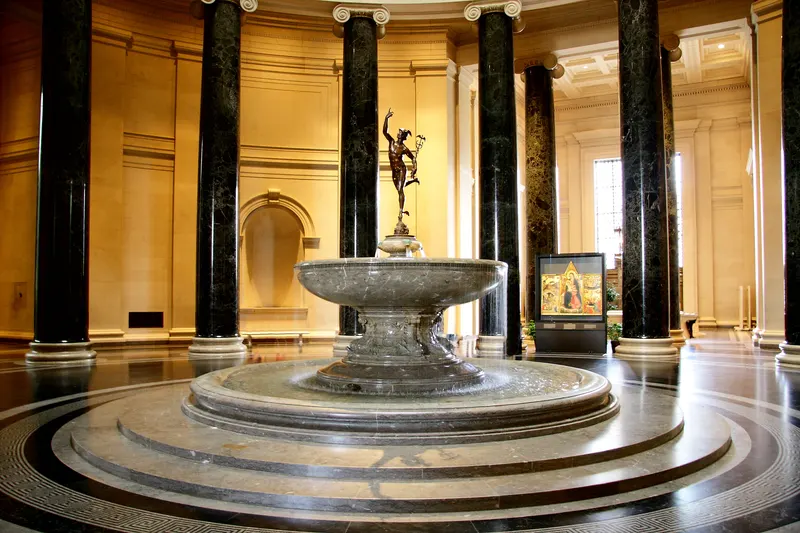
National Gallery of Art Guide
How to plan an art-focused day at the National Gallery of Art in Washington — the neoclassical West Building, I. M. Pei's modern East Building, the Sculpture Garden, the cafés between them, free admission, and how to see the highlights without burning out.
Read guide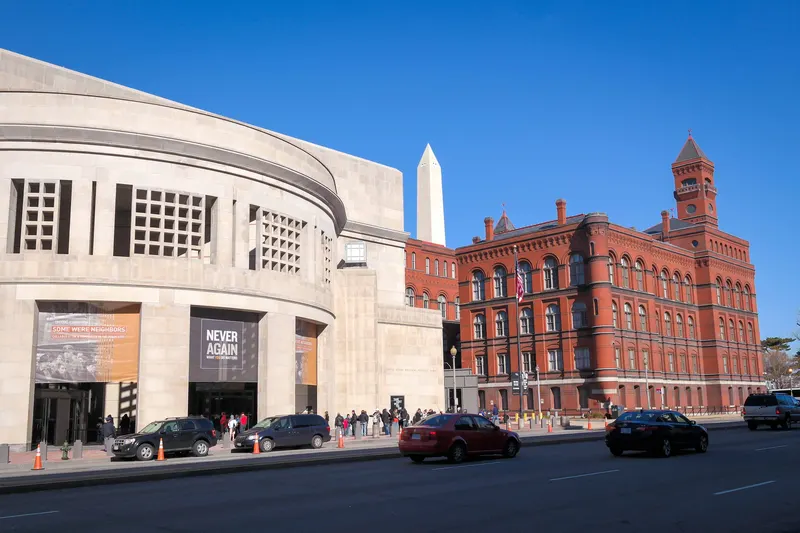
Holocaust Museum Guide
How to plan a visit to the United States Holocaust Memorial Museum in Washington — free admission, the timed-entry passes the Permanent Exhibition requires in busy season, realistic age guidance, what to expect, and how to visit with the care the subject deserves.
Read guideMore in Things to Do
6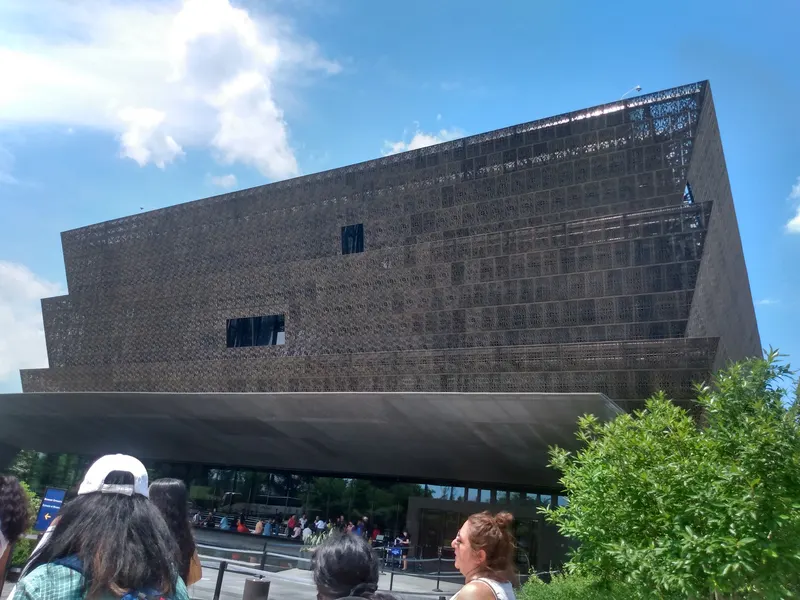
African American History Museum Guide
How to visit the National Museum of African American History & Culture on the Mall — the free timed-entry passes and how to get one, the deep underground history galleries, Sweet Home Café, the lines, how to pace an emotionally heavy visit, and the walk along the Mall.
Read guide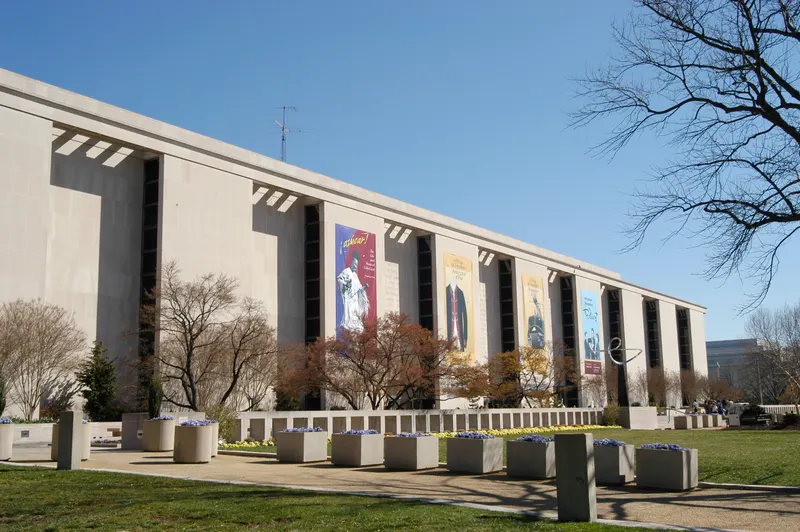
American History Museum Guide
How to visit the National Museum of American History on the Mall — the original Star-Spangled Banner, the First Ladies' gowns, the American presidency, the pop-culture icons, the food-court logistics, and how to time a visit around the school groups.
Read guide
Best Photography Spots in Washington, D.C.
Where to make great photographs in Washington — the monument reflections, the Tidal Basin blossoms, the Capitol and Lincoln axis, Georgetown's waterfront, hidden rooftops and the golden-hour and blue-hour routes that tie them together.
Read guide
Best Things to Do in Washington, D.C.
A ranked first-trip shortlist of the best things to do in Washington, D.C. — from the National Mall and the free Smithsonian museums to a Capitol tour, the Tidal Basin and Georgetown — built so you can pick a handful and still feel you saw the city.
Read guide
Best Viewpoints in Washington, D.C.
Where to find the best views in Washington — the high monuments and free towers, the rooftop bars and cultural terraces, and the river and hilltop overlooks across the Potomac, ranked by how much effort each one asks.
Read guide
Best Washington, D.C. Tours
When a tour is genuinely worth it in Washington and when the city is better free and self-guided — monument night tours, bike and Segway loops, food and neighbourhood walks, official Capitol and government-building tours, and the day trips that need a coach.
Read guide