
Washington, D.C. Food Tours
How to choose a Washington, D.C. food tour — by neighbourhood, by history angle, by group size and budget — and when a guided tasting walk genuinely beats finding your own way around the city's plates.

Photo: Adrien Olichon / Unsplash
- ✓A good food tour does double duty: a few hours of tastings and a walking history of the neighbourhood it moves through — you eat and you learn the city at once.
- ✓Choose by neighbourhood and angle, not by a single 'best' tour: U Street and Shaw for Ethiopian and Black-Broadway history, Eastern Market and Capitol Hill for the market, the Wharf for seafood.
- ✓Tours usually run a couple of hours, include several tasting stops, and replace a meal — come hungry and don't book dinner right after.
- ✓Small-group and private tours cost more but go deeper; large-group walks are cheaper and more social. Pick for your party.
- ✓Book ahead, especially on weekends and in cherry-blossom season; popular tours sell out.
- ✓Operators, routes and prices change; confirm what's currently running and what's included on the tour company's own site before booking.
What a DC food tour actually gives you
A food tour is one of the more efficient pleasures of a Washington trip, because it does two jobs at once. You spend a few hours tasting your way through a neighbourhood — a string of small plates and bites at several stops — while a guide walks you through the history, the immigrant communities and the stories behind the food. For a first-time visitor, it's a fast, enjoyable way to understand a corner of the city you'd otherwise just pass through, and a low-risk way to discover places you'd never have found alone.
It's worth being clear about what a tour is and isn't. It's not the cheapest way to eat — you pay for the curation and the guiding as much as the food — and it usually replaces a meal rather than adding to one, so you should arrive genuinely hungry and not plan a big dinner immediately after. What you're buying is context and discovery: the connective tissue between the dishes, and a few addresses to return to on your own. Judged on those terms, the right tour is excellent value.
There's also a romance to the format that's easy to underrate. Washington can feel like a city of institutions and marble, all business by day, and a food tour quietly flips that — it drops you into the lived-in, neighbourhood side of the capital, the corner where a half-smoke stand has fed students and presidents at the same counter for decades, the market where families have shopped on Saturday mornings for a century and a half. You come away not just fed but oriented, with a sense of which part of the city you'd want to come back to for a slow evening of your own.

Choosing by neighbourhood
The single most important choice is which neighbourhood the tour covers, because DC eats by corridor and each one tells a different story. Match the area to what you most want to taste and learn:
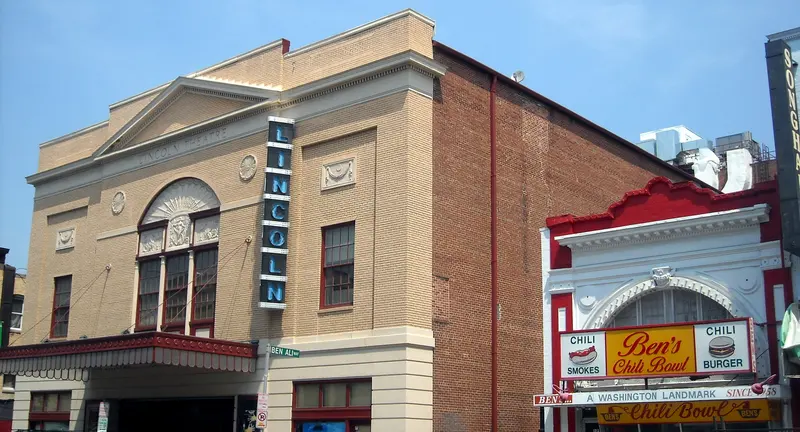
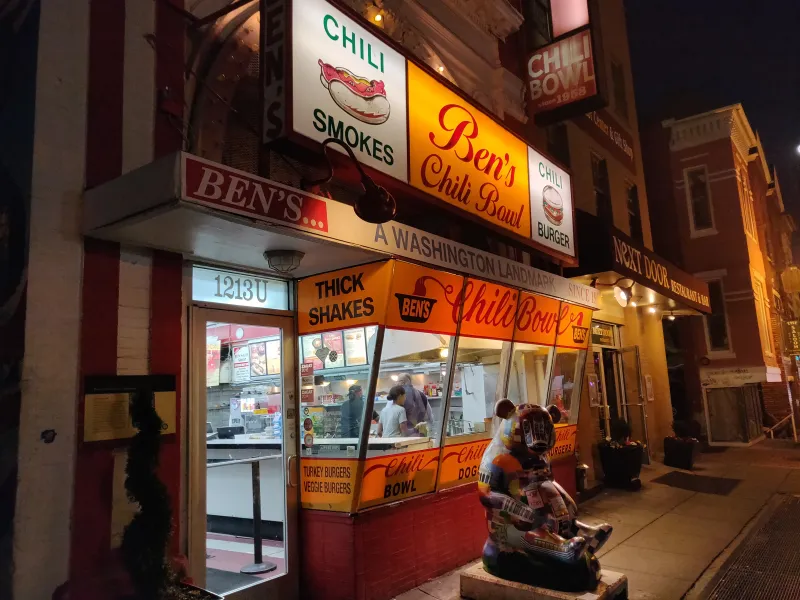
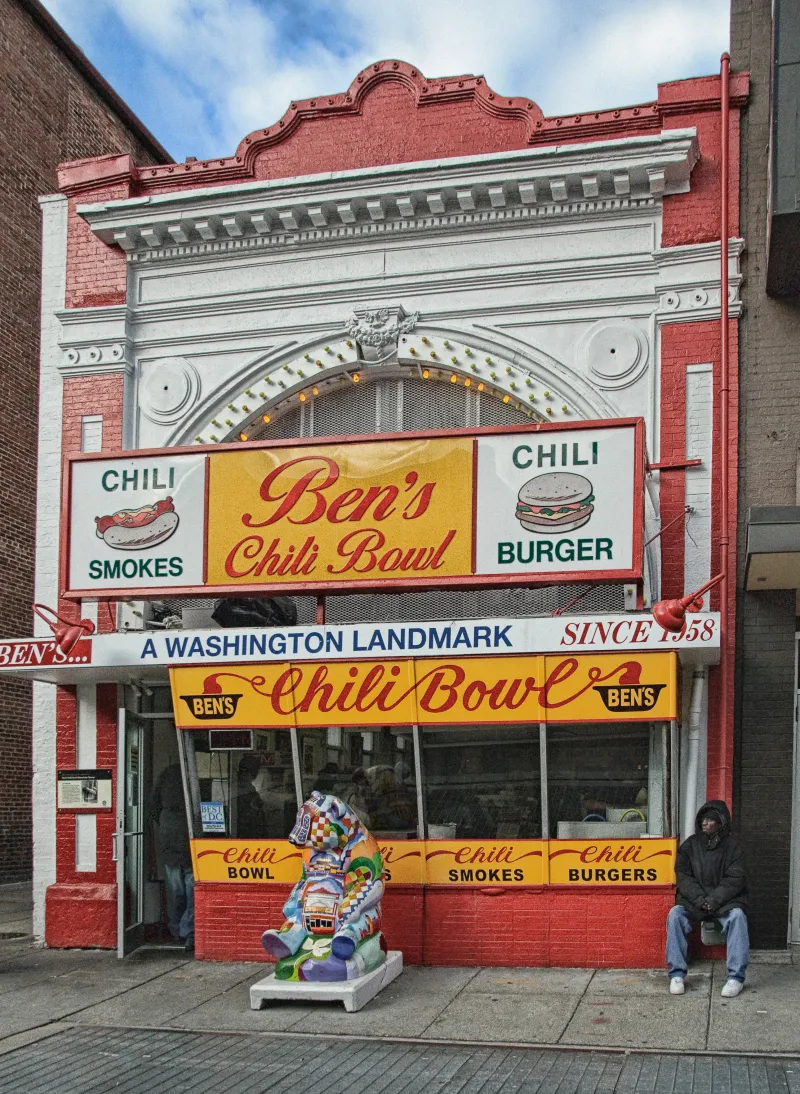
- U Street & Shaw — the richest pairing of food and history: the half-smoke at Ben's Chili Bowl, the Ethiopian corridor, and the 'Black Broadway' story of Black Washington. The most distinctly DC tour.
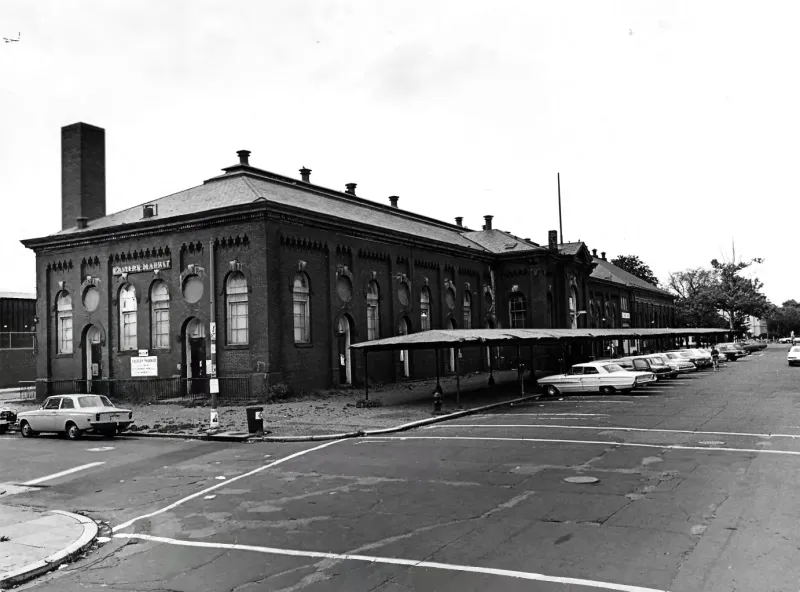
- Eastern Market & Capitol Hill — the city's oldest public market, weekend stalls and a relaxed, local-feeling route in the shadow of the Capitol.
- The Wharf & Southwest Waterfront — seafood-led, with the working fish market and the Potomac as a backdrop.
- Georgetown — historic taverns, sweets and the waterfront, wrapped in the cobbled, eighteenth-century streetscape.
- Penn Quarter & Downtown — central and walkable, often mixing chef-driven spots with the area's history and museums.
- Union Market / NoMa — a food-hall-anchored grazing route through one of the city's newer eating districts.
Choosing by angle: history, dishes or drinks
Beyond the map, food tours come in flavours of their own. Some lean hard into history and culture — the immigrant story of a neighbourhood, the civil-rights heritage of U Street, the evolution of the city's markets — and use the food as a way into the past. Others are more straightforwardly culinary, built to maximise the number and quality of the tastings. A few specialise: dessert-and-sweets crawls, coffee tours, beer or cocktail walks, or single-cuisine deep dives.
Decide which you're after before you book. If you want to understand Washington, choose a history-forward tour through Shaw or Capitol Hill. If you mainly want to eat well and discover restaurants, pick a tastings-led route through a dense food neighbourhood. If you're travelling for a specific interest — sweets, craft beer, a particular cuisine — there's likely a niche tour for it. The descriptions on operators' sites are usually honest about where the emphasis lies, so read them carefully rather than assuming all tours are alike.
There's also the self-guided alternative, which suits some travellers better than any booked tour. DC's food neighbourhoods are compact and Metro-served, the dishes to chase are well documented, and nothing stops you from building your own tasting walk: a half-smoke at Ben's Chili Bowl on U Street, an Ethiopian platter in the Shaw corridor, pupusas in Adams Morgan, a graze through Union Market or La Cosecha in NoMa, and a market lunch at Eastern Market on a Saturday — with the Eden Center's Vietnamese food court in Falls Church for anyone willing to ride out a few stops. A guided tour buys you the stories and the curation; a self-guided crawl buys you flexibility and a lower bill. If you're a confident, curious eater on a budget, the do-it-yourself route can be just as rewarding — and our neighbourhood and dish guides are written to make exactly that easy.
Group size, budget and who each tour suits
Tours also vary by format, and the right one depends on your party. Large-group walking tours are the most affordable and the most social — you'll meet other travellers and the per-head cost is lower, at the trade-off of less flexibility and a more scripted route. Small-group tours cost more but move nimbly, get into smaller venues, and let the guide tailor the patter. Private tours are the priciest but ideal for a family, a celebration or anyone who wants the route and pace built around them.
Think about who's coming. For a couple or solo traveller, a small-group tour balances cost and depth nicely. For a family, check the minimum age and whether the tastings suit kids — a market-based tour is usually the most child-friendly. For a special occasion or a group of friends, a private or small-group tasting walk is worth the splurge. And whatever the format, factor in the food itself: most tours include enough tastings to stand in for a meal, so budget for the tour to be lunch or dinner rather than an extra on top.
Timing matters too. A tour is a particularly good early move on a trip, because the orientation it gives you pays off across the days that follow — you learn the lie of a neighbourhood and the dishes worth your money while you still have time to act on it. Midday tours double as a structured lunch on a day you'd otherwise wander hungry; evening tours can roll naturally into drinks or live music, especially on the U Street corridor. Avoid booking one for the same day as a heavy, all-day museum push, though, because food tours involve real walking and you don't want to arrive footsore and unable to enjoy the eating.


Booking smart and a final word
A few practical habits make for a smoother tour. Book ahead — the good ones sell out, especially on weekends and through the cherry-blossom and autumn peaks. Arrive hungry and skip the big meal beforehand. Wear comfortable shoes; these are walking tours, sometimes a mile or more on foot. Flag dietary needs when you book, since most operators can accommodate vegetarians and allergies with notice but need the heads-up. And tip the guide if the tour was good, as you would any guided experience.
It's also worth a quick word on weather and season, because DC's climate shapes the experience. These are mostly outdoor walking tours, and the city's summers are genuinely hot and humid — a midday August tour is hard work, so favour morning or evening slots in high summer and carry water. Spring and autumn are the sweet spots, comfortable for walking and beautiful in the neighbourhoods; cherry-blossom season is glorious but books out early across every kind of tour, so reserve well ahead if you're visiting then. Winter tours run too, often with the bonus of smaller groups, just dress for the cold between stops.
Finally, the standard DC caveat, which matters more for tours than almost anything else on this site: operators, routes, stops and prices change constantly, and a venue on a tour today may have closed by next season. So treat the neighbourhoods and angles here as the durable guidance, and confirm the live details — what's running, what's included, the meeting point and the price — on the tour company's own current listing before you book. Get that right and a food tour can be the most memorable, and most delicious, few hours of a Washington trip.
 Best restaurants in DC
Turn the addresses a tour reveals into a full eating plan for the rest of your trip.
 Georgetown restaurants
Where to eat on your own after a Georgetown food tour, by the waterfront and beyond.
 Food & drink in DC (hub)
Back to the overview of how and where to eat across the capital.

Related guides
Iconic Washington, D.C. Foods
The dishes that actually taste like Washington, D.C. — the half-smoke and mumbo sauce, the Ethiopian injera feasts of Shaw, Chesapeake blue crab and Old Bay, Senate bean soup, Salvadoran pupusas and the jumbo slice — what each one is, where the tradition lives, and how to order it.
Read guide
Best Washington, D.C. Tours
When a tour is genuinely worth it in Washington and when the city is better free and self-guided — monument night tours, bike and Segway loops, food and neighbourhood walks, official Capitol and government-building tours, and the day trips that need a coach.
Read guideGeorgetown Restaurants Guide
Where to eat in Georgetown, Washington — waterfront dining at Georgetown Harbour, candlelit date-night restaurants on the historic side streets, cafés and bakeries for a shopping break, student-friendly eats, and how to handle reservations and the no-Metro logistics.
Read guideMore in Food & Drink
6
Adams Morgan & U Street Nightlife
How to have a great night out in Washington, D.C. — comparing the two big going-out districts, Adams Morgan and the U Street / Shaw corridor: live music and jazz, cocktail bars and dives, rooftops, late-night food, and how to get home safely by Metro, bus and ride-hail.
Read guide
Best Brunch in Washington, D.C.
Where to brunch in Washington, D.C. — the best brunch neighbourhoods, how reservations and bottomless deals work, family-friendly picks and the smartest way to plan a slow weekend morning around the city's sights.
Read guide
Best Cocktail Bars in Washington, D.C.
Where to drink well in Washington, D.C. — the city's craft cocktail bars by mood and neighbourhood, from date-night rooms and grand hotel bars to speakeasy-style hideaways, with advice on reservations, timing and dressing the part.
Read guide
Best Coffee & Cafés in Washington, D.C.
A guide to coffee in Washington, D.C. — the local specialty roasters, the work-friendly cafés, the museum-adjacent stops near the Mall, and which neighbourhoods have the densest coffee clusters, plus how to find a good cup on a sightseeing day.
Read guide
Best Ethiopian Food in Washington, D.C.
Why Washington is one of America's great Ethiopian eating cities — where to find it in Shaw and on U Street, how to order injera and shared platters, the vegan fasting feast, and how to fit an Ethiopian dinner into a DC trip.
Read guide
Best Food Halls & Markets in Washington, D.C.
The best food halls and public markets in Washington, D.C. — Union Market in NoMa, historic Eastern Market on Capitol Hill, the Wharf's Municipal Fish Market and more. The easiest group, family and indecisive-table meals in the city, with what to eat and when to go.
Read guide