
Shaw & U Street Guide
How to explore Shaw and the U Street corridor in Washington — the 'Black Broadway' heritage of Duke Ellington and the Lincoln Theatre, the half-smoke at Ben's Chili Bowl, the city's Ethiopian dining, live music and jazz, nightlife, and Metro-friendly hotels.
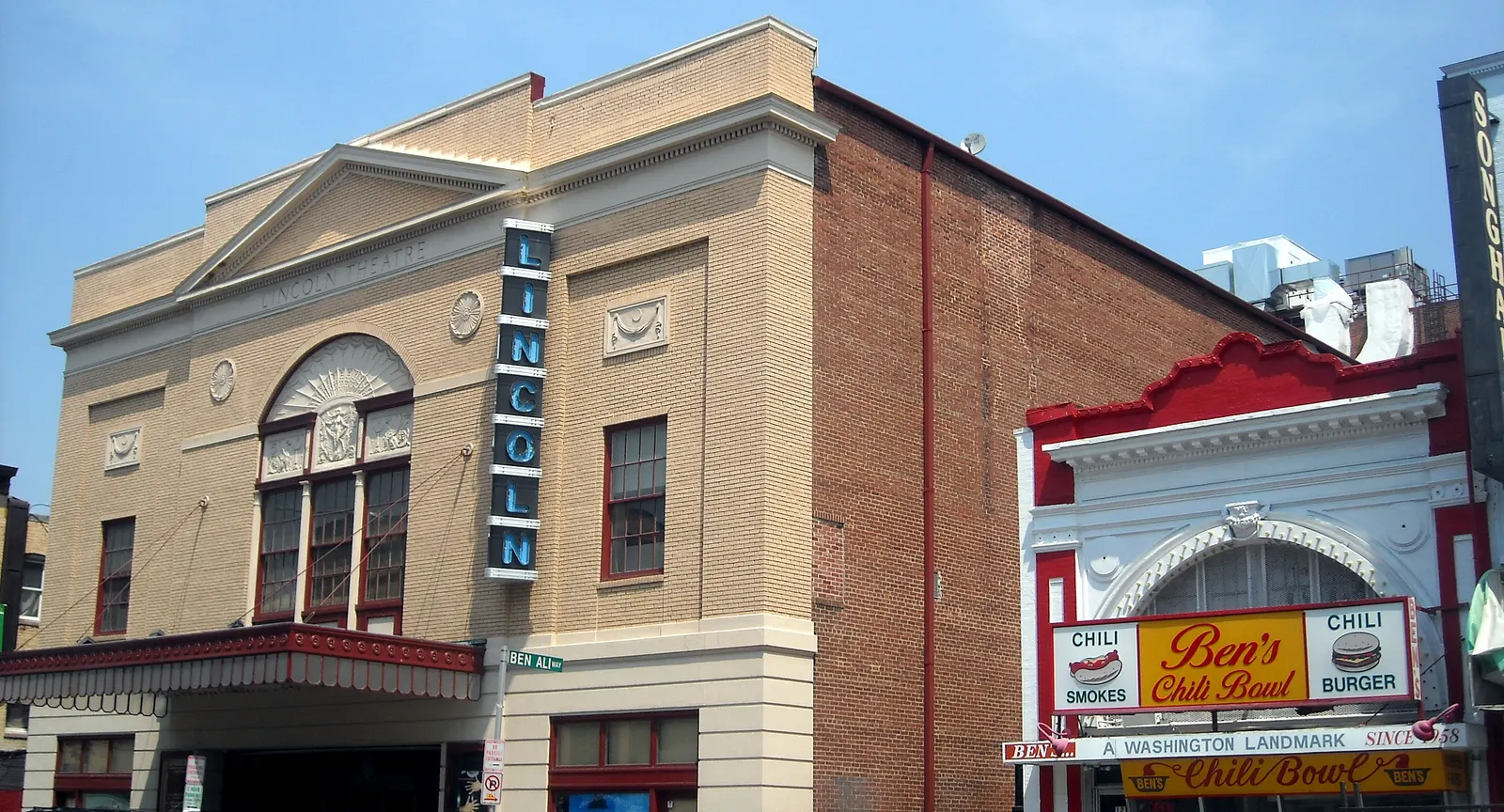
- ✓Shaw and the U Street corridor form one of DC's most storied neighbourhoods — the historic 'Black Broadway', cradle of the city's African American cultural and musical life, and Duke Ellington's home turf.
- ✓U Street is anchored by landmarks like the restored Lincoln Theatre, the African American Civil War Memorial, and Ben's Chili Bowl, home of the famous DC half-smoke.
- ✓It holds one of the largest Ethiopian dining scenes in the country, alongside a deep run of restaurants, jazz and live-music venues and a busy nightlife.
- ✓Two Green/Yellow Line Metro stations — U Street and Shaw–Howard U — make it one of the better-connected nightlife districts to stay in or visit.
- ✓It's a strong base for music lovers, food-led travellers and anyone wanting a neighbourhood with real history and a lively evening scene.
Black Broadway and the city's cultural heart
Few neighbourhoods carry as much history as Shaw and U Street. In the late nineteenth and early twentieth centuries this was the centre of Black Washington — a thriving district of theatres, clubs, businesses and institutions that earned U Street the name 'Black Broadway'. It was home to a flourishing jazz culture and to figures like Duke Ellington, who grew up here, and it remained the spiritual and cultural heart of African American DC for generations. To walk U Street today is to walk through that history, much of it marked, restored and still living in the venues and restaurants along the way.
The twentieth century was hard on the corridor — the 1968 unrest that followed the assassination of Dr King hit U Street directly, and decades of decline followed — but the neighbourhood has been comprehensively revived. Today Shaw and U Street blend that deep heritage with a contemporary scene of restaurants, bars, music venues and new development. The result is one of the most characterful, layered parts of the city: a place where the half-smoke counter, the jazz club, the Ethiopian kitchen and the cocktail bar sit within a few blocks of each other. For a fuller treatment of the food roots here, the iconic-DC-foods guide is a good companion.


The landmarks: history you can walk
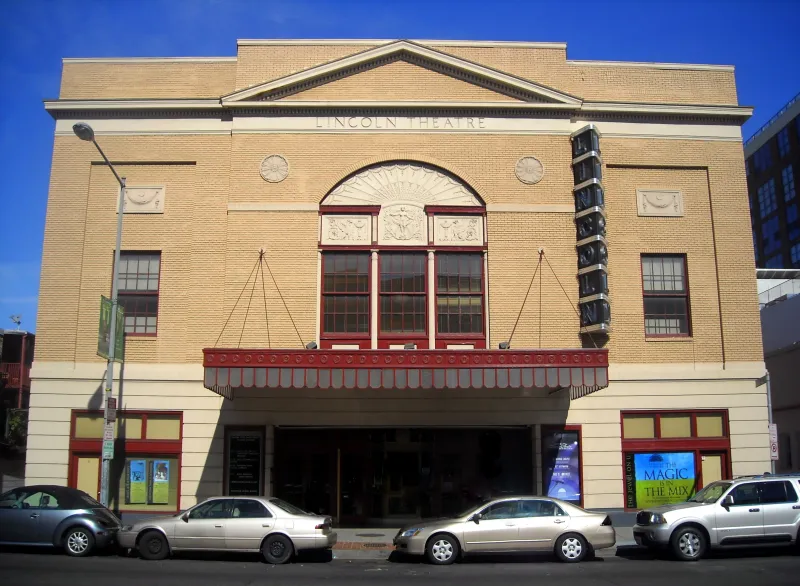
U Street's history is unusually visible, and a slow walk along the corridor is the best way to take it in. The Lincoln Theatre, beautifully restored, was once a flagship of Black Broadway and still hosts performances; alongside it the True Reformer Building and other heritage structures mark the era's Black-owned institutions. At the corner by the U Street Metro, the African American Civil War Memorial honours the United States Colored Troops, with an adjoining museum telling their story — a moving, often overlooked stop.
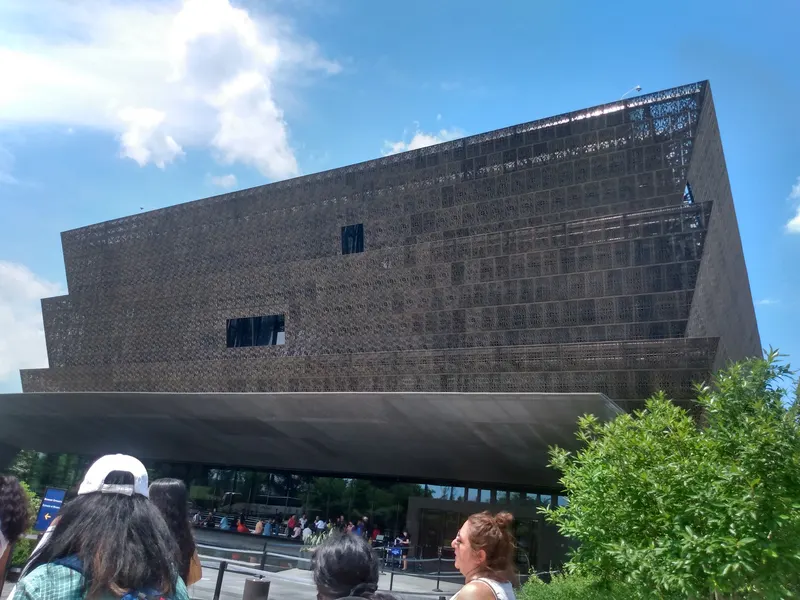
And then there's Ben's Chili Bowl, the half-smoke institution that has anchored the corner since the mid-twentieth century, survived the lean decades, and become a genuine DC landmark — the place to eat the city's signature half-smoke, a coarse, smoky sausage smothered in chili. Together these landmarks make a free, self-guided walk through the neighbourhood's story, and they pair naturally with a wider exploration of the city's African American history at the Smithsonian's museum on the Mall.
- The restored Lincoln Theatre, a flagship of Black Broadway, still hosts performances — check current programming.
- The African American Civil War Memorial and Museum sit by the U Street Metro — a moving, often-missed stop.
- Ben's Chili Bowl is the DC half-smoke institution and a true landmark of the corridor.
- The True Reformer Building and other heritage structures mark the area's Black-owned history.
Food: Ethiopian DC and beyond
Shaw and U Street are the epicentre of one of the largest Ethiopian dining scenes in the United States — so concentrated, historically, that part of the area has been nicknamed 'Little Ethiopia'. Sharing injera and spiced stews here is one of the essential DC food experiences, and the neighbourhood is the obvious place to do it, with a long run of restaurants to choose from. If you eat one new thing in Washington, an Ethiopian meal in Shaw is the strongest candidate.
But the food here goes well beyond that. The corridor and the streets of Shaw hold an ambitious, ever-changing restaurant scene — modern American kitchens, a food hall, coffee roasters, bakeries and bars — alongside the half-smoke counters and old institutions. It's one of the city's best eating neighbourhoods full stop, and a natural base for a food-led trip, with Adams Morgan's brunch scene and global food a short hop north. Because openings change quickly, check current spots rather than a fixed list, and lean on the Ethiopian and what-to-eat guides for the staples.
- Shaw / U Street has one of the largest Ethiopian dining scenes in the US — an essential DC meal.
- The wider scene runs from modern American kitchens to a food hall, bakeries and coffee roasters.
- Ben's Chili Bowl and the half-smoke are the classic order.
- Openings change fast — check current spots; lean on the Ethiopian and what-to-eat guides for staples.

Music, jazz and nightlife
Music is in the DNA of U Street, and the corridor remains one of the best places in the city to hear it live. The neighbourhood holds a cluster of music venues — from intimate jazz rooms carrying on the Black Broadway tradition to mid-size halls hosting touring acts — plus bars with live sets and DJs. The annual DC Jazz Festival and other music events often touch the area, and on most nights of the week you can find something playing within walking distance. For travellers who love live music, this is the neighbourhood to base a night around.
The nightlife is broader than music alone. U Street and the surrounding Shaw and Logan Circle blocks hold a dense, varied bar scene — cocktail bars, dives, rooftops and dance floors — that pairs with Adams Morgan as the city's two great going-out districts. It runs later and feels more grown-up and music-led than the student crush of 18th Street, which many prefer. The venue line-up turns over, so check current listings, but the geography is forgiving: walk U Street and the blocks around it and you'll find your evening.
- A cluster of jazz rooms and music venues carries on U Street's live-music tradition — check listings.
- The DC Jazz Festival and other music events often touch the corridor (verify dates).
- The bar scene runs later and feels more music-led and grown-up than Adams Morgan's strip.
- It's a centre of LGBTQ+ nightlife, especially around U Street and Logan Circle.
Howard University and the wider Shaw heritage
Anchoring the neighbourhood to the north is Howard University, one of the most prominent historically Black universities in the country and a cornerstone of the area's identity since the nineteenth century. Its presence — students, alumni, a long intellectual and civil-rights legacy — has shaped Shaw for generations, and it remains a living part of the neighbourhood rather than a relic. The wider Shaw district around it carries the same depth of history: churches, social institutions, the homes of notable Washingtonians and the bones of a once-thriving Black business and cultural quarter, much of it now restored or marked.
For a visitor, this means Shaw and U Street reward curiosity beyond the bars and restaurants. Walking the side streets, you pass beautifully kept rowhouses, historic churches and plaques that fill in the story the headline landmarks only sketch. The neighbourhood has gentrified and changed significantly in recent decades — a real and sometimes contested transformation — but the heritage is still legible if you slow down to look. Pairing a meal or a show with even a short heritage walk turns an ordinary night out into a sense of the city's deeper history.
- Howard University, a leading historically Black university, anchors the neighbourhood and shapes its identity.
- Shaw's side streets hold historic churches, restored rowhouses and the bones of a once-thriving Black cultural quarter.
- The area has gentrified and changed a great deal in recent decades — a real, sometimes contested transformation.
- Pair a meal or show with a short heritage walk to feel the neighbourhood's deeper history.
Where to stay, and who it suits
Shaw and U Street have grown a solid set of places to stay, from design-led boutique hotels and newer full-service properties to guesthouses and rentals in the rowhouses. Crucially — and unlike Adams Morgan — the area has its own Metro stations, so you get the lively neighbourhood and the transit. Staying here puts the music, the Ethiopian food, the nightlife and a genuine sense of place on your doorstep, with the Mall a short ride away. It suits music and food lovers, younger and night-out-minded travellers, and anyone wanting a characterful base over a generic downtown room.
The trade-offs are the usual nightlife ones: weekend nights are busy and can be loud near the main bar blocks, so light sleepers should choose carefully, and it's a residential, evolving neighbourhood rather than a polished tourist zone — which is the appeal for some and not for others. Families and travellers wanting a quiet, monument-adjacent base often prefer Foggy Bottom or Penn Quarter. Weigh it against the alternatives in the where-to-stay guide before booking.
- Stays range from boutique and full-service hotels to guesthouses and rentals; the area has its own Metro stops.
- Best for music, food and nightlife lovers wanting a characterful, well-connected base.
- Weekend nights are busy near the bar blocks — light sleepers should pick a quieter street.
- Families and quiet-seekers may prefer Foggy Bottom or Penn Quarter, with the Mall closer.

Getting there and getting around
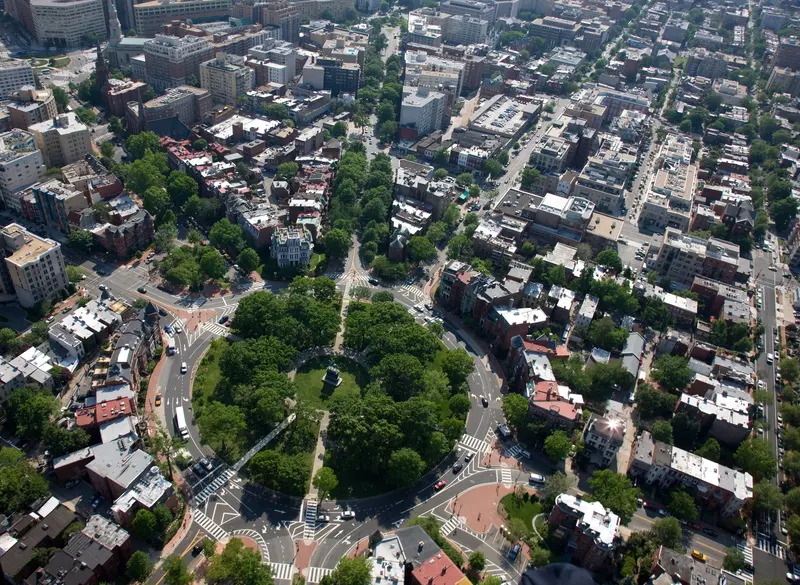
Transit is one of the corridor's quiet advantages. Two stations on the Green and Yellow lines — U Street/African-American Civil War Memorial/Cardozo and Shaw–Howard University — sit right in the neighbourhood, linking it directly to the Mall, the convention centre, Gallery Place downtown and beyond. That makes Shaw and U Street far easier to stay in and move around than nightlife districts without their own stop. A SmarTrip card covers Metro and bus across the system.
Within the area everything is walkable, strung along U Street and through the Shaw grid, with Logan Circle and 14th Street's restaurants an easy walk south and Adams Morgan a short hop northwest. Bike-share docks are plentiful for daytime exploring. For late nights, check current rail service before relying on the Metro home, since the bars run later than the trains; buses and ride-hail fill the gap. Driving and parking are doable but unnecessary given the two stations.
- U Street and Shaw–Howard U (Green/Yellow lines) sit in the neighbourhood, linking directly to the Mall and downtown.
- Everything is walkable along U Street and through Shaw; Logan Circle, 14th Street and Adams Morgan are close.
- Bike-share is plentiful for daytime exploring.
- For late nights, verify rail service before relying on it home; buses and ride-hail fill the gap.
Common questions
What is 'Black Broadway'? It's the historic nickname for U Street, once the thriving cultural and entertainment heart of Black Washington — theatres, clubs, businesses and a famous jazz scene, including Duke Ellington's home ground.
What should I eat here? An Ethiopian meal is the signature experience, given the area's huge Ethiopian scene; and a half-smoke at Ben's Chili Bowl is the classic DC order.
Is there a Metro stop? Yes — U Street and Shaw–Howard U on the Green/Yellow lines sit right in the neighbourhood, which makes it easy to stay in and reach.
Is it good for nightlife? Very — it's one of the city's two great going-out districts, with jazz and live music plus a deep bar scene, running later and more music-led than Adams Morgan.
Is it a good area to stay? Yes for music, food and nightlife lovers wanting character and transit; families and quiet-seekers may prefer Foggy Bottom or Penn Quarter.
Can I walk to the Mall? It's a short Metro ride rather than a walk, but the connection is direct and quick from both stations.
Related guides
Adams Morgan & U Street Nightlife
How to have a great night out in Washington, D.C. — comparing the two big going-out districts, Adams Morgan and the U Street / Shaw corridor: live music and jazz, cocktail bars and dives, rooftops, late-night food, and how to get home safely by Metro, bus and ride-hail.
Read guide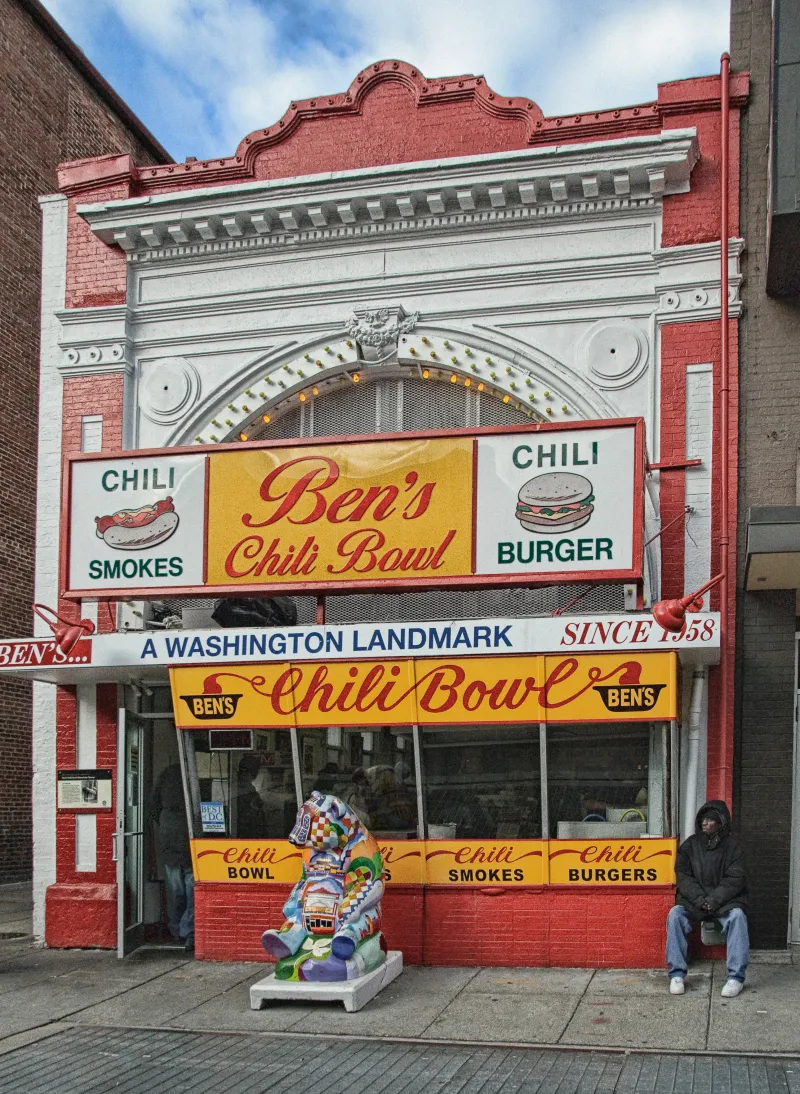
Iconic Washington, D.C. Foods
The dishes that actually taste like Washington, D.C. — the half-smoke and mumbo sauce, the Ethiopian injera feasts of Shaw, Chesapeake blue crab and Old Bay, Senate bean soup, Salvadoran pupusas and the jumbo slice — what each one is, where the tradition lives, and how to order it.
Read guide
Capital Pride, Washington, D.C.
How to do Pride in the capital — Capital Pride's parade and festival, the historic Dupont Circle and Logan Circle/14th Street scene, U Street nightlife, where to stay, how to get around, and inclusive, practical planning for a busy June weekend.
Read guideMore in Washington, D.C. Neighbourhoods Guide
6
Adams Morgan Guide
How to enjoy Adams Morgan in Washington — the city's most diverse, nightlife-heavy neighbourhood: the 18th Street bar strip, global and late-night food, big weekend brunches, murals and rowhouses, boutique stays, and when it's the right base for visitors.
Read guide
Capitol Hill, Washington, D.C.
The neighbourhood behind the dome — Capitol Hill's pastel rowhouses, the U.S. Capitol and Library of Congress, the weekend bustle of Eastern Market, the Barracks Row restaurants and the family-friendly, residential character that makes it one of the best bases in the city.
Read guide
Downtown & Penn Quarter, Washington, D.C.
The most central place to stay in Washington — Penn Quarter and the surrounding downtown, where the free museums, the big theatres, the arena, the restaurants and four Metro lines all sit within a few walkable blocks of the National Mall.
Read guide
Dupont Circle, Washington, D.C.
Washington's most characterful and convenient base for visitors who want a real neighbourhood — Embassy Row, the Phillips Collection, the bookshops and cafés around the fountain, the city's historic LGBTQ+ heart, and a Metro-connected nightlife that doesn't depend on the Mall.
Read guide
Foggy Bottom Guide
How to use Foggy Bottom as a Washington base — the Kennedy Center, George Washington University, the Potomac riverfront, walkable access to the White House and west end of the Mall, hotels and the Metro logic of staying just west of the federal core.
Read guide
Georgetown, Washington, D.C.
Washington's prettiest and oldest neighbourhood — the cobbled streets and federal row houses of Georgetown, the C&O Canal towpath, the Potomac waterfront, the shopping spine of M Street and Wisconsin Avenue, and the honest trade-off of staying somewhere with no Metro of its own.
Read guide