
Capitol Hill, Washington, D.C.
The neighbourhood behind the dome — Capitol Hill's pastel rowhouses, the U.S. Capitol and Library of Congress, the weekend bustle of Eastern Market, the Barracks Row restaurants and the family-friendly, residential character that makes it one of the best bases in the city.

- ✓Capitol Hill wraps the most famous building in Washington in a leafy, residential neighbourhood of pastel federal rowhouses — the largest historic district in the city.
- ✓The big federal sights cluster here: the U.S. Capitol, the Library of Congress, the Supreme Court and Union Station, all within walking distance.
- ✓Eastern Market is the heart of neighbourhood life — the city's oldest continuously operating public market, with a celebrated weekend stall scene and famous market breakfast.
- ✓Barracks Row (8th Street SE) and Pennsylvania Avenue give the Hill its own restaurant-and-bar scene, away from the tourist core.
- ✓It is one of the most family-friendly and walkable bases in DC, well served by Metro; verify Capitol and Library tour passes, which are timed and free, before you go.
The neighbourhood behind the dome
Most visitors know Capitol Hill only as the seat of Congress — the great white dome at the east end of the National Mall. But the Hill is also a neighbourhood, and one of the most appealing in the city: a wide swathe of leafy, residential streets lined with pastel-painted federal and Victorian rowhouses, spreading out behind the Capitol in every direction. It is, in fact, the largest historic district in Washington, and the contrast between the monumental front and the homely streets behind it is the whole charm of the place. Walk two blocks east of the Capitol and you are among corner cafés, school-run families and front gardens, with the dome floating above the rooftops.
That dual character makes the Hill an unusually rewarding base. You are within walking distance of some of the country's most important buildings, yet you sleep in a genuine neighbourhood with its own market, its own restaurants and its own rhythm. For families especially, and for anyone who wants the headline sights on the doorstep without staying in a tourist canyon, Capitol Hill is one of the smartest choices in the District.



The great federal sights on your doorstep
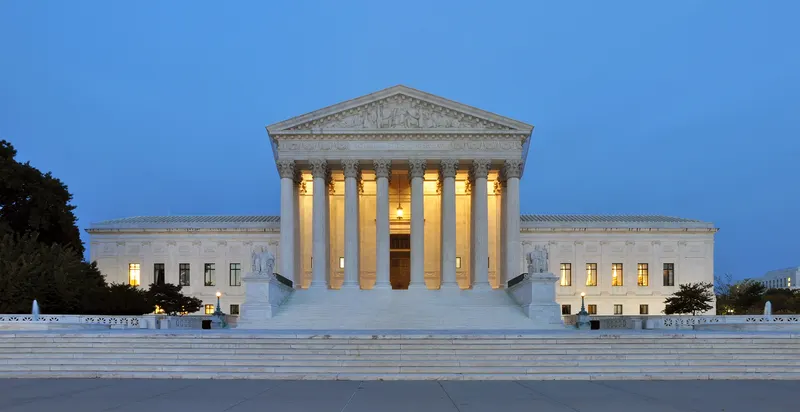
No other neighbourhood puts you so close to so many landmark buildings. The U.S. Capitol itself is open to visitors on free, timed tours that begin at the underground Capitol Visitor Center — book ahead, as passes go quickly. Directly across the plaza, the Library of Congress is the largest library in the world, and its Thomas Jefferson Building is one of the most breathtaking interiors in America, a riot of marble, mosaic and gilded detail that is free to enter. Next to it stands the Supreme Court, whose neoclassical building you can visit on non-argument days to see the courtroom and exhibitions.
At the north edge of the neighbourhood, Union Station is both a working transport hub and a grand Beaux-Arts monument in its own right — the arrival point for trains from New York and beyond, and a cathedral-scale concourse worth a look even if you're not catching a train. All of these sit within an easy walk of one another and of Hill hotels, which means a single morning here can take in the Capitol, the Library and the Court without a Metro ride. Tour availability, passes and visiting rules change, so verify each site's current details before you plan a day around them.
- U.S. Capitol — free timed tours from the Capitol Visitor Center; book ahead.
- Library of Congress — the world's largest library; the Jefferson Building interior is free and unmissable.
- Supreme Court — visit the building and courtroom on non-argument days; verify the schedule.
- Union Station — a grand Beaux-Arts terminal and transport hub at the neighbourhood's north edge.
Eastern Market and neighbourhood life
If the Capitol is the Hill's public face, Eastern Market is its beating heart. Opened in 1873, it is the oldest continuously operating public market in Washington — a red-brick hall designed by Adolf Cluss where butchers, bakers, fishmongers and produce vendors still trade on weekdays. On weekends the scene spills outdoors into a celebrated open-air market of farmers, artists and craft sellers, and the market's South Hall is famous for its weekend breakfast, where the blueberry-buckwheat pancakes draw a queue out the door. It is the social centre of the neighbourhood and one of the most genuinely local experiences in the city.
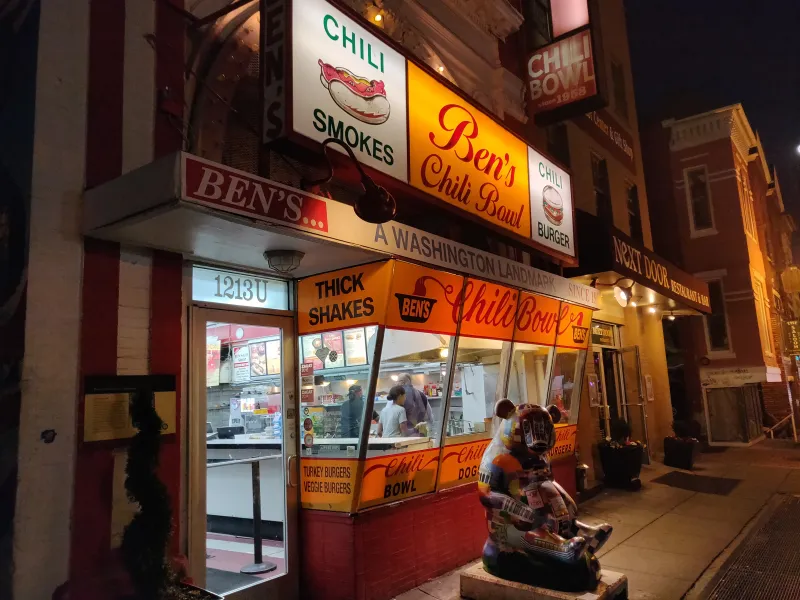
Around the market, Capitol Hill keeps its own everyday life entirely separate from the tourist crowds. Pennsylvania Avenue SE and Barracks Row — the historic 8th Street SE running down toward the Navy Yard — hold a deep bench of neighbourhood restaurants, pubs and coffee shops where Hill staffers and residents eat, not visitors. This is where you go for dinner away from the Mall: an old-school pub, a wine bar, a casual ethnic kitchen, all within a flat walk of the market. Market days, vendor hours and individual businesses change, so check current details before relying on any one of them.
- Eastern Market — the city's oldest public market (1873); a celebrated weekend stall scene and market breakfast.
- Barracks Row (8th Street SE) — a historic commercial street with a strong restaurant-and-bar scene.
- Pennsylvania Avenue SE — neighbourhood pubs, coffee shops and casual kitchens for Hill locals.
- Verify market and vendor days; the weekend outdoor market is the liveliest time to visit.
Getting around and staying on the Hill
Capitol Hill is well connected. Union Station (Red Line) anchors the north end and links to regional and intercity trains; Capitol South and Eastern Market stations (Blue, Orange and Silver lines) sit south of the Capitol and beside the market respectively, putting most of the neighbourhood within a short walk of a station. From any of them the Mall, downtown and the airports are an easy ride. On foot, the Hill is flat, leafy and pleasant to walk, and the residential streets are calm in a way the federal core never is.
As a base, the Hill suits families, slower travellers and anyone who wants the great federal sights nearby without staying in a tourist district. Accommodation here leans toward boutique hotels, smaller properties and short-term rentals in the rowhouse streets, with the convention-scale hotels concentrated nearer Union Station; choose according to whether you want neighbourhood quiet or transport-hub convenience. The trade-off is simply that the Hill is more residential and lower-key after dark than Penn Quarter or 14th Street — a feature for most visitors, a limitation for those who want a buzzing night at the door. As ever in DC, verify hotel rates for your dates, which move with the season and the events calendar.
- Metro: Union Station (Red), Capitol South and Eastern Market (Blue/Orange/Silver) — most of the Hill is a short walk to a station.
- Flat, leafy and walkable, with the Mall, downtown and airports an easy ride away.
- Best for: families, slower travellers and anyone wanting the big sights near a real neighbourhood.
- Quieter after dark than downtown — a plus for most, a limit for those wanting nightlife at the door. Verify rates.

A note on the grid: which Capitol Hill?
One thing trips up first-time visitors more than any other on the Hill: the address quadrants. Washington is divided into four quadrants — NW, NE, SW and SE — that all radiate from the Capitol itself, which means the same street number can exist in more than one quadrant, and the lines between them run right through this neighbourhood. Eastern Market and Barracks Row are in Southeast; much of the residential Hill spreads into Northeast as well. When you map a restaurant, a rental or a meeting point, always read the quadrant suffix on the address — getting it wrong can send you blocks in the wrong direction.
The upside of L'Enfant's grid is that, once you grasp it, the Hill is one of the easiest neighbourhoods to navigate on foot. Lettered streets run east–west, numbered streets north–south, and the Capitol is the zero point you can almost always see to orient yourself. Use the dome as your compass and the leafy, low-rise streets become genuinely pleasant to wander, with the kind of front-stoop, corner-store texture that the federal core entirely lacks.
Capitol Hill at a glance
Capitol Hill is the base for travellers who want the great federal sights at walking distance but a real neighbourhood to come home to — which makes it especially good for families, repeat visitors and anyone who finds downtown hotels soulless. The quick reference below sums up the practical case; as always in Washington, verify anything time-sensitive — tour passes, hotel rates, market days — close to your trip.
- Best for: families, slower travellers and anyone wanting big sights beside a genuine neighbourhood.
- Metro: Union Station (Red), Capitol South and Eastern Market (Blue/Orange/Silver).
- Headline sights: the U.S. Capitol, the Library of Congress, the Supreme Court, Union Station, Eastern Market.
- Character: leafy, residential, family-friendly rowhouse streets — the city's largest historic district.
- Eat and drink: Eastern Market, Barracks Row (8th Street SE) and Pennsylvania Avenue SE.
- Verify before you go: free Capitol and Library tour passes, market days and hotel rates for your dates.
Related guides
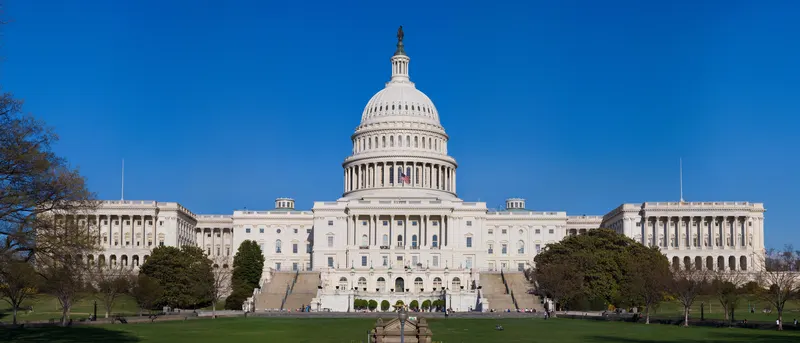
U.S. Capitol Tour Guide
How to tour the United States Capitol — booking a free pass through the Capitol Visitor Center or your member of Congress, what the guided tour covers (the Rotunda, the old Hall, the Crypt), how to clear security, and how to add the Library of Congress and a House or Senate gallery visit.
Read guide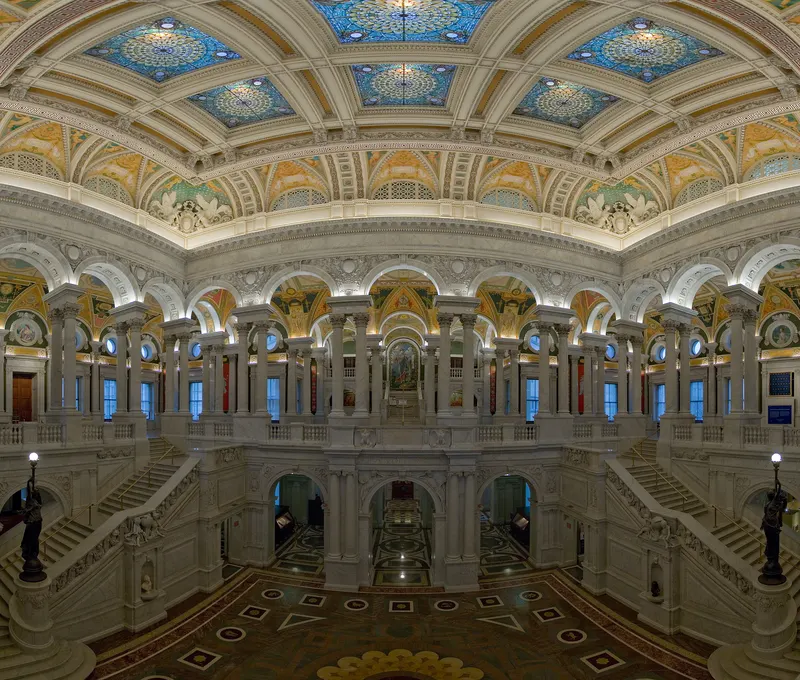
Library of Congress Guide
How to visit the Library of Congress — the free timed-entry passes for the magnificent Thomas Jefferson Building, the Great Hall and Main Reading Room views, the Gutenberg Bible and Jefferson's library, and the easy Capitol Hill walk that links it to the Capitol and the Supreme Court.
Read guide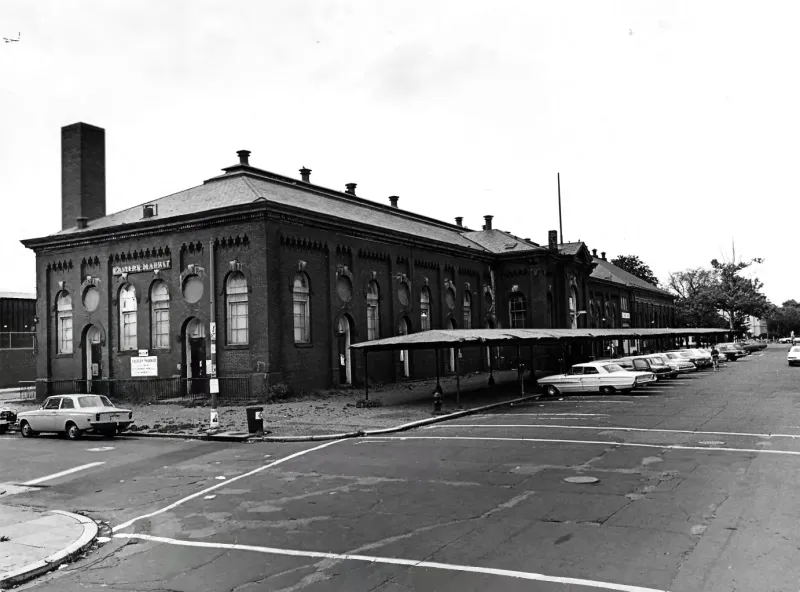
Eastern Market Food Guide
How to eat and browse Eastern Market on Capitol Hill — Washington's oldest continually operating public market, the indoor South Hall food merchants, the famous weekend pancakes, the outdoor farmers' and arts-and-crafts markets, and how to pair it all with a Capitol Hill day.
Read guideMore in Washington, D.C. Neighbourhoods Guide
6
Adams Morgan Guide
How to enjoy Adams Morgan in Washington — the city's most diverse, nightlife-heavy neighbourhood: the 18th Street bar strip, global and late-night food, big weekend brunches, murals and rowhouses, boutique stays, and when it's the right base for visitors.
Read guide
Downtown & Penn Quarter, Washington, D.C.
The most central place to stay in Washington — Penn Quarter and the surrounding downtown, where the free museums, the big theatres, the arena, the restaurants and four Metro lines all sit within a few walkable blocks of the National Mall.
Read guide
Dupont Circle, Washington, D.C.
Washington's most characterful and convenient base for visitors who want a real neighbourhood — Embassy Row, the Phillips Collection, the bookshops and cafés around the fountain, the city's historic LGBTQ+ heart, and a Metro-connected nightlife that doesn't depend on the Mall.
Read guide
Foggy Bottom Guide
How to use Foggy Bottom as a Washington base — the Kennedy Center, George Washington University, the Potomac riverfront, walkable access to the White House and west end of the Mall, hotels and the Metro logic of staying just west of the federal core.
Read guide
Georgetown, Washington, D.C.
Washington's prettiest and oldest neighbourhood — the cobbled streets and federal row houses of Georgetown, the C&O Canal towpath, the Potomac waterfront, the shopping spine of M Street and Wisconsin Avenue, and the honest trade-off of staying somewhere with no Metro of its own.
Read guide
Logan Circle & 14th Street, Washington, D.C.
One of Washington's liveliest evenings out — the restored Victorian townhouses of Logan Circle and the restaurant, bar, boutique and theatre corridor of 14th Street, with the honest trade-offs of staying in a buzzing nightlife district just north of downtown.
Read guide