
U.S. National Arboretum Guide
How to visit the U.S. National Arboretum in northeast Washington — the famous Capitol Columns, the azalea hillside, the Bonsai Museum and gardens, the transport reality of getting there, and when the detour is worth it.
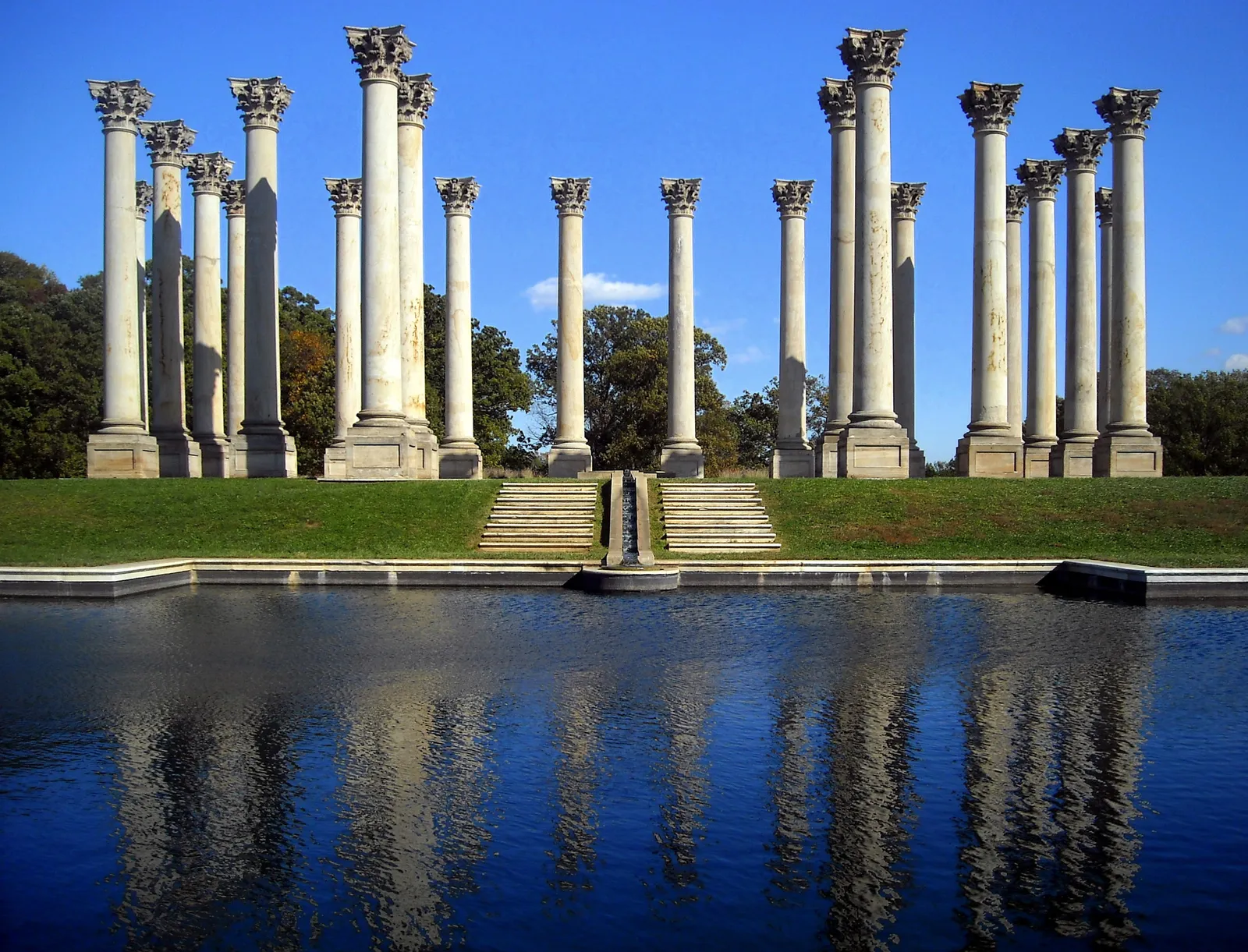
Photo: APK / Wikimedia Commons · CC BY-SA 3.0
- ✓A 446-acre living museum of trees and plants in northeast DC, run by the U.S. Department of Agriculture — and admission is free.
- ✓Its signature image is the National Capitol Columns: twenty-two Corinthian columns that once held up the U.S. Capitol's east portico, now standing in an open meadow.
- ✓The National Bonsai & Penjing Museum holds trees that are centuries old — including a Japanese white pine that survived the 1945 atomic bombing of Hiroshima.
- ✓Spring is the headline season: the Azalea Collections on Mount Hamilton draw crowds in April, and the gardens carry the whole growing year.
- ✓It is far from the Mall and poorly served by Metro — most visitors drive, ride or join a tour; verify hours and closures before making the trip.
At a glance
The quick facts for planning an Arboretum visit. Bloom timing, opening hours and access can all change, so confirm the volatile details — especially how you'll get there — before you commit the time.
- What it is — a 446-acre USDA-run research garden and living museum of trees and plants in northeast DC (established by Congress in 1927).
- Cost — free; some special programs may be ticketed.
- Don't-miss — the National Capitol Columns in their meadow; the National Bonsai & Penjing Museum; the spring azaleas on Mount Hamilton.
- Best season — spring for azaleas (often April); summer for lotus and waterlilies; autumn for colour; winter for quiet.
- Getting there — no nearby Metro; most visitors drive, taxi or rideshare to the gate. On-site parking. Transit is awkward; any weekend shuttle is seasonal — verify.
- Time needed — 2 to 3 hours minimum; you'll drive or cycle between the main collections.
- Verify before you go — opening hours, gate-closing time, parking, bloom status and any path or collection closures.

Washington's quiet 446 acres
Out in the northeast of the city, across the Anacostia from the federal core, the U.S. National Arboretum is one of Washington's great open secrets: a 446-acre research garden and living museum of trees, shrubs and flowers, free to enter, and on most days astonishingly peaceful. Established by an act of Congress in 1927 and run by the U.S. Department of Agriculture, it exists to study and conserve plants — but it also happens to be a beautiful, rolling landscape of meadows, woodland, ponds and themed gardens that you can drive, cycle or walk through for an afternoon without seeing many other people.
Because it sits well away from the Mall and is genuinely large, the Arboretum is the rare DC attraction that asks for a little commitment to reach and rewards you with space and quiet when you do. This is not a place to rush through between monuments; it is a place to slow down, picnic, photograph and breathe. For garden lovers, photographers, and anyone who has had their fill of marble and crowds, it is one of the most restorative half-days in the city — provided you go in with a plan for getting there and a sense of what's in bloom.

The Capitol Columns and the signature sights
The Arboretum's most photographed feature is unexpectedly architectural: the National Capitol Columns. These twenty-two Corinthian sandstone columns once formed the east portico of the U.S. Capitol — the backdrop to many a presidential inauguration in the nineteenth century — and were removed when the Capitol's east front was extended in the 1950s. They sat in storage for decades before being re-erected here in the 1980s, set on a low rise in the middle of a wide meadow with a reflecting pool at their foot. Standing in the open grass, they look like the ruins of a temple that never was, and at golden hour they are one of the best photographs in Washington.
The other unmissable stop is the National Bonsai & Penjing Museum, a series of pavilions and courtyards holding one of the finest collections of miniature trees in the world — Japanese bonsai, Chinese penjing and American specimens, some of them centuries old. The collection's most moving resident is a Japanese white pine that has been trained since 1625 and survived the atomic bombing of Hiroshima in 1945, a gift to the United States that quietly outlives the history around it. Beyond these two, the Arboretum holds an aquatic-plant collection, a herb garden, an Asian collection along a wooded valley, the National Grove of State Trees, and the open Friendship Garden — far more than you can see well in one visit, so choose a couple and let the rest be a reason to return.
- National Capitol Columns — 22 columns from the old Capitol portico, standing in a meadow; the Arboretum's signature photograph, best at golden hour.
- National Bonsai & Penjing Museum — centuries-old miniature trees, including a Japanese white pine that survived Hiroshima.
- Aquatic plants, the herb garden, the Asian collection valley, the Grove of State Trees and the Friendship Garden.
- Pick two or three areas — the park is far too big to cover well in a single visit.
Spring, azaleas and the seasons
If there is a single best time to come, it is spring. The Azalea Collections blanket the slopes of Mount Hamilton in waves of pink, red and white, usually peaking in April, and on the best weekends they draw real crowds and become one of the loveliest sights in the city — a quieter, leafier counterpoint to the Tidal Basin's cherry blossoms a few weeks earlier. Dogwoods, magnolias and the flowering trees of the Asian collection add to the spring show. Bloom timing shifts every year with the weather, so check the Arboretum's seasonal updates before you plan a trip around a particular flower.
The Arboretum is worth a visit in any season, though. Summer brings the aquatic gardens into full lotus-and-waterlily flower and deep green shade along the wooded paths; autumn turns the State Trees grove and the hardwood valleys to colour; and even winter has its austere beauty among the conifers and the bare structure of the gardens, when you may have the whole place almost to yourself. Whenever you come, the open meadows mean little shade in the heat — bring water, sun cover and good shoes — and an early start gives you the softest light and the emptiest paths.
- Spring (often April): the Azalea Collections on Mount Hamilton are the headline — verify peak timing before planning around it.
- Summer: lotus and waterlilies in the aquatic gardens; deep shade along the woodland paths.
- Autumn: colour in the State Trees grove and hardwood valleys; winter: quiet, structural, often empty.
- Open meadows mean little shade — carry water and sun cover, and start early for light and quiet.
Getting there — the transport reality
Here is the honest catch that keeps the Arboretum quiet: it is hard to reach without a car. It sits in northeast Washington with entrances off New York Avenue and R Street, and there is no Metro station anywhere near it. The simplest arrival is by car — there is on-site parking and the grounds are large enough that many visitors drive between collections — or by rideshare or taxi straight to the gate. Public transit is possible but awkward, usually involving a Metro ride to a nearby station and then a bus or a long walk; on some weekends a seasonal shuttle or circulator has run from a Metro stop, but this is not dependable, so verify current options before relying on transit.
Plan the trip as a destination in its own right rather than a casual add-on. Allow two to three hours on the ground at minimum, and remember that the Arboretum's gates close and the park is locked at the end of the day — being deep inside near closing on foot is a real risk given its size, so watch the time. Combining it neatly with other sights is tricky because of where it sits, but it pairs reasonably with a visit to the Anacostia side of the city or with Union Market and the NoMa area on your way back toward the centre. Confirm the day's opening hours, any garden closures and parking before you set out — and check whether the columns or a particular collection are accessible, as paths and areas occasionally close for work.
- No nearby Metro — most visitors drive, ride or taxi to the gate; on-site parking is available.
- Transit is awkward (Metro plus a bus or long walk); any weekend shuttle is seasonal and unreliable — verify first.
- Allow 2–3 hours minimum and watch the closing time — the grounds are large and the gates lock at day's end.
- Pairs best with the Anacostia side or Union Market / NoMa on the way back toward the centre.
- Confirm hours, parking and any path or collection closures before setting out.
Common questions
Is the National Arboretum free? Yes — admission is free. Some special programs or events may be ticketed; verify on the official site.
Can I get there by Metro? Not directly — there's no nearby station. Most people drive, take a taxi or rideshare, or combine a Metro ride with a bus. Any weekend shuttle is seasonal and unreliable; confirm before relying on it.
When do the azaleas bloom? Usually around April on Mount Hamilton, but timing shifts each year with the weather — check the Arboretum's seasonal updates before planning around peak.
How long should I spend? Allow two to three hours at least; the grounds are 446 acres and you'll want to drive or cycle between the main collections.
What are the Capitol Columns? Twenty-two Corinthian columns that once held up the U.S. Capitol's east portico, removed in the 1950s and re-erected here in a meadow in the 1980s.
Is it good for kids? It's open, calm and stroller-friendly on the roads, but it's about space and plants rather than play — best for families who enjoy a relaxed outdoor wander.

Related guides

Best Photography Spots in Washington, D.C.
Where to make great photographs in Washington — the monument reflections, the Tidal Basin blossoms, the Capitol and Lincoln axis, Georgetown's waterfront, hidden rooftops and the golden-hour and blue-hour routes that tie them together.
Read guide
Washington, D.C. Hidden Gems
The Washington beyond the Mall — the marooned Capitol Columns, the Gothic cathedral on the hill, the wooded valley of Rock Creek, off-radar museums, walled gardens and the quiet neighbourhoods that most first-time visitors never reach.
Read guide
Washington, D.C. in April
Washington at its showiest and most crowded — peak spring, often peak cherry blossom, festival weekends and the year's biggest visitor crush. Mild, walkable days and a city in full pink, set against premium hotel rates and shoulder-to-shoulder Tidal Basin paths. How to get the good and dodge the worst.
Read guideMore in Things to Do
6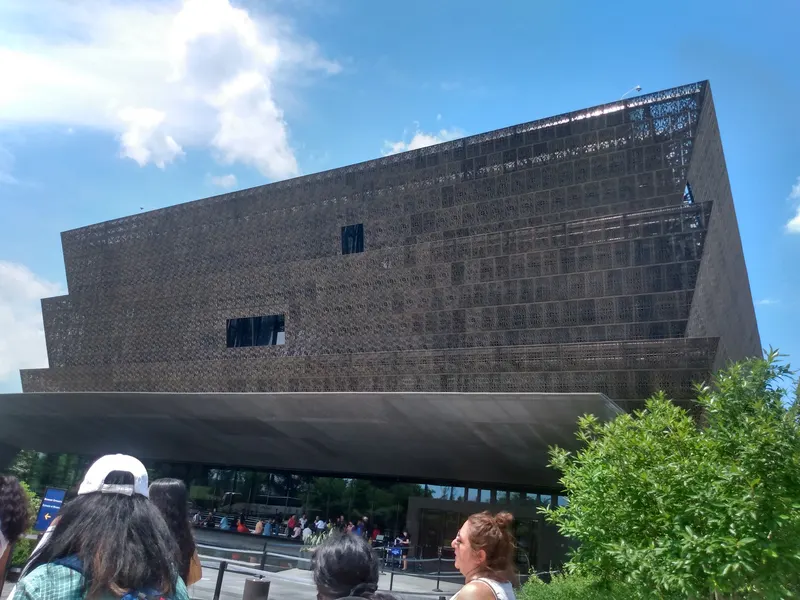
African American History Museum Guide
How to visit the National Museum of African American History & Culture on the Mall — the free timed-entry passes and how to get one, the deep underground history galleries, Sweet Home Café, the lines, how to pace an emotionally heavy visit, and the walk along the Mall.
Read guide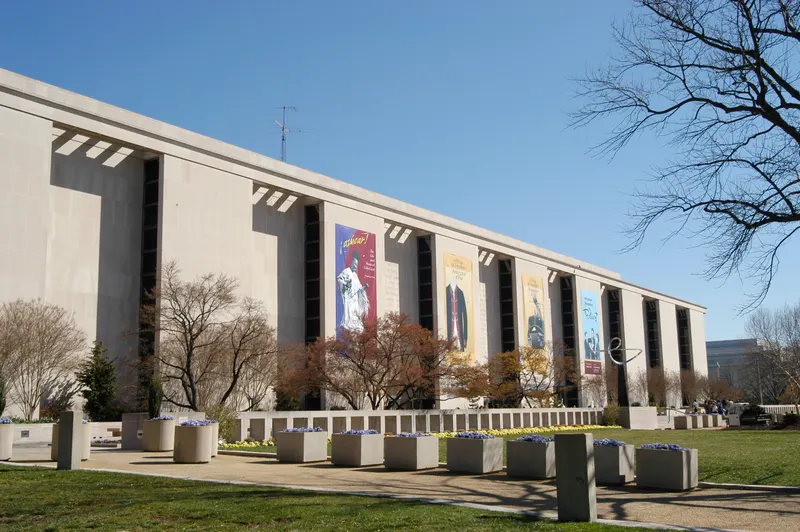
American History Museum Guide
How to visit the National Museum of American History on the Mall — the original Star-Spangled Banner, the First Ladies' gowns, the American presidency, the pop-culture icons, the food-court logistics, and how to time a visit around the school groups.
Read guide
Best Museums in Washington, D.C.
Washington has more world-class museums than any sane trip can hold, and almost all of them are free. This is a guide to the best museums in DC sorted by topic, age, ticket needs, location and rainy-day value — so you can choose two or three with confidence instead of trying to see them all.
Read guide
Best Things to Do in Washington, D.C.
A ranked first-trip shortlist of the best things to do in Washington, D.C. — from the National Mall and the free Smithsonian museums to a Capitol tour, the Tidal Basin and Georgetown — built so you can pick a handful and still feel you saw the city.
Read guide
Best Viewpoints in Washington, D.C.
Where to find the best views in Washington — the high monuments and free towers, the rooftop bars and cultural terraces, and the river and hilltop overlooks across the Potomac, ranked by how much effort each one asks.
Read guide
Best Washington, D.C. Tours
When a tour is genuinely worth it in Washington and when the city is better free and self-guided — monument night tours, bike and Segway loops, food and neighbourhood walks, official Capitol and government-building tours, and the day trips that need a coach.
Read guide