
Washington, D.C. in April
Washington at its showiest and most crowded — peak spring, often peak cherry blossom, festival weekends and the year's biggest visitor crush. Mild, walkable days and a city in full pink, set against premium hotel rates and shoulder-to-shoulder Tidal Basin paths. How to get the good and dodge the worst.

Photo: Sebastian Schuster / Unsplash
- ✓April is peak spring — mild, green and often the peak cherry-blossom window, the prettiest weeks of the DC year.
- ✓It's also the busiest and priciest stretch: the National Cherry Blossom Festival, spring break and school groups all collide.
- ✓Bloom timing shifts every year; some years peak falls in late March, so watch the NPS forecast rather than assuming early April.
- ✓Beyond the Tidal Basin, April rewards garden-lovers — the National Arboretum's azaleas and city-wide spring colour.
- ✓Book hotels months ahead, reserve free timed passes early, and walk the blossom loop at dawn to beat the crowds.
Peak spring, peak crowds
April is when Washington shows off, and the whole world seems to know it. The weather turns genuinely pleasant — highs commonly in the 60s Fahrenheit (around 16–21°C), longer daylight, and enough warmth to do both monuments and museums in a single day without the summer humidity. The city greens up, tulips and dogwood join the cherries, and the Mall is at its most photogenic. For sheer prettiness, no month beats it.
It's worth being honest about April's weather, though, because the postcards flatten it. Spring in DC is changeable: a run of warm, golden afternoons can give way to a raw, grey day with rain and a wind that still has winter in it, and mornings often start cooler than the daytime high suggests. Showers are common rather than rare, so a packable rain layer and a willingness to swap the day's plan for an indoor one earn their place in the bag. The reward for that flexibility is real — when April is good, it's the best the city gets.
Daylight is on your side in a way it simply isn't in winter. By April the evenings stretch well past dinner, which changes how a day flows: you can hold the monuments back for the soft light of late afternoon and dusk, when the Mall glows and the crowds finally thin, rather than racing to fit everything into a short, cold winter afternoon. Long days are one of the quiet luxuries of a spring trip.
The flip side is the crush. April is the single busiest, priciest stretch of the DC calendar: cherry-blossom crowds, the festival, spring break and school groups all land at once. Hotels around the Mall fill and rates climb to their annual peak, and the Tidal Basin paths get shoulder-to-shoulder by mid-morning. The Metro, the museums and the food spots near the Mall all feel the same pressure at midday. The trip is wonderful if you plan around the crowds, and exhausting if you don't.



Cherry blossoms and the festival
The cherry blossoms are April's headline, though their timing is never fixed. The trees, descendants of a 1912 gift from Tokyo, ring the Tidal Basin, and the National Park Service tracks the season toward 'peak bloom' — the day roughly 70% of the Yoshino blossoms open. Peak often falls in late March or early April, but it shifts every year with the weather, so don't assume early April guarantees colour: check the NPS forecast and treat any date as guidance, not a promise.
The National Cherry Blossom Festival typically runs for several weeks across late March and into April, with events, a parade and the Tidal Basin as its stage; exact dates and programming change annually, so verify the current calendar. Whenever the blossoms break, the move is the same: walk the Tidal Basin loop at dawn, before the crowds and the tour buses arrive, and you'll have the pink canopy and its reflection nearly to yourself.

Beyond the Tidal Basin
The famous cherries are not the only spring show, and spreading out is the smart play in a crowded month. The U.S. National Arboretum erupts with azaleas and dogwood through April and into May, on a far quieter scale than the Tidal Basin — a real garden-lover's escape, though it sits off the Metro and takes some effort to reach. The U.S. Botanic Garden by the Capitol, the gardens around the monuments, and tree-lined neighbourhoods like Georgetown all carry the spring colour without the central crush.
There's also a second wave of blossom most people miss. The Yoshino cherries around the Tidal Basin get all the attention and bloom first, but the Kwanzaki and other later varieties — including the deeper-pink trees in East Potomac Park, out on Hains Point — typically open a week or two after the main peak. If you arrive just after the Tidal Basin has dropped its petals, that later show can hand you a quieter, equally pretty consolation prize. As ever, exact timing shifts year to year; the NPS bloom watch is the only forecast worth trusting.
April's mild, long days also make it prime walking weather for the parts of DC that aren't on the Mall. With the heat still weeks away, it's an ideal month to wander a neighbourhood, walk Georgetown's canal towpath, or string several outdoor sights together on foot. Spend a morning away from the centre — in Georgetown, on U Street, around Eastern Market on Capitol Hill — and you get the season's best weather without the season's worst crowds.
Surviving the crowds
April rewards early booking and early rising more than any other month. Reserve a hotel months ahead — the closer to bloom your dates, the truer this is — and book any free timed-entry passes (Air & Space, the African American History museum) the moment they release, because they vanish fast in spring. Then plan your days to run ahead of the crowds rather than into them.
- Book hotels months in advance; rates peak and rooms near the Mall sell out fast.
- Reserve free timed passes early — spring demand clears them quickly.
- Walk the Tidal Basin and monuments at dawn; the difference in crowds is dramatic.
- Spread out: the Arboretum, Botanic Garden and neighbourhood gardens carry spring colour with far fewer people.
- Favour weekdays over weekends, and don't assume early April equals peak bloom — check the NPS forecast.
Who April suits — and who should pick another month
April is the obvious choice if seeing the city at its prettiest is the point of the trip, and if you're willing to plan and pay for it. First-time visitors who want the full postcard — blossoms, green Mall, mild weather, monuments glowing in long evening light — will rarely do better, provided they book early and accept the crowds as the price of admission. Garden-lovers, photographers and anyone whose schedule is genuinely fixed around the bloom should treat April (with a careful eye on late March) as their window.
It suits some travellers far less. If your budget is tight, April is the cruellest month to arrive — rates peak exactly when demand does. If crowds drain you, the Tidal Basin at midday and the packed museum halls will test your patience. And if the blossoms are non-negotiable, remember the timing risk is real even in April: a warm spell can push peak into late March and leave the first week of April past its best. Budget travellers and crowd-avoiders are usually happier in the quiet of January and February, or by waiting for the warmer, calmer back half of May.


April at a glance
A quick read before you commit. Ranges are typical, not guaranteed — and bloom timing in particular moves year to year.
- Weather: mild and pleasant; highs often in the 60s°F (~16–21°C), some spring rain, low humidity. Verify near your dates.
- Crowds: the year's heaviest, with blossoms, the festival, spring break and school groups colliding.
- Prices: at their annual peak, especially near a predicted bloom.
- Headline: cherry blossoms and the festival — gorgeous, but never date-guaranteed.
- Plan: book early, rise early, and spread beyond the Tidal Basin for spring colour with breathing room.


Related guides

Washington, D.C. Cherry Blossoms Guide
When the Tidal Basin turns pink — how peak bloom works, the best routes and viewpoints, when to beat the crowds, the festival events, where to stay and the alternate bloom spots beyond the Tidal Basin. The complete guide to the DC cherry blossoms.
Read guide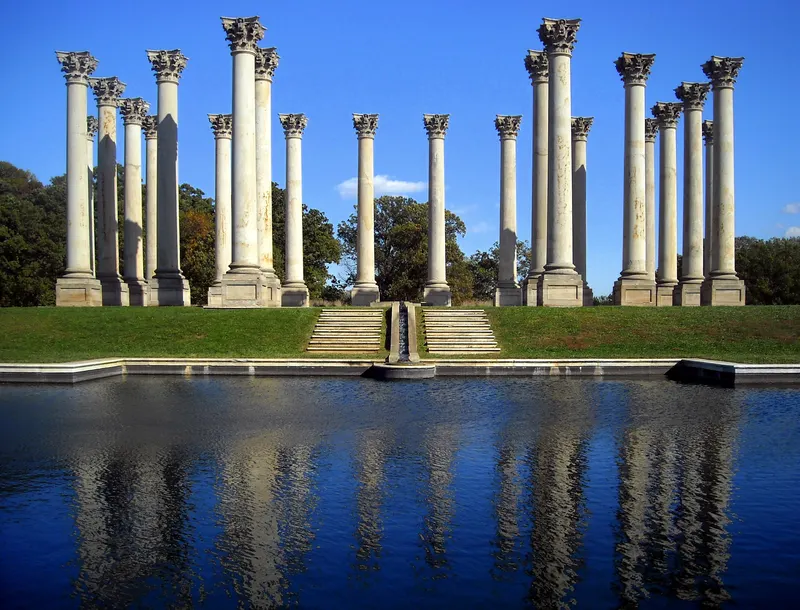
U.S. National Arboretum Guide
How to visit the U.S. National Arboretum in northeast Washington — the famous Capitol Columns, the azalea hillside, the Bonsai Museum and gardens, the transport reality of getting there, and when the detour is worth it.
Read guide
Three Days in Washington, D.C.
A deeper three-day Washington, D.C. itinerary — the National Mall monuments and free Smithsonian museums, a Capitol tour and the founding documents at the Archives, the Tidal Basin and Georgetown, plus a flexible third day for a neighbourhood or a day trip to Mount Vernon, Old Town Alexandria or Arlington.
Read guideMore in Travel Tips
6
Accessible Washington, D.C.
How to visit Washington with mobility, distance or stamina in mind — the step-free Metro, the largely flat but very long Mall, accessible museums and memorials, taxis and rideshare, and ways to build a low-walking plan that still reaches the city's best places.
Read guide
Are Washington, D.C. Passes Worth It?
An honest look at whether a bundled DC attraction pass saves you money — why a city built on free museums and monuments changes the maths, and the short list of paid sights where a pass or a single ticket actually helps.
Read guide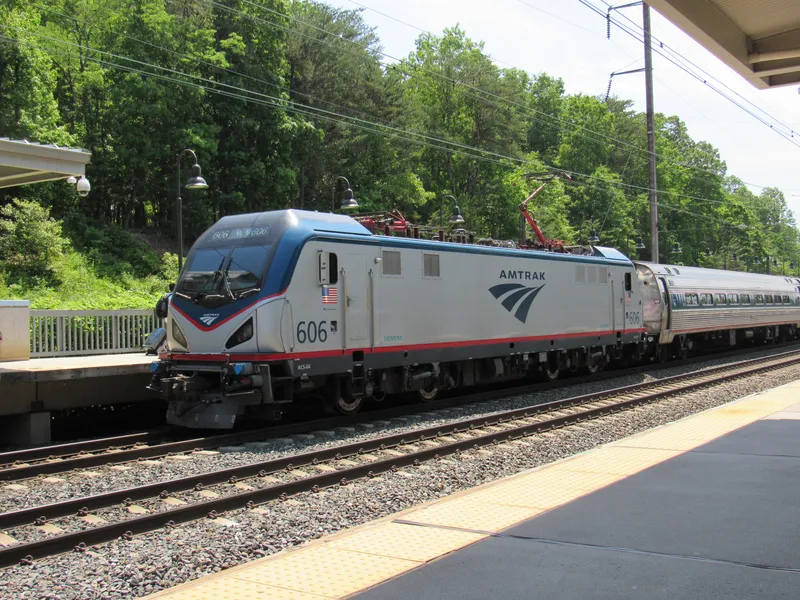
BWI Airport to Washington, D.C.
How to get from Baltimore/Washington International (BWI) into Washington, D.C. — the MARC and Amtrak trains via the BWI rail station, the free terminal shuttle, taxis and rideshare, and an honest look at whether BWI is the right airport for a DC trip.
Read guide
Capitol & White House Tour Planning
How official tours of the two most famous buildings in Washington actually work — the request windows, who to ask, the security to expect, realistic odds, and the strong free backups if a tour doesn't come through.
Read guide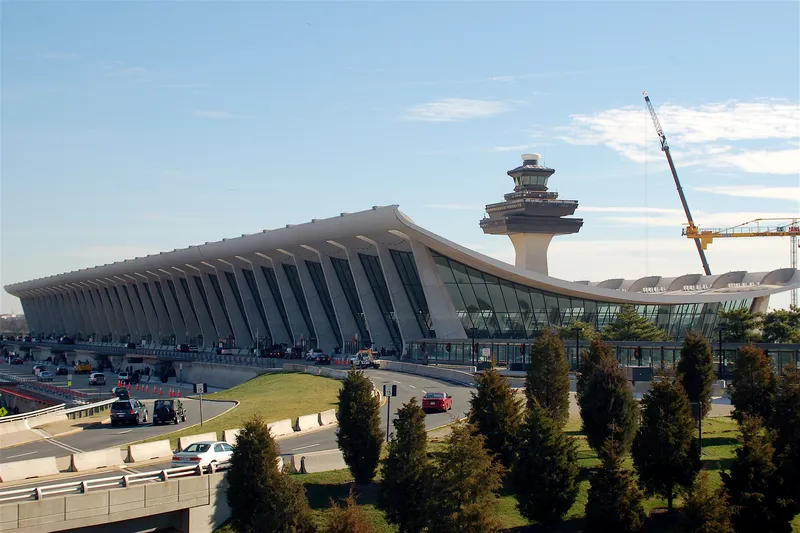
Dulles Airport to Washington, D.C.
How to get from Dulles International Airport (IAD) into Washington, D.C. — the Silver Line Metro, the Washington Flyer and 5A-style buses, taxis and rideshare, and the honest tradeoffs by time of day, budget and where your hotel sits.
Read guide
How to Get Around Washington, D.C.
A clear, realistic answer to how to get around Washington, D.C. without a car — when to simply walk, when the Metro is fastest, where buses fill the gaps, when a taxi or rideshare earns its fare, and how bikes and tour buses fit in. Plain trade-offs for a city built to be crossed on foot and by rail.
Read guide