
Washington National Cathedral Guide
How to visit Washington National Cathedral — the soaring Gothic nave, the famous stained glass and the Space Window, the tower climb and gardens, plus how to reach Mount St. Alban without a car.
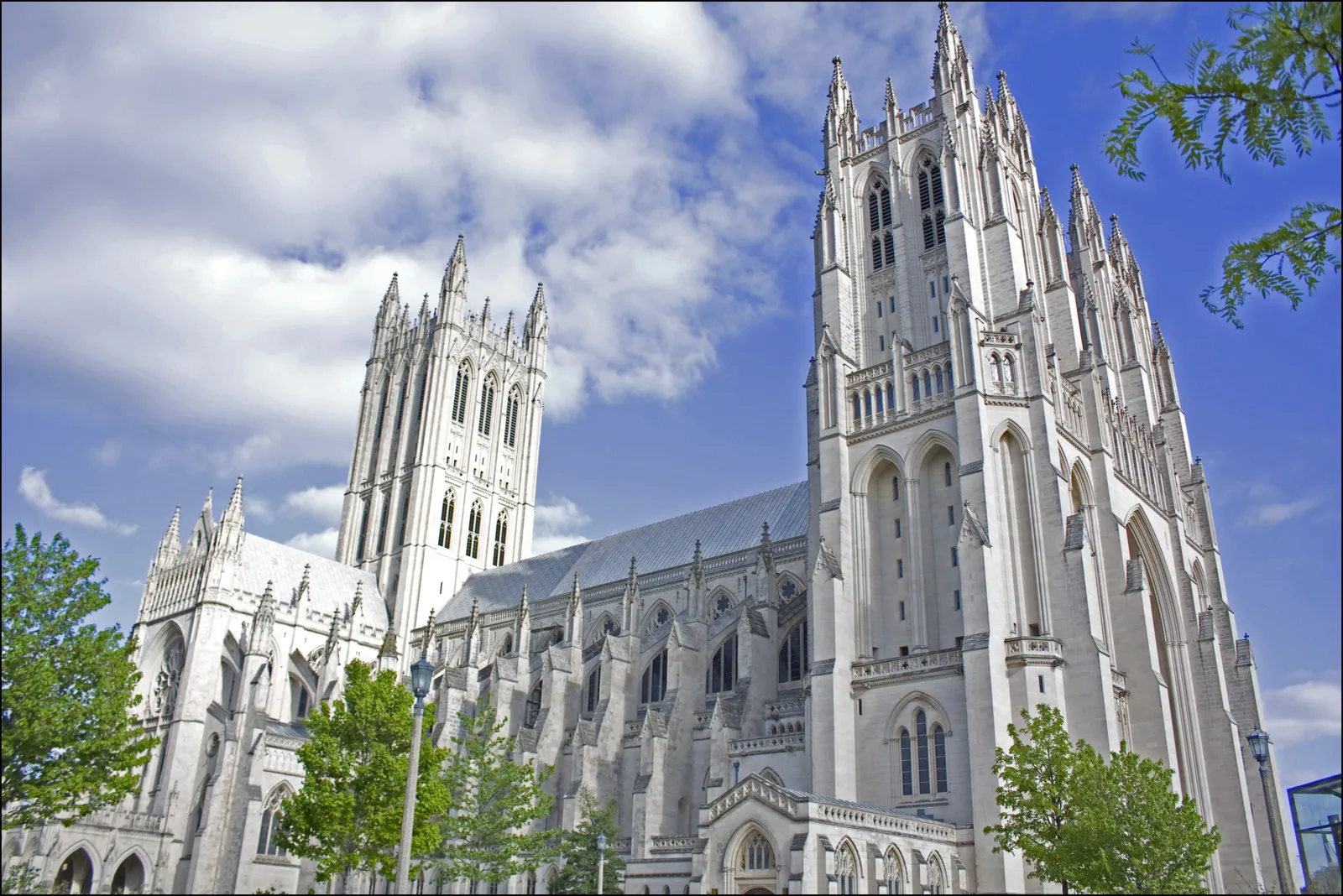
Photo: Siubo11A / Wikimedia Commons · CC BY-SA 3.0
- ✓It is the sixth-largest cathedral in the world and the second-largest in the United States — a full-scale, hand-built Gothic church begun in 1907 and not completed until 1990.
- ✓Though Episcopal, it serves as a 'national house of prayer for all people' and has hosted presidential funerals and inaugural prayer services across faiths.
- ✓The collection of stained glass is its glory — including the Space Window, which holds a sliver of Moon rock brought back by Apollo 11.
- ✓It crowns Mount St. Alban, the highest point in the city, so the central Gloria in Excelsis tower gives some of the broadest views in Washington — booked separately as a tower climb.
- ✓Sightseeing admission is usually charged on weekdays (worshippers always enter free); hours, ticket prices and tower-climb availability vary, so verify on the Cathedral's site before you go.
At a glance
The quick facts for planning a Cathedral visit. Admission, hours, tower-climb dates and event closures all change, so confirm the volatile details on the official site before you make the trip up the hill.
- What it is — a full-scale Gothic Episcopal cathedral and 'national house of prayer for all people' on Mount St. Alban, begun 1907, completed 1990.
- Cost — worship is always free; daytime sightseeing is usually ticketed on weekdays and Saturdays. Prices vary — verify.
- Don't-miss — the soaring nave; the Space Window (with Apollo 11 Moon rock); the carvings and grotesques; the Bishop's Garden.
- Extras — tower climbs and specialty tours (gargoyle, stained glass) run on limited dates and sell out; book ahead.
- Getting there — no station at the door; reach it by bus along Wisconsin Avenue or by walking up from Woodley Park / Cleveland Park. Verify routes on WMATA.
- Time needed — about 1.5 to 2 hours, longer with a service, a tower climb or a tour.
- Verify before you go — sightseeing hours and prices, tower-climb availability, and any service or event closures.

A Gothic cathedral, built by hand, above the city
Most of what brings visitors to Washington is classical and federal — marble temples, domed halls, the white geometry of the Mall. The National Cathedral is the great exception: a genuine medieval-style Gothic cathedral, built stone by stone over most of the twentieth century, standing not on the Mall but up in the leafy northwest of the city on Mount St. Alban, the highest ground in the District. Walk in off the street and the federal capital falls away entirely. You are under a vaulted stone ceiling more than thirty metres up, with light pouring through coloured glass and the hush that only a very large church can hold.
Officially the Cathedral Church of Saint Peter and Saint Paul, it was conceived as a 'national house of prayer for all people.' Construction began in 1907, when President Theodore Roosevelt laid the foundation stone, and did not finish until 1990, when the last finial was set in place during the presidency of George H. W. Bush — eighty-three years of carving, glazing and vaulting, done in true Gothic technique with flying buttresses and load-bearing stone rather than a hidden steel frame. It is an Episcopal cathedral, but its role is national and ecumenical: it has held state funerals for presidents, memorial and prayer services after national tragedies, and gatherings across many faiths. For a traveller, it is both a working church and one of the most rewarding pieces of architecture in the city — and one of the few that asks you to look up.

What to see inside
Give yourself time simply to stand at the west end and look down the nave — the long stone canyon of arches drawing your eye to the high altar, with the Gloria in Excelsis tower above. Then walk it slowly. The Cathedral is full of detail that rewards a wanderer: hundreds of carved stone bosses and grotesques (look for the famous Darth Vader grotesque high on the northwest tower, the result of a children's design competition in the 1980s — bring binoculars or a zoom lens, because it is hard to spot), wrought ironwork, needlepoint kneelers stitched by volunteers, and chapels tucked along the aisles.
The stained glass is the headline. More than two hundred windows fill the building with colour, and the most famous is the Space Window in the south nave — a swirling abstract of the cosmos that contains an actual sliver of lunar basalt brought back by the crew of Apollo 11. Below the main floor, the crypt level holds several quieter chapels and the tombs and memorials of figures including President Woodrow Wilson and the cathedral's own builders. The building also famously bears the scars and repairs of the 2011 Virginia earthquake, which damaged pinnacles and stonework; restoration has continued for years, so expect some scaffolding and verify which areas are open.
- The nave — walk its full length and look up; the vaulting is the whole point.
- The Space Window (south nave) — abstract stained glass set with a fragment of Moon rock from Apollo 11.
- Carvings, grotesques and gargoyles — including the Darth Vader grotesque high on the northwest tower (hard to find; bring a zoom).
- The crypt chapels and the tomb of President Woodrow Wilson, interred in the Cathedral.
- Earthquake repairs from 2011 are ongoing — some scaffolding is likely; verify which areas are open.
The tower climb, the gardens and special tours
Because the Cathedral sits on the city's highest hill and its central tower rises higher still, the view from the top is one of the broadest in Washington — out over the green northwest, the Mall in the distance, and on a clear day well into Maryland and Virginia. The Cathedral runs periodic tower-climb experiences up the bell tower, and other behind-the-scenes tours focused on the gargoyles, the stained glass or the building's construction. These are ticketed separately from general sightseeing, are not offered every day, and sell out — so if a tower climb matters to you, book ahead and verify the current schedule rather than turning up hoping for a spot.
Outside, the grounds repay a wander. The Bishop's Garden, on the south side of the close, is a walled, romantic medieval-style garden of boxwood, roses and herbs that feels centuries older than it is — one of the loveliest quiet corners in the city, and free to walk. The wider close has lawns, an herb cottage and a garden shop, and the views back up at the building from the south lawn are the best photographs you will get. It is an easy place to slow down for an hour with a coffee, well away from the federal crowds.
- Tower climb — broad views over northwest DC and beyond; ticketed separately, limited dates, books out. Verify the schedule.
- Specialty tours — gargoyle, stained-glass and behind-the-scenes options run periodically; reserve ahead.
- The Bishop's Garden — a free, walled medieval-style garden on the south side; one of the city's prettiest quiet spots.
- The south lawn gives the best exterior photographs of the towers.
- Check what's open: services, concerts and private events can close parts of the building to sightseers.
Services, music and the free way in
The Cathedral is a working church, and one of the most atmospheric times to experience it costs nothing: attending a service. Worshippers are always welcome free of charge, and choral evensong, organ recitals and Sunday services let you hear the building's extraordinary acoustics and its great organ as they were meant to be heard — the music rolling up into the vaults. Even if you are not religious, an evensong is a quietly moving thirty or forty minutes and a way to see the Cathedral lit and used rather than as a museum. Service times and the music calendar change week to week, so check the current schedule.
Be aware that because it hosts services, concerts, state occasions and private events, the Cathedral occasionally closes to sightseeing at short notice, and ticketed daytime visiting is suspended on some Sundays and holy days. The general rule is simple: sightseeing is usually ticketed on weekdays and Saturdays, prayer and worship are always free, and everything — hours, admission prices, tower climbs and event closures — is worth confirming on the official site before you make the trip up the hill.
Getting there without a car, and where it fits
The one catch with the Cathedral is that it sits away from the Metro. It crowns Wisconsin and Massachusetts Avenues in the upper northwest, and there is no rail station at its door — the nearest are a fair walk or a short bus ride away, and many visitors reach it by city bus along Wisconsin Avenue, by taxi or rideshare, or as part of a circulator-style tour. The most pleasant approach for the able-footed is to pair it with the Woodley Park area: take the Metro toward Woodley Park or Cleveland Park, then walk up through the leafy streets, or ride a bus the last stretch. Verify the current best route on WMATA, as bus lines and service notices change.
Because of its position, the Cathedral works best as a half-day of its own rather than a quick add-on between Mall stops. A natural plan is a slow morning here — nave, glass, garden, perhaps a service or a tower climb — followed by lunch and the National Zoo or Rock Creek Park, all in the same green corner of the city. If you are staying up in Woodley Park or Cleveland Park, it is practically on your doorstep. Pair it with the rest of upper northwest DC and you have a calm, beautiful day entirely off the federal grid.
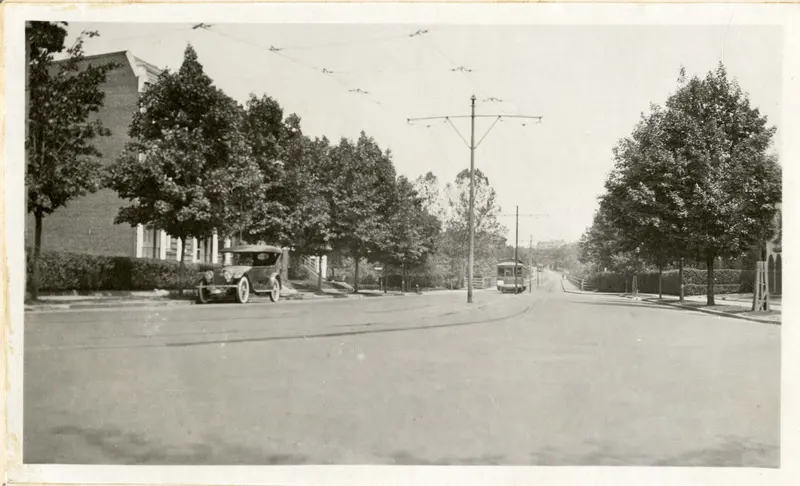 Woodley Park & Cleveland Park
The leafy upper-northwest neighbourhood that makes the easiest base for reaching the Cathedral.
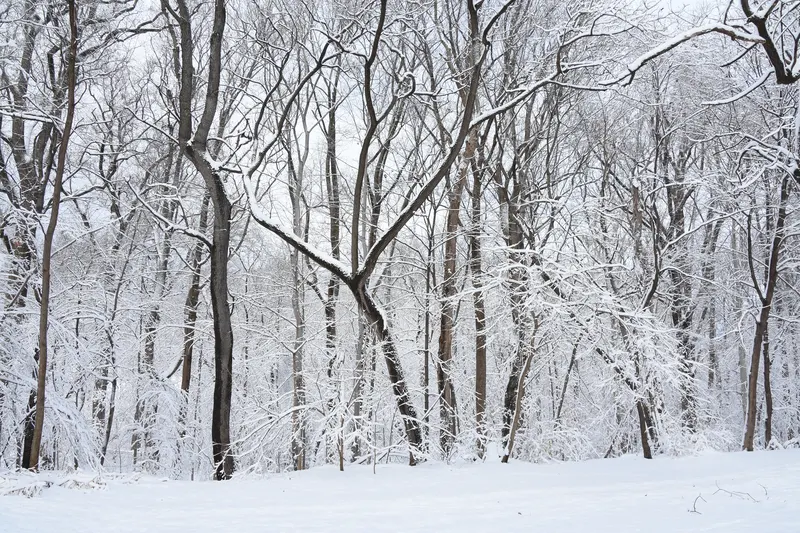 Rock Creek Park
The wooded valley nearby — pair it with the Cathedral for a green, off-Mall day.
 Smithsonian National Zoo
Free and close by in the same northwest corner; a natural other half of a Cathedral day.
Common questions
Is Washington National Cathedral free? Worship is always free, but daytime sightseeing is usually ticketed on weekdays and Saturdays. Prices and free-entry days change — verify on the official site.
Do I need a reservation? General sightseeing usually doesn't require advance booking, but the tower climb and specialty tours do and they sell out. Reserve those ahead.
How do I get there on the Metro? There's no station at the Cathedral; reach it by bus along Wisconsin Avenue, by rideshare, or by walking up from the Woodley Park / Cleveland Park area. Check current routes on WMATA.
How long should I spend? Allow about an hour and a half to two hours for the nave, the glass and the Bishop's Garden; longer if you add a service, a tower climb or a specialty tour.
Is there a dress code? No strict code for sightseeing, but it is a place of worship — modest, respectful dress is appreciated, especially during services.
Can I see the Space Window and the Darth Vader grotesque? Yes — the Space Window is in the south nave; the Vader grotesque is high on the northwest tower and genuinely hard to spot, so bring binoculars or a zoom lens.

Related guides

Washington, D.C. Hidden Gems
The Washington beyond the Mall — the marooned Capitol Columns, the Gothic cathedral on the hill, the wooded valley of Rock Creek, off-radar museums, walled gardens and the quiet neighbourhoods that most first-time visitors never reach.
Read guideWoodley Park & Cleveland Park Guide
A traveller's guide to Woodley Park and Cleveland Park — the leafy upper-Northwest DC neighbourhoods at the doorstep of the National Zoo and Rock Creek Park, with family-friendly hotels, a calm residential feel, and the Red Line tradeoffs of basing away from the Mall.
Read guide
Best Photography Spots in Washington, D.C.
Where to make great photographs in Washington — the monument reflections, the Tidal Basin blossoms, the Capitol and Lincoln axis, Georgetown's waterfront, hidden rooftops and the golden-hour and blue-hour routes that tie them together.
Read guideMore in Things to Do
6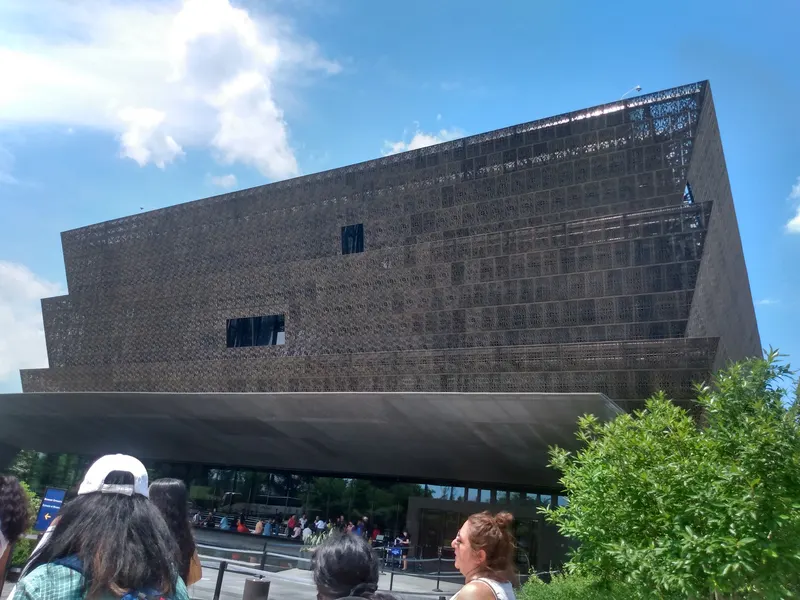
African American History Museum Guide
How to visit the National Museum of African American History & Culture on the Mall — the free timed-entry passes and how to get one, the deep underground history galleries, Sweet Home Café, the lines, how to pace an emotionally heavy visit, and the walk along the Mall.
Read guide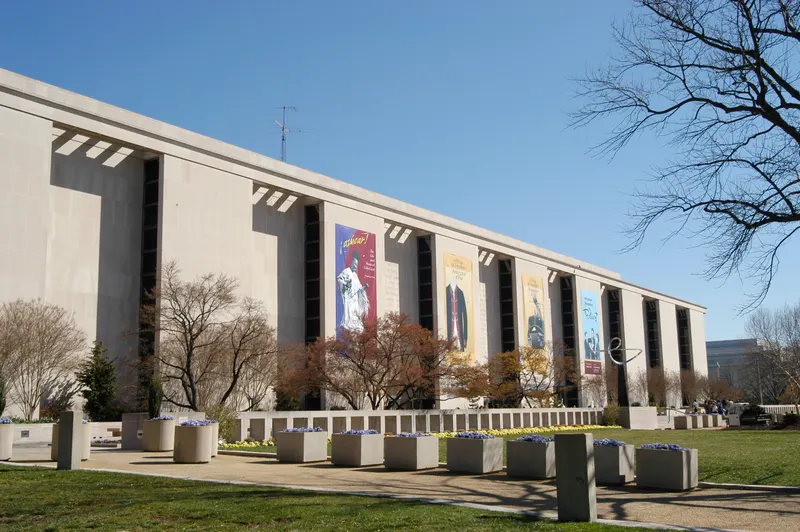
American History Museum Guide
How to visit the National Museum of American History on the Mall — the original Star-Spangled Banner, the First Ladies' gowns, the American presidency, the pop-culture icons, the food-court logistics, and how to time a visit around the school groups.
Read guide
Best Museums in Washington, D.C.
Washington has more world-class museums than any sane trip can hold, and almost all of them are free. This is a guide to the best museums in DC sorted by topic, age, ticket needs, location and rainy-day value — so you can choose two or three with confidence instead of trying to see them all.
Read guide
Best Things to Do in Washington, D.C.
A ranked first-trip shortlist of the best things to do in Washington, D.C. — from the National Mall and the free Smithsonian museums to a Capitol tour, the Tidal Basin and Georgetown — built so you can pick a handful and still feel you saw the city.
Read guide
Best Viewpoints in Washington, D.C.
Where to find the best views in Washington — the high monuments and free towers, the rooftop bars and cultural terraces, and the river and hilltop overlooks across the Potomac, ranked by how much effort each one asks.
Read guide
Best Washington, D.C. Tours
When a tour is genuinely worth it in Washington and when the city is better free and self-guided — monument night tours, bike and Segway loops, food and neighbourhood walks, official Capitol and government-building tours, and the day trips that need a coach.
Read guide