
Passport DC: Embassy Open Houses
How to plan a Passport DC weekend — the month-long May celebration when embassies across Washington open their doors to the public. The two big open-house weekends (the EU embassies and the Around the World Embassy Tour), how the free passport-style tour works, where the crowds are heaviest and how to beat them, and how to fold it into a wider May culture trip in the capital. Dates and participating embassies change every year, so verify the current programme.
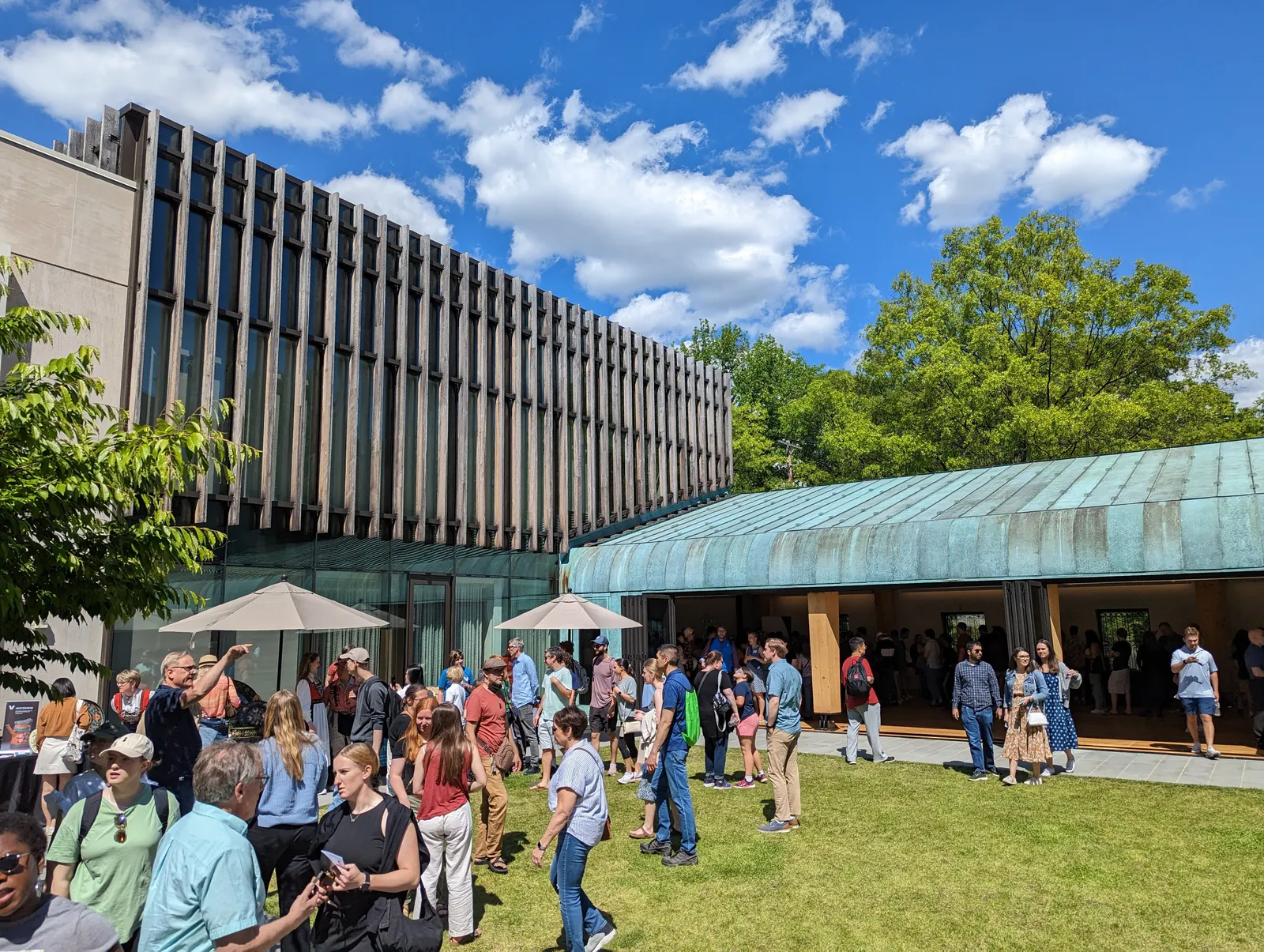
Photo: Sdkb / Wikimedia Commons · CC BY-SA 4.0
- ✓Passport DC is a month-long celebration held each May, produced by Events DC, in which embassies and cultural institutions open to the public — verify the current year's programme and dates.
- ✓Its centrepiece is two big open-house weekends: one focused on the European Union member embassies (the EU Open House) and the Around the World Embassy Tour featuring embassies beyond the EU.
- ✓It is free and walk-in — no advance tickets to step inside most embassies — though some popular embassies draw long queues, so plan a route and pace yourself.
- ✓Many open embassies cluster around Massachusetts Avenue's 'Embassy Row' and the Dupont Circle area, making a walkable, neighborhood-based day very doable.
- ✓Expect each embassy to offer a taste of its country — food, music, dance, crafts and a look inside grand diplomatic residences — so it's a culture-rich, very social May weekend.
Passport DC at a glance
Before the planning, the essentials. Passport DC's programme — which embassies open, on which weekends, and any rules for entry — is set fresh each year, so confirm everything here against the current edition before you build a day around it.
- What it is: Passport DC, a month-long May celebration of the city's international culture, produced by Events DC, in which embassies and cultural institutions open their doors to the public.
- The two headline weekends: the EU Open House (European Union member-state embassies) and the Around the World Embassy Tour (embassies from beyond the EU). The split and dates are set yearly — verify the current calendar.
- Cost: free and walk-in. Most participating embassies welcome visitors without an advance ticket — confirm any exceptions or required registrations for the current year.
- Where: many open embassies cluster along Massachusetts Avenue's 'Embassy Row' and around Dupont Circle, with others scattered across the city; some run free shuttle buses between sites (verify).
- What to expect: a passport-style tour of countries — national food, music, dance, crafts and a rare look inside grand diplomatic residences.
- Crowds: the most popular embassies draw long queues. Plan a route, start early, and have flexible alternatives — verify which embassies participate and any line-management rules each year.

What Passport DC is
Passport DC is Washington at its most cosmopolitan: a month-long celebration, held each May, in which the city's embassies and international cultural institutions open their doors to the public. Produced today by Events DC — the embassy-tour concept was first convened years ago by the non-profit Cultural Tourism DC — it turns the capital's diplomatic quarter into a free, walkable world tour, a chance to step inside grand embassy mansions that are normally closed, and to sample the food, music, dance and crafts of dozens of countries in a single day. The 'passport' conceit is literal in spirit: you move from country to country, collecting experiences as you go.
The month's centrepiece is two big open-house weekends. One focuses on the European Union member-state embassies — the EU Open House — when the EU countries open together on a single day. The other is the Around the World Embassy Tour, which features embassies from beyond the EU. Between and around these headline days, Passport DC layers in other cultural events across the month. The exact dates, the two-weekend split and the roster of participating embassies all change every year, so the first and most important step is to pull up the current year's official programme.
What makes it special is the access. These are working diplomatic missions, often housed in spectacular Beaux-Arts mansions along Embassy Row, and for these open days they welcome the public inside — staffing them with food, performances and a curated taste of national culture. It is free, it is genuinely international, and it offers a side of Washington that has nothing to do with monuments or the federal government and everything to do with the city's role as a global capital.
The two open-house weekends
The EU Open House gathers the European Union member-state embassies to open together, typically on a single day. It's a chance to visit a run of European missions in one outing — each offering its own national flavour, from food and drink to music and exhibitions — and because the EU embassies coordinate, it has a festive, well-organised feel. Some sites run free shuttle buses to help visitors hop between embassies that are spread across the city (verify the current year's shuttle and route details).
The Around the World Embassy Tour broadens the map beyond Europe, featuring embassies from across Africa, Asia, the Americas and the Middle East. The character is the same — open doors, national culture, a passport-style hop from country to country — but the geography is wider, so a route plan matters even more. Both weekends are free and walk-in, and both reward a little forethought about which embassies you most want to see and how you'll get between them.
The crucial caveat, repeated because it matters: the dates, the EU-versus-world split, the participating embassies and any shuttle arrangements are all set per year. A given embassy that opened last year may not open this year, and the two weekends don't always fall on the same calendar dates from one year to the next. So treat this guide as the durable how-to, and lock your plan to the current year's published programme.

Beating the crowds and planning a route
Free, walk-in and inside grand mansions is an irresistible combination, so the most popular embassies — often the larger countries with elaborate residences or generous food spreads — develop long queues, sometimes very long ones. The single best defence is to start early. Be at your first embassy when the doors open, hit the highest-demand sites before the lines build, and save the quieter, lesser-known embassies for the busy middle of the day. The small embassies are frequently the most rewarding anyway: shorter lines, warmer welcomes and the discovery of a country you knew nothing about.
Plan a geographic route rather than chasing a list. Because many open embassies cluster around Embassy Row and Dupont Circle, you can string together a walkable loop and only use the shuttles (if running) for the outliers. Map your must-see embassies first, group them by neighborhood, and accept that you'll see a fraction of the total — quality of experience beats a high embassy count. Wear comfortable shoes, bring water, and don't try to do both weekends as a manic checklist; an unhurried half-dozen embassies is a far better day than a frantic twenty.
Practicalities: confirm the current year's hours, any bag or security rules at individual embassies (these are diplomatic missions, so screening is normal), and which embassies are participating before you set off. Some embassies cap entry or close their lines well before the official end time once they hit capacity, so prioritise the ones you care about most early in the day. And eat as you go — the food is part of the point, and grazing across countries is one of the great pleasures of the weekend.

Making a May culture weekend of it
May is one of the best months to be in Washington — mild, long-lit days after the spring crowds of cherry-blossom season have thinned — and Passport DC is the anchor for a culture-rich weekend. Build the embassy open houses around the headline weekend, then fill the rest of the trip with the city's free institutions: the Smithsonian museums and the National Gallery, the monuments on the Mall, and the Dupont Circle and Embassy Row neighborhood itself, which is lovely to wander when you're not queuing for an embassy.
The natural base is Dupont Circle. It sits at the heart of Embassy Row, so you can walk to many of the open embassies, and it's a characterful neighborhood in its own right — bookshops, cafés, a famous Sunday farmers' market and good restaurants — that rewards staying put. From Dupont you're also a short Metro ride from the Mall, so you can split the weekend between embassy culture and the federal sights without a car.
Pace the weekend so the embassy day, which is social and tiring and full of queuing, is balanced by slower, quieter time elsewhere. A morning at the embassies and an afternoon in a museum; or a full open-house day bookended by gentle neighborhood walks and unhurried meals. Verify the current year's Passport DC dates first, slot them into a May trip, and you have a version of Washington that most visitors never see: the global capital throwing its doors open.
 Where to stay in DC
Why Dupont Circle makes the ideal base for a Passport DC weekend — and other options.
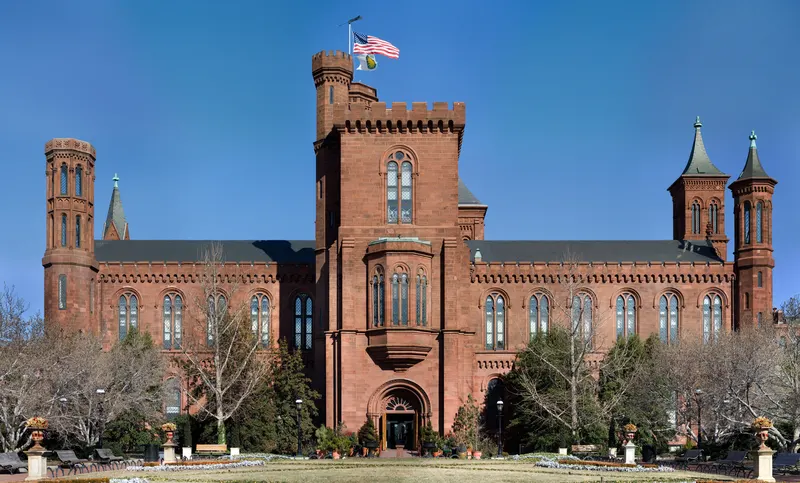 Smithsonian Museums Guide
The free museums to fill out a May culture weekend, a short Metro ride from Embassy Row.
 Romantic walks in DC
Embassy Row and Dupont are lovely for a stroll between open houses or on a quieter day.
Passport DC: frequently asked questions
The questions most visitors ask before planning an embassy-tour weekend. As always, confirm specifics against the current year's official Passport DC programme, since the details change annually.
- When is Passport DC? It runs through the month of May each year, with two headline open-house weekends — the EU Open House and the Around the World Embassy Tour. The exact dates shift every year, so verify the current calendar.
- Is it free? Yes — Passport DC's embassy open houses are free and walk-in. You don't need an advance ticket to enter most participating embassies. Confirm any exceptions or registrations for the current year.
- Do I need to book or get a ticket? Generally no for the open houses; it's walk-in. Some related events or popular embassies may use timed entry or capacity limits, so check the programme.
- Which embassies take part? It varies year to year. The EU member states open together for the EU Open House; a wider set of embassies open for the Around the World Embassy Tour. Check the current participant list.
- Where are the embassies? Many cluster along Massachusetts Avenue's 'Embassy Row' and around Dupont Circle, with others elsewhere in the city. Some weekends run free shuttle buses between sites (verify).
- How do I beat the crowds? Start early, hit the most popular embassies first, and explore the quieter, lesser-known ones in the busy middle of the day. Plan a walkable route around Dupont and Embassy Row.


Related guides

Dupont Circle, Washington, D.C.
Washington's most characterful and convenient base for visitors who want a real neighbourhood — Embassy Row, the Phillips Collection, the bookshops and cafés around the fountain, the city's historic LGBTQ+ heart, and a Metro-connected nightlife that doesn't depend on the Mall.
Read guide
Washington, D.C. in May
Arguably the best all-round month — warm, green and long-dayed, after the blossom crush and before the summer heat. May brings garden walks, embassy open houses, graduations, the solemn Memorial Day weekend and a city that's busy but blissfully comfortable. How to make the most of it.
Read guide
Free Things to Do in Washington, D.C.
Washington is the rare capital built to be open to the public — its monuments, its biggest museums and its gardens cost nothing. This is a full guide to the free things to do in DC, from the Smithsonian and the National Gallery to the Mall after dark, the Botanic Garden, the Kennedy Center's nightly free stage and the neighbourhoods between.
Read guideMore in Things to Do
6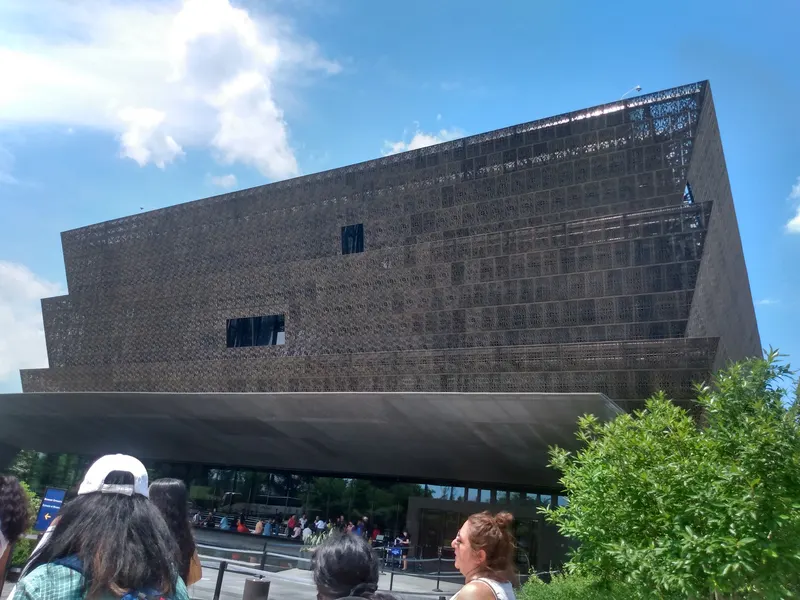
African American History Museum Guide
How to visit the National Museum of African American History & Culture on the Mall — the free timed-entry passes and how to get one, the deep underground history galleries, Sweet Home Café, the lines, how to pace an emotionally heavy visit, and the walk along the Mall.
Read guide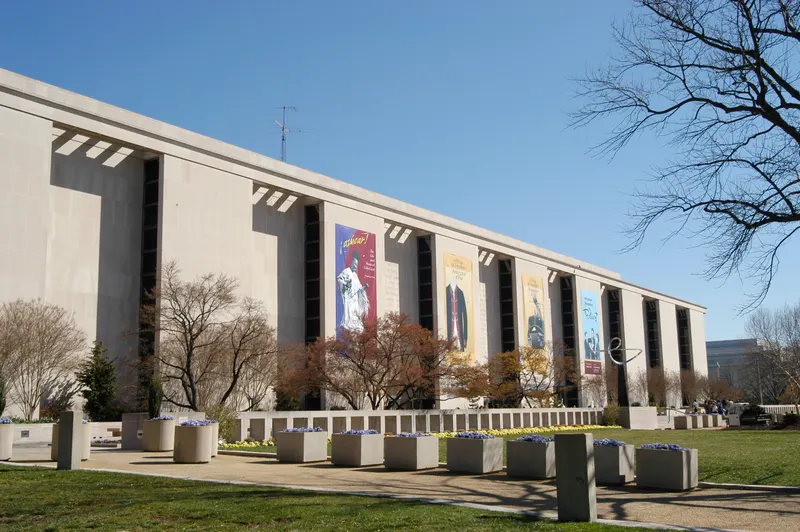
American History Museum Guide
How to visit the National Museum of American History on the Mall — the original Star-Spangled Banner, the First Ladies' gowns, the American presidency, the pop-culture icons, the food-court logistics, and how to time a visit around the school groups.
Read guide
Best Museums in Washington, D.C.
Washington has more world-class museums than any sane trip can hold, and almost all of them are free. This is a guide to the best museums in DC sorted by topic, age, ticket needs, location and rainy-day value — so you can choose two or three with confidence instead of trying to see them all.
Read guide
Best Photography Spots in Washington, D.C.
Where to make great photographs in Washington — the monument reflections, the Tidal Basin blossoms, the Capitol and Lincoln axis, Georgetown's waterfront, hidden rooftops and the golden-hour and blue-hour routes that tie them together.
Read guide
Best Things to Do in Washington, D.C.
A ranked first-trip shortlist of the best things to do in Washington, D.C. — from the National Mall and the free Smithsonian museums to a Capitol tour, the Tidal Basin and Georgetown — built so you can pick a handful and still feel you saw the city.
Read guide
Best Viewpoints in Washington, D.C.
Where to find the best views in Washington — the high monuments and free towers, the rooftop bars and cultural terraces, and the river and hilltop overlooks across the Potomac, ranked by how much effort each one asks.
Read guide