
Smithsonian Folklife Festival
How to visit the free Smithsonian Folklife Festival on the National Mall — the summer celebration of living cultural traditions around the Fourth of July, with timing, heat and Metro logistics, what to expect, and family and food notes.
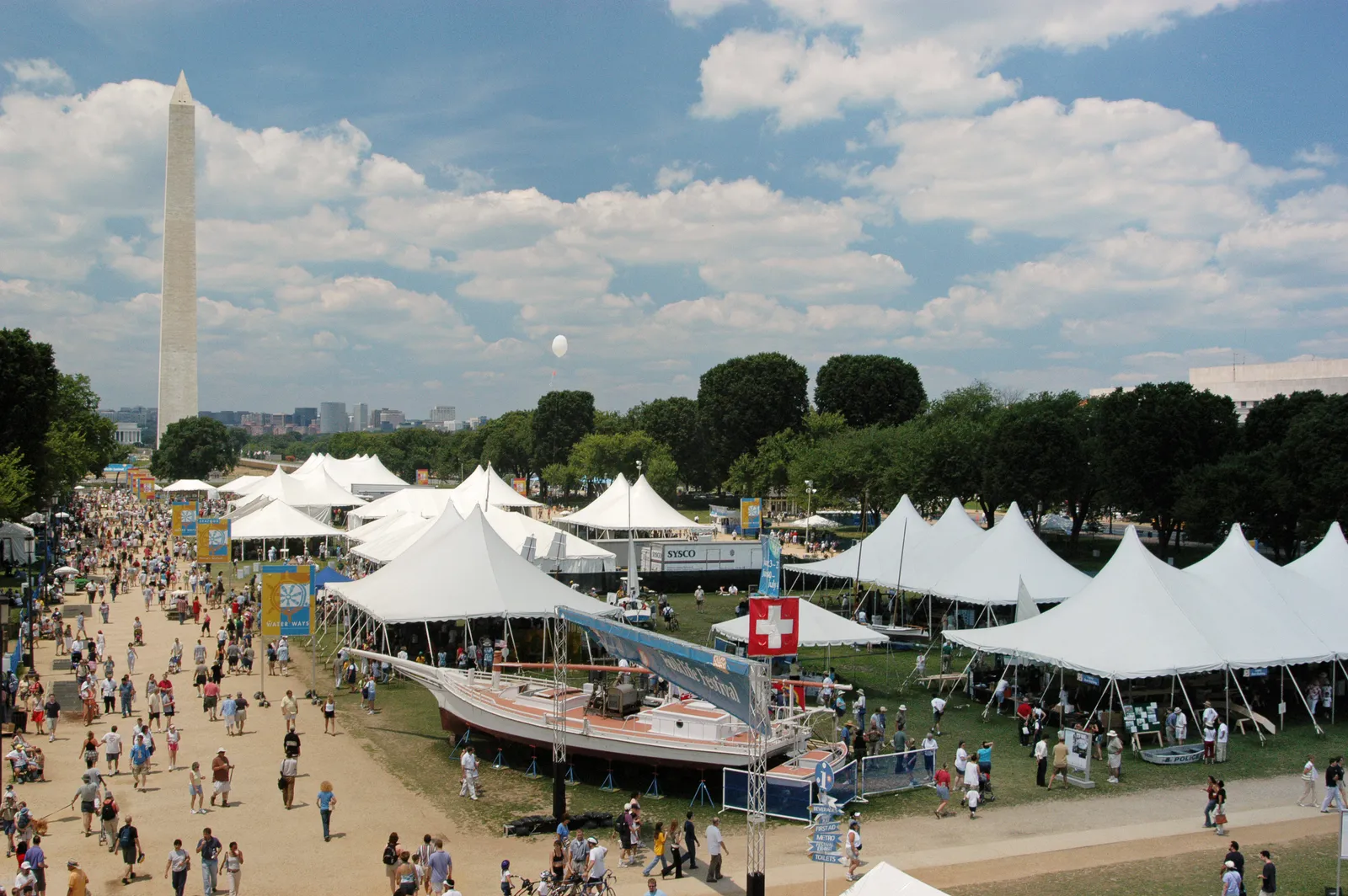
Photo: Smithsonian Institution / Wikimedia Commons · No known copyright restrictions (Flickr Commons)
- ✓The Smithsonian Folklife Festival is a free, open-air celebration of living cultural traditions, staged on the National Mall by the Smithsonian.
- ✓It runs in summer around the Fourth of July, typically spanning the holiday across two periods — but the exact dates and featured programs change every year, so verify before you plan.
- ✓Each edition spotlights particular cultures, regions or themes through music, craft demonstrations, cooking, storytelling and hands-on activities.
- ✓It is entirely outdoors in peak DC summer heat, so go in the morning or late afternoon, hydrate, and use the free air-conditioned museums beside the Mall as cooling breaks.
- ✓Admission is free; travel by Metro, and confirm the year's dates, hours and program on the official Smithsonian Folklife Festival site before you go.
What the Folklife Festival is
The Smithsonian Folklife Festival is one of the most distinctive things that happens on the National Mall all year: an enormous, free, open-air celebration of living cultural heritage, produced by the Smithsonian and built around real people demonstrating real traditions. Rather than objects behind glass, the festival brings musicians, cooks, craftspeople, dancers and storytellers onto the lawn to share their work directly — you might watch a boat being built, learn a folk dance, taste a regional dish or sit in on a conversation about a way of life. It is the Smithsonian's idea of a museum turned inside out, with the culture-bearers present and the visitors invited to take part.
Each year's festival is organised around one or more featured programs — a country, a region, a community, an occupation or a theme — so no two editions are the same. That is part of the appeal and the reason to check what is on: the festival you catch one summer may spotlight entirely different cultures the next. What stays constant is the format: tents and stages spread across the Mall, daytime programming that often extends into evening events, and a spirit of participation rather than spectating. It is free, it is open to everyone, and it rewards curiosity.
When it happens — and why to verify
The Folklife Festival is a summer event, traditionally timed around the Fourth of July and often spanning the holiday across a stretch of late June and early July. Many editions run over two segments with a break between them, but the structure, length and exact dates are set fresh each year along with the featured programs. Because the timing and format genuinely vary, do not lock travel dates to it from memory — check the year's published schedule on the official Smithsonian Folklife Festival site, and note that some special evening concerts or events may run on their own separate dates within the run.
One practical upside of the Fourth of July overlap: if your trip is built around Independence Day, the festival is very often happening at the same time, giving you a free, all-ages thing to do on the Mall in the days around the fireworks. Just remember the two events are different in character — the festival is calm, daytime and participatory; the Fourth is a massive, secured evening spectacle — and that the festival's daytime hours sit comfortably alongside the holiday's evening crescendo.
- Typical timing: summer, around the Fourth of July, often spanning late June into early July, sometimes in two segments. Verify each year.
- The dates, length, featured programs and any special evening events change annually — confirm the official schedule.
- It frequently overlaps with Independence Day, making a natural free daytime pairing with the Fourth of July on the Mall.
- Daytime programming is the core; check for separately scheduled evening concerts or events within the run.
Beating the heat: timing and Metro
The single biggest thing to plan for is the heat. The festival is entirely outdoors on the open Mall in the hottest, most humid stretch of the DC year, where shade is limited and the midday sun off the lawn is fierce. Go in the morning when it opens or come back in the late afternoon and evening, and treat the brutal middle of the day with caution. Carry and refill water, wear a hat and sunscreen, and build in breaks — the festival tents offer some shade, but the most reliable cooling on the Mall is inside the free, air-conditioned Smithsonian museums that line it. Duck into one for an hour when you wilt, then return to the tents.
Getting there is easy if you skip the car. Several Metro stations sit within an easy walk of the Mall — Smithsonian station is the closest to the festival grounds, with others on the Mall side working nearly as well. Summer-weekend and holiday crowds make driving and parking near the Mall slow and scarce, so the train is both faster and cooler. Afternoon thunderstorms are common in DC summers and can roll in quickly; keep your plan flexible and have an indoor fallback — conveniently, the same museums that cool you also shelter you.
- It is all outdoors in peak summer heat — go early morning or late afternoon and treat midday with care.
- Hydrate, wear sun protection, and use the free air-conditioned museums beside the Mall as cooling breaks.
- Take Metro — Smithsonian station is closest; avoid driving and parking near the Mall in summer.
- Afternoon storms are common; keep a flexible plan and an indoor fallback ready (the museums work for both).

Going with kids, and what to eat
The Folklife Festival is excellent with children. The whole event is built around doing rather than watching — hands-on craft activities, music to move to, demonstrations to gather around — and because it is free and open, there is no pressure to stay a fixed length of time or get your money's worth. Come for a couple of hours in the cool of the morning, let the kids try a craft and a dance, grab something to eat, and slip off to the blossoms-or-monuments part of your day before the heat peaks. Strollers are manageable on the grass and paths, though the lawn can be uneven and busy.
Food is part of the point. The festival typically features a marketplace and food vendors tied to the year's featured cultures, so it is a genuine chance to eat dishes connected to the traditions on show rather than generic event fare — one of the more memorable ways to taste a culture on the Mall. Bring water regardless, since hydration matters most in the heat and lines for everything build at busy times. As with all the specifics, the food offerings change with the program each year, so see what is on when you go.
- Strongly family-friendly: hands-on crafts, music and demonstrations, with no ticket and no minimum stay.
- Food vendors and a marketplace usually reflect the year's featured cultures — a real chance to taste the traditions on show.
- Bring your own water and snacks too; lines build at busy times and hydration is the priority in the heat.
- Come in the cool morning hours with kids, then move on before midday — the open lawn gets hot fast.

At a glance
A quick read before you commit. Dates, hours, featured programs and food all change year to year, so treat these as evergreen guidance and confirm the specifics on the official festival site close to your trip.
- What: a free, open-air Smithsonian celebration of living cultural traditions on the National Mall.
- When: summer, around the Fourth of July, typically late June into early July — verify the year's dates.
- Cost: free to attend; food and marketplace items are paid.
- Getting there: Metro to Smithsonian station; avoid driving near the Mall in summer.
- Good for: families, the culturally curious and anyone wanting a free, all-ages day on the Mall.
- Watch for: heat, sun and afternoon storms — hydrate, time visits for cooler hours and keep an indoor fallback.

Related guides

Washington, D.C. in June
What a June trip to Washington is really like — the first proper heat of summer, the city in full festival mode with Capital Pride and the Smithsonian Folklife Festival, the last of the spring school groups thinning out, and long evenings made for monument walks after the worst of the day's sun.
Read guide
Washington, D.C. in July
What a July trip to Washington is really like — the hottest, most humid month, the Fourth of July on the National Mall with its crowds, security and fireworks, and the heat-smart rhythm that makes the rest of the month not just bearable but genuinely good: cool museums by day, monuments by night.
Read guide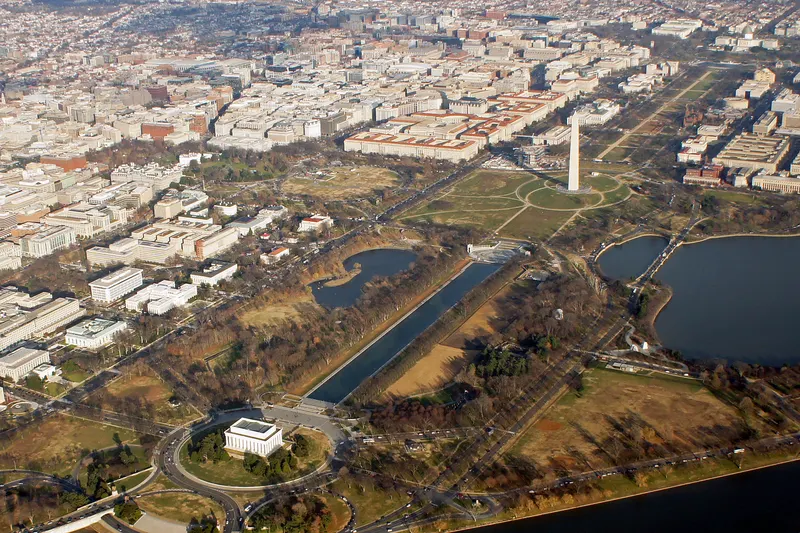
National Mall Guide, Washington, D.C.
How to plan the National Mall by section — the real walking distances, where the monuments and museum stops sit, and where to find shade, food, bathrooms, the nearest Metro and the best night routes.
Read guideMore in Events
6
Blossom Kite Festival, Washington, D.C.
How to enjoy the Blossom Kite Festival on the Washington Monument grounds — a free, one-day highlight of the National Cherry Blossom Festival, with timing, family notes, what to bring and how it fits into a blossom-season day on the Mall.
Read guide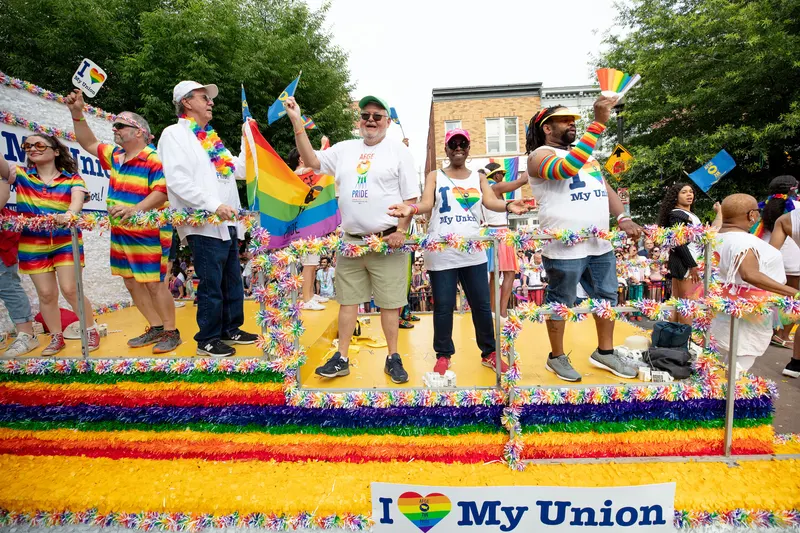
Capital Pride, Washington, D.C.
How to do Pride in the capital — Capital Pride's parade and festival, the historic Dupont Circle and Logan Circle/14th Street scene, U Street nightlife, where to stay, how to get around, and inclusive, practical planning for a busy June weekend.
Read guide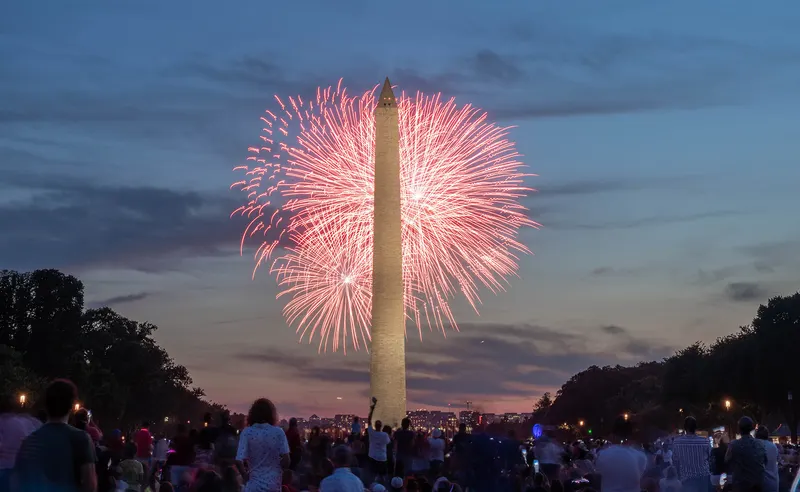
Fourth of July in Washington, D.C.
How to do Independence Day in the capital — the parade, the concert and the big fireworks over the National Mall — plus the security, closures, Metro reality and heat-smart planning, with calmer ways to watch if the crowds aren't for you.
Read guide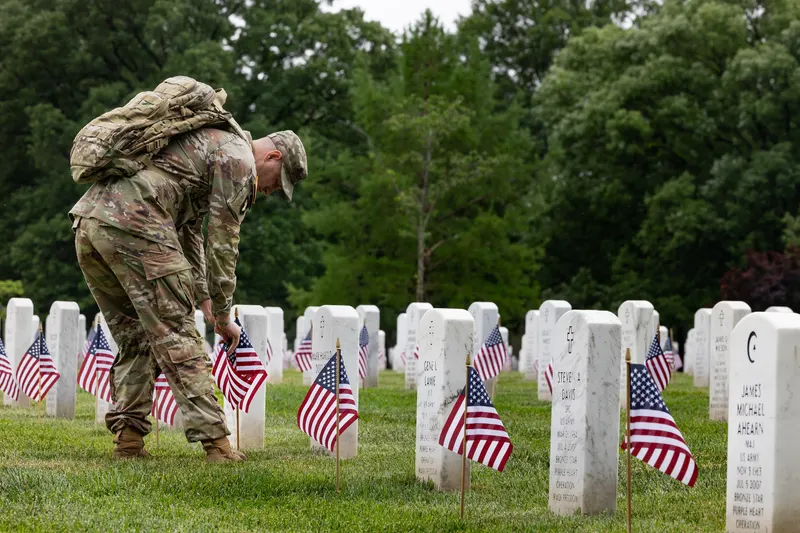
Memorial Day Weekend in Washington, D.C.
How to spend Memorial Day weekend in the capital with respect and good planning — Arlington's wreath-laying ceremony, the National Memorial Day Parade and Concert, the veterans' memorials on the Mall, plus crowd, weather and museum timing for the long weekend.
Read guide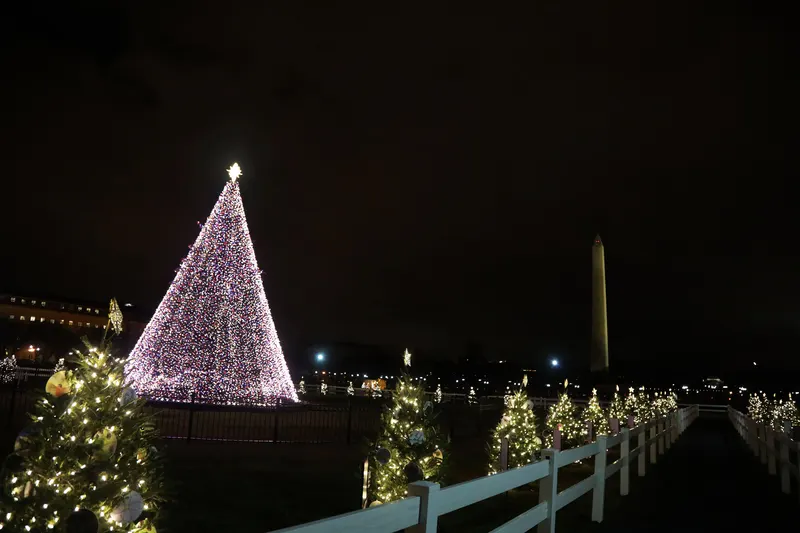
National Christmas Tree, Washington, D.C.
How to see the National Christmas Tree on the Ellipse — the lighting ceremony, the Pathway of Peace state trees, the model-train circle, the free nightly display through the holidays, and how it fits with the White House views and a December trip.
Read guide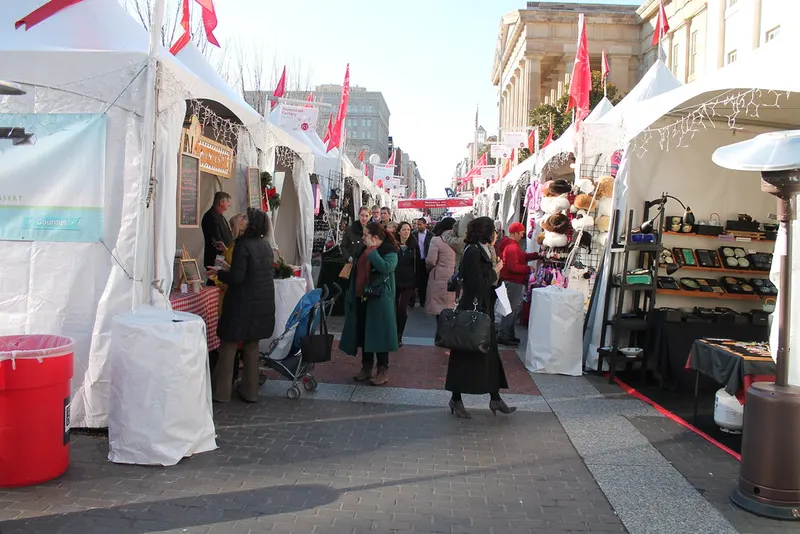
Washington, D.C. Holiday Markets
A guide to Washington's Christmas and holiday markets — the Downtown Holiday Market in Penn Quarter, the Wharf and Georgetown waterfronts, neighborhood craft fairs and church bazaars, plus the ice rinks and light displays nearby and how to plan a winter walking evening around them.
Read guide