
National Mall Guide, Washington, D.C.
How to plan the National Mall by section — the real walking distances, where the monuments and museum stops sit, and where to find shade, food, bathrooms, the nearest Metro and the best night routes.
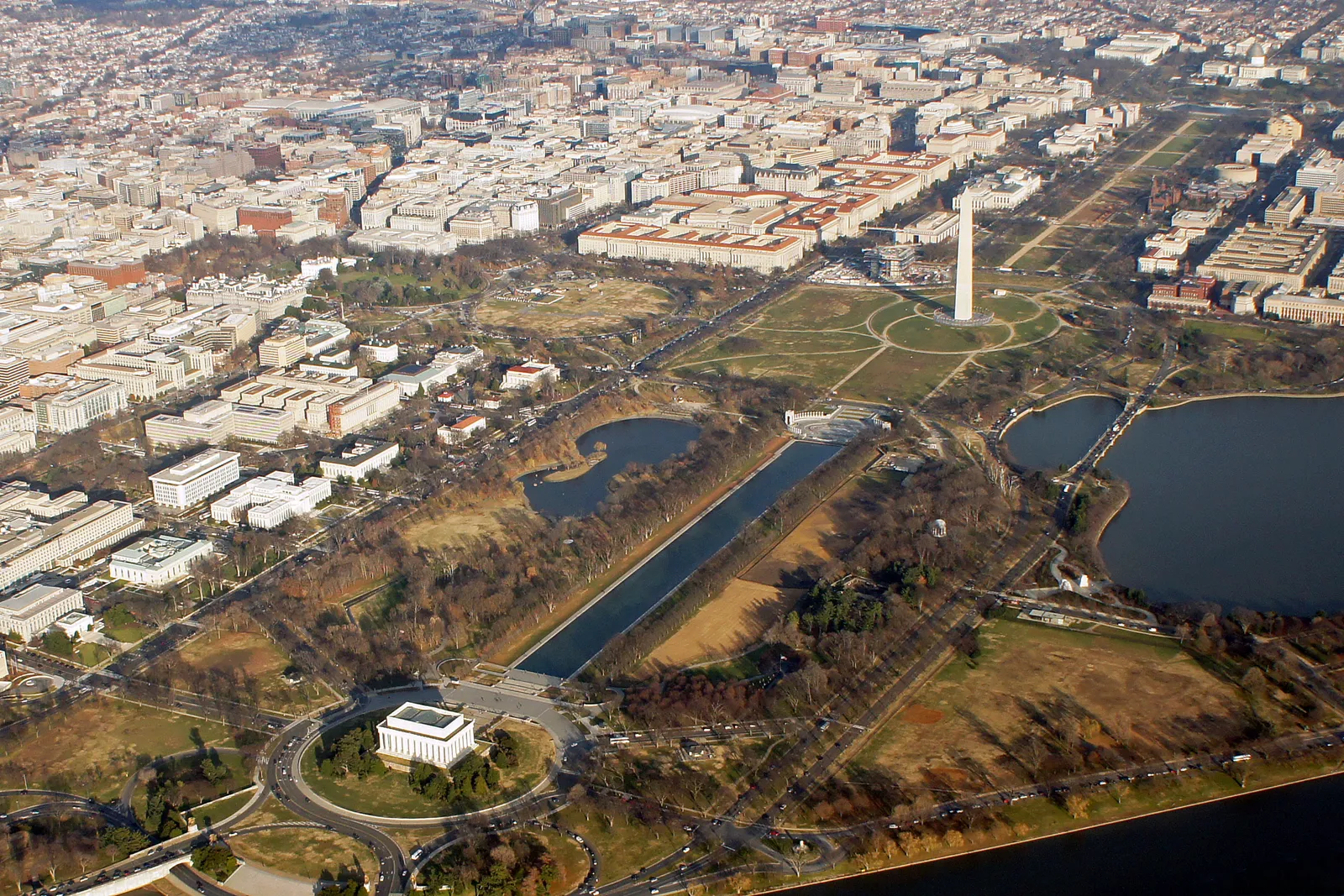
- ✓The Mall runs about two miles from the Capitol to the Lincoln Memorial — longer on foot than it looks.
- ✓Monuments are outdoor and free; museums line the central stretch; plan them as separate blocks.
- ✓There is little natural shade, so dawn and late afternoon beat the midday heat in summer.
- ✓Several Metro stations ring the Mall, but none sits dead-centre — pick your entry point by where you start.
- ✓Most monuments never close and are floodlit at night, when the crowds fall away.
What the National Mall actually is
The National Mall is the long, open, tree-lined corridor at the heart of Washington — a national park, managed by the National Park Service, that stretches roughly two miles from the United States Capitol in the east to the Lincoln Memorial in the west, with the Washington Monument rising on a low rise at its centre. It is not a shopping mall and not a single attraction but a civic landscape: gravel paths, lawns, the Reflecting Pool, and the great memorials and museums arranged along and around it.
Visitors get caught out by the scale. On a map the Mall looks compact; on foot it is genuinely long, and the central lawn is exposed, with little shade and few places to sit. Planning the Mall well is mostly about managing distance and heat, choosing a sensible route, and knowing where the practical things — bathrooms, water, food, the nearest train — actually are.
It helps to remember that the Mall was designed, not grown. Pierre L'Enfant's 1791 plan set the great central vista, and the early-twentieth-century McMillan Plan extended it westward with the Reflecting Pool and the reclaimed land that now holds the Lincoln Memorial and the Tidal Basin. That deliberate geometry is why the sightlines are so clean — and why the distances are longer than your instinct says. Walk it expecting a national park, not a city block.


The Mall by section
Think of the Mall in three stretches, each with its own character, and you will plan it far better than treating it as one giant walk.
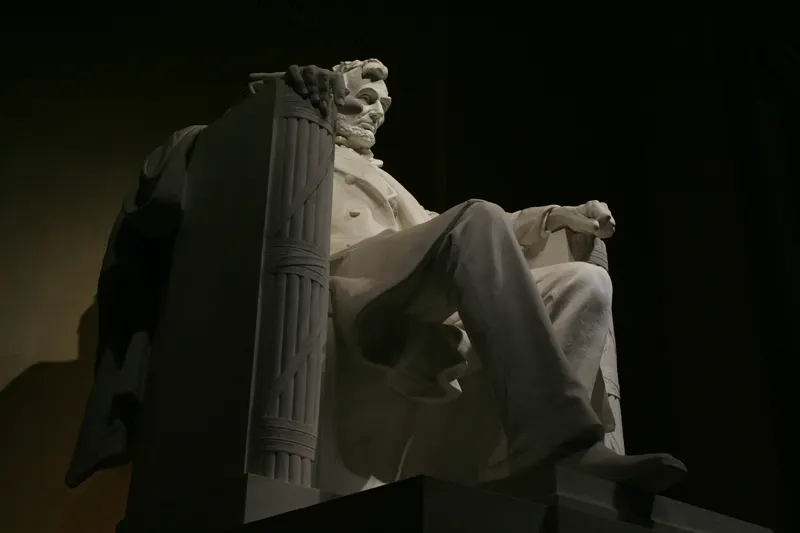
- West end (the monumental core): the Lincoln Memorial, the Reflecting Pool, the World War II Memorial, and just to the sides the Vietnam Veterans Memorial Wall and the Korean War Veterans Memorial. This is the most photogenic stretch and the best at night.
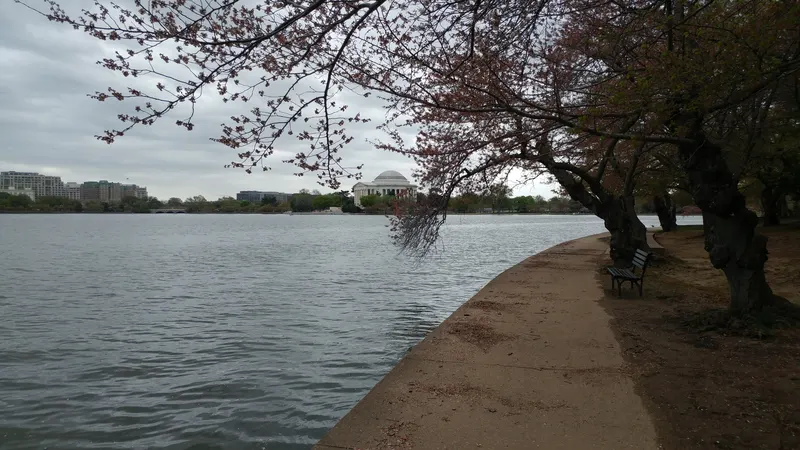
- Tidal Basin (south of the Monument): the Jefferson Memorial, the Franklin Delano Roosevelt Memorial and the Martin Luther King, Jr. Memorial ring the water, with the cherry trees in spring. It is a loop of its own, set apart from the central lawn.
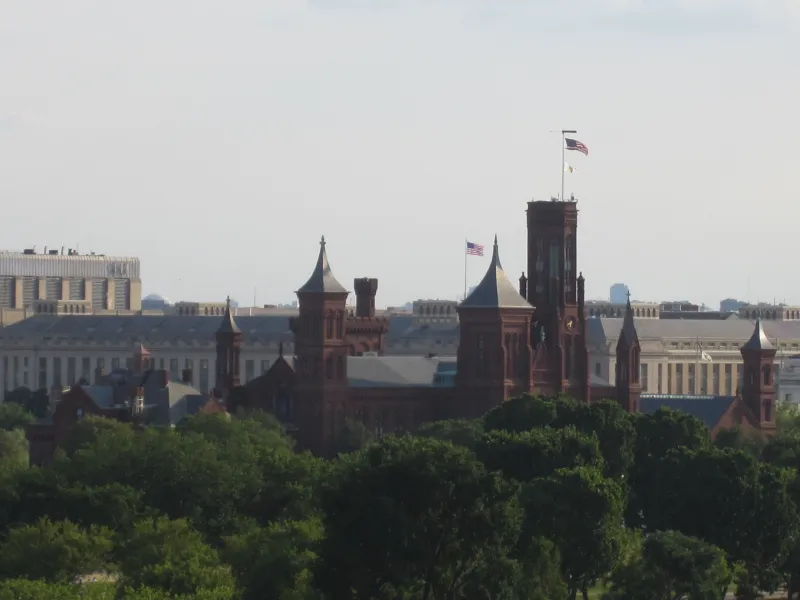
- Central lawn and museum row (Monument to Capitol): the open green where festivals happen, flanked by the Smithsonian museums and the National Gallery of Art, ending at the Capitol and the U.S. Botanic Garden.
Walking distances and a sensible route
End to end — Capitol to Lincoln — is roughly two miles one way, and a full out-and-back with the Tidal Basin loop and a couple of museum detours easily turns into five or six miles of walking in a day. That is fine if you pace it; it is punishing if you try to do it all at noon in August.
The route most first-timers enjoy: start early at the Lincoln Memorial end (when the light is good and the crowds are thin), work east past the war memorials to the Washington Monument, then either loop south to the Tidal Basin or carry on to the museums in the middle of the day. Save the Capitol-Hill cluster — Capitol, Library of Congress, Supreme Court — for a separate block, since it sits at the far end and has its own security and timing.
If walking the whole thing is too much, the Mall is well served by the seasonal DC Circulator-style routes and rideshare drop-offs; check current local transit options before you rely on a specific shuttle, as routes change.


Shade, food, water and bathrooms
The Mall's biggest practical weakness is comfort. The central lawn has very little shade, so in summer the trees along the edges, the museum interiors and the area around the Tidal Basin are your friends. Carry water — there are fountains, but they are not everywhere — and use the air-conditioned museums as cooling breaks built into the route.
Food on the Mall itself is mostly seasonal kiosks and museum cafés: convenient but not memorable, and often pricey. The smarter plan is to treat lunch as a quick refuel and save real meals for the surrounding neighbourhoods — Penn Quarter and downtown to the north, The Wharf to the south, Capitol Hill and Eastern Market to the east. Bathrooms are reliable inside the museums and the Capitol Visitor Center, with public restrooms at several monument sites.

Getting there by Metro
No single Metro station sits in the middle of the Mall, so pick your entry by where you want to start. For the central museum row, the Smithsonian station (Blue/Orange/Silver lines) opens right onto the lawn near the Washington Monument. For the Capitol end, Capitol South or Federal Center SW are closest. For the west and the Lincoln Memorial, Foggy Bottom is the nearest, though it still leaves a walk. Verify line colours and station status on WMATA before you travel, as service changes.
A SmarTrip card or the mobile equivalent covers rail and bus, and staying near a Metro station anywhere in the core means you can reach the Mall in minutes. Driving and parking around the Mall is difficult and best avoided.


The Mall after dark
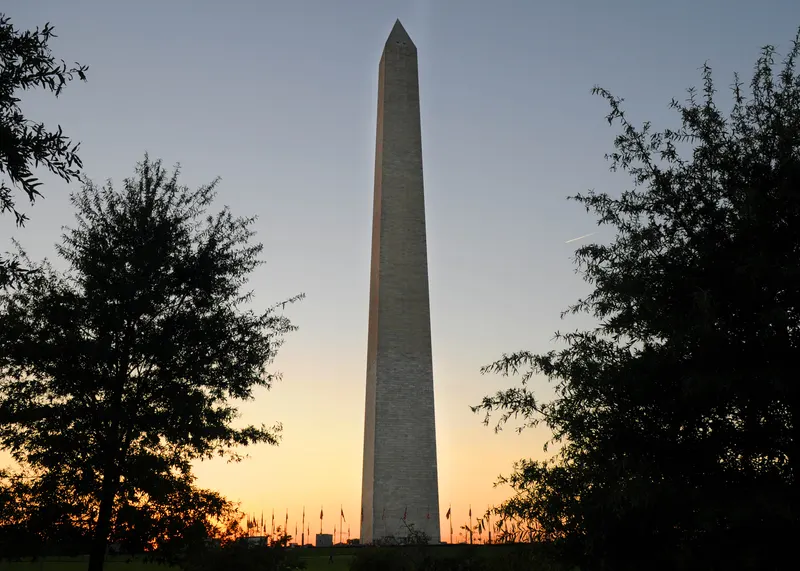
The Mall is at its best in the evening. Most of the monuments never close and are floodlit after sunset, the daytime crowds disappear, and the whole landscape takes on a calm it never has by day. The Lincoln Memorial looking down a dark Reflecting Pool, the Washington Monument lit against the sky, the Jefferson mirrored in the Tidal Basin — these are the images people carry home.
It is generally well-travelled and lit in the monumental core, but it is still a large open park at night, so stick to the well-used paths, keep your group together, and use common sense after the crowds thin. If you'd rather not navigate solo, a guided monuments-by-night tour by bike or trolley does the route for you and adds the stories.

A sample day on the Mall
If you want a ready-made shape for the day, here is one that works for most first-timers and keeps the heat and the crowds on your side. Start at the Lincoln Memorial end soon after sunrise, while the light is soft and the steps are quiet, and walk the west-end loop: Lincoln, then the Vietnam Veterans Memorial just north, the Korean War Veterans Memorial just south, and the World War II Memorial at the head of the Reflecting Pool. That is four major memorials before the day has properly warmed up.
From there, swing south to the Tidal Basin for the Jefferson, FDR and MLK memorials while it is still cool, then retreat into the air-conditioned museums for the hot middle of the day — pick two or three rooms, not whole buildings. Break for an early dinner in a nearby neighbourhood rather than on the lawn, then come back at dusk for the monuments lit up. Done this way, a single day on the Mall covers almost everything a first visit needs without ever feeling like a forced march.

National Mall FAQ
How long does it take to walk the National Mall? End to end (Capitol to Lincoln Memorial) is about two miles one way, so a straight walk is under an hour, but a real visit with monument stops, the Tidal Basin loop and a museum or two fills most of a day.
Is the National Mall free? Yes — the Mall, its monuments and the Smithsonian museums and National Gallery along it are all free to enter. A few sights use free timed-entry passes (verify), and the Washington Monument needs a ticket to go up.
What is the closest Metro to the National Mall? The Smithsonian station sits right on the central lawn; Capitol South serves the east end and Foggy Bottom is nearest the west, though none is dead-centre.
When is the best time to visit the Mall? Early morning or late afternoon for cooler temperatures, better light and thinner crowds — and at least one evening for the lit monuments. Spring and autumn are the most comfortable seasons overall.

Related guides

Washington, D.C. Monuments & Memorials Guide
Which of Washington's monuments and memorials to prioritise, the most efficient way to walk them, and when to come for fewer crowds — from the Lincoln and Jefferson to the war memorials and the Tidal Basin.
Read guide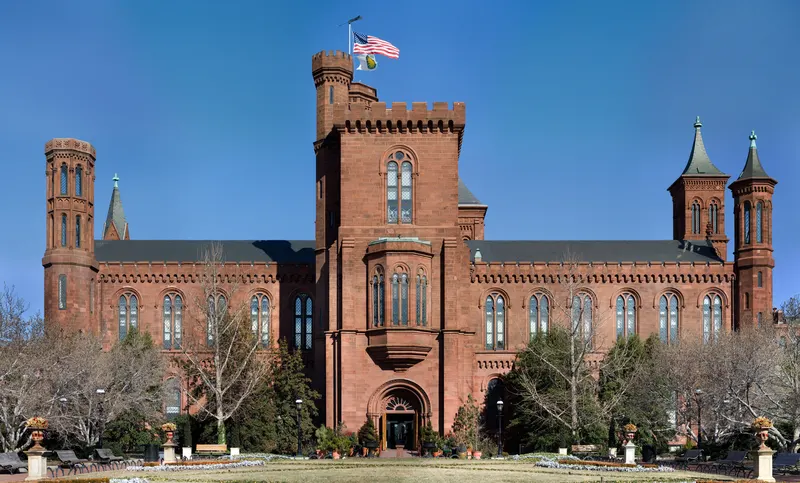
Smithsonian Museums Guide
How to plan a sane day across Washington's free Smithsonian museums — which to prioritise by interest and age, which need free timed-entry passes, how long each really takes, where to eat, and how the buildings line up along the National Mall.
Read guide
Washington, D.C. Monuments by Night
An atmospheric, sensible evening route through Washington's floodlit memorials — the Lincoln, the war memorials, the Tidal Basin loop and the Washington Monument — with self-guided and guided-tour options, and honest safety advice.
Read guideMore in Things to Do
6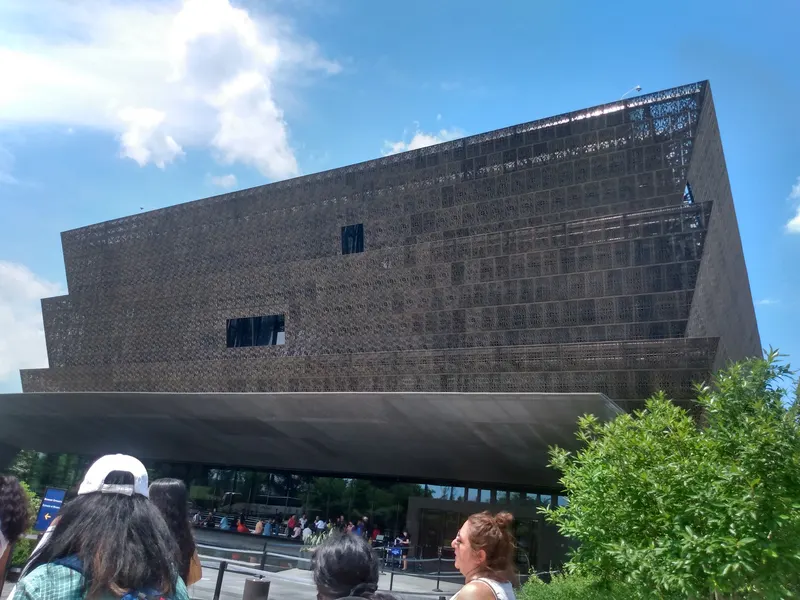
African American History Museum Guide
How to visit the National Museum of African American History & Culture on the Mall — the free timed-entry passes and how to get one, the deep underground history galleries, Sweet Home Café, the lines, how to pace an emotionally heavy visit, and the walk along the Mall.
Read guide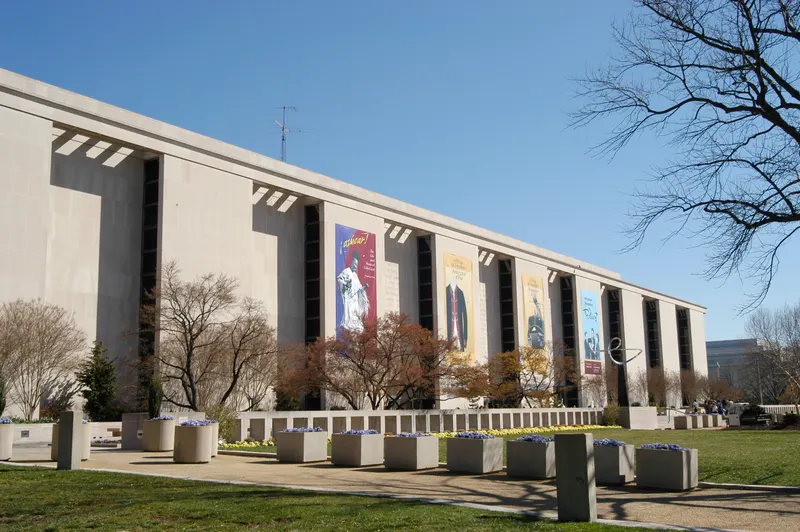
American History Museum Guide
How to visit the National Museum of American History on the Mall — the original Star-Spangled Banner, the First Ladies' gowns, the American presidency, the pop-culture icons, the food-court logistics, and how to time a visit around the school groups.
Read guide
Best Museums in Washington, D.C.
Washington has more world-class museums than any sane trip can hold, and almost all of them are free. This is a guide to the best museums in DC sorted by topic, age, ticket needs, location and rainy-day value — so you can choose two or three with confidence instead of trying to see them all.
Read guide
Best Photography Spots in Washington, D.C.
Where to make great photographs in Washington — the monument reflections, the Tidal Basin blossoms, the Capitol and Lincoln axis, Georgetown's waterfront, hidden rooftops and the golden-hour and blue-hour routes that tie them together.
Read guide
Best Things to Do in Washington, D.C.
A ranked first-trip shortlist of the best things to do in Washington, D.C. — from the National Mall and the free Smithsonian museums to a Capitol tour, the Tidal Basin and Georgetown — built so you can pick a handful and still feel you saw the city.
Read guide
Best Viewpoints in Washington, D.C.
Where to find the best views in Washington — the high monuments and free towers, the rooftop bars and cultural terraces, and the river and hilltop overlooks across the Potomac, ranked by how much effort each one asks.
Read guide