
Washington, D.C. Holiday Markets
A guide to Washington's Christmas and holiday markets — the Downtown Holiday Market in Penn Quarter, the Wharf and Georgetown waterfronts, neighborhood craft fairs and church bazaars, plus the ice rinks and light displays nearby and how to plan a winter walking evening around them.
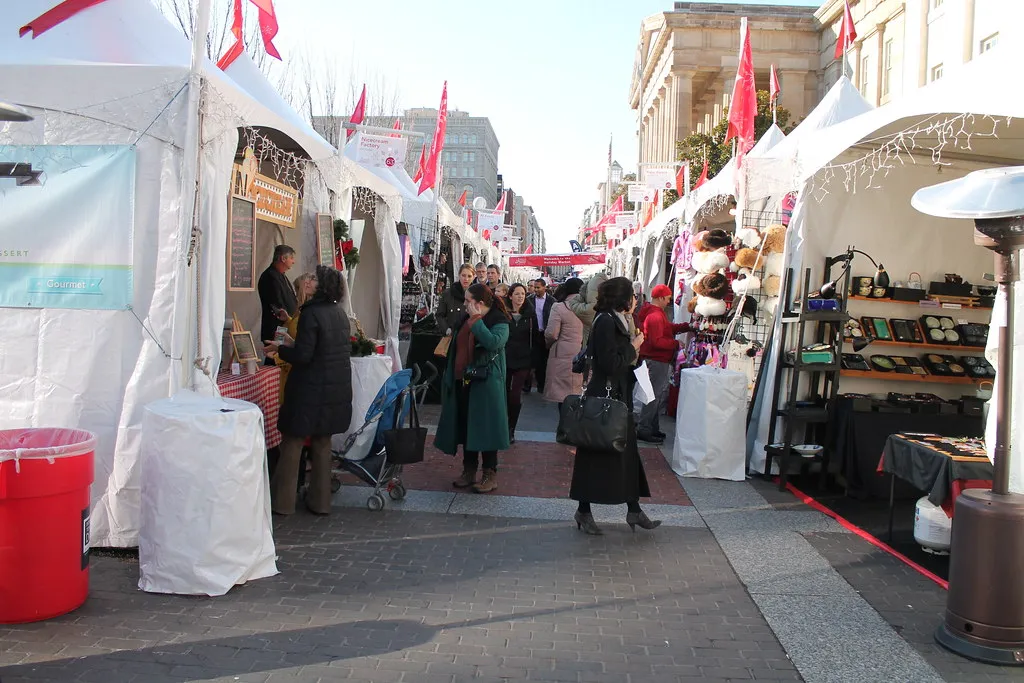
Photo: Elvert Barnes / Wikimedia Commons · CC BY-SA 2.0
- ✓The Downtown Holiday Market in Penn Quarter is the city's biggest and most central — dozens of craft and food stalls on a closed-off block by the Portrait Gallery.
- ✓The Wharf and Georgetown waterfronts add festive markets with riverfront lights, food and outdoor ice rinks within walking distance.
- ✓Neighborhood craft fairs, church bazaars and pop-up markets fill December weekends across Capitol Hill, Eastern Market and beyond.
- ✓Most markets are free to enter and best after dark — bring cash and a card, dress for the cold, and plan to eat as you browse.
- ✓Dates and hours shift year to year, so verify the current season before building an evening around any single market.
How DC does Christmas markets
Washington's holiday markets are smaller and more scattered than the famous European Christmas markets, but that is part of their charm — they cluster in walkable neighborhoods, run alongside the city's free museums and lit monuments, and rarely cost a thing to wander through. From late November into the days around Christmas, wooden stalls and pop-up tents appear downtown, on the waterfronts and across the neighborhoods, selling crafts, ornaments, warm food and seasonal drinks under strings of lights.
The pattern is reliable even if the details move. A handful of large, established markets anchor the season — the downtown one above all — while dozens of one-day and weekend craft fairs, church bazaars and school markets fill the calendar around them. Most are outdoors, most are free to enter, and most are at their best after dark, when December's early sunset turns the lights on by mid-afternoon and the cold gives mulled cider its point.
Because dates, hours and even locations shift from year to year, treat the markets below as the season's usual shape rather than a fixed schedule. Verify the current run before you commit an evening, and have a warm indoor backup — a museum, a food hall, a café — for when the cold wins. The markets reward a flexible plan more than a rigid one.

The Downtown Holiday Market, Penn Quarter
The centrepiece is the Downtown Holiday Market, which sets up each December along F Street in Penn Quarter, right outside the Smithsonian American Art Museum and National Portrait Gallery. It is the city's largest and most central market: an open-air run of stalls from dozens of regional artisans and food vendors, selling handmade jewellery, ceramics, prints, ornaments, hats and gloves, plus hot drinks and snacks to eat as you walk. It typically runs daily for several weeks up to around Christmas Eve, into the evening.
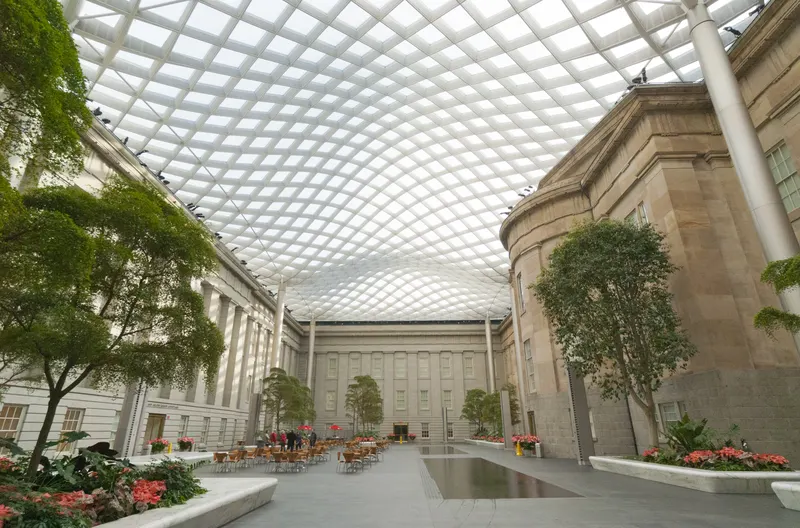
Its location is the real advantage. You are steps from a Metro station, two free museums whose galleries make a warm interval between cold laps of the stalls, and the whole Penn Quarter cluster of restaurants and theaters for afterward. A sensible evening: browse the market, duck into the Portrait Gallery's covered Kogod Courtyard to warm up, then carry on to dinner nearby. It is the one market that needs no special trip — it sits in the middle of where many visitors already are.

Waterfront markets: the Wharf and Georgetown
Two waterfronts add festive markets with their own atmosphere. The Wharf, on the Southwest Waterfront, leans into the season with riverside lights, holiday programming and an outdoor ice rink, plus a strip of restaurants and bars right there for when the cold sets in — a good choice if you want the market folded into a full evening out by the water. Georgetown's waterfront and its main shopping streets likewise dress for the holidays, with light displays, an ice rink near the water and the neighborhood's boutiques in full festive swing.
Both reward pairing the market or lights with what else those neighborhoods already offer: dinner and music at the Wharf, or browsing and a riverside walk in Georgetown. They take a little more effort to reach than downtown — Georgetown in particular has no Metro station of its own — but the waterfront setting and the ice rinks make them worth the trip on a clear cold evening.
- The Wharf: riverfront lights, holiday events and an outdoor ice rink, with restaurants and bars on the spot.
- Georgetown: festive streets, waterfront lights and an ice rink — pair with shopping and a riverside walk.
- Both are better as a whole evening out than a quick market stop; check the season's hours and rink schedule.


Neighborhood fairs, markets and bazaars
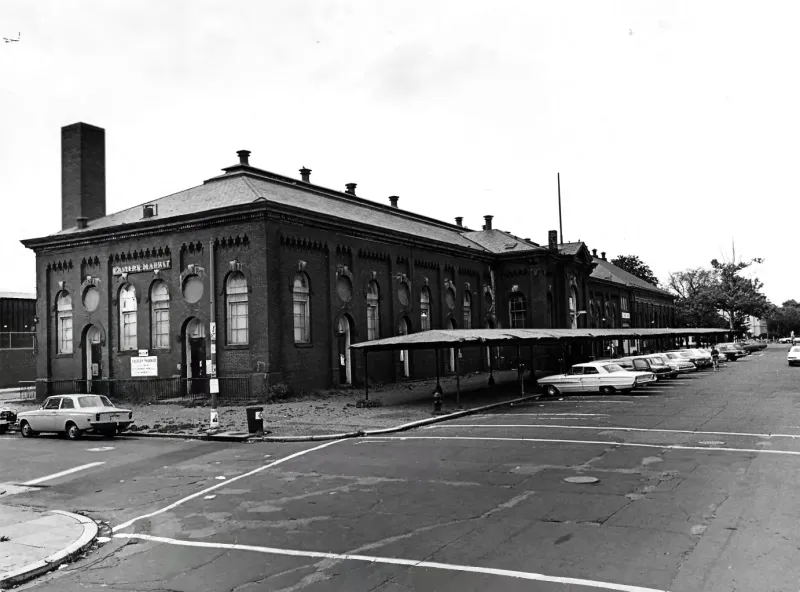
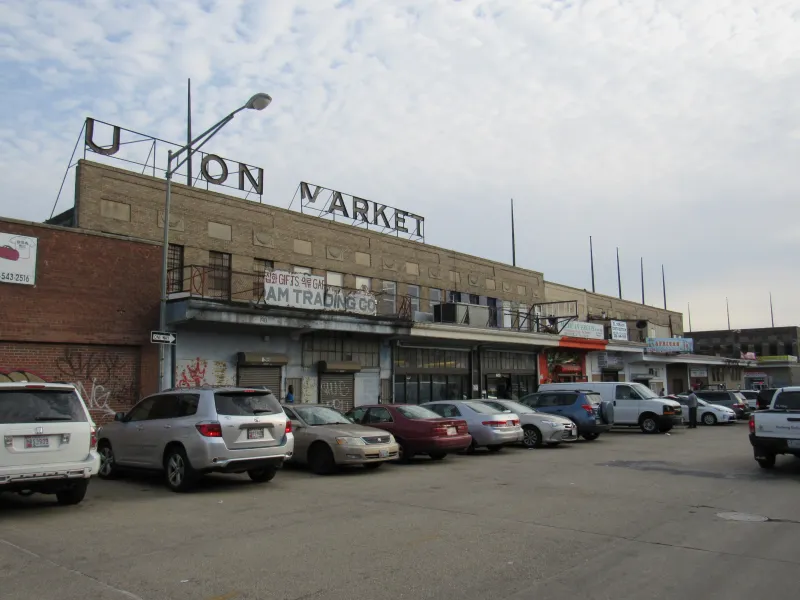
Beyond the big names, December fills with smaller markets that often have more character than the headline ones. Eastern Market on Capitol Hill runs its weekend market year-round and tilts seasonal in December, with the indoor South Hall and the outdoor arts-and-crafts stalls offering ornaments, gifts and local food — an easy pairing with a Capitol Hill morning. Union Market and the city's food halls host holiday pop-ups and craft fairs, and church bazaars, school markets and one-day artisan fairs appear across Capitol Hill, Dupont, Shaw and elsewhere on December weekends.
These smaller markets are where you find the handmade and the local rather than the mass-produced, and they tend to be calmer and more neighborhood-feeling than the downtown crowds. The trade-off is that many run only on specific weekends or single days, so they take a little research — watch neighborhood listings and the venues' own schedules as your dates approach. A loose plan that lets you drop in on whatever is on that weekend works far better than chasing one specific fair across town.
- Eastern Market: weekend indoor-and-outdoor market on Capitol Hill, with a seasonal lean in December.
- Union Market & food halls: holiday pop-ups and craft fairs, plus warm indoor cover and food.
- Church bazaars, school markets and one-day artisan fairs across the neighborhoods most December weekends.
- Many are single-day or weekend-only — check neighborhood listings close to your dates and stay flexible.
Ice rinks and lights nearby
The markets rarely stand alone — most sit a short walk from the season's ice rinks and light displays, and the best winter evenings string them together. The Sculpture Garden rink beside the National Gallery on the Mall is a downtown classic, an easy add to the Penn Quarter market; the Wharf and Georgetown rinks pair with their waterfront markets; and the National Christmas Tree on the Ellipse, lit free each evening, is within walking distance of the downtown stalls. The National Zoo's seasonal lights are a separate, ticketed evening for families when the year's schedule allows.
Build the cold into your plan rather than fighting it: alternate outdoor market and rink stretches with warm indoor breaks in the free museums and food halls, and time the whole thing for after dark when the lights carry the evening. Bring both cash and a card — some small stall-holders are cash-only — and wear more layers than you think you need, because you will linger longer than you expect.
- Pair the downtown market with the Sculpture Garden ice rink and the National Christmas Tree, all within walking distance.
- Time markets and lights for after dark — December's early sunset does half the work.
- Carry cash and a card; some independent stall-holders take cash only.
- Layer up and plan warm indoor breaks — free museums and food halls between the cold stretches.
- Verify every rink, market and light schedule near your dates; they all move year to year.
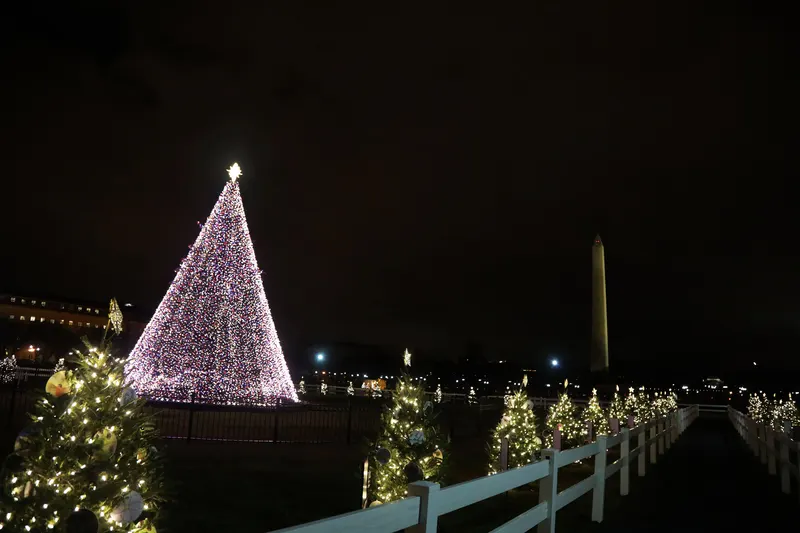 National Christmas Tree
The free nightly display on the Ellipse — within walking distance of the downtown market.
 Monuments by night
Carry a market evening on to the lit memorials a short walk away on the Mall.
 Christmas itinerary
A festive day-by-day plan that ties the markets, lights and rinks together.
Related guides
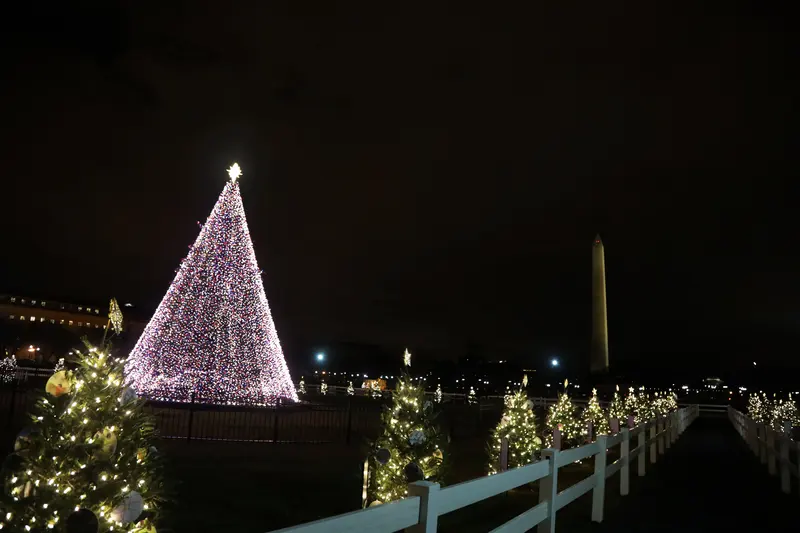
Washington, D.C. in December
The festive month — the National Christmas Tree on the Ellipse, holiday markets and ice rinks, the warm free museums, and the year's prettiest monuments-by-night cold. How to plan a December trip around the lights, the closures and the winter weather.
Read guideNational Christmas Tree, Washington, D.C.
How to see the National Christmas Tree on the Ellipse — the lighting ceremony, the Pathway of Peace state trees, the model-train circle, the free nightly display through the holidays, and how it fits with the White House views and a December trip.
Read guide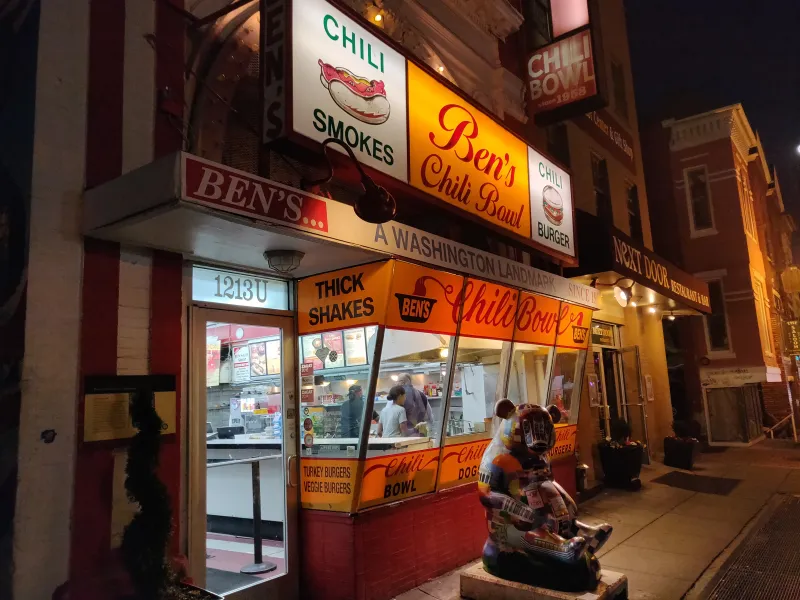
Food & Drink in Washington, D.C.
The complete guide to eating and drinking in Washington, D.C. — the half-smoke and mumbo sauce, the Ethiopian restaurants of Shaw, Chesapeake crab, food halls and markets, rooftop bars with monument views, brunch, coffee and food tours, all sorted by neighbourhood and mood.
Read guideMore in Events
5
Blossom Kite Festival, Washington, D.C.
How to enjoy the Blossom Kite Festival on the Washington Monument grounds — a free, one-day highlight of the National Cherry Blossom Festival, with timing, family notes, what to bring and how it fits into a blossom-season day on the Mall.
Read guide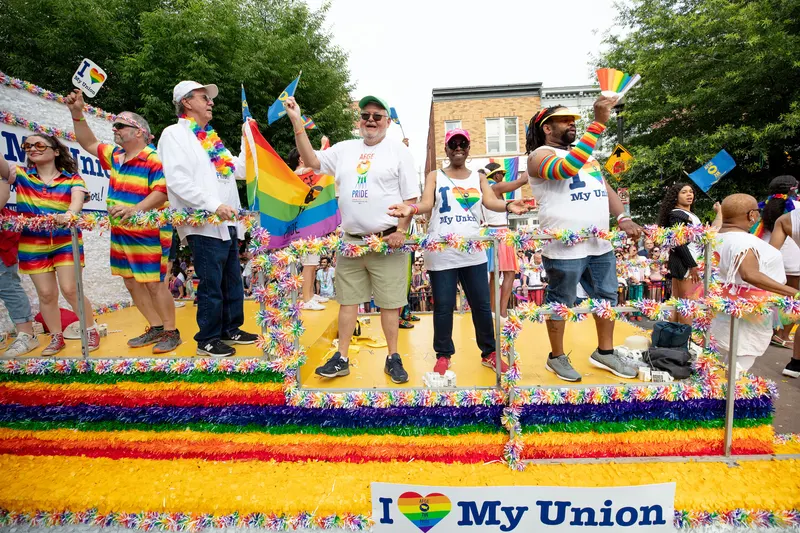
Capital Pride, Washington, D.C.
How to do Pride in the capital — Capital Pride's parade and festival, the historic Dupont Circle and Logan Circle/14th Street scene, U Street nightlife, where to stay, how to get around, and inclusive, practical planning for a busy June weekend.
Read guide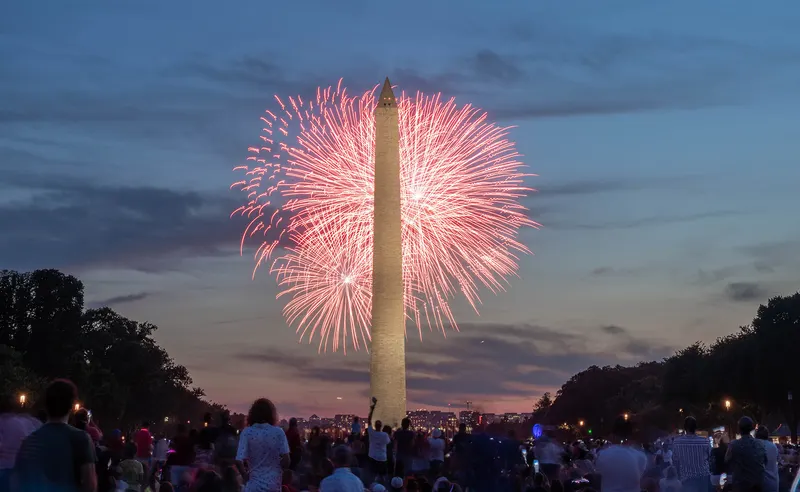
Fourth of July in Washington, D.C.
How to do Independence Day in the capital — the parade, the concert and the big fireworks over the National Mall — plus the security, closures, Metro reality and heat-smart planning, with calmer ways to watch if the crowds aren't for you.
Read guide
Memorial Day Weekend in Washington, D.C.
How to spend Memorial Day weekend in the capital with respect and good planning — Arlington's wreath-laying ceremony, the National Memorial Day Parade and Concert, the veterans' memorials on the Mall, plus crowd, weather and museum timing for the long weekend.
Read guide
Smithsonian Folklife Festival
How to visit the free Smithsonian Folklife Festival on the National Mall — the summer celebration of living cultural traditions around the Fourth of July, with timing, heat and Metro logistics, what to expect, and family and food notes.
Read guide