
Are Washington, D.C. Passes Worth It?
An honest look at whether a bundled DC attraction pass saves you money — why a city built on free museums and monuments changes the maths, and the short list of paid sights where a pass or a single ticket actually helps.

- ✓DC is the city where attraction passes save the least — most of what visitors come for is already free.
- ✓Bundled passes only pay off if you'll genuinely visit several paid attractions in a short window — and rush them.
- ✓The honest test: list the paid sights you actually want, add up the single tickets, and only then compare a pass.
- ✓Prices and inclusions change constantly — treat any figure as 'verify on the official pass site this week'.
Why DC is different
In most big cities, a sightseeing pass makes obvious sense because the headline attractions all charge admission. Washington is built the other way around. The monuments on the National Mall are free and never close. The Smithsonian museums — seventeen of them — are free. The National Gallery of Art is free. The Capitol tour, the Library of Congress and the great government interiors are free. The single biggest chunk of any DC trip costs nothing, so a pass that bundles paid attractions is competing with a city that mostly doesn't have any.
That's why the usual advice — 'just buy the pass' — doesn't transfer here. A bundle only saves money on the slice of your trip that is paid, and in DC that slice is small. The right answer isn't a blanket yes or no; it's a quick piece of arithmetic that almost always tilts toward paying as you go.

When a pass can pay off
Passes aren't a trap; they're just narrow. A bundled attraction pass can come out ahead if a specific kind of trip is true for you: you intend to visit several of the city's paid attractions, you'll do them in a tight cluster of days, and you don't mind moving briskly. The paid sights that show up on DC bundles tend to include the International Spy Museum, observation or experience attractions, hop-on-hop-off buses, boat cruises and the like — visit four or five of those in two or three days and a pass can genuinely beat buying each ticket.
The catch is the behaviour a pass encourages. To 'win' on a bundle you have to keep visiting paid attractions to clear the cost, which can push you past the free museums and monuments that are the actual point of DC. If a pass would have you skipping the Mall to get your money's worth out of a boat tour, it has cost you something money can't measure.

When a pass isn't worth it
For most first-time visitors, a bundled pass isn't worth it. If your days revolve around the Mall, the Smithsonian museums, the monuments and a Capitol tour, you are spending almost nothing on admission to begin with, and there's no bundle to beat. Slow travellers lose out too: passes are usually time-limited from first use, so a relaxed pace — two museums a day, long walks, a sit-down lunch — rarely racks up enough paid entries to break even.
Families should be especially wary. Children's pass prices, the pace small kids actually keep, and the fact that the free museums are some of the most kid-friendly in the country all work against a bundle. In most cases the honest answer for a family is to skip the pass, enjoy the free city, and pay singly for the one or two paid attractions the kids really want.
The two-minute test
Skip the marketing and do this instead. It takes a couple of minutes and gives you the real answer for your trip — and because prices and what's included change all the time, always run it against the current figures on the official pass and attraction sites.
- List only the paid attractions you genuinely want to visit (be honest — drop the 'maybes').
- Add up their current single-ticket prices from each official site.
- Compare that total to the pass price for the right number of days and people.
- Subtract the free sights you'll spend most of your time at — they don't need any pass.
- If the singles total clearly beats the pass, pay as you go. If the pass wins and you'll really visit everything, buy it.
- Factor your pace: a time-limited pass rarely pays off on a slow, museum-and-monuments trip.


Free passes are a different thing entirely
One source of confusion is worth clearing up: the word 'pass' means two very different things in DC. A bundled attraction pass is the paid product this page is weighing. A timed-entry pass — for Air & Space, the African American History museum, the Zoo or the Washington Monument — is free, reserves a slot rather than admission, and has nothing to do with saving money. You may well need the second kind even on a trip where the first kind makes no sense.
So don't let a paid-pass decision bleed into the free ones. Handle the free timed passes regardless of whether you buy any bundle — they're about getting in, not about cost — and keep the bundle question to the small set of genuinely paid attractions.

The bottom line
For the great majority of visitors — first-timers, families, slow travellers, anyone whose trip centres on the Mall and the museums — a bundled DC pass simply isn't worth it, because the city has already done the discounting by making its best attractions free. The exception is the brisk, attraction-hungry traveller who'll genuinely tick off several paid sights in a few days, for whom a bundle can shave real money. Run the two-minute test, be honest about your pace, and let the arithmetic decide rather than the marketing.

Related guides

Free Things to Do in Washington, D.C.
Washington is the rare capital built to be open to the public — its monuments, its biggest museums and its gardens cost nothing. This is a full guide to the free things to do in DC, from the Smithsonian and the National Gallery to the Mall after dark, the Botanic Garden, the Kennedy Center's nightly free stage and the neighbourhoods between.
Read guide
Best Washington, D.C. Tours
When a tour is genuinely worth it in Washington and when the city is better free and self-guided — monument night tours, bike and Segway loops, food and neighbourhood walks, official Capitol and government-building tours, and the day trips that need a coach.
Read guide
Washington, D.C. on a Budget
How to do Washington, D.C. cheaply without missing the point — free museums and monuments, where to save on hotels and Metro, smart ways to eat well for less, low-cost tours, and day trips that don't blow the budget. A practical, area-by-area money plan for a city whose best sights are already free.
Read guideMore in Travel Tips
6
Accessible Washington, D.C.
How to visit Washington with mobility, distance or stamina in mind — the step-free Metro, the largely flat but very long Mall, accessible museums and memorials, taxis and rideshare, and ways to build a low-walking plan that still reaches the city's best places.
Read guide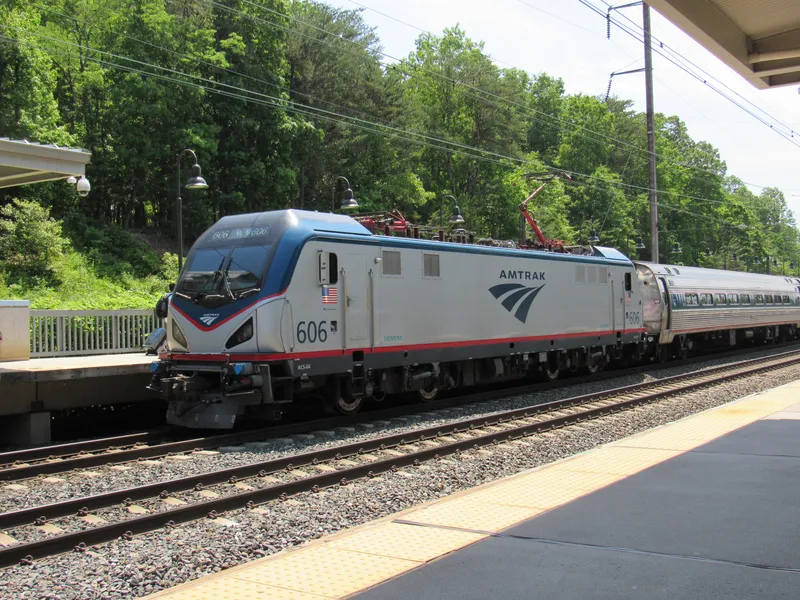
BWI Airport to Washington, D.C.
How to get from Baltimore/Washington International (BWI) into Washington, D.C. — the MARC and Amtrak trains via the BWI rail station, the free terminal shuttle, taxis and rideshare, and an honest look at whether BWI is the right airport for a DC trip.
Read guide
Capitol & White House Tour Planning
How official tours of the two most famous buildings in Washington actually work — the request windows, who to ask, the security to expect, realistic odds, and the strong free backups if a tour doesn't come through.
Read guide
Dulles Airport to Washington, D.C.
How to get from Dulles International Airport (IAD) into Washington, D.C. — the Silver Line Metro, the Washington Flyer and 5A-style buses, taxis and rideshare, and the honest tradeoffs by time of day, budget and where your hotel sits.
Read guide
How to Get Around Washington, D.C.
A clear, realistic answer to how to get around Washington, D.C. without a car — when to simply walk, when the Metro is fastest, where buses fill the gaps, when a taxi or rideshare earns its fare, and how bikes and tour buses fit in. Plain trade-offs for a city built to be crossed on foot and by rail.
Read guide
Is Washington, D.C. Safe for Tourists?
An honest, practical answer to whether Washington, D.C. is safe for visitors — what the tourist core is actually like, how the Metro and monuments feel day and night, sensible advice for families and solo travelers, what to know about protests and demonstrations, and the heat that is the season's real risk.
Read guide