
Smithsonian Timed-Entry Passes
Which Smithsonian sites use free timed-entry passes, how the online releases and same-day batches tend to work, and which equally good museums to pivot to if your slot has gone.

Photo: Sara Cottle / Unsplash
- ✓Every Smithsonian museum is free — a pass, where it's needed, reserves a slot, not admission, and never costs anything.
- ✓Most Smithsonian museums are plain walk-in. Only the highest-demand sites have used timed entry, and the policy shifts season to season.
- ✓When passes are required, there's usually an online release ahead of time plus a smaller same-day batch in the morning.
- ✓If slots are gone, the Mall is full of equally rich free museums next door — pivoting is easy and costs you nothing.
What a Smithsonian pass actually is
First, the reassuring part: the Smithsonian is free, full stop. There is no admission charge to any of its museums, and a timed-entry pass — where one is used — does not change that. The pass is simply a way to spread arrivals through the day so the most popular buildings don't overflow at opening. You reserve a window, you turn up in that window, you walk in for nothing. Think of it as a free queue ticket, not a price of entry.
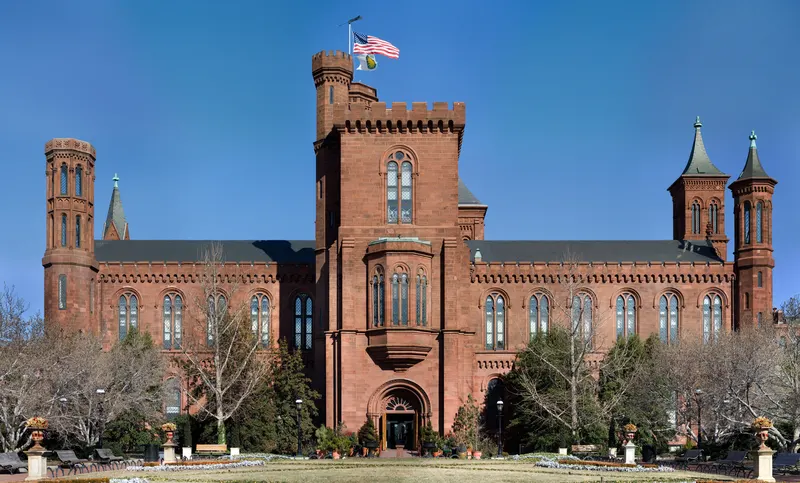
Just as importantly, most Smithsonian museums need no pass at all. The majority are pure walk-in: turn up, clear the bag check, wander in. Timed entry is the exception, reserved for a short list of the highest-demand sites, and even that list changes from season to season. So the whole topic is narrower than it first appears — a handful of museums to handle, and the rest left open.

Which sites have used timed entry
The two names worth planning around are the National Museum of African American History & Culture and the National Air and Space Museum. Both have used free timed-entry passes in recent seasons — Air & Space partly because of its long, phased renovation, and African American History because demand has stayed high since it opened. The Smithsonian's National Zoo up in Woodley Park has also used a free entry-pass system. Beyond those, most Smithsonian buildings — Natural History, American History, the art museums — have generally been walk-in.
Because these requirements come and go, the only safe move is to check each museum's own page on the Smithsonian site shortly before your trip. If it says passes are required, reserve one; if it doesn't, just turn up. Don't assume a pass you needed last year is still required this year, and don't assume a walk-in museum hasn't switched the other way.
How the releases tend to work
When a Smithsonian site does use passes, the pattern has usually been twofold: a block of timed passes released online some weeks ahead, and a smaller batch of same-day passes released online early on the morning of the visit. The advance block lets you lock a slot before you fly; the same-day batch is the safety net if you didn't, or if you're being spontaneous. Both are free, and both can disappear quickly in spring around the cherry blossoms and through the summer school-trip season.
The practical trick is the same as for any timed release: find the exact release time on the official page, set a reminder, and be ready at your screen the minute it opens rather than browsing a few days later. For the same-day batch, that often means reserving from your hotel over breakfast before you head to the Mall. Build the museum around the slot you got, not the slot you wanted.
- Advance online: reserve weeks ahead the moment the window opens — best for a fixed plan.
- Same-day online: a smaller batch released in the morning — your backup if you didn't pre-book.
- Peak seasons (cherry-blossom spring, summer) clear fastest; quiet weekday mornings in winter are easiest.
- It's free either way — a pass reserves time, never admission.
If the slots are gone
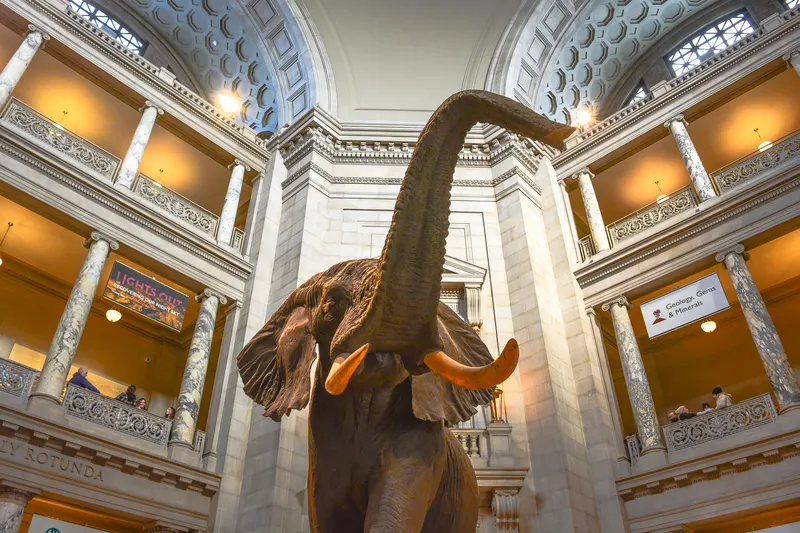
Missing a pass is barely a setback in Washington, because the Mall is wall-to-wall with first-rate free museums you can walk straight into. Couldn't get into Air & Space? The National Museum of Natural History — dinosaurs, the Hope Diamond, the ocean hall — is a short walk and almost always walk-in. The National Gallery of Art (not a Smithsonian, but also free) and the National Museum of American History sit nearby and rarely need reservations. You are never short of a great indoor option.
So the strategy writes itself: pre-book the one or two passes you really want, keep a walk-in museum on standby for each, and don't let a sold-out slot derail the day. Check status the morning of — and remember that almost everything around you is open, free, and waiting.


Common questions, answered honestly
A few things trip people up every season. The short version: a pass is free, it doesn't replace the bag check, and it ties you to a window rather than a precise minute — but turning up wildly early or late can still mean a wait. Here are the practical answers most visitors are after.
- Do I need a pass for every Smithsonian? No — most are walk-in. Only a short, changing list (historically Air & Space, African American History, the Zoo) has used timed entry.
- Does a pass cost anything? No. The Smithsonian is free, and the pass only reserves a slot. (The Washington Monument is the odd one out — free to go up, but online booking carries a small fee.)
- How far ahead are passes released? Typically a few weeks for the advance block, plus a same-day batch in the morning. Confirm the exact timing on each museum's page.
- What if I miss my window? Policies vary; some sites are flexible, others strict. Aim to arrive within your slot, allowing time for the security screening.
- Best time to walk in without a pass? Quiet winter weekday mornings. Worst: cherry-blossom spring and summer school season.

Sources

Related guides

National Air and Space Museum Guide
How to visit the National Air and Space Museum on the Mall — the free timed-entry passes, the best galleries to prioritise, what the long renovation means for what's open, a family strategy, and how the downtown museum compares to the Udvar-Hazy Center near Dulles.
Read guide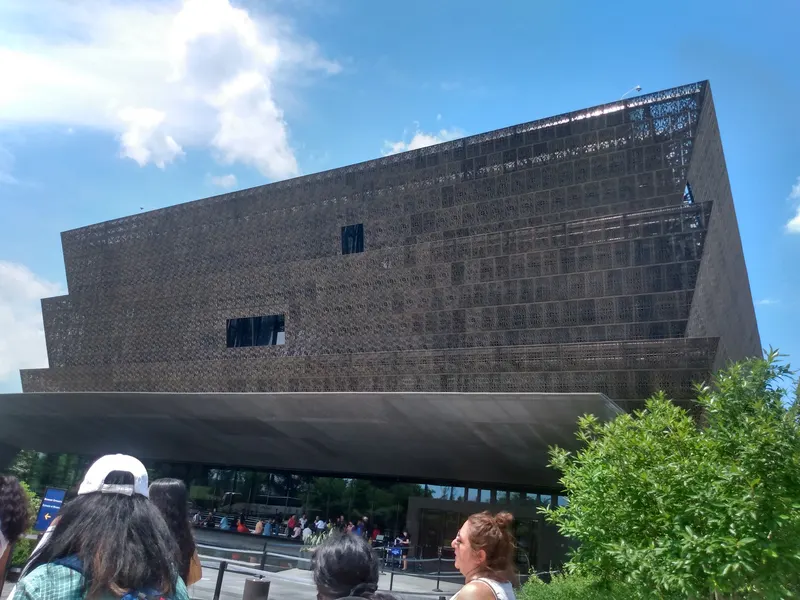
African American History Museum Guide
How to visit the National Museum of African American History & Culture on the Mall — the free timed-entry passes and how to get one, the deep underground history galleries, Sweet Home Café, the lines, how to pace an emotionally heavy visit, and the walk along the Mall.
Read guide
Smithsonian National Zoo Guide
How to visit the Smithsonian's National Zoo in Washington — free entry with timed-entry passes, the giant pandas, the best animal houses, the hilly layout, parking and Metro, and how to time a family day around the summer heat.
Read guideMore in Travel Tips
6
Accessible Washington, D.C.
How to visit Washington with mobility, distance or stamina in mind — the step-free Metro, the largely flat but very long Mall, accessible museums and memorials, taxis and rideshare, and ways to build a low-walking plan that still reaches the city's best places.
Read guide
Are Washington, D.C. Passes Worth It?
An honest look at whether a bundled DC attraction pass saves you money — why a city built on free museums and monuments changes the maths, and the short list of paid sights where a pass or a single ticket actually helps.
Read guide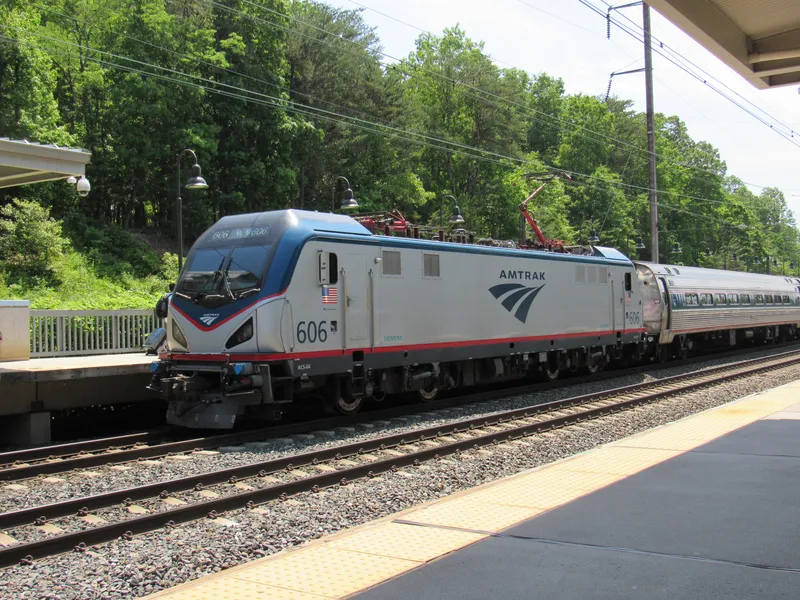
BWI Airport to Washington, D.C.
How to get from Baltimore/Washington International (BWI) into Washington, D.C. — the MARC and Amtrak trains via the BWI rail station, the free terminal shuttle, taxis and rideshare, and an honest look at whether BWI is the right airport for a DC trip.
Read guide
Capitol & White House Tour Planning
How official tours of the two most famous buildings in Washington actually work — the request windows, who to ask, the security to expect, realistic odds, and the strong free backups if a tour doesn't come through.
Read guide
Dulles Airport to Washington, D.C.
How to get from Dulles International Airport (IAD) into Washington, D.C. — the Silver Line Metro, the Washington Flyer and 5A-style buses, taxis and rideshare, and the honest tradeoffs by time of day, budget and where your hotel sits.
Read guide
How to Get Around Washington, D.C.
A clear, realistic answer to how to get around Washington, D.C. without a car — when to simply walk, when the Metro is fastest, where buses fill the gaps, when a taxi or rideshare earns its fare, and how bikes and tour buses fit in. Plain trade-offs for a city built to be crossed on foot and by rail.
Read guide