
Accessible Washington, D.C.
How to visit Washington with mobility, distance or stamina in mind — the step-free Metro, the largely flat but very long Mall, accessible museums and memorials, taxis and rideshare, and ways to build a low-walking plan that still reaches the city's best places.

Photo: Samuel Girven / Unsplash
- ✓DC is one of the more accessible US capitals: every Metro station has elevators, the Mall is largely flat, and museums are designed for wide public access.
- ✓The Mall's challenge is distance, not gradient — it is two flat miles end to end, so the real planning is about managing how far you travel on foot.
- ✓Every Metrorail station has at least one elevator, and the system publishes live elevator-outage information to check before you set out.
- ✓The free Smithsonian museums and the National Gallery are step-free with accessible entrances, restrooms and services — verify specifics per venue.
- ✓Accessible taxis and rideshare options exist to bridge the long stretches the Metro and your legs do not cover comfortably.
A capital built, mostly, to be reached
Washington is a more forgiving city for travellers with mobility needs than its scale first suggests. It is a deliberately public, federally run capital, which means accessibility has been designed into a great deal of it: the Metro was built from the start with elevators at every station, the National Mall is broad and almost entirely flat, and the major museums and memorials are public buildings expected to welcome everyone. The headline sights are free, too, so there is no penalty for taking a place slowly, leaving early, or coming back another day.
The honest caveat is that 'accessible' in Washington usually means 'reachable with planning,' not 'effortless.' The single biggest obstacle most visitors meet is not stairs but distance — the Mall is genuinely long, and a day that looks compact on a map can mean miles on foot. So the most useful accessibility skill here is route management: knowing where the elevators are, where you can ride instead of walk, and how to break the great central lawn into manageable pieces. This guide is built around that idea.


The Metro: step-free, but check the elevators
The Metro is the backbone of an accessible Washington trip. Every Metrorail station has at least one elevator from street to platform, the trains are level or near-level with the platforms, and the system is built to be navigated without stairs end to end. For most visitors it is the single most reliable way to cover distance, including the ride in from Reagan National Airport, which sits directly on the line.
The one habit worth forming is checking elevator status before you commit to a station. Because each step-free route may depend on a single elevator, an outage can turn an accessible station into an inaccessible one for that trip, and WMATA publishes live elevator and escalator outage information so you can plan around it or pick an alternative station. If you rely on an elevator, glance at the current status the same way you would check whether a train is running — and build in a backup station near your destination.
The National Mall: flat ground, long distances
The Mall is the place where planning pays off most. The good news is the terrain: it is broad, largely flat, and laced with paved paths, so wheels of any kind — wheelchair, mobility scooter, stroller — roll well across most of it. The challenge is purely length. From the Capitol to the Lincoln Memorial is roughly two miles one way, the monuments are spread along and around it, and the Tidal Basin adds its own loop. Trying to take it all in on foot or by self-propelled wheelchair in a single push is what exhausts people.
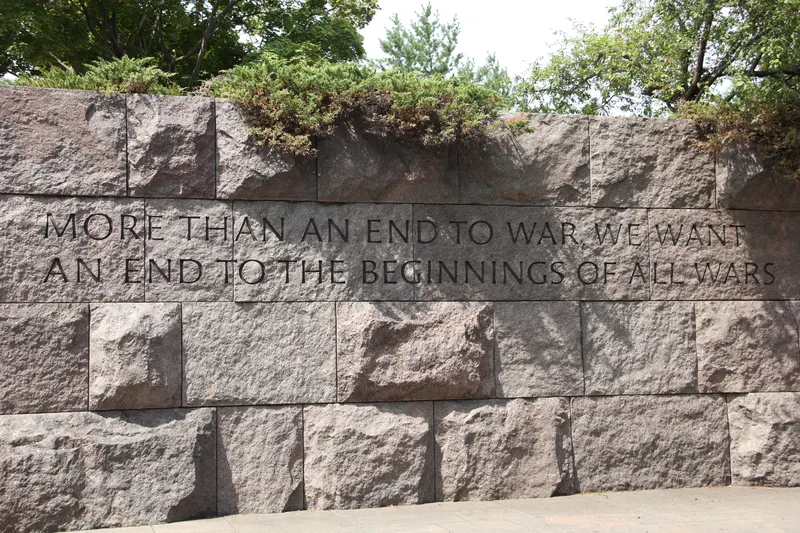
The fix is to treat the Mall as a series of clusters rather than one continuous walk, and to use wheels and rides to jump between them. Park at or be dropped near one group of memorials, take it in slowly, then ride to the next rather than crossing the whole expanse on foot. The major memorials themselves — Lincoln, Jefferson, FDR, MLK, the war memorials — are designed with accessible routes, ramps and step-free approaches, with the FDR Memorial in particular built as a level, open sequence of outdoor rooms that is among the easiest to move through. Rest often, carry water, and plan shade and restroom stops, which are spaced out across the open ground.
Museums and memorials: designed for access
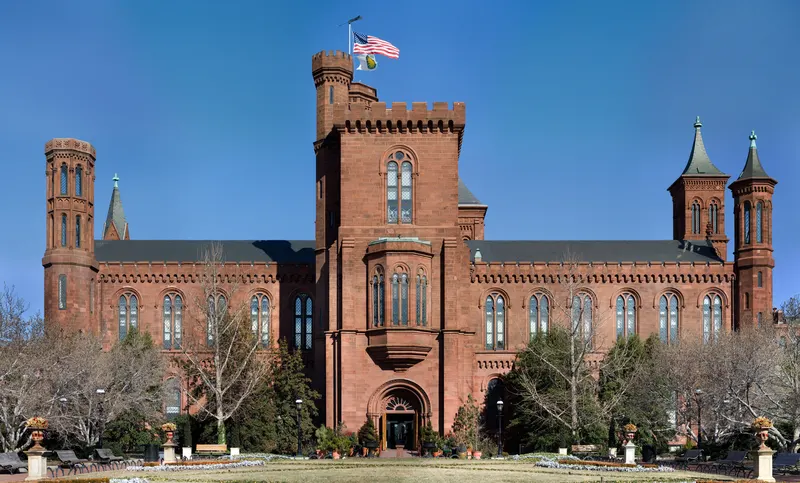
The free Smithsonian museums and the National Gallery of Art are public institutions built for broad access, with step-free entrances, elevators between floors, accessible restrooms and, at many, services such as wheelchairs to borrow, assistive-listening options and accessible programming. Because they are free and air-conditioned, they double as ideal places to rest, escape the heat and break up a Mall day without spending anything. The practical move is to make a couple of museums your anchors — somewhere to be comfortably indoors between outdoor stretches.
Specific services, entrances and any reservation requirements vary by venue and do change, so it is worth checking each museum's accessibility page before you go: which entrance is step-free, whether wheelchairs can be borrowed and reserved, where the accessible restrooms and elevators are, and whether any timed-entry passes are needed. A few minutes of per-venue checking turns a vague plan into a confident one and avoids the frustration of arriving at the wrong door.
Taxis, rideshare and the gaps to bridge
Where the Metro and your own pace run out, taxis and rideshare fill the gaps — and on an accessibility-minded trip they are not a luxury but part of the plan. They handle the awkward stretches the rail network does not reach (Georgetown most famously has no Metro stop), the door-to-door comfort of arriving rested at a memorial cluster, and the late evenings when walking back is not appealing. Wheelchair-accessible taxis and rideshare options are available in the District; if you need one, it is wise to understand how to request an accessible vehicle in advance rather than assume the first car will do.
The broader strategy is to spend your limited walking 'budget' where it matters — close to the monuments and inside the museums — and to buy your way out of the long, charmless transfers with a short ride. A trip planned this way reaches the same highlights as anyone else's; it just spends its energy more deliberately.
Building a low-walking day that still sees the best
A comfortable accessible day in Washington follows a simple shape: anchor it on a couple of step-free, air-conditioned indoor places, reach the outdoor sights in short bursts between them, and use the Metro and rides to avoid the long crossings. Start earlier in the day, especially in summer, when heat is the real enemy of a long outdoor plan; build in proper rest and restroom stops; and keep the schedule loose enough to stop when you have had enough rather than pushing to a finish line.
Because the headline sights are free and many monuments never close, there is no pressure to cram. Seeing the Lincoln Memorial well and resting at the Reflecting Pool is a better day than half-seeing six memorials and arriving home wrecked. If you want a route already built around these principles, the low-walking itinerary lays one out; pair it with this access detail and you have a plan that reaches the heart of the city at a pace that suits you.
Accessible DC: common questions
Is the Washington Metro wheelchair accessible? Yes — every Metrorail station has at least one elevator and trains are level or near-level with platforms. Because step-free access can hinge on a single elevator, check WMATA's live elevator-outage status and have a backup station before you travel.
Is the National Mall accessible for wheelchairs? Largely, yes — it is broad, paved and almost entirely flat, so wheels roll well. The real issue is distance: it is about two miles end to end, so plan it as clusters connected by rides rather than one long crossing, and rest often.
Are the Smithsonian museums and National Gallery accessible? They are public buildings with step-free entrances, elevators and accessible restrooms, and many offer wheelchairs to borrow and assistive services. Check each venue's accessibility page for entrances, reservations and current specifics before you go.
How do I get to places the Metro does not reach, like Georgetown? Use a taxi or rideshare; wheelchair-accessible vehicles are available in the District, and it is best to learn how to request one in advance rather than rely on chance.
What is the hardest part of an accessible DC trip? Almost always distance and summer heat, not gradients or stairs. Manage how far you travel on foot, hydrate, take air-conditioned museum breaks, and the city opens up at a comfortable pace.
At a glance: accessible DC planning
The approach in one card. Per-venue services and elevator status change, so verify current details before you travel.
- Metro: every station has an elevator; check WMATA live outage status and keep a backup station.
- Mall: flat and paved but two miles long — plan it as clusters joined by rides, not one walk.
- Memorials: major ones have accessible routes; the FDR Memorial is among the most level.
- Museums: free, air-conditioned, step-free anchors — check each venue's access page for specifics.
- Transfers: use accessible taxis/rideshare for long gaps and Metro-free areas like Georgetown.
- Pace: start early, rest often, manage summer heat as the main risk to a long outdoor day.

Related guides

Low-Walking Washington, D.C. Itinerary
A gentler way to see Washington, D.C. — a low-walking itinerary built for limited mobility, seniors, hot days and anyone who wants to avoid the long, exposed Mall marches. It leans on the Metro, on drop-offs and rideshare, on the few seated and short-distance options, and on the simple truth that the museums and many monuments can be seen well without crossing two miles of lawn on foot.
Read guide
Washington, D.C. Metro Guide
A first-timer's guide to riding the Washington Metro — how to pay with SmarTrip or a contactless card, how distance-based fares work, which lines reach the airports and the Mall, the stations that put you closest to the monuments and museums, and the handful of mistakes newcomers make. Evergreen guidance with the volatile fares flagged to verify.
Read guide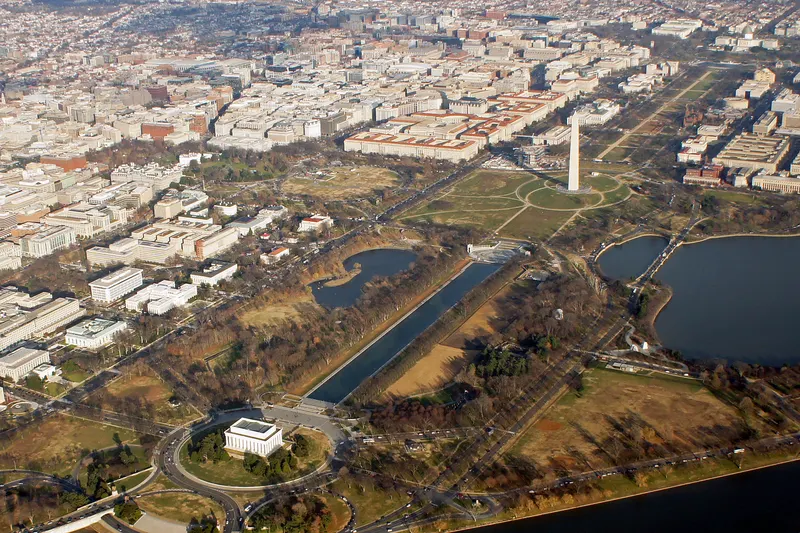
National Mall Guide, Washington, D.C.
How to plan the National Mall by section — the real walking distances, where the monuments and museum stops sit, and where to find shade, food, bathrooms, the nearest Metro and the best night routes.
Read guideMore in Travel Tips
6
Are Washington, D.C. Passes Worth It?
An honest look at whether a bundled DC attraction pass saves you money — why a city built on free museums and monuments changes the maths, and the short list of paid sights where a pass or a single ticket actually helps.
Read guide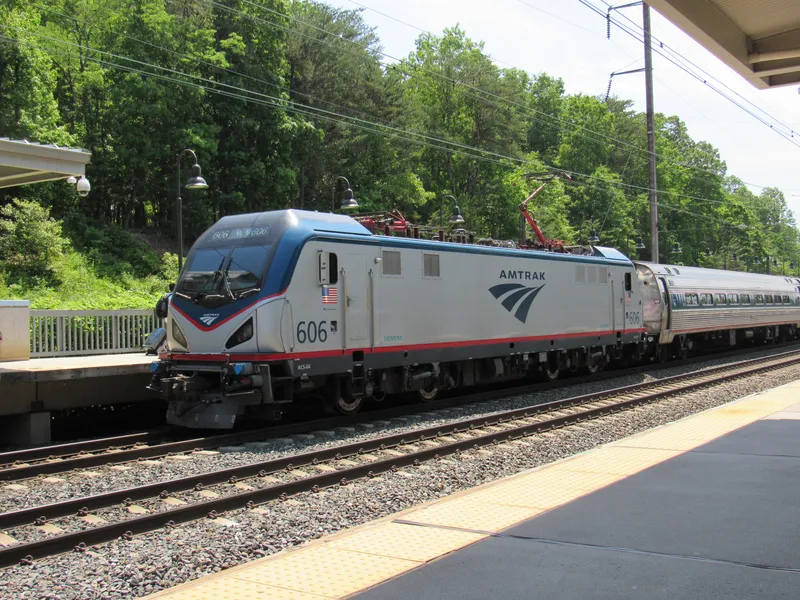
BWI Airport to Washington, D.C.
How to get from Baltimore/Washington International (BWI) into Washington, D.C. — the MARC and Amtrak trains via the BWI rail station, the free terminal shuttle, taxis and rideshare, and an honest look at whether BWI is the right airport for a DC trip.
Read guide
Capitol & White House Tour Planning
How official tours of the two most famous buildings in Washington actually work — the request windows, who to ask, the security to expect, realistic odds, and the strong free backups if a tour doesn't come through.
Read guide
Dulles Airport to Washington, D.C.
How to get from Dulles International Airport (IAD) into Washington, D.C. — the Silver Line Metro, the Washington Flyer and 5A-style buses, taxis and rideshare, and the honest tradeoffs by time of day, budget and where your hotel sits.
Read guide
How to Get Around Washington, D.C.
A clear, realistic answer to how to get around Washington, D.C. without a car — when to simply walk, when the Metro is fastest, where buses fill the gaps, when a taxi or rideshare earns its fare, and how bikes and tour buses fit in. Plain trade-offs for a city built to be crossed on foot and by rail.
Read guide
Is Washington, D.C. Safe for Tourists?
An honest, practical answer to whether Washington, D.C. is safe for visitors — what the tourist core is actually like, how the Metro and monuments feel day and night, sensible advice for families and solo travelers, what to know about protests and demonstrations, and the heat that is the season's real risk.
Read guide