
DC JazzFest Guide
How to plan a jazz-focused weekend around DC JazzFest — the city's late-summer celebration of a music it helped invent. The free Wharf weekend, the ticketed club and concert-hall shows, the neighborhoods to hear jazz in year-round, where to stay within reach of the waterfront, and how to build a romantic, music-led couple of days in the capital. Dates and line-ups change every year, so verify the current programme before you book.

Photo: Jens Thekkeveettil / Unsplash
- ✓DC JazzFest is Washington's flagship jazz festival, produced by the non-profit DC Jazz Festival organisation; it typically lands in late summer (often around late August into early September), but the dates move every year — verify the current programme.
- ✓The festival spreads across the city rather than sitting in one park: a mix of free outdoor stages and ticketed shows in clubs, concert halls and museums, with The Wharf on the Southwest waterfront a long-running anchor for the free weekend.
- ✓Plenty of the music is free — the outdoor waterfront sets in particular — while marquee artists play ticketed indoor venues; check which shows need a ticket and book the big names early.
- ✓Jazz is woven into DC's own history: the U Street corridor was 'Black Broadway', the neighborhood where Duke Ellington grew up, so a jazz trip pairs naturally with U Street and Shaw.
- ✓It's a genuinely romantic festival weekend — warm late-summer evenings, water-side stages and intimate club sets make for one of the better date-night reasons to be in DC.
DC JazzFest at a glance
Before the planning, the facts that shape a jazz weekend in the capital. Treat every date and venue as something to confirm against the current year's official programme — festivals move, line-ups change, and the free-versus-ticketed split is set fresh each season.
- What it is: DC JazzFest, the city's flagship jazz festival, produced by the non-profit DC Jazz Festival organisation, which also runs year-round jazz programming and education in Washington.
- When: typically late summer — often spanning late August into early September — but the exact dates shift every year, so verify the current edition before booking travel.
- Where: city-wide rather than a single site. A free outdoor weekend has long been anchored at The Wharf on the Southwest waterfront, with ticketed shows in clubs, concert halls and cultural venues around town.
- Cost: a real mix — many outdoor sets are free, while headline artists play ticketed indoor venues. Confirm which shows need a ticket and buy the big names ahead.
- Getting there: The Wharf sits beside the Waterfront Metro station (Green Line); much of the festival is reachable car-free on Metro and on foot.
- Best for: couples and music lovers wanting warm-evening waterfront sets plus a few proper club nights — verify line-up, stages and any wristband or ticket rules for the current year.

What DC JazzFest actually is
DC JazzFest is the capital's headline jazz festival, run by the DC Jazz Festival, a non-profit that programmes jazz across Washington all year and mounts this festival as its centrepiece. Rather than penning the music into a single park for a single weekend, the festival behaves like the city it belongs to: it scatters across neighborhoods and venues, mixing free outdoor stages with ticketed shows in clubs, concert halls and cultural institutions. That spread is the whole character of it — you can build a weekend out of free waterfront afternoons, or splurge on a marquee name in a proper room, or, best of all, do both.
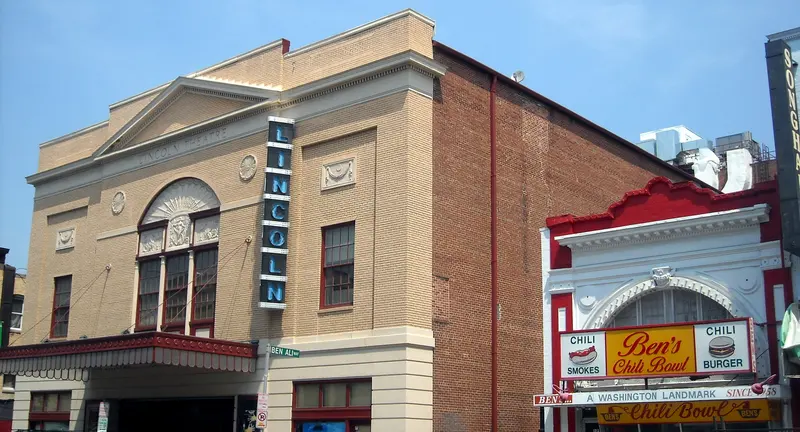
There's a reason Washington holds a jazz festival worth crossing town for. This is a city with deep jazz roots: the U Street corridor was once known as 'Black Broadway', a thriving Black cultural and entertainment district, and Duke Ellington — one of the towering figures of the music — grew up in the neighborhood. So the festival isn't an import dropped onto the Mall; it's the capital celebrating a music it helped shape, which gives the whole weekend a sense of place that a generic touring festival never has.
Practically, the festival's shape changes year to year — the line-up, the venues, the balance of free and ticketed, and the exact dates are all set fresh each season. So the single most useful thing you can do is start from the current year's official programme and build outward from there. What follows is the durable advice: how to think about the free weekend, the ticketed shows, where to stay and how to turn it into a romantic couple of days.

The free Wharf weekend
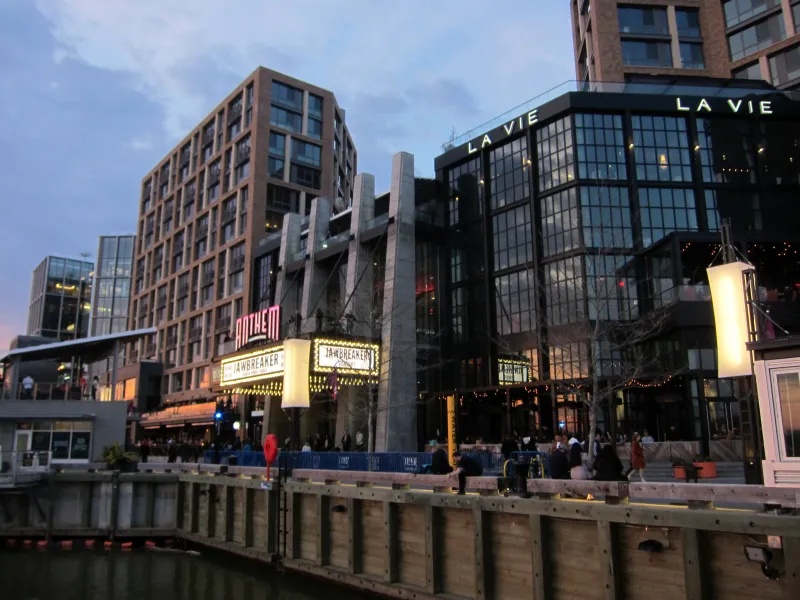
The easiest way into the festival, and the most romantic, is the free outdoor weekend that has long been anchored at The Wharf on the Southwest waterfront. The Wharf is a redeveloped mile of the Washington Channel — piers, boardwalks, restaurants, bars and outdoor stages — and on a warm late-summer evening with a band playing over the water, it is about as good as a free night out in the capital gets. Music spills across the piers and the District Pier stage, the boats are lit, and you can drift from set to set with a drink in hand and the water on one side.
Because it's free and outdoors, the Wharf weekend rewards a loose plan over a rigid one. Arrive in the late afternoon while it's light, stake out a spot near the water, and let the evening build as the sun drops and the stages warm up. Bring layers — late-summer evenings by the water cool off — and consider eating before you arrive or grazing from the Wharf's restaurants and the nearby Municipal Fish Market, the long-running waterfront fish market a short walk along the channel. The free programming, stages and any crowd-control or seating arrangements are set per year, so check the current line-up and site map before you go.
One word on timing: free and waterfront and warm-evening is a popular combination, so the headline free sets draw a crowd. If you want room to spread out, come early; if you want atmosphere, come at peak. Either way, the Waterfront Metro station (Green Line) is right there, so you never need to wrestle with parking — arrive on the train and walk the last few minutes to the water.

Ticketed shows and the big names
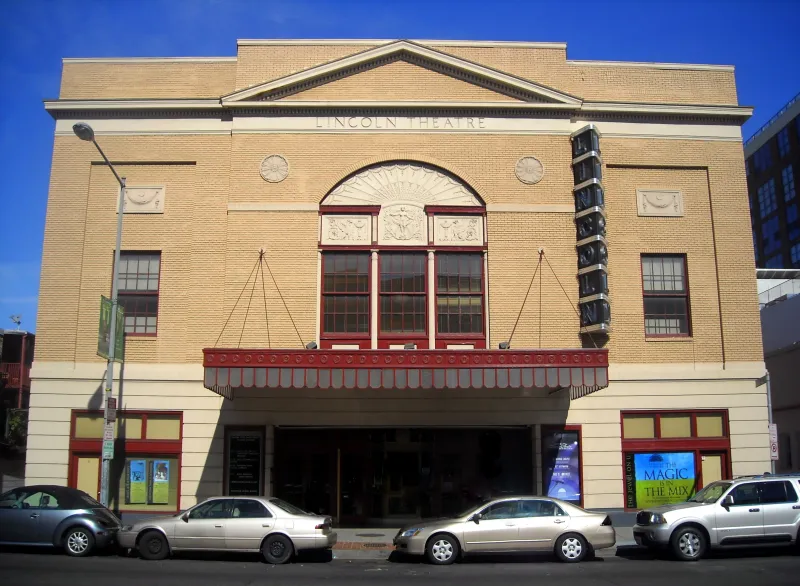
Alongside the free weekend, DC JazzFest programmes ticketed shows that put marquee artists into proper rooms — clubs, concert halls and cultural venues around the city. This is where you go to hear a headliner up close, with good sound and a seat, rather than across a crowded pier. The exact venues change with the line-up each year, but the principle is constant: the free sets are for atmosphere and discovery, the ticketed shows are for the artists you'd cross a city to hear.
The practical rule with ticketed jazz is simple — book the big names early. Intimate venues sell out, and a festival concentrates demand into a short window, so if there's a headliner you care about, secure the ticket as soon as the programme drops rather than hoping to walk up. Check each show's venue carefully, too: a club set and a concert-hall set are very different evenings, and they may be in different neighborhoods, so plan your transport and any dinner around the room you're actually going to.
DC also has a strong year-round jazz infrastructure that the festival plugs into, so even outside festival week you can hear excellent live jazz in the city — the U Street and Shaw clubs especially. If your dates don't line up with the festival, a jazz-led weekend is still very doable; the festival just turns the volume up for a few concentrated days.

Where to stay for a jazz weekend
Because the festival spreads across the city, the best base depends on which half of it you're prioritising. If the free Wharf weekend is your anchor, staying on or near the Southwest waterfront puts you right at the water — you can step from your room to the stages and back without a journey, which matters when the music runs late into a warm evening. If you're chasing ticketed club shows in U Street and Shaw, a base up there or in adjacent Downtown puts the late-night music on your doorstep.
For most visitors, though, the smart move is the same as for any DC trip: stay near a Metro station and let the Green Line do the work. The Wharf, U Street, Shaw and Downtown are all on or close to the rail network, so a central, well-connected hotel lets you flit between the free waterfront sets and the ticketed neighborhood shows without a car. Late-summer is shoulder season in DC — warm, sometimes humid, but past the peak tourist crush — so hotel value is often reasonable, though a popular festival weekend can tighten availability, so book ahead.
Couples should consider leaning into the romance of it: a room within walking distance of the waterfront means you can stroll back along the lit channel after a set rather than ending the night in a taxi queue. Whatever you choose, confirm the festival's stages and venues for the current year first, then pick a base that minimises the back-and-forth.
A romantic, music-led weekend
DC JazzFest is one of the city's better excuses for a date-weekend, and it's easy to build two days around it that balance music with the rest of the capital. The shape that works: spend the warm evenings on the music — a free waterfront set on the first night, a ticketed club or concert-hall show on the second — and give the daytime to the slower, free pleasures of the city. The Tidal Basin loop, the Smithsonian museums (free and air-conditioned, a relief in late-summer heat), and a Georgetown canal walk all pair naturally with music-filled nights.
For the most romantic version, lean into the waterfront. Dinner at the Wharf, an early free set as the sun goes down, a slow walk along the lit channel afterwards — it's a complete evening without a single forced moment. The next day, swap the water for the monuments after dark: the Lincoln Memorial and the Tidal Basin are floodlit and quiet at night, and they make a beautiful, free finish to a music weekend. Then back to a club for the headliner you booked weeks ago.
The one rule that holds the whole weekend together is the same one that opened this guide: verify the current year's programme first. Once you know the dates, the free stages and the ticketed shows, everything else — where to stay, when to arrive, which night is the waterfront night and which is the club night — falls into place. Lock the music, book the headline ticket early, leave the daytime loose, and let a late-summer DC evening do the rest.
 Date night in DC
Romantic evenings in the capital — pair a jazz set with dinner and a monuments-by-night walk.
 Romantic things to do in DC
The slow, lovely daytime pairings for a music-led festival weekend.
 Monuments by night
Floodlit, near-empty memorials make a free, romantic finish to a festival evening.

Related guides

The Wharf & Southwest Guide
How to enjoy The Wharf and Southwest Waterfront in Washington — the mile-long boardwalk on the Washington Channel, seafood and the historic fish market, music at The Anthem, riverfront hotels, cruises and water taxis, the Spy Museum, and date-night sunsets.
Read guideDate Night in Washington, D.C.
How to plan a date night in Washington — dinner and cocktails by neighborhood, rooftops with monument views, the Kennedy Center and U Street jazz, plus the free, romantic move of the monuments after dark.
Read guide
Washington, D.C. in September
What a September trip to Washington is really like — the month the summer heat finally breaks, the air turns comfortable for long days on foot, the city wakes back up after its August lull with jazz, baseball and early-autumn dining, and the walking-tour weather most visitors wish for arrives at last.
Read guideMore in Things to Do
6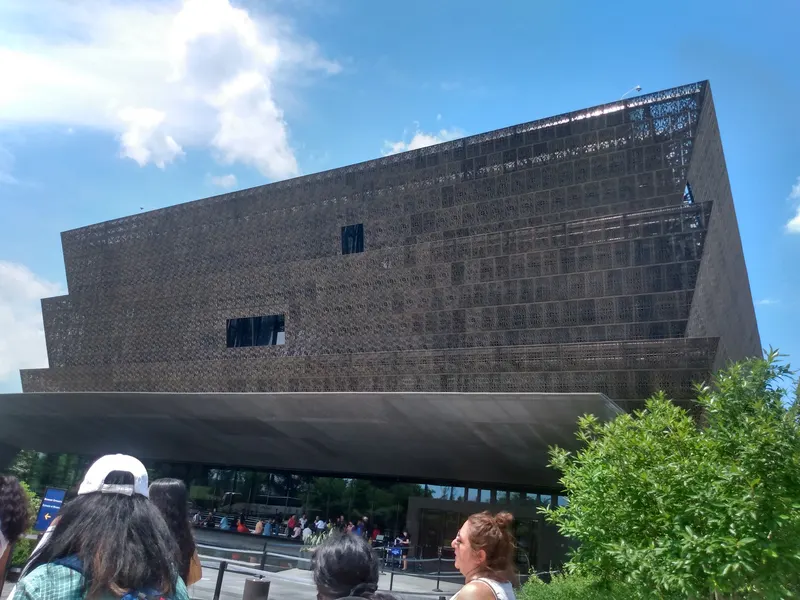
African American History Museum Guide
How to visit the National Museum of African American History & Culture on the Mall — the free timed-entry passes and how to get one, the deep underground history galleries, Sweet Home Café, the lines, how to pace an emotionally heavy visit, and the walk along the Mall.
Read guide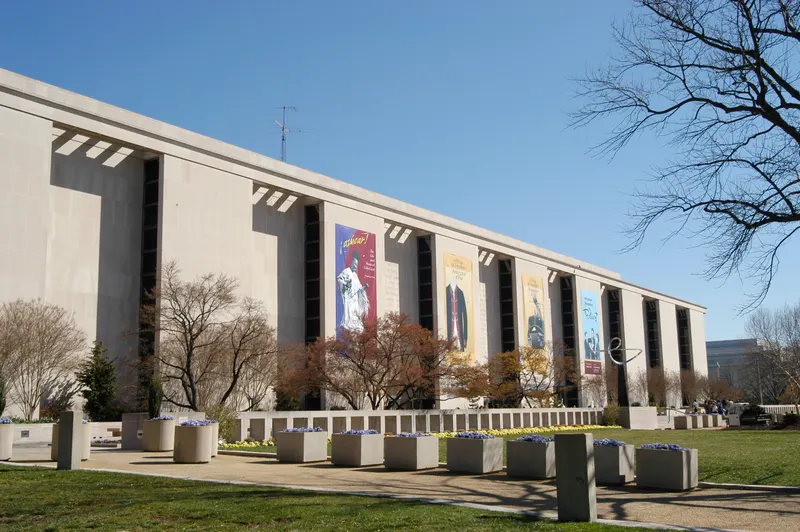
American History Museum Guide
How to visit the National Museum of American History on the Mall — the original Star-Spangled Banner, the First Ladies' gowns, the American presidency, the pop-culture icons, the food-court logistics, and how to time a visit around the school groups.
Read guide
Best Museums in Washington, D.C.
Washington has more world-class museums than any sane trip can hold, and almost all of them are free. This is a guide to the best museums in DC sorted by topic, age, ticket needs, location and rainy-day value — so you can choose two or three with confidence instead of trying to see them all.
Read guide
Best Photography Spots in Washington, D.C.
Where to make great photographs in Washington — the monument reflections, the Tidal Basin blossoms, the Capitol and Lincoln axis, Georgetown's waterfront, hidden rooftops and the golden-hour and blue-hour routes that tie them together.
Read guide
Best Things to Do in Washington, D.C.
A ranked first-trip shortlist of the best things to do in Washington, D.C. — from the National Mall and the free Smithsonian museums to a Capitol tour, the Tidal Basin and Georgetown — built so you can pick a handful and still feel you saw the city.
Read guide
Best Viewpoints in Washington, D.C.
Where to find the best views in Washington — the high monuments and free towers, the rooftop bars and cultural terraces, and the river and hilltop overlooks across the Potomac, ranked by how much effort each one asks.
Read guide