
Washington, D.C. School Trip Itinerary
A teacher- and chaperone-friendly Washington, D.C. itinerary built for groups — a civics-rich route through the Capitol, the memorials and the free museums, paced for buses, head counts, meals and tired feet. Free where it matters, walkable where it counts, and structured so thirty students stay together and learn something.

Photo: Kaden Taylor / Unsplash
- ✓DC is the rare educational trip where the headline sights — the memorials and almost all the museums — are free, so the budget goes to buses, food and lodging.
- ✓Book the few things that need it early: a Capitol tour through your members of Congress, and any timed-entry museum passes (verify current rules before you travel).
- ✓Build days around one anchor at a time — a tour slot, a memorial walk, a museum — with generous buffers for security lines, head counts and the long DC walking distances.
- ✓Group movement is the real constraint: thirty students clear security and cross the Mall far slower than two adults, so plan fewer stops than you think.
- ✓Spring and autumn are kindest; the Mall has little shade and DC summers are hot and humid, which matters when you are marching a group between marble.
The school trip at a glance
Before the day-by-day, the facts that shape a group trip to the capital:
- Cost: the memorials and the Smithsonian museums are free; your real spend is transport, meals, lodging and any paid sites (Spy Museum, Mount Vernon, etc.). Verify current admissions.
- Book ahead: Capitol tours run through your senators' or representative's offices, and some museums use free timed-entry passes — arrange both weeks out, not on arrival.
- Pacing: plan one major anchor per half-day for a group; security lines and head counts eat time that two adults never notice.
- Buses: tour buses cannot park on the Mall — drivers use designated loading zones and off-site parking, so coordinate drop-off and pick-up points in advance (verify current rules).
- Season: spring (cherry-blossom and end-of-year trips) and autumn are most comfortable; the Mall is exposed, so carry water and plan shade and restroom breaks.
- Group rule: count heads at every transition, give students a meeting point and a time, and keep a buffer in every block for the one thing that always runs long.


Why DC is built for school groups
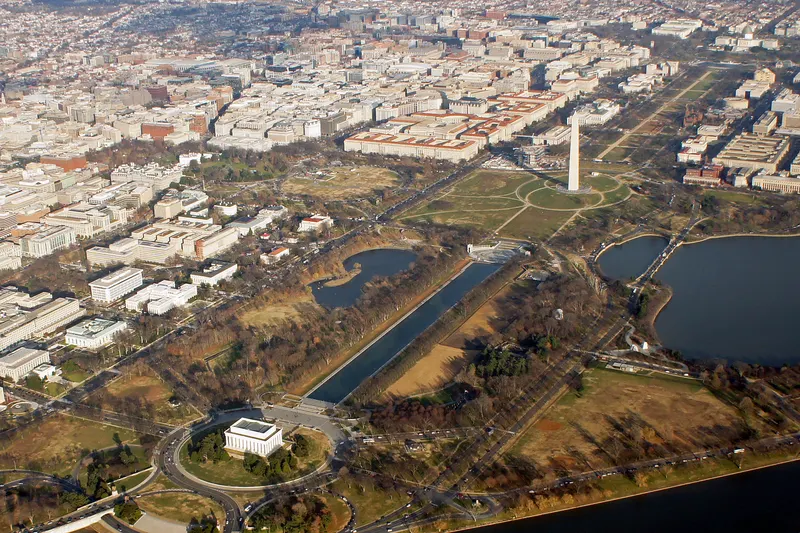
Washington is, by design, the most educational city in the country, and it is unusually generous about it. The National Mall is a two-mile open-air civics lesson — the Capitol at one end, the Lincoln Memorial at the other, the Washington Monument in the middle — and almost everything on and around it is free to enter. For a school trip that means the budget question shifts entirely: you are not paying for admission, you are paying for the bus, the meals and the beds, and spending your planning energy on logistics rather than ticket prices.
The flip side is that the city is bigger and slower on the ground than it looks, and a group of thirty moves at a fraction of the speed of a family of four. Security screening at the Capitol, the Archives and the memorial museums takes real time when multiplied across a class. Crossing the Mall on foot is a genuine walk. So the single most important shift for a school itinerary is to plan fewer stops than instinct suggests, with deliberate buffers, and to treat every transition — bus to sidewalk, sidewalk to security, museum to lunch — as a head-count moment.
Done with that mindset, DC delivers like nowhere else: students stand where laws are made, read the words carved into Lincoln's and Jefferson's memorials, see the actual Declaration of Independence, and trace American history from the founding through the civil-rights movement in buildings that cost nothing to enter. The job of this itinerary is to give that experience a sane, group-friendly shape.

Before you go: the bookings that matter
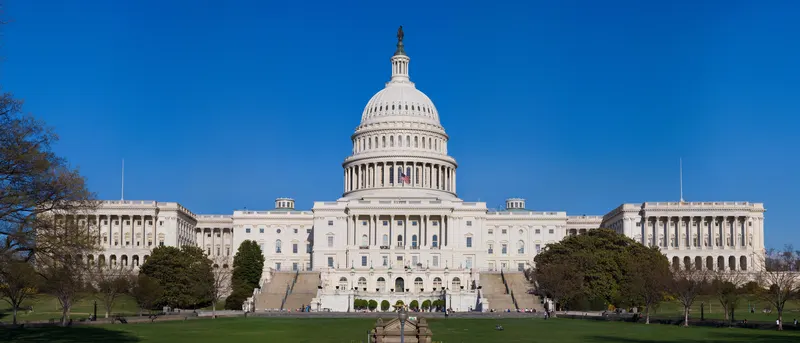
Three things should be arranged well before the bus leaves home. First, the U.S. Capitol: free guided tours run from the Capitol Visitor Center, and groups can request tours through the offices of their two senators and their representative — these staff-led tours are a highlight and book up, so contact the offices weeks in advance (verify the current request process and group sizes). Second, any timed-entry museums: some of the most-wanted museums release free passes online in advance, and policies change, so check each museum's site before you travel rather than relying on walk-in. Third, the White House: public tours must be requested far ahead through your member of Congress and are not guaranteed, so treat a White House tour as a bonus rather than a fixed plan, and have the White House Visitor Center as the reliable backup.
Two logistics deserve early attention too. Tour buses cannot park on or beside the Mall; drivers use designated loading zones to drop and collect groups and park off-site between, so coordinate exact drop-off and pick-up points and times with your driver (verify current bus regulations). And settle your meal plan: museum cafés and food courts can absorb a group but get crowded, so booking a group lunch or choosing a food hall with many counters beats hoping thirty students find seats at once.
 Capitol & White House tours
How official government-building tours work, who to ask and the realistic odds.
 U.S. Capitol tour guide
Booking a Capitol tour, reserving passes, security and combining it with the Library of Congress.
 Practical travel tips
Metro, SmarTrip, security rules and the city grid — the logistics behind every group day.
Day 1 — Capitol Hill and the founding documents
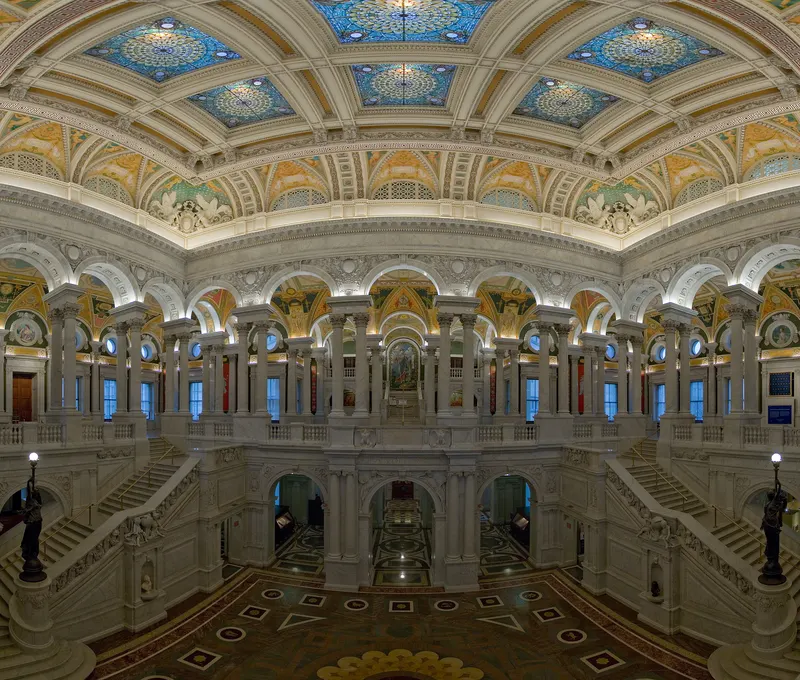
Open the trip where the country's government actually sits. A morning Capitol tour, booked ahead through your congressional offices, puts students under the Rotunda and into the heart of the legislative branch — the strongest civics moment of the whole trip. Allow plenty of time to clear security as a group and to reach the Capitol Visitor Center before your slot. If the schedule allows and you have reserved ahead, the Library of Congress across the plaza is a short, awe-inducing add — the Jefferson Building's Main Reading Room and Great Hall are among the most beautiful interiors in the country.
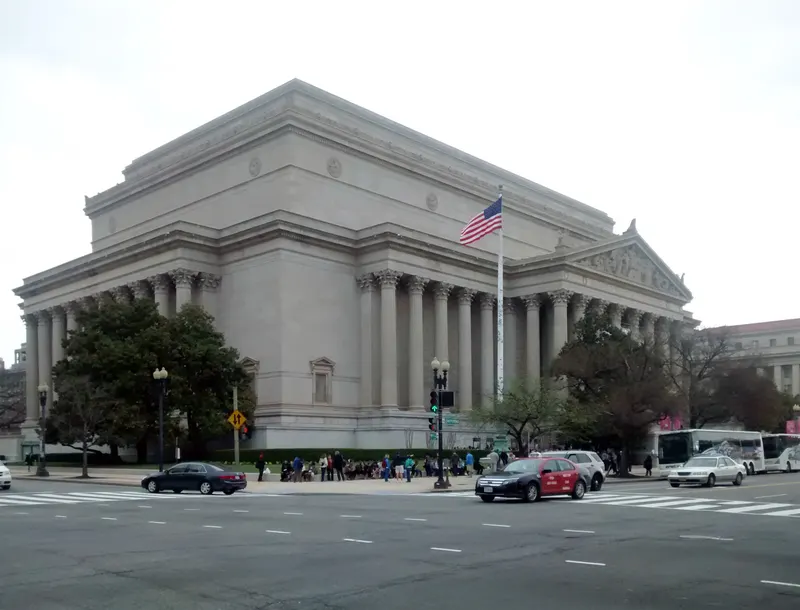
In the afternoon, move west to the National Archives to see the Declaration of Independence, the Constitution and the Bill of Rights in person — for a history class, this is the trip's quiet climax, and timed entry plus security mean a group should plan it as a single deliberate block rather than a quick drop-in (verify current ticketing). Keep Day 1's stops few and the buffers wide; Capitol Hill security and a group's first day of head counts always run long, and a calm first day sets the tone for the rest.
Day 2 — the memorials and the museums of the Mall
Day 2 is the Mall itself, split into an outdoor block and an indoor block so the group never overheats or burns out. Start early and walk the western memorials while it's cool: the Lincoln Memorial, with its colossal statue and the carved Gettysburg Address, anchors a short loop that takes in the Vietnam Veterans Memorial wall, the Korean War Veterans Memorial and the World War II Memorial. These are free, open-air and deeply teachable, and the walking between them gives a class room to spread out and a teacher room to talk. Keep the group together at the Vietnam wall especially — it is a place of reflection, and a school group that arrives quietly leaves with more.
By late morning, when the sun and the feet start to flag, pick one Smithsonian museum and go deep on a few halls rather than racing the whole building. The National Museum of American History is the natural civics-and-culture pairing — the Star-Spangled Banner, the presidency and First Ladies exhibits, and enough recognisable Americana to hold a wide range of students. Break for a planned group lunch, then, if there's energy and time, add one more anchor in the afternoon: Natural History's dinosaurs and Hope Diamond are a reliable crowd-pleaser, or the National Museum of African American History & Culture (which has used free timed passes — verify) for a powerful, full-arc telling of the American story. One or two museums done well beats four done badly.
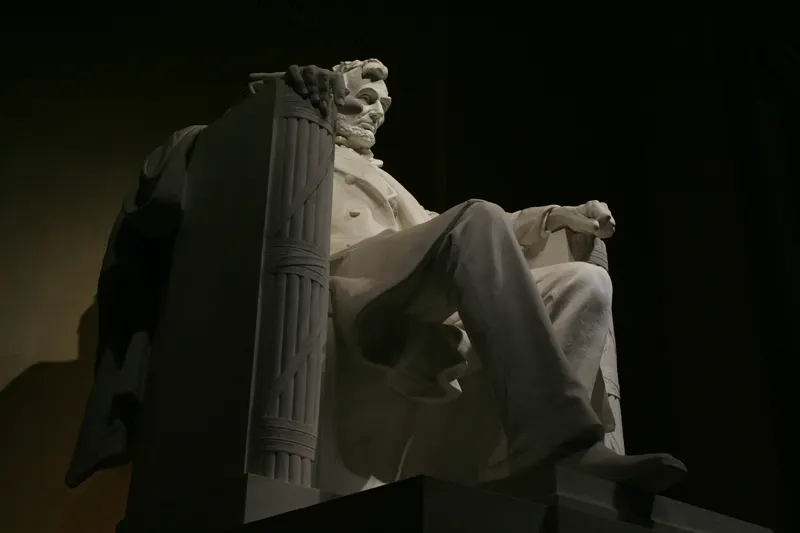 Lincoln Memorial guide
When to visit, the Reflecting Pool route and what to point out to students.
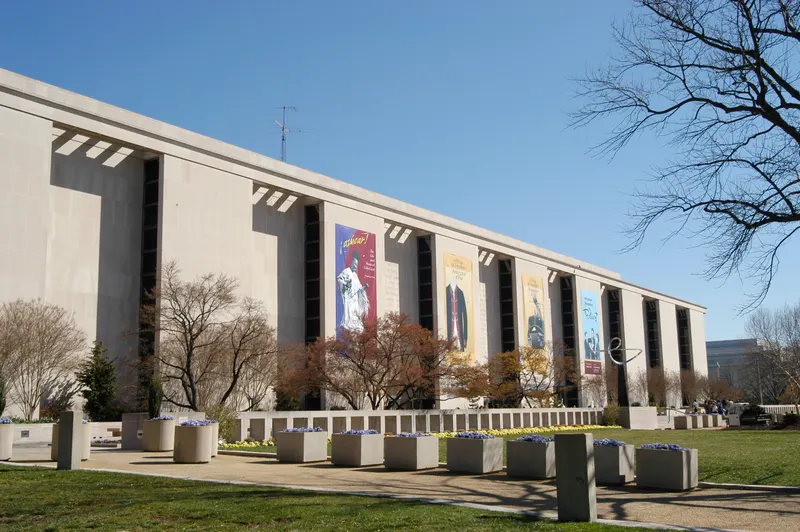 American History Museum guide
Star-Spangled Banner, presidents, First Ladies and school-trip timing.
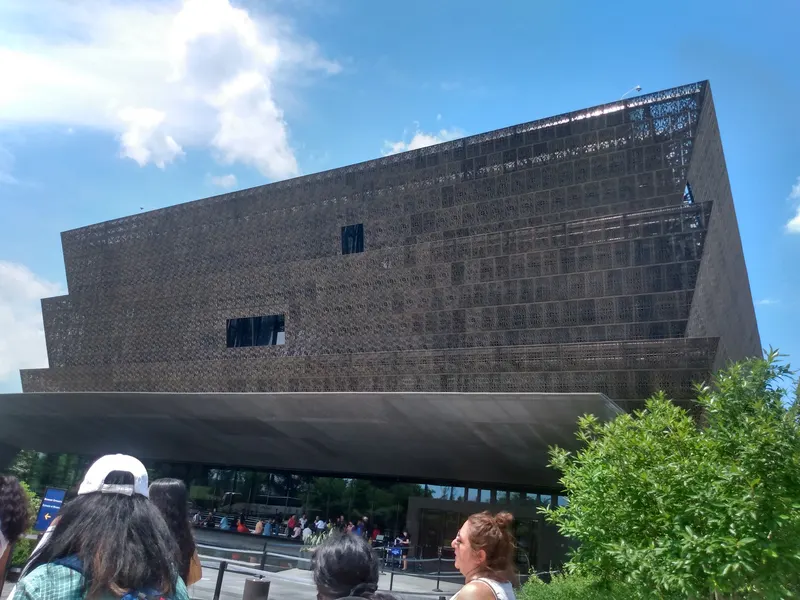 African American History Museum guide
Free timed passes, the history galleries and how to pace an emotional visit.
Day 3 — civil rights, reflection and a flexible finish
A third day lets the trip reach beyond the founding to the harder, more recent chapters of American history — the part that often lands deepest with older students. The Tidal Basin loop gathers the Martin Luther King Jr. Memorial, the Franklin D. Roosevelt Memorial and the Jefferson Memorial in one walkable arc, and reading the King memorial's inscriptions in the open air, beside the water, is a moment classes remember. For groups studying the Holocaust or genocide, the United States Holocaust Memorial Museum is one of the most moving experiences in the city, but it is intense and uses timed passes; check age guidance, prepare students beforehand, and treat it as a single, full block (verify current ticketing and recommendations).
Keep the back half of Day 3 flexible — it is where late buses, slow security and tired feet get absorbed. Good options if time and energy allow: the International Spy Museum (paid, interactive, a hit with teens), the National Air and Space Museum (reopening galleries in phases; uses free timed passes — verify), or simply a relaxed group lunch at a food hall with many counters so everyone gets a choice without testing anyone's patience. If your trip runs longer, this is also the day to consider a half-day out to Mount Vernon for George Washington's estate, or to fold in an evening monument walk while the marble is lit and the crowds have gone.
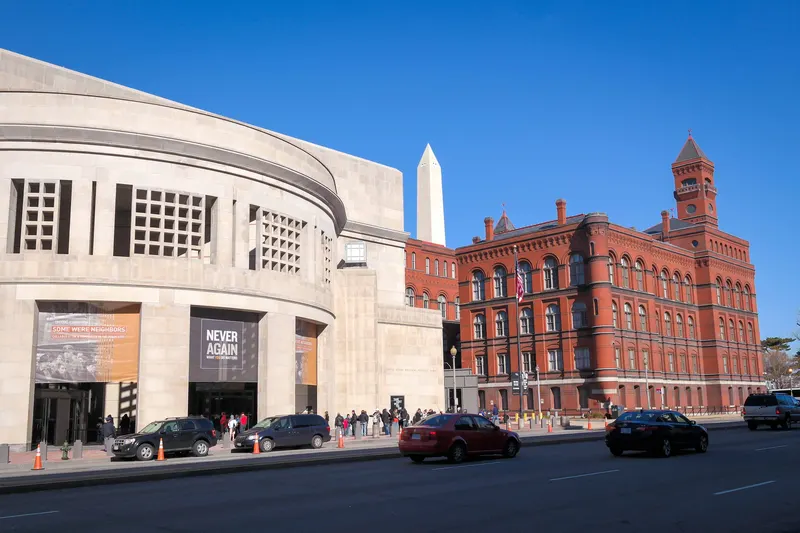 Holocaust Museum guide
Timed-entry tickets, permanent-exhibition planning, age guidance and respectful notes.
 Best food halls in DC
Union Market, Eastern Market and The Wharf — group-friendly counters and seating.
 Monuments by night
A safe, atmospheric evening route through the lit memorials for an extra day.
Making it stick: turning sights into learning
The reason to bring a class to Washington is not to tick off monuments but to make the curriculum real, and a little structure turns a walk past marble into something students remember. Before the trip, give each chaperone group a small focus — a memorial to report back on, a document to find at the Archives, a question to answer at the Capitol — so that students arrive at each site looking for something rather than waiting to be told. A worksheet or a few guiding questions per stop keeps energy purposeful and gives the quieter students a way in. The sights do the heavy lifting; your job is to point the attention.
Pace the intensity, too. Some sites are heavy — the Vietnam wall, the African American History museum, the Holocaust Museum — and they land harder when students aren't rushed or exhausted. Prepare them beforehand for what they'll see, give them quiet time at the most affecting places, and build a lighter moment afterward so the day doesn't end on overwhelm. The contrast is part of the lesson: the founding ideals carved into the Jefferson and Lincoln memorials, set against the long, hard work of living up to them on the civil-rights side of the trip, is the American story in miniature, and students feel it when the itinerary lets them.
Finally, leave room for the city to surprise them. The most memorable moments on a school trip are rarely the planned ones — the changing of the guard glimpsed across the river at Arlington, a question that turns into a real conversation on the Capitol steps, the scale of the Lincoln statue hitting a fifteen-year-old who expected to be bored. Build the itinerary tight enough to keep thirty students together and loose enough to let those moments happen, and you send a class home not just having seen the capital but having understood, a little, what it stands for.

Group logistics: buses, food, head counts and rest
The difference between a smooth school trip and a stressful one is rarely the sights — it is the transitions. Establish a head-count ritual everyone follows: count on the bus, count on the sidewalk, count after security, count after lunch. Give students a written meeting point and time for every free block, pair them in buddies, and make sure every chaperone knows the day's anchors and the emergency contacts. Build a real buffer into every block; the Capitol line, the museum bag check or the one student who needs a restroom will always cost the minutes you didn't allow.
On food: museum cafés and food courts can feed a group but fill quickly, so either book a group meal or steer the class to a food hall with many counters where everyone orders separately and meets at set tables. Carry water and snacks for the Mall, where food is forgettable and far between. On movement: the Metro is the group's friend for longer hops — a SmarTrip card per student or a group fare arrangement (verify current options) beats marching the full length of the Mall — but plan rail trips for off-peak times so a class of thirty isn't crammed into a rush-hour car.
Finally, schedule rest as deliberately as sightseeing. A group that does two anchors a day, eats properly and gets an early evening is happier, safer and learns more than one route-marched through six stops. DC is so rich that you can do comparatively little and still send students home having stood inside their government, read the founding documents and walked the memorials — which is the whole point of bringing them.
Area-by-area advice, including bases that suit groups and keep the Metro close.
Staying in Arlington for DCWhen a cross-river base saves a group money, with Metro access into the city.
 School trip planning for DC
The full logistics layer — permissions, ratios, bus rules and group bookings.

Related guides
Washington, D.C. School Trip Planning
A planning guide for teachers and group leaders bringing a school trip to Washington, D.C. — chaperone ratios and headcounts, group timing on the National Mall, museum and memorial etiquette, motor-coach logistics, security screening and student-friendly routes that keep a large group moving.
Read guideAmerican History Museum Guide
How to visit the National Museum of American History on the Mall — the original Star-Spangled Banner, the First Ladies' gowns, the American presidency, the pop-culture icons, the food-court logistics, and how to time a visit around the school groups.
Read guideCapitol & White House Tour Planning
How official tours of the two most famous buildings in Washington actually work — the request windows, who to ask, the security to expect, realistic odds, and the strong free backups if a tour doesn't come through.
Read guideMore in Itineraries
6
A Washington, D.C. Itinerary with Kids
A family-paced Washington, D.C. itinerary — short museum blocks at the free Smithsonians, the dinosaurs and the Hope Diamond, the National Zoo, the Mall carousel, plenty of food and bathroom breaks, stroller notes and fewer long walks, built so children and parents both enjoy the day.
Read guide
A Weekend in Washington, D.C.
A Friday-to-Sunday Washington, D.C. weekend — where to base yourself, an arrival-night monuments walk, a full Saturday of the Mall, museums and a Capitol tour, a Sunday of brunch, the Tidal Basin and a neighbourhood, built around Metro access and slower evenings.
Read guide
Four Days in Washington, D.C.
An unhurried four-day Washington, D.C. itinerary — the Mall monuments and free Smithsonian museums, a Capitol tour and the founding documents, the Tidal Basin and Georgetown, then deeper museums, fuller neighbourhoods and a relaxed day trip to Arlington, Old Town Alexandria or Mount Vernon, with slower evenings throughout.
Read guide
Low-Walking Washington, D.C. Itinerary
A gentler way to see Washington, D.C. — a low-walking itinerary built for limited mobility, seniors, hot days and anyone who wants to avoid the long, exposed Mall marches. It leans on the Metro, on drop-offs and rideshare, on the few seated and short-distance options, and on the simple truth that the museums and many monuments can be seen well without crossing two miles of lawn on foot.
Read guide
Luxury Washington, D.C. Itinerary
Washington wears luxury quietly — grand historic hotels a block from the White House, chef's-counter tasting menus, private after-hours tours and a rooftop city of monument views. This is a high-end Washington, D.C. itinerary that pairs the free, world-class sights with the polish, ease and access that make the difference: where to stay, where to dine, what to book privately and how to fold in Mount Vernon in style.
Read guide
One Day in Washington, D.C.
A realistic single-day route through the capital — the western monuments early, one Smithsonian museum at midday, the Mall's headline sights, Capitol views and the monuments lit at dusk, all walkable and free.
Read guide