
Washington, D.C. with Kids: Practical Tips
The logistics of a Washington trip with children — strollers on the Mall and through security, pacing museums so nobody melts down, finding meals and bathrooms, riding the Metro with kids, and choosing a hotel area that shortens everyone's day. Practical answers, not a sights list.

Photo: Jessica Tan / Unsplash
- ✓DC is one of the best family-trip cities in the country — most of the headline museums and monuments are free, so a meltdown costs you nothing to walk away from.
- ✓The trip-killer is distance and pace, not access: the Mall is long, so plan fewer things, slower, with built-in breaks.
- ✓Bring a stroller for younger kids, but be ready to collapse it for security and the Metro — light and foldable beats large.
- ✓Anchor days on the free, air-conditioned museums for bathrooms, food and rest between outdoor stretches.
- ✓Staying near a Metro station or within walking distance of the Mall shortens every day and saves the most tears.
Why DC is easier with kids than it looks — if you pace it
Washington is quietly one of the great family-travel cities, and the reason is the same one that makes it good for everyone: the best things are free. The Smithsonian museums, the National Zoo, the monuments and the Mall cost nothing to enter, which changes the whole psychology of travelling with children. You are never trying to extract value from an expensive ticket, so you can leave a museum after forty minutes, skip a planned stop, or call it a day early without guilt. That freedom is the single biggest advantage you have.
The thing that actually derails family days here is not access or cost but distance and pace. The Mall is genuinely long, the museums are vast, and an itinerary that looks reasonable on paper can mean miles of walking and hours of stimulation that small children simply cannot sustain. So the whole art of DC with kids is doing less, slower: fewer stops, more breaks, and a plan loose enough to bend when someone is hungry, hot or done. Everything below is in service of that.


Strollers, security and the Mall
Bring a stroller if you have children young enough to need one — the distances on the Mall make it close to essential, and even a confident walker will run out of legs after a couple of miles. The Mall itself is broad, paved and largely flat, so strollers roll well across most of it. The complication is everywhere with a door: many museums and federal sites screen bags and visitors, and a stroller often needs to be folded or its contents checked at security, so a light, quickly collapsible stroller is far less hassle than a large travel system.
Plan the Mall as clusters rather than one heroic march. Take in one group of monuments, rest, then move to the next, using the Metro or a short ride to skip the long, charmless crossings rather than pushing a tired child the full length on foot. Pack the stroller's underbasket with the day's water, snacks and layers so you are not carrying it all, and accept that some security lines will mean unloading and reloading — building that friction into your expectations keeps it from souring the day.

Pacing the museums so nobody melts down
The single most common family mistake in Washington is trying to 'do' a museum. These buildings are enormous, and a child's attention and a parent's patience both run out long before the galleries do. Because entry is free, the winning approach is the opposite of thorough: pick two or three things your kids will actually love — the dinosaurs and the Hope Diamond at Natural History, the planes and rockets at Air & Space, the giant flag at American History — go straight to them, enjoy them, and leave before the wheels come off. You can always return another day at no cost.
Spread the indoor time out, too. Alternate a museum with an outdoor stretch and a snack rather than stacking two big museums back to back, which is sensory overload for adults, let alone children. A couple of focused, free museum visits with proper breaks between them will leave everyone happier — and remembering more — than a full, grim day of trudging galleries.
Food, water and bathrooms — the real logistics
On the Mall itself, food options are limited to museum cafés and seasonal food trucks, and both can be expensive and crowded at peak times. The reliable family move is to carry your own water and snacks — a refillable bottle topped up at the Mall fountains and a stash of snacks heads off the low-blood-sugar meltdown that ends more outings than anything else. For a proper meal, the museum cafés and food courts are convenient if uninspiring; for something better, plan to eat in a neighbourhood at the start or end of the day rather than mid-Mall.
Bathrooms are worth planning around with small children, because they are spaced out across the open ground rather than on every corner. The dependable strategy is to treat the museums as your facilities: they have clean, free, air-conditioned restrooms, so time your indoor stops to double as bathroom and rest stops. Knowing that the next museum is also your next toilet break turns a recurring small crisis into a non-issue.

The Metro with children
The Metro is the best way to move a family around Washington and to skip the Mall's long crossings, and it works well with kids once you know its quirks. Every station has elevators, which matters with a stroller, though they can occasionally be out of service, so it is worth a glance at the live status if you are relying on one. The escalators are famously long and steep at some deeper stations — hold small children's hands or use the elevator with a stroller rather than wrestling it onto a moving staircase.
Practically, keep the family together at the faregates, where tapping in and out can bunch everyone up, and check how children's fares work before you travel, as policies vary. Trains come often enough that a short wait is never a disaster, and for tired evenings the Metro is far easier than herding a worn-out family on foot. After the last train or for a very late night, a taxi or rideshare is the simpler call.

Choosing a hotel area that shortens the day
With children, where you stay matters more than which hotel you book, because every saved minute of transit is a minute the kids are not melting down in. The two questions that decide a good family base are how close you are to the Mall on foot and how close you are to a Metro station. A base within walking distance of the museums lets you go back for a midday nap or a stroller drop; a base on a good Metro line lets you reach the Mall, the Zoo and the airports without a car.
Beyond location, families benefit from rooms with a bit more space, a pool to burn off energy in the evening, and breakfast included so the morning starts without a hunt for food. Areas with these qualities and easy Metro access make for the smoothest family trips; the family-hotels guide walks through which neighbourhoods balance them best. Whatever you choose, plan around the midday return: the ability to retreat, rest and reset is what makes multi-day DC trips with young children sustainable.
DC with kids: common questions
Do I need to book anything in advance for kids? Most museums are free walk-ins, but a few release free timed-entry passes that go fast — the Air & Space museum and the African American History museum among them — so reserve those early. Otherwise, keep the schedule loose; over-booking is the enemy of a good family day.
Is the Mall too much walking for young children? It can be if you try to do it all on foot. Bring a stroller, plan the Mall as clusters joined by short Metro rides, and build in breaks. Done that way, even small children manage it comfortably.
Where do we eat and find bathrooms on the Mall? Carry water and snacks, and use the free, air-conditioned museums as your reliable food, restroom and rest stops; the cafés are convenient if pricey, and a proper meal is best had in a neighbourhood at either end of the day.
Is the Metro practical with a stroller? Yes — every station has elevators, though check the live outage status if you depend on one, and use elevators rather than the long, steep escalators with a stroller. Keep everyone together at the faregates.
What is the best way to stop meltdowns? Do less, slower. Fewer stops, frequent snack and bathroom breaks, a midday return to the hotel for younger kids, and the willingness to leave anywhere early — which the free admission makes painless.
At a glance: DC with kids, the practical version
The whole approach in one card. Policies like children's fares and timed passes change, so verify the volatile details before you travel.
- Pace: do less, slower; fewer stops, frequent breaks, a midday hotel return for little ones.
- Strollers: bring a light, foldable one — it must clear security and the Metro easily.
- Museums: free and air-conditioned — your reliable food, bathroom and rest anchors.
- Food/water: carry snacks and a refillable bottle; save proper meals for neighbourhoods.
- Metro: use elevators with strollers, check live outage status, confirm children's fares.
- Hotel: pick a base near the Mall or a Metro station to shorten every single day.

Related guides

Washington, D.C. with Kids
Washington is one of the best-value family trips in America — free museums full of dinosaurs and rockets, monuments you can run between, a hillside zoo and wide-open lawns. This is a family-tested guide to things to do in DC with kids, with the museums that actually work, the parks and food breaks, and a sane way to pace it all.
Read guide
A Washington, D.C. Itinerary with Kids
A family-paced Washington, D.C. itinerary — short museum blocks at the free Smithsonians, the dinosaurs and the Hope Diamond, the National Zoo, the Mall carousel, plenty of food and bathroom breaks, stroller notes and fewer long walks, built so children and parents both enjoy the day.
Read guide
Family Hotels in Washington, D.C.
Washington is one of the best-value family trips in America, and the right hotel makes it effortless. This is a practical guide to family-friendly hotels in DC — the features that actually matter (space, breakfast, a pool, a short walk to Metro), the areas that suit families with kids of different ages, and how to turn a free-museum city into an easy, well-paced trip.
Read guideMore in Travel Tips
6
Accessible Washington, D.C.
How to visit Washington with mobility, distance or stamina in mind — the step-free Metro, the largely flat but very long Mall, accessible museums and memorials, taxis and rideshare, and ways to build a low-walking plan that still reaches the city's best places.
Read guide
Are Washington, D.C. Passes Worth It?
An honest look at whether a bundled DC attraction pass saves you money — why a city built on free museums and monuments changes the maths, and the short list of paid sights where a pass or a single ticket actually helps.
Read guide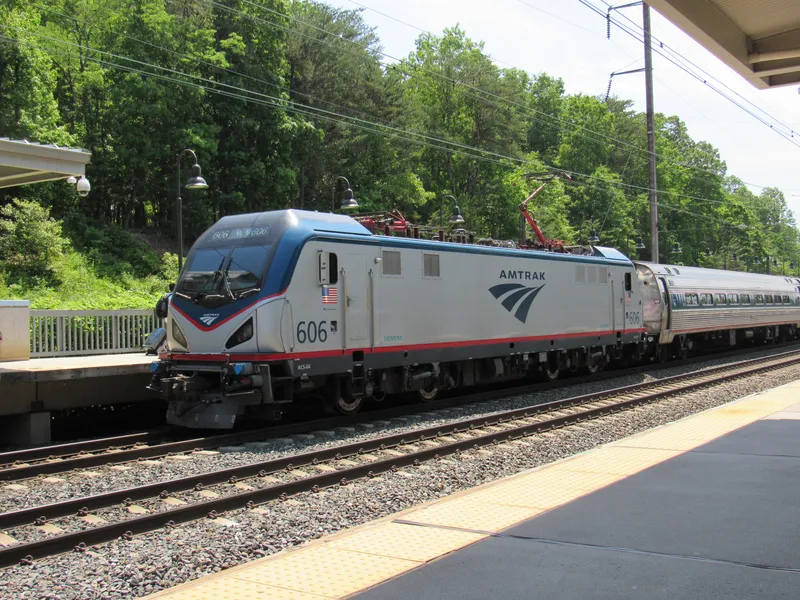
BWI Airport to Washington, D.C.
How to get from Baltimore/Washington International (BWI) into Washington, D.C. — the MARC and Amtrak trains via the BWI rail station, the free terminal shuttle, taxis and rideshare, and an honest look at whether BWI is the right airport for a DC trip.
Read guide
Capitol & White House Tour Planning
How official tours of the two most famous buildings in Washington actually work — the request windows, who to ask, the security to expect, realistic odds, and the strong free backups if a tour doesn't come through.
Read guide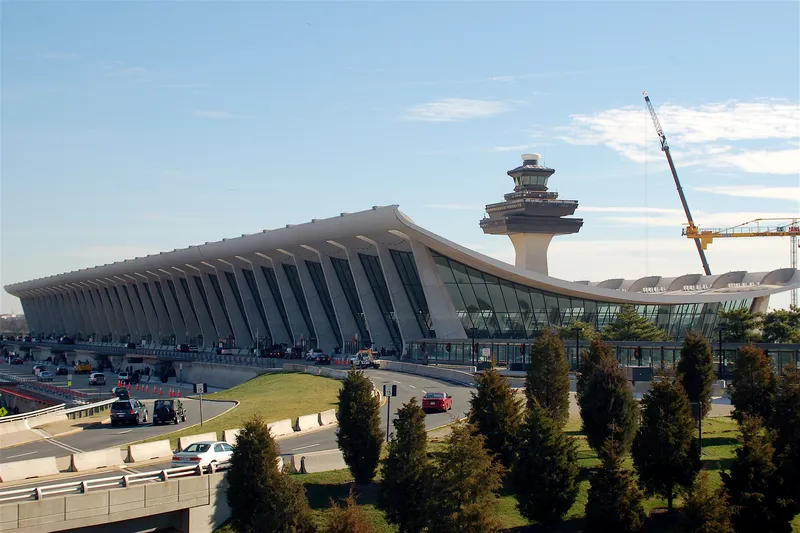
Dulles Airport to Washington, D.C.
How to get from Dulles International Airport (IAD) into Washington, D.C. — the Silver Line Metro, the Washington Flyer and 5A-style buses, taxis and rideshare, and the honest tradeoffs by time of day, budget and where your hotel sits.
Read guide
How to Get Around Washington, D.C.
A clear, realistic answer to how to get around Washington, D.C. without a car — when to simply walk, when the Metro is fastest, where buses fill the gaps, when a taxi or rideshare earns its fare, and how bikes and tour buses fit in. Plain trade-offs for a city built to be crossed on foot and by rail.
Read guide