
Washington, D.C. with Teens
Teenagers are a tougher crowd than little kids — they want agency, real interaction and something Instagram-worthy. The good news is DC delivers: spy missions, rockets, food halls, bike-share laps of the Mall, monuments at night and day trips with some edge. This is a guide to things to do in Washington with teens that they'll actually rate.

Photo: Andy Feliciotti / Unsplash
- ✓Teens want to do, not just look — lean into interactive museums, bikes, food halls and choose-your-own-day freedom.
- ✓The International Spy Museum and Air and Space are the surest hits; the Mall monuments land best after dark.
- ✓Bike-share or a bike tour turns the long, flat Mall from a slog into the best afternoon of the trip.
- ✓DC's food halls let a group of teenagers each get what they want without a fraught sit-down dinner.
- ✓Give teens a measure of independence on the Metro and in the museums — it's the city that makes that easy and safe.
What teenagers actually want from DC
Travelling with teenagers is a different game from travelling with small children. Teens have opinions, phones and a low tolerance for being marched past marble while an adult reads plaques aloud. But DC, handled right, is one of the easier cities to win them over in — because its best things involve doing rather than looking, and because the whole place is free and easy to move around independently.
The trick is to swap your instincts. Instead of a packed schedule, give them some agency: a say in which museums, a stretch of the day where they choose, and ideally a little supervised independence on the Metro. Instead of long passive walks, build in things with a verb — a spy mission, a bike ride, a food hall, a rooftop view, a monument lit up at night. Get the format right and the famous history lands almost by accident.
It also helps to lean into what teens already half-know from screens: the White House, the Capitol, the documents from history class, the museums they've seen in films. The thrill of standing in the real version of something familiar is a teenager-specific superpower of this city — the moment a film-buff teen recognises the Lincoln Memorial steps, or a politics-curious one stands in the Capitol Rotunda, the eye-roll drops for a second, and that second is the whole trip.
Set expectations honestly before you go, too. Two or three 'anchor' things a day, chosen together, plus loose time to wander or sit with a phone, is a rhythm teens can live with. Over-program the days and you'll spend them negotiating; under-program them with their input baked in, and the city's free, low-friction layout does the rest.

Museums teens will actually rate
Start with the International Spy Museum (paid), the city's most reliable teen hit: a purpose-built building near L'Enfant Plaza and The Wharf full of interactive missions, real espionage gadgetry and code-cracking that turns a museum visit into a game. It is the rare paid museum that teenagers ask to do. The National Air and Space Museum (free, mid-renovation, free timed-entry passes — verify) hangs real rockets and spacecraft overhead and pairs well with a film in its theatre.
From there, follow their interests. The National Museum of African American History and Culture is genuinely gripping for older teens and one of the most powerful museums in the country (free timed-entry passes — verify). The National Portrait Gallery's modern presidential portraits and the Hirshhorn's contemporary art and rotating installations photograph well and reward a quick, opinionated visit. Planet Word, an immersive language museum (suggested donation), surprises teenagers who think they're too cool for museums. The rule still holds: two museums a day, chosen with their input, beats a forced march through five.
Bikes, the Mall and getting around independently
The single best upgrade to a teen trip is wheels. The National Mall is long, flat and, frankly, a slow walk — but on bikes it becomes the best hour of the day, a fast loop past the monuments with the wind doing the cooling. DC's Capital Bikeshare docks are scattered across the core and there are guided bike tours of the monuments (including evening rides), which add some structure and history without the boredom of a walking tour (verify operators and rental ages).
Independence is the other gift. The Metro is clean, simple and color-coded, and older teens can handle a supervised solo hop between stations or a meet-you-there arrangement that makes them feel trusted. A SmarTrip card each, a clear meeting point and a phone is often the difference between a sulky teenager and an engaged one. Use the city's easy transit to hand them a little freedom — it's safer and simpler here than in most capitals.
A practical note on the bikes: stations are dense in the tourist core but the trails are best on the Mall side and along the riverfront, away from heavy traffic; check minimum ages for rentals and helmets, and keep younger teens on the protected paths rather than the avenues. If your group isn't confident on two wheels, a guided monuments bike or e-trike tour does the navigating for you and adds just enough history to count as educational without anyone noticing.

Monuments after dark and rooftop views
Daytime monuments can feel like homework to a teenager; the same monuments after dark feel like an event. Most of the Mall's memorials are floodlit and open through the night, the crowds thin, and the Lincoln Memorial glowing at the top of its steps over a black-and-gold Reflecting Pool is the kind of scene that ends up on their feed. Do the monuments-by-night loop and you'll get the engagement the daytime version never earns. Stick to the busy, well-lit paths and keep the group together in the large open park.
Views are the other easy teen-pleaser. The Kennedy Center's free rooftop terrace frames the river and the monuments at sunset; the Washington Monument's observation level offers real height (free timed tickets, closures possible — verify); and DC's rooftop bars and restaurants give older teens (with family) a stylish, photogenic stop. Aim a couple of the day's moments at golden hour and let the city do the showing-off.

Food halls, snacks and feeding a teenager
Teenagers and sit-down restaurants are an uneasy mix, and DC has the perfect solution: food halls. Union Market in NoMa is the flagship — dozens of stalls under one roof so everyone gets exactly what they want, with a buzzy, photogenic vibe teens like. The Wharf's Municipal Fish Market and food options, and the weekend stalls of Eastern Market on Capitol Hill, do the same job in different settings. These let a group graze, regroup and move on without the patience test of a shared menu.
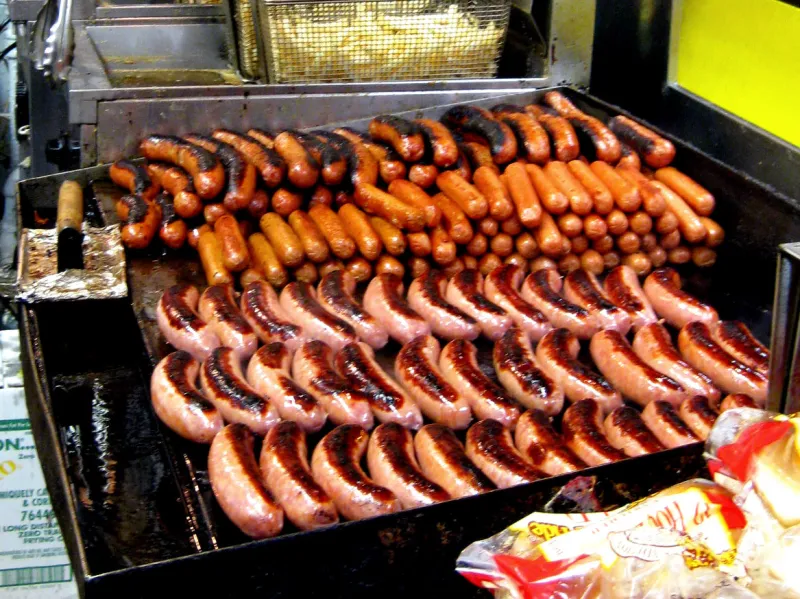
For a sense of place, point them at the local classics: the half-smoke (DC's own smoky sausage) at Ben's Chili Bowl on U Street, the city's deep Ethiopian scene in Shaw — where you scoop spiced stews with injera and no cutlery, which teens find novel — and a Chesapeake crab feast somewhere with a water view. Food can be its own activity with teens — a food tour, a market crawl or just letting them order something they've never had — and it often does more for the trip than another museum.
Coffee and dessert matter more than you'd think, too. A teenager who's just been dragged round a museum perks up fast at a good ice cream on the Georgetown waterfront, a famous cupcake, or a café with wifi where they can decompress for twenty minutes. Build these small, willing stops into the day as rewards and pacing breaks, and the whole group moves more happily between the bigger sights.
Day trips and activities with some edge
When the federal city has done its job, a day trip resets a teenager's enthusiasm. Out by Dulles, the Smithsonian's Udvar-Hazy Center holds a real Space Shuttle and a Blackbird spy plane in a hangar so vast it dwarfs the Mall's Air and Space — a must for any aviation- or space-obsessed teen. Across the river, Arlington National Cemetery and the changing of the guard at the Tomb of the Unknown Soldier is genuinely sobering, and lands harder with older kids than you'd expect.
For something more active, Great Falls Park offers dramatic Potomac rapids and easy hikes within reach of the city; Old Town Alexandria's cobbled riverfront has shops, kayaking and an ice-cream-and-waterfront afternoon; and Baltimore's harbour and aquarium make a longer day out. Pick one with a verb in it — climb, paddle, ride, explore — and you'll keep the energy that the museums of the city slowly drain.


A two-day teen plan that works
Here is the shape of a couple of days that tends to keep a teenager engaged. Day one, lead with the verb: rent bikes and ride the Mall axis in the cool of the morning, looping the monuments without the walking-tour boredom, then break for a food-hall lunch where everyone picks their own. Spend the early afternoon in the International Spy Museum or Air and Space — interactive, photogenic, hands-on — then give them a free stretch to wander or sit before dinner. End the day with the monuments after dark, the version of the marble that actually impresses them.
Day two, follow their interests and hand over more control. Let them choose between a heavy, gripping museum (African American History, the Holocaust Museum for older teens) and a lighter one, then build in a day-trip-style outing with some edge: Arlington Cemetery and the changing of the guard, the Space Shuttle at Udvar-Hazy, or the rapids at Great Falls. Bookend with food they've chosen — the half-smoke at Ben's, an Ethiopian dinner in Shaw — and you've shown them a city, not a syllabus.
The thread through both days is the same: do fewer things, give them a say, lean on the free and the interactive, and aim a couple of moments at golden hour or after dark. Teenagers who feel trusted and well-fed in a city that's genuinely easy to move around tend to come home having liked Washington far more than they expected to.



Related guides

International Spy Museum Guide
How to visit the International Spy Museum in Washington — a paid, ticketed museum near the Wharf and L'Enfant Plaza — with the interactive cover-identity exhibits, the gadgets and history, who it's best for by age, and whether it's worth paying for.
Read guide
Best Washington, D.C. Tours
When a tour is genuinely worth it in Washington and when the city is better free and self-guided — monument night tours, bike and Segway loops, food and neighbourhood walks, official Capitol and government-building tours, and the day trips that need a coach.
Read guide
Best Food Halls & Markets in Washington, D.C.
The best food halls and public markets in Washington, D.C. — Union Market in NoMa, historic Eastern Market on Capitol Hill, the Wharf's Municipal Fish Market and more. The easiest group, family and indecisive-table meals in the city, with what to eat and when to go.
Read guideMore in Things to Do
6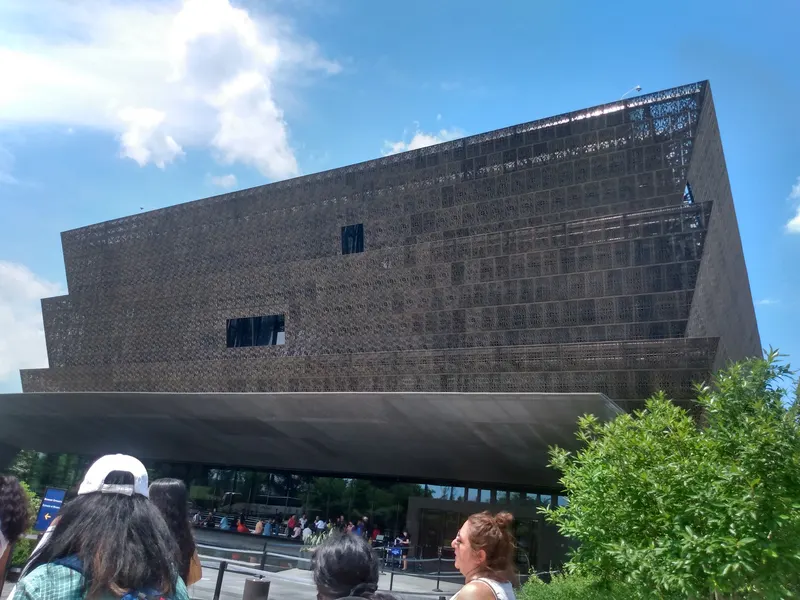
African American History Museum Guide
How to visit the National Museum of African American History & Culture on the Mall — the free timed-entry passes and how to get one, the deep underground history galleries, Sweet Home Café, the lines, how to pace an emotionally heavy visit, and the walk along the Mall.
Read guide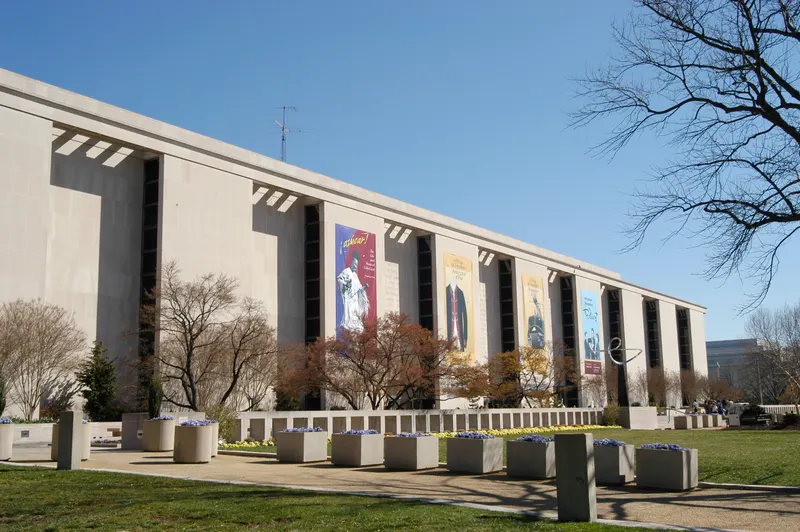
American History Museum Guide
How to visit the National Museum of American History on the Mall — the original Star-Spangled Banner, the First Ladies' gowns, the American presidency, the pop-culture icons, the food-court logistics, and how to time a visit around the school groups.
Read guide
Best Museums in Washington, D.C.
Washington has more world-class museums than any sane trip can hold, and almost all of them are free. This is a guide to the best museums in DC sorted by topic, age, ticket needs, location and rainy-day value — so you can choose two or three with confidence instead of trying to see them all.
Read guide
Best Photography Spots in Washington, D.C.
Where to make great photographs in Washington — the monument reflections, the Tidal Basin blossoms, the Capitol and Lincoln axis, Georgetown's waterfront, hidden rooftops and the golden-hour and blue-hour routes that tie them together.
Read guide
Best Things to Do in Washington, D.C.
A ranked first-trip shortlist of the best things to do in Washington, D.C. — from the National Mall and the free Smithsonian museums to a Capitol tour, the Tidal Basin and Georgetown — built so you can pick a handful and still feel you saw the city.
Read guide
Best Viewpoints in Washington, D.C.
Where to find the best views in Washington — the high monuments and free towers, the rooftop bars and cultural terraces, and the river and hilltop overlooks across the Potomac, ranked by how much effort each one asks.
Read guide