
Washington, D.C. for First-Timers
A first visit to Washington, D.C., explained without the panic — how much time to allow, what to book ahead, the mistakes that cost first-timers a day, and how to structure a trip around the National Mall so the capital feels grand instead of exhausting.

Photo: Jacob Creswick / Unsplash
- ✓The headline sights are free: the Smithsonian museums, the National Gallery and every monument on the Mall cost nothing to enter — your real budget is time and stamina.
- ✓The National Mall is much bigger than it photographs — it runs two miles end to end, so plan to walk it in legs, not in one heroic march.
- ✓Book the few things that need tickets before you fly: White House and Capitol tours, and free timed-entry passes for the busiest museums.
- ✓Stay near a Metro station, not necessarily on the Mall — a good rail connection matters more than a glamorous address.
- ✓Give the city at least two full days; three lets you breathe and add a neighbourhood or a day trip.
- ✓See monuments at the cool edges of the day and museums in the heat of the middle — the single rule that saves a first DC trip.
What makes Washington different
Most great cities ask you to choose between the famous things and your budget. Washington does not. The Smithsonian's museums, the National Gallery of Art and every monument and memorial on the National Mall are free to enter, by design — this is a capital built to be opened to the public, not sold to it. That single fact reshapes how a first visit works. You are not rationing admission fees; you are rationing your own time and energy, and the trip that goes well is the one that plans for stamina rather than spend.
The other thing to understand early is the geography. The National Mall, the green spine that holds almost everything a first-timer wants, is far larger on the ground than it looks in photographs — roughly two miles from the steps of the U.S. Capitol at the east end to the Lincoln Memorial at the west, with the Washington Monument standing at the centre. People routinely underestimate it, set off to 'see the Mall' in an afternoon, and arrive footsore and grumpy at the second monument. Treat it as a series of legs, and the same walk becomes one of the great urban strolls anywhere.
Hold those two ideas together — free admission, big distances — and the rest of first-timer planning falls into place. Spend money sparingly, spend energy wisely, and let the city's scale set the pace.


How much time to allow
A weekend is the honest minimum for a first trip, and even then you are skimming. Two full days lets you cover the Mall's headline monuments and dip into two or three museums without sprinting. Three days is the sweet spot: enough to add a neighbourhood beyond the federal core, a proper dinner away from the lawn, and perhaps an evening when the monuments are floodlit and the crowds have gone home. Four or five days opens up a day trip — Old Town Alexandria, Mount Vernon, Annapolis — and turns a checklist into a holiday.
Whatever you have, do not try to 'finish' Washington. The museums alone could swallow a week, and trying to see everything is the fastest route to seeing nothing properly. First-timers who accept that they will leave things undone — and that the price of return is zero — have a far better time than those grinding through a list.
What to book before you arrive
Most of Washington is walk-in, which lulls people into booking nothing — and then losing a morning to a queue or finding a tour fully reserved. A short pre-trip checklist fixes that. The non-negotiables to sort weeks ahead are the things with the longest lead times and the smallest capacity.
- White House tour: arranged well in advance through your Member of Congress (U.S. citizens) or your embassy in Washington (foreign nationals). Request windows open months out and fill fast — start early or skip it for the free White House Visitor Center.
- U.S. Capitol tour: free timed tickets are released online ahead of time, and you can also request a tour through your representative or senator; book before you fly rather than gambling on same-day walk-ups.
- Free timed-entry passes for the busiest museums: the National Museum of African American History & Culture is the classic example, and a handful of others use timed entry at peak times. These are free but limited, so claim them as soon as your dates are set, then verify current rules before you go.
- Anything with paid admission you genuinely want — the International Spy Museum, the top of the Washington Monument, certain special exhibitions — is worth a glance for advance tickets, since same-day availability is never guaranteed.


Where to stay (and why a Metro stop beats a view)
First-timers fixate on staying 'on the Mall'. Almost no one does — the Mall is monuments and museums, not hotels — and the better question is how close you are to a Metro station and how easy the walk to the lawn is. Get a room within a few minutes of a station and you can stay almost anywhere and still reach the sights quickly.
For a first visit, the western edge of the Mall around Foggy Bottom keeps the monuments and museums within walking distance. Penn Quarter and Downtown trade a slightly longer walk for restaurants, bars and a livelier evening. Dupont Circle is handsome and central; Capitol Hill and the Wharf are pleasant bases with their own character. Georgetown is the prettiest neighbourhood and the least convenient, because it has no Metro stop of its own — lovely to visit, harder as a base. Whatever you choose, confirm the walk to the nearest station before you book.
Getting around without losing your mind
You do not need a car. In fact a car is a liability downtown, where parking is scarce and expensive and the diagonal avenues confuse newcomers. Washington runs on two simple systems: your own feet and the Metro. Walk the Mall and within neighbourhoods; take the six-line Metrorail between neighbourhoods and out to the airport. One SmarTrip card — or a contactless bank card or phone — pays for both rail and bus, and on rail you tap both entering and exiting because fares vary with distance.
Learn the grid and you will rarely get lost. The Capitol is the zero point of four quadrants, so addresses repeat across NW, NE, SW and SE — always read the suffix before you set off, because an address in the wrong quadrant can be miles away. Buses and bike-share fill the gaps rail misses, Georgetown chief among them. Save taxis and rideshare for late nights, heavy bags or tired feet.

The mistakes first-timers make
Almost every avoidable bad day in Washington comes from the same handful of errors. None of them require local knowledge to dodge — just a little foresight.
- Underestimating the distances. The Mall is two miles long; the monuments are not a quick loop. Pace it and use the Metro to skip the dull stretches.
- Stacking monuments and museums into one exhausting block. Do monuments outdoors at the cool edges of the day and museums indoors during the heat or the rain — alternating is the whole secret.
- Trying to 'do' a whole museum. These buildings are vast. Pick two or three rooms you actually want, see them well, and leave the rest for a future free visit.
- Travelling in high summer with no plan for the heat. DC summers are genuinely hot and humid; carry water, build in indoor breaks, and don't schedule a midday monument march.
- Forgetting security. Federal buildings and many museums screen bags, so travel light and skip the oversized backpack.
- Driving and parking downtown when the Metro would have been faster, cheaper and far less stressful.
- Booking nothing ahead, then losing a morning to a tour that was full or a queue that snaked round the block.

A simple shape for a first trip
If you take only one structural idea away, make it this: split each day between the marble and the museums. Start outdoors in the cool of the morning at the western monuments — Lincoln, the war memorials, the Tidal Basin if the cherry trees are out. Move indoors to a museum or two through the hot or crowded middle of the day. Drift back out as the light softens toward the Capitol end, and save at least one evening for the floodlit monuments, which are open late, beautifully lit and blessedly quiet.
On a two-day trip, give day one to the western Mall and a museum, day two to the eastern Mall, the Capitol area and a neighbourhood dinner. On a three-day trip, add a slower day for a single neighbourhood — Georgetown, U Street, Capitol Hill — or a half-day trip across the river. Keep each day loose enough to linger, because the lingering is where Washington stops being a civics lesson and starts being a place you love.


First-timer questions, answered fast
How many days do I need? Two as a minimum, three to feel unhurried, four or five to add a day trip. You will not 'finish' the city, and that is fine.
Is it really all free? The big ones — Smithsonian museums, the National Gallery, every Mall monument — yes. A few attractions charge (the Spy Museum, some special exhibitions) and a few free sights need a free timed pass; verify current details before you go.
Do I need to book tours? For the White House and the Capitol, yes, well ahead. For most museums, no — they are walk-in, bar the occasional timed pass.
Where should I stay? Near a Metro station with an easy walk to the Mall — Foggy Bottom, Penn Quarter, Dupont and the Hill are all sound first-timer bases.
When is the best time to visit? Spring and autumn are the comfortable seasons; cherry-blossom weeks are magical but crowded; summer is hot and humid; winter is quiet and cold but the museums are warm and free.


Related guides

One Day in Washington, D.C.
A realistic single-day route through the capital — the western monuments early, one Smithsonian museum at midday, the Mall's headline sights, Capitol views and the monuments lit at dusk, all walkable and free.
Read guide
Where to Stay in Washington, D.C.
A complete, area-by-area guide to where to stay in Washington, D.C. — how to choose a base by Metro access and walkability, the best neighbourhoods for first-timers, families, couples, budgets and luxury, plus when staying across the river makes sense.
Read guide
Best Things to Do in Washington, D.C.
A ranked first-trip shortlist of the best things to do in Washington, D.C. — from the National Mall and the free Smithsonian museums to a Capitol tour, the Tidal Basin and Georgetown — built so you can pick a handful and still feel you saw the city.
Read guideMore in Travel Tips
6
Accessible Washington, D.C.
How to visit Washington with mobility, distance or stamina in mind — the step-free Metro, the largely flat but very long Mall, accessible museums and memorials, taxis and rideshare, and ways to build a low-walking plan that still reaches the city's best places.
Read guide
Are Washington, D.C. Passes Worth It?
An honest look at whether a bundled DC attraction pass saves you money — why a city built on free museums and monuments changes the maths, and the short list of paid sights where a pass or a single ticket actually helps.
Read guide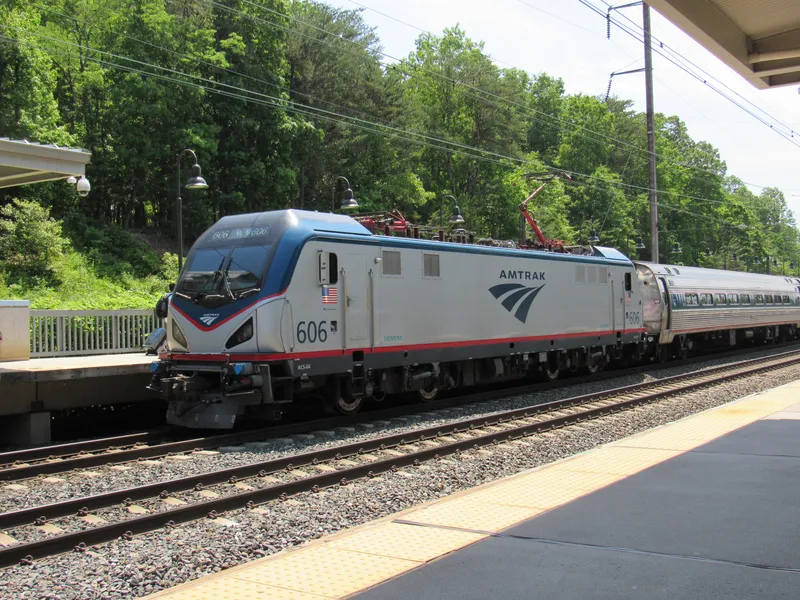
BWI Airport to Washington, D.C.
How to get from Baltimore/Washington International (BWI) into Washington, D.C. — the MARC and Amtrak trains via the BWI rail station, the free terminal shuttle, taxis and rideshare, and an honest look at whether BWI is the right airport for a DC trip.
Read guide
Capitol & White House Tour Planning
How official tours of the two most famous buildings in Washington actually work — the request windows, who to ask, the security to expect, realistic odds, and the strong free backups if a tour doesn't come through.
Read guide
Dulles Airport to Washington, D.C.
How to get from Dulles International Airport (IAD) into Washington, D.C. — the Silver Line Metro, the Washington Flyer and 5A-style buses, taxis and rideshare, and the honest tradeoffs by time of day, budget and where your hotel sits.
Read guide
How to Get Around Washington, D.C.
A clear, realistic answer to how to get around Washington, D.C. without a car — when to simply walk, when the Metro is fastest, where buses fill the gaps, when a taxi or rideshare earns its fare, and how bikes and tour buses fit in. Plain trade-offs for a city built to be crossed on foot and by rail.
Read guide