
Washington, D.C. Museums Itinerary
How to plan a museum-heavy day in Washington, D.C. without fatigue, duplicated themes or a missed timed pass — a strategy for pacing the world's densest concentration of free museums. Pick two or three buildings, go deep on a few rooms each, book the passes that need booking, and leave the rest for next time, because the museums are free and trying to 'do' them all is the fastest way to ruin the trip.

Photo: Anthony Chiado / Unsplash
- ✓DC has the densest concentration of free museums on earth — the seventeen Smithsonian museums plus the National Gallery of Art, almost all on the Mall and free to enter.
- ✓The enemy is not access but fatigue: these are vast buildings, and the right plan is two or three museums a day, a few rooms each, not whole buildings.
- ✓Book the passes that need booking before you arrive — several of the most-wanted museums use free timed-entry passes that sell out (verify each one's current policy).
- ✓Cluster by location and contrast by theme: group museums that sit near each other, but alternate the heavy and the light so the day doesn't blur.
- ✓Build in real breaks — lunch off the Mall, fresh air between buildings, an early finish — because a calm three-museum day beats a frantic six-museum one every time.
The museum day at a glance
Before the route, the facts that shape a museum-focused day in the capital:
- Cost: the seventeen Smithsonian museums and the National Gallery of Art are free, with no general admission ticket — open almost every day (Christmas Day is the main exception; verify current hours) — so your only spend is on optional paid museums (Spy Museum, etc.) and food.
- Passes: a handful of the most popular museums release free timed-entry passes online in advance, and they go fast in peak season — book before you arrive, and verify each museum's current pass policy.
- Pacing: plan two or three museums a day at most, and go deep on a few rooms in each rather than walking every gallery; museum fatigue is the real limit, not opening hours.
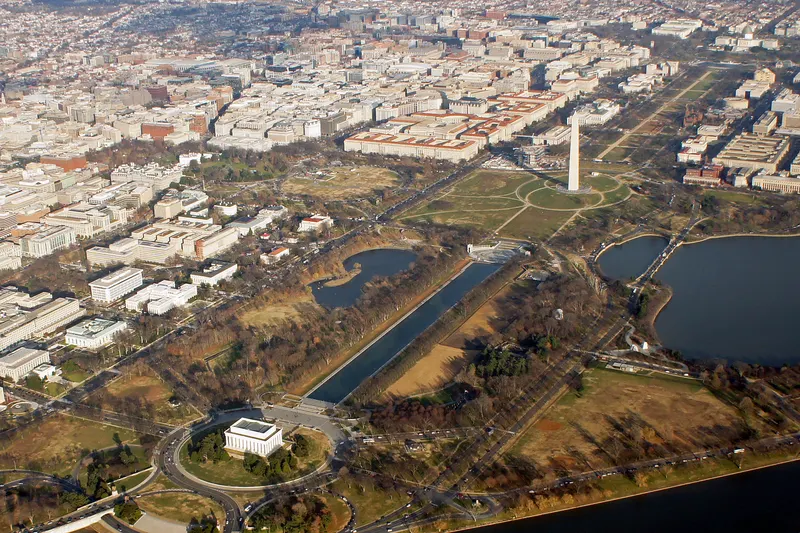
- Location: most of the big museums line the Mall within walking distance of each other, so cluster by geography and minimise back-and-forth.
- Food: on-Mall museum cafés are convenient but crowded and forgettable; a planned lunch break off the lawn resets the day.
- Hours & closures: opening hours and any holiday closures vary by museum and season — verify before you build a tight day around any single one.


Why a museum day needs a strategy, not a list
Washington holds the largest concentration of free museums anywhere, and that abundance is precisely the trap. With seventeen Smithsonian museums and the National Gallery of Art all free and mostly clustered along the Mall, the instinct is to treat them as a checklist and try to see as many as possible. That instinct produces a miserable, blurry day: by the third building your feet hurt, the exhibits stop registering, and you remember none of it. The buildings are enormous — each one could fill a day on its own — so 'doing' four or five of them in an afternoon means doing all of them badly.
The better approach inverts the goal. Because the museums are free, there is no money to extract and no pressure to get your ticket's worth — which frees you to be ruthlessly selective. Pick two or three museums for the day, and within each one pick the two or three things you actually came to see: the Wright Flyer and the Apollo capsule, the Hope Diamond and the dinosaurs, the Star-Spangled Banner, a single wing of the National Gallery. See those well, then walk out into the city. A museum you 'finish' is a museum you've exhausted; a museum you sample is one you'll remember and want to return to.
Two practical levers make this work. First, cluster by location so you're not crossing the Mall repeatedly — group the museums that sit near each other and let geography order your day. Second, alternate the heavy and the light: follow an emotionally intense museum with something playful, or a dense history hall with an airy art gallery, so the day has rhythm instead of grinding sameness. Get those two things right and a three-museum day feels rich rather than punishing.

Before you go: book the passes and choose your two or three
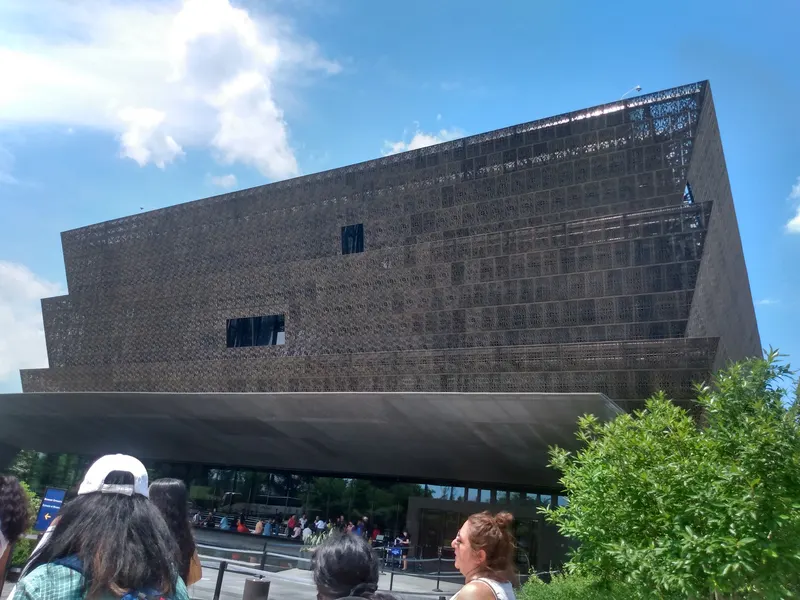
The one piece of advance work that genuinely matters is the timed passes. Most DC museums are walk-in, but several of the most-wanted ones release free timed-entry passes online ahead of time, and in busy seasons they're gone before the day arrives. The National Museum of African American History & Culture and the National Air and Space Museum have used this system, and others may too — so check each museum you care about, book the passes the moment they open for your dates, and verify the current policy before you travel, as these rules change. A missed pass is the single most common way a museum day goes wrong.
Then make your choices before you arrive, not on the lawn. Decide which two or three museums lead each day and which exhibits within them you most want to see, so you walk in with a plan rather than drifting. A quick way to choose well is by interest and contrast: one big crowd-pleaser (Air and Space, Natural History), one that means something to you personally (American History, African American History, the Holocaust Museum, an art museum), and a lighter third only if you have the legs. Note opening hours and any holiday closures for each — they vary — and you've done all the planning a great museum day needs.
Plan A — the classic Mall cluster (history, science, art)
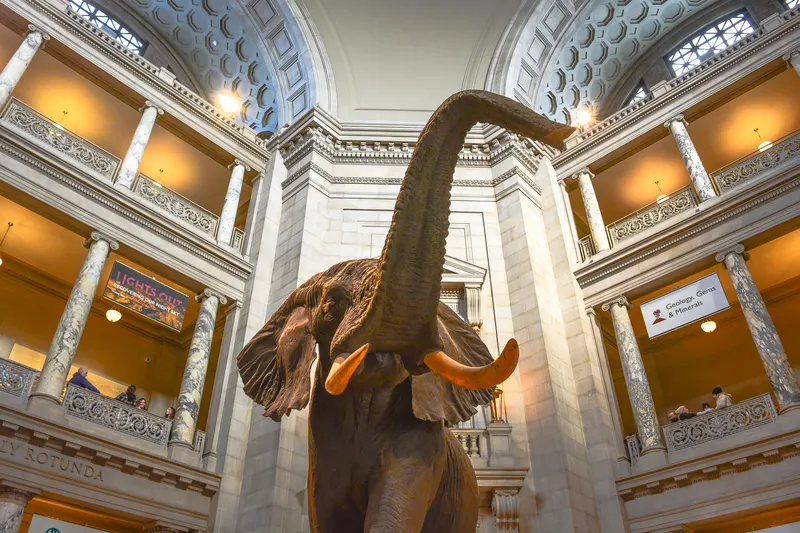
The most efficient museum day groups three buildings that sit close together on the north and south sides of the Mall, so you barely walk and never double back. A strong sequence: open at the National Museum of Natural History for the dinosaurs, the Hope Diamond and the mammals — a reliable crowd-pleaser that's easy on a wide range of ages — then cross to the National Museum of American History next door for the Star-Spangled Banner, the presidency and First Ladies exhibits, and the pop-culture Americana. These two are neighbours, both free, both walk-in, and together they cover natural science and national story without a long trek between them.
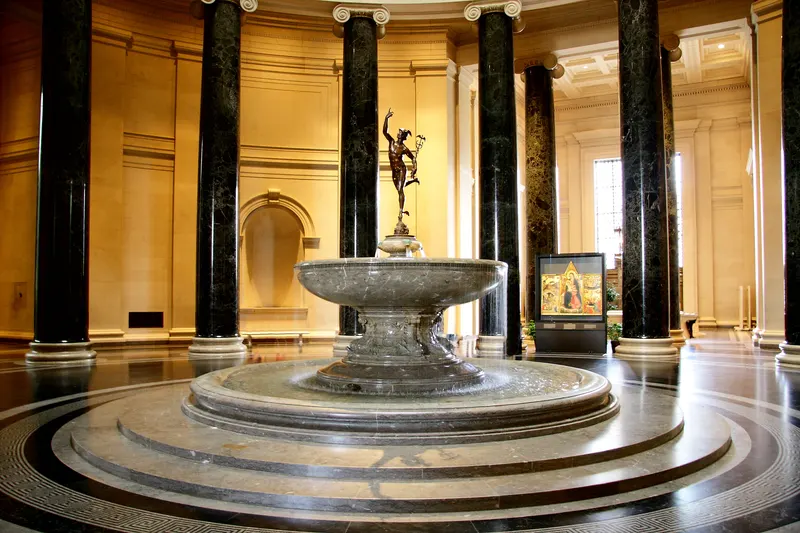
For the afternoon, contrast the density with something airier: the National Gallery of Art, just along the Mall, lets you trade crowded history halls for quieter galleries and a famous Sculpture Garden — a deliberate change of register that keeps fatigue at bay. Go deep on one wing (the Dutch masters, the Impressionists, a single floor of the East Building) rather than the whole museum. Break for lunch off the Mall between the morning and afternoon blocks if you can; even a short walk to a real meal resets the legs and the attention. This Plan A is the template most first-time museum days should follow: three buildings, a few rooms each, geography doing the planning.
Plan B — themed days (science, art, civics, the weighty histories)
If you have more than one museum day, or a clear passion, build each day around a theme rather than mixing everything. A science-and-flight day pairs the National Air and Space Museum (book the free timed passes) with the National Museum of Natural History, with the family-friendly energy of both carrying a long day. An art day strings the National Gallery of Art together with the Hirshhorn's contemporary collection and sculpture garden, and the portraiture and American art of the National Portrait Gallery up in Penn Quarter — a satisfying arc from old masters to the present. A civics-and-documents day anchors on the National Archives (the Declaration, the Constitution and the Bill of Rights, with timed entry — verify) alongside American History.
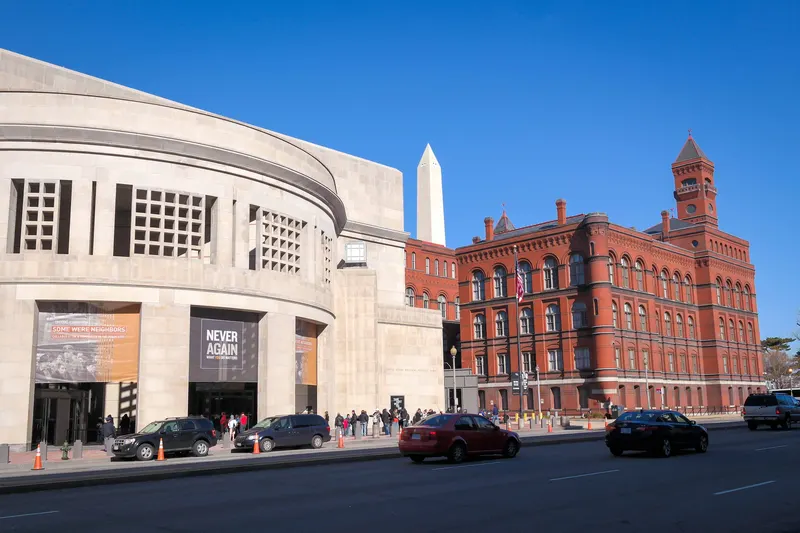
Some museums deserve to stand more or less alone because of their emotional weight. The United States Holocaust Memorial Museum and the National Museum of African American History & Culture are both profound, full-arc experiences, and pairing either with a light, playful second stop — or simply giving it the day and ending early — respects what they ask of a visitor. The general rule for themed days is the same as for everything else here: don't stack two emotionally heavy museums back to back, alternate intensity with ease, and remember that the museums are free, so a day that sees less but feels more is the better day.
Beating museum fatigue: breaks, food and a rainy-day bonus
The skill of a great museum day is managing energy, and the levers are simple. Take real breaks: step outside between buildings for fresh air and daylight, sit down, and don't move straight from one set of galleries into the next without a pause. Eat a proper lunch off the Mall if you can — the on-site cafés are crowded and the food forgettable, and a short walk to a real meal does more to revive a flagging afternoon than another exhibit ever will. Wear comfortable shoes; museum floors are hard and the buildings are bigger than they look, so the day involves far more standing and walking than a list of three buildings suggests.
Use the city's geography to your advantage. Cluster museums that sit near each other, keep one easy 'lighter' museum in reserve for when the group flags, and don't be afraid to call it after three buildings — there's no prize for exhaustion. And remember the museums' second great virtue: they are the perfect bad-weather plan. A rainy or brutally hot DC day is exactly when a museum itinerary shines, because the free, climate-controlled halls turn weather that would wreck a monument day into the best museum day of the trip. Plan the museums for the day the sky turns, save the Mall for the day it clears, and the free buildings will reward you twice over.
A few quick fixes head off the most common museum-day frustrations. Arrive early when you can: the big Mall museums fill up as the morning goes on, and the first hour after opening is the calmest, with the marquee exhibits — the dinosaurs, the Hope Diamond, the Wright Flyer — at their least crowded. Travel light, since most museums screen bags at the entrance and large packs slow you down or aren't allowed (verify current bag rules for each one). Pick up a map or use the museum's app at the door and head straight to your two or three must-sees before fatigue sets in, rather than drifting through the first galleries and running out of energy before you reach what you came for. And if you're travelling with a mix of ages or interests, agree a meeting point and time and let the group split — one person's dream gallery is another's slog, and the museums are free, so there's no waste in seeing them separately.
 Rainy day Washington DC
Why a museum itinerary is the ideal wet-weather plan, with the best indoor clusters.
 Restaurants near the Mall
Realistic lunch options off the lawn to reset a museum day's legs and attention.
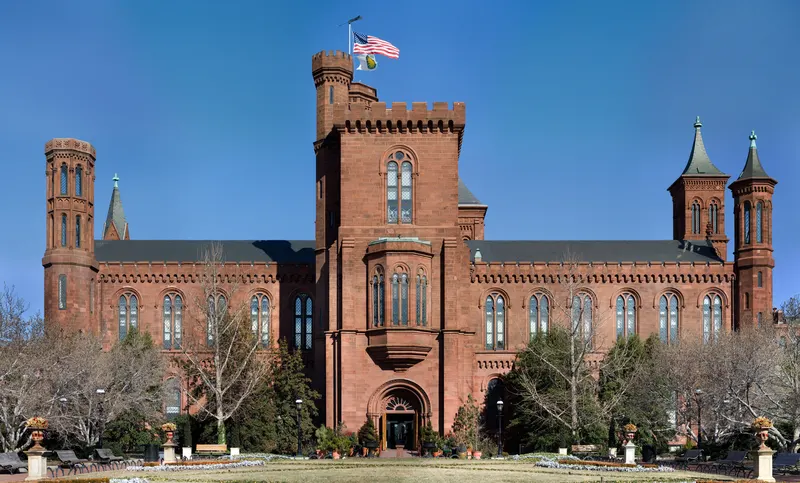 Smithsonian museums guide
The full menu of free museums to choose your two or three from, by interest and age.

Related guides
Smithsonian Museums Guide
How to plan a sane day across Washington's free Smithsonian museums — which to prioritise by interest and age, which need free timed-entry passes, how long each really takes, where to eat, and how the buildings line up along the National Mall.
Read guide
National Air and Space Museum Guide
How to visit the National Air and Space Museum on the Mall — the free timed-entry passes, the best galleries to prioritise, what the long renovation means for what's open, a family strategy, and how the downtown museum compares to the Udvar-Hazy Center near Dulles.
Read guideRainy Day in Washington, D.C.
A wet or punishingly hot day is no disaster in Washington — this is a city of free indoor wonders. From the Smithsonian halls and the National Gallery to the National Archives, food halls, galleries and the Kennedy Center, here is a full plan for a rainy day in DC that keeps you dry, warm and barely spending a cent.
Read guideMore in Itineraries
6
A Washington, D.C. Itinerary with Kids
A family-paced Washington, D.C. itinerary — short museum blocks at the free Smithsonians, the dinosaurs and the Hope Diamond, the National Zoo, the Mall carousel, plenty of food and bathroom breaks, stroller notes and fewer long walks, built so children and parents both enjoy the day.
Read guide
A Weekend in Washington, D.C.
A Friday-to-Sunday Washington, D.C. weekend — where to base yourself, an arrival-night monuments walk, a full Saturday of the Mall, museums and a Capitol tour, a Sunday of brunch, the Tidal Basin and a neighbourhood, built around Metro access and slower evenings.
Read guide
Four Days in Washington, D.C.
An unhurried four-day Washington, D.C. itinerary — the Mall monuments and free Smithsonian museums, a Capitol tour and the founding documents, the Tidal Basin and Georgetown, then deeper museums, fuller neighbourhoods and a relaxed day trip to Arlington, Old Town Alexandria or Mount Vernon, with slower evenings throughout.
Read guide
Low-Walking Washington, D.C. Itinerary
A gentler way to see Washington, D.C. — a low-walking itinerary built for limited mobility, seniors, hot days and anyone who wants to avoid the long, exposed Mall marches. It leans on the Metro, on drop-offs and rideshare, on the few seated and short-distance options, and on the simple truth that the museums and many monuments can be seen well without crossing two miles of lawn on foot.
Read guide
Luxury Washington, D.C. Itinerary
Washington wears luxury quietly — grand historic hotels a block from the White House, chef's-counter tasting menus, private after-hours tours and a rooftop city of monument views. This is a high-end Washington, D.C. itinerary that pairs the free, world-class sights with the polish, ease and access that make the difference: where to stay, where to dine, what to book privately and how to fold in Mount Vernon in style.
Read guide
One Day in Washington, D.C.
A realistic single-day route through the capital — the western monuments early, one Smithsonian museum at midday, the Mall's headline sights, Capitol views and the monuments lit at dusk, all walkable and free.
Read guide