
Parking & Driving in Washington, D.C.
An honest guide to parking and driving in Washington, D.C. — why most visitors are better off without a car, how hotel and Mall parking works, garages versus street parking, the District's strict street rules, and when renting a car for day trips genuinely pays off.

Photo: Abdullah Guc / Unsplash
- ✓For a city-only trip, the honest advice is: don't drive. DC is built for the Metro and for walking, and a car is mostly a liability downtown.
- ✓Street parking is scarce, metered and tightly enforced, with confusing zone, rush-hour and street-cleaning rules — read every sign carefully.
- ✓Garages exist but are expensive in the centre; hotel parking is often a steep nightly add-on, so check it before you book.
- ✓The diagonal avenues, traffic circles and repeating quadrant addresses make DC genuinely tricky to drive for first-timers.
- ✓Where a car does earn its keep is day trips — Mount Vernon, the Shenandoah and other out-of-town spots; rent it for those days, not for the city.
The honest answer: most visitors shouldn't drive
Let us be blunt, because it will save you money and frustration: for a trip spent in Washington itself, you almost certainly do not want a car. The District was laid out for movement on foot and, in the modern age, on the Metro, and the things visitors come for — the Mall, the monuments, the free museums, the central neighbourhoods — are clustered around rail stations and within walking distance of one another. A car in this picture is something to park, pay for and worry about, not something that gets you around faster.
Driving downtown adds the very headaches the train removes: scarce and expensive parking, tight enforcement, traffic, and a street layout that catches out newcomers. The money you would spend on a rental and nightly parking buys a lot of Metro rides, taxis and the occasional rideshare, with none of the stress. So the default for a city-only trip is simple — skip the car, stay near a Metro stop, and walk or ride. The rest of this guide is for the situations where that default does not apply.

If you do bring a car: parking realities
Sometimes a car is unavoidable — you have driven in, you are road-tripping through, or your plans genuinely need one. If so, the first thing to sort is where it will sit, because parking, not driving, is the real challenge in DC. On-street parking in the central and popular areas is metered, time-limited and in short supply, and the demand for kerb space far outstrips it in the busiest districts.
Off-street, the city has plenty of commercial garages and lots, but central ones are expensive, especially for a full day or overnight. The most painless option is usually to park once and leave it: stash the car in a garage or at your hotel and use the Metro and your feet for everything else, exactly as a car-free visitor would. Treating the car as a way to have arrived, rather than a way to get around, is the mindset that makes driving to DC bearable.
Specific rates and availability change constantly and vary block to block, so verify current garage prices and any reservations rather than relying on figures from an old guide. Where possible, build parking into your hotel choice from the start, so you are not improvising with a full car on day one.

Hotel parking and Mall parking
Two parking questions come up again and again. The first is hotel parking. Many central DC hotels charge a substantial nightly fee for parking, sometimes valet-only, and it is easy to be caught out by a charge that quietly adds up over several nights. Always check a hotel's parking policy and price before you book if you are arriving by car — and weigh whether a property a little farther out, or across the river, with cheaper or included parking and a nearby Metro stop, would serve you better.
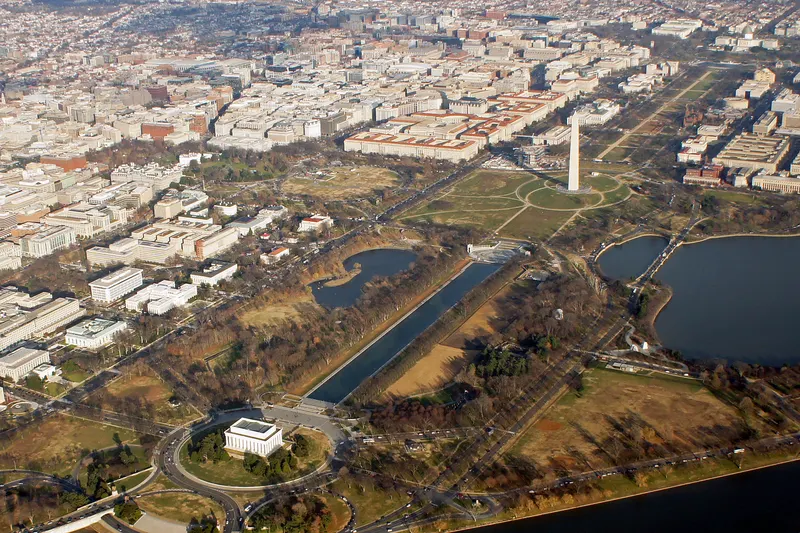
The second is parking for the Mall and the monuments. There is some limited public parking near the Mall — along stretches of the surrounding streets and in a few nearby areas — but it fills early, is time-limited, and is not something to rely on at peak times or during big events. The far easier approach is to leave the car wherever you are staying and take the Metro to the Mall; the central stations put you within easy reach of the sights, and you avoid circling for a space that may not exist. If you are visiting during cherry-blossom season or a major event, assume driving and parking near the Mall will be difficult and plan to arrive by rail.
Street rules and the District's quirks
If you do park on the street, read every sign — twice. DC's kerbside rules are layered and strictly enforced: metered hours, residential permit zones, rush-hour restrictions that turn some lanes into no-parking (or even no-stopping) zones at peak times, and street-cleaning windows when a whole block must be clear. A spot that is legal at one hour can earn a ticket or a tow at the next, so check the times and conditions on the signs above your space, not just the meter.
Driving itself has a learning curve. Pierre L'Enfant's plan overlays a tidy grid of lettered and numbered streets with broad, diagonal, state-named avenues that meet at traffic circles — elegant to look at, disorienting to drive, especially the circles, which take some nerve the first time. The grid also repeats: addresses recur across the four quadrants (NW, NE, SW, SE), so always check the suffix before you set a destination, or you can end up on the right-numbered street in entirely the wrong part of town. None of this is insurmountable, but it is why first-time visitors so often find the car more trouble than it is worth.
When a car genuinely helps: day trips
There is one situation where a car earns its keep: getting out of the city. Several of the best day trips from Washington are easier, or only practical, with your own wheels — Mount Vernon down the Potomac, the wineries and battlefields of the Virginia and Maryland countryside, and the Shenandoah's Skyline Drive, which is a road trip in itself. For trips like these, a car turns a logistical puzzle into a simple drive.
The smart move is to match the car to the need rather than the whole trip. Do the city car-free on the Metro and your feet, then rent a car only for the specific day or two you head out of town — picking it up when you need it and dropping it before you are back to navigating downtown. That way you get the freedom of the open road for the Shenandoah without paying to park a car you are not using for the days you spend on the Mall. Some day trips, of course, need no car at all: Old Town Alexandria is a Metro ride away, and Union Station puts train day trips within easy reach.

At a glance
A quick reference for the parking-and-driving decision. Rates, rules and availability change and vary block to block — verify current prices and street signs before you rely on them.
- Default advice: for a city-only trip, skip the car — DC is built for the Metro and for walking.
- Street parking: metered, time-limited, scarce in popular areas, and strictly enforced — read every sign carefully.
- Garages: available but expensive in the centre; verify current rates and book ahead where you can.
- Hotel parking: often a steep nightly add-on, sometimes valet-only — check the price before you book.
- Mall parking: limited, fills early, unreliable at peak times and events — take the Metro instead.
- Driving quirks: diagonal avenues, traffic circles and quadrant addresses (NW/NE/SW/SE) trip up first-timers.
- Where a car helps: day trips like Mount Vernon and the Shenandoah — rent it for those days, not for the city.
- Verify: garage and hotel parking rates, and the rules on the street signs above your specific space.
Common questions
Do I need a car in Washington DC? For a trip spent in the city, no — the Metro, buses and walking cover the Mall, museums, monuments and central neighbourhoods easily, and a car is mostly a costly liability downtown. A car only really helps for day trips out of town.
Is parking expensive in DC? In the central and popular areas, yes — street parking is scarce and metered, central garages are pricey, and many hotels charge a steep nightly fee. The cheapest approach is usually to leave the car parked and use the Metro. Verify current rates before you go.
Where do I park to visit the National Mall? There's some limited public parking near the Mall, but it fills early and is unreliable at peak times and events. The far easier option is to leave your car where you're staying and take the Metro to a central station near the sights.
Is it hard to drive in DC? It has a learning curve — the diagonal state-named avenues, the traffic circles and the repeating quadrant addresses (NW, NE, SW, SE) catch out first-timers. Always check the quadrant suffix on an address, and read street-parking signs carefully, since rush-hour and street-cleaning rules are strictly enforced.
Should I rent a car for my DC trip? Only if you're doing day trips that need one, such as Mount Vernon, the countryside or the Shenandoah's Skyline Drive. The smart move is to do the city car-free and rent a car just for the day or two you head out of town.
Can I avoid hotel parking fees? Often, yes — choose a hotel near a Metro stop with cheaper or included parking, including options across the river in Arlington, or skip the car entirely and rely on transit. Always check a hotel's parking policy and price before you book.

Related guides

How to Get Around Washington, D.C.
A clear, realistic answer to how to get around Washington, D.C. without a car — when to simply walk, when the Metro is fastest, where buses fill the gaps, when a taxi or rideshare earns its fare, and how bikes and tour buses fit in. Plain trade-offs for a city built to be crossed on foot and by rail.
Read guide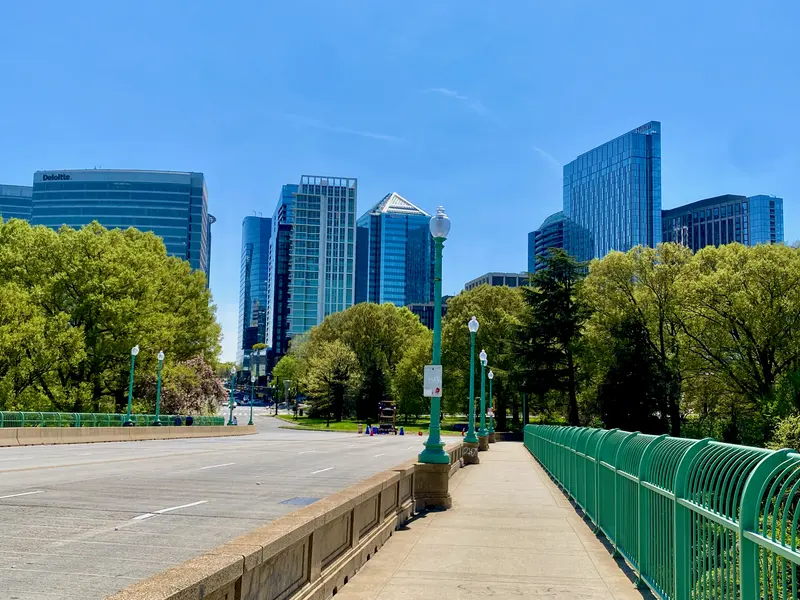
Staying in Arlington & Rosslyn for DC
When it makes sense to base across the Potomac in Arlington, Virginia — how the Metro links Rosslyn and the Orange/Silver/Blue line corridor to the National Mall, why hotel rates can run lower than in the District, and which Arlington areas actually suit tourists.
Read guide
Day Trips from Washington, D.C.
Easy escapes from the District — Mount Vernon and Old Town Alexandria down the Potomac, Arlington across the river, Great Falls in the gorge, plus Annapolis, Baltimore, Harpers Ferry and the Shenandoah, with honest notes on which you can reach without a car.
Read guideMore in Travel Tips
6
Accessible Washington, D.C.
How to visit Washington with mobility, distance or stamina in mind — the step-free Metro, the largely flat but very long Mall, accessible museums and memorials, taxis and rideshare, and ways to build a low-walking plan that still reaches the city's best places.
Read guide
Are Washington, D.C. Passes Worth It?
An honest look at whether a bundled DC attraction pass saves you money — why a city built on free museums and monuments changes the maths, and the short list of paid sights where a pass or a single ticket actually helps.
Read guide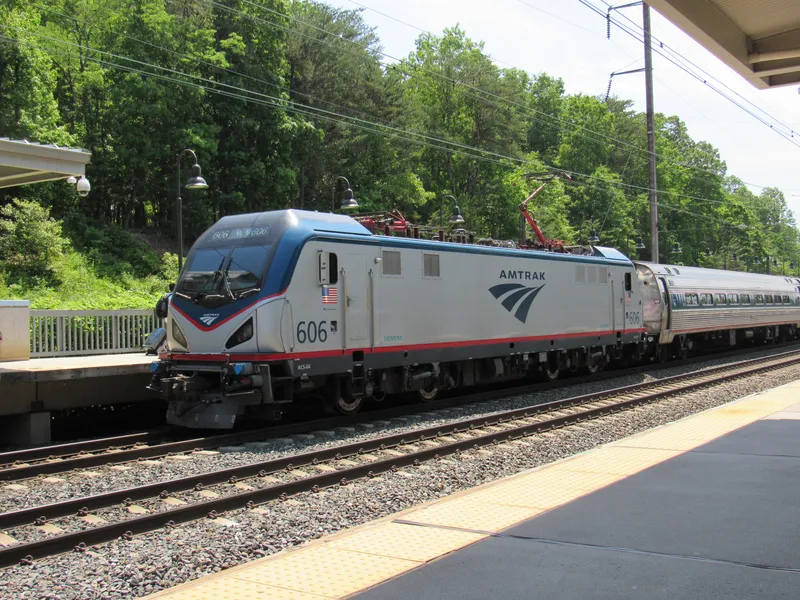
BWI Airport to Washington, D.C.
How to get from Baltimore/Washington International (BWI) into Washington, D.C. — the MARC and Amtrak trains via the BWI rail station, the free terminal shuttle, taxis and rideshare, and an honest look at whether BWI is the right airport for a DC trip.
Read guide
Capitol & White House Tour Planning
How official tours of the two most famous buildings in Washington actually work — the request windows, who to ask, the security to expect, realistic odds, and the strong free backups if a tour doesn't come through.
Read guide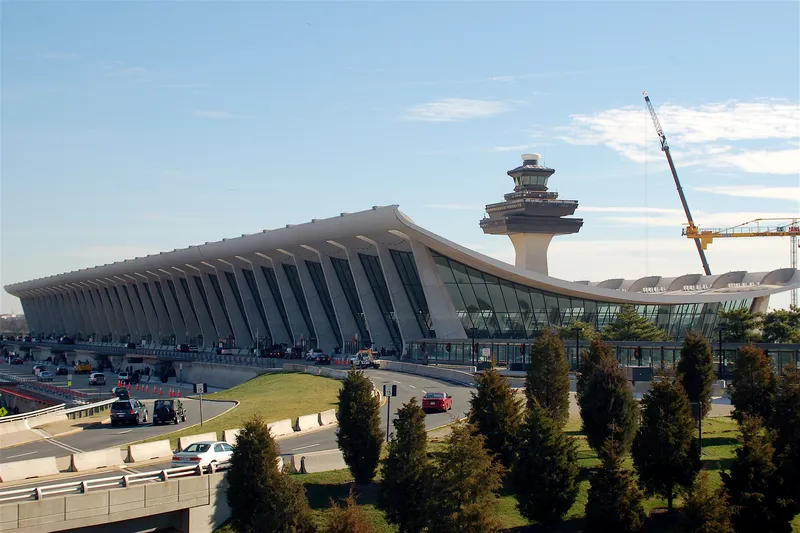
Dulles Airport to Washington, D.C.
How to get from Dulles International Airport (IAD) into Washington, D.C. — the Silver Line Metro, the Washington Flyer and 5A-style buses, taxis and rideshare, and the honest tradeoffs by time of day, budget and where your hotel sits.
Read guide
Is Washington, D.C. Safe for Tourists?
An honest, practical answer to whether Washington, D.C. is safe for visitors — what the tourist core is actually like, how the Metro and monuments feel day and night, sensible advice for families and solo travelers, what to know about protests and demonstrations, and the heat that is the season's real risk.
Read guide