
Union Station Washington, D.C. Guide
A visitor's guide to Washington Union Station — arriving by Amtrak and MARC, transferring to the Metro and buses, luggage and left-luggage, food and the Main Hall, walking to Capitol Hill, and using the station as your launchpad for day trips out of the city.

Photo: Caleb Fisher / Unsplash
- ✓Union Station is the District's grand Beaux-Arts railway gateway — a working transport hub and a landmark in its own right, just north of the Capitol.
- ✓Amtrak intercity trains and MARC and VRE commuter trains all arrive here, with the Metro's Red Line directly below.
- ✓It is your single best launchpad for day trips — to Baltimore, Annapolis-direction connections, the BWI rail station and farther up and down the Northeast Corridor.
- ✓Capitol Hill, the U.S. Capitol and the Library of Congress are an easy walk south from the station's front doors.
- ✓Treat shop, food and service hours as 'verify before you go' — the retail and dining line-up changes, and the building has seen ongoing renovation works.
A station that is also a monument
Some cities hide their railway stations; Washington put one of its grandest buildings around its trains. Union Station opened in the early twentieth century as a Beaux-Arts showpiece — a triumphal arch of a façade, a barrel-vaulted Main Hall with a coffered, gilded ceiling, marble underfoot and arched windows pouring light across the concourse. It was designed to be the dignified front door to the capital, and even now, hurrying through with a suitcase, it is worth a moment's pause to look up.
It remains a fully working hub. Amtrak runs intercity and high-speed services up and down the Northeast Corridor and beyond; MARC and Virginia Railway Express (VRE) bring in commuters from Maryland and Virginia; the Metro's Red Line runs directly beneath the building; buses and taxis cluster outside. For a visitor, that convergence is the point: arrive here and you are immediately plugged into the whole region, a short walk from Capitol Hill and a few minutes from the National Mall by rail. This guide covers arriving, transferring, the practicalities of luggage and food, and using the station as a base for getting out of town.



Arriving by Amtrak, MARC and VRE
If you are coming in by train, Union Station is the terminus or a key stop. Amtrak's Northeast Corridor services link Washington with Baltimore, Philadelphia, New York and Boston to the north, and routes fan out south and west as well, so many visitors arrive here from another East Coast city rather than by air. Acela and Northeast Regional trains pull right into the main concourse-level platforms.
The commuter services share the station. MARC connects Maryland — including, importantly for air travellers, the BWI rail station near Baltimore/Washington International Airport — while VRE brings in passengers from Northern Virginia. Both are built around weekday commuting, so their schedules thin out on weekends and in the evenings; check the timetable for your exact day before you depend on them.
Whichever train you take, you arrive into a single, navigable building. Follow the signs from the platforms to the Main Hall and the exits, or downstairs to the Metro. The station can be busy at peak times, but it is logically laid out, with clear wayfinding to ground transport, the Metro and the street.
Transferring to the Metro and buses
The most useful transfer for most visitors is to the Metro. The Union Station stop on the Red Line sits directly below the building — follow the signs down from the concourse. To ride, you need a SmarTrip card or a SmarTrip mobile pass: buy the physical card from a fare machine, or add a pass to your phone's wallet before you arrive. From the Red Line you can reach much of the city, changing lines as needed for the Mall, downtown, Dupont Circle and beyond.
Outside the station, taxis queue at marked stands and rideshare apps such as Uber and Lyft have designated pickup areas — follow the signage and the app's pin. Local and regional buses also call here, and Union Station has long been a hub for intercity and long-distance coaches, which makes it a natural arrival or departure point if part of your trip is by bus. Confirm the current bus bays and operators on site, as these arrangements are periodically reorganised.
For getting to the National Mall specifically, the simplest move is a short Metro hop or a brief taxi ride; on a fine day, plenty of visitors simply walk the dozen or so minutes south to the Capitol grounds and pick up the Mall from there.

Luggage, left luggage and the practical stuff
Union Station is large, busy and full of marble — fine to move through with bags, but worth a little forethought. If you arrive before you can check into a hotel, you will want a plan for your luggage rather than dragging it around the Mall. Left-luggage and bag-storage arrangements at major stations change over time and may be operated by third parties, so check what is currently available on the day rather than assuming a locker bank; independent bag-storage services near the station are another option to look into in advance.
There are restrooms, ATMs and the usual traveller services inside, plus plenty of seating in and around the Main Hall if you need to regroup. The building has been through ongoing renovation and restoration in recent years, so the exact layout of some areas, entrances or facilities may differ from older guides — follow the on-site signage, and treat any specific shop or service as 'verify before you go'.
A small comfort note: this is a real transit hub in a capital city, so keep an eye on your belongings as you would in any large station, particularly at peak times, and you will find it an easy, well-staffed place to pass through.
If your timing is awkward — an early train, a long layover, a hotel check-in hours away — Union Station is a forgiving place to be stuck. It is sheltered, central and full of seating, with food and restrooms close at hand, so it makes a far better holding pattern than a windswept platform. Plan the practical leg of your day around it rather than fighting it, and the station does much of the work for you.
Food, shops and killing time well
One of Union Station's quiet virtues is that it is a genuinely good place to eat or wait. Over the years it has held a food hall, sit-down restaurants, cafés and a spread of shops under that great vaulted ceiling, so whether you want a quick coffee before a train, a proper meal to bridge a layover, or somewhere to shelter from rain or heat, you are well covered. The retail and dining line-up shifts, so check what is open on the day rather than chasing a specific outlet from an older list.
If you have time to spare, treat the building itself as the attraction. Stand in the Main Hall and look up at the coffered ceiling; step outside to see the triumphal façade and the fountain on the plaza, with the Capitol dome rising beyond. It is one of the easiest 'free things to do' in the city for anyone passing through, and a graceful place to start or end a visit to Washington.


Walking to Capitol Hill and the Mall
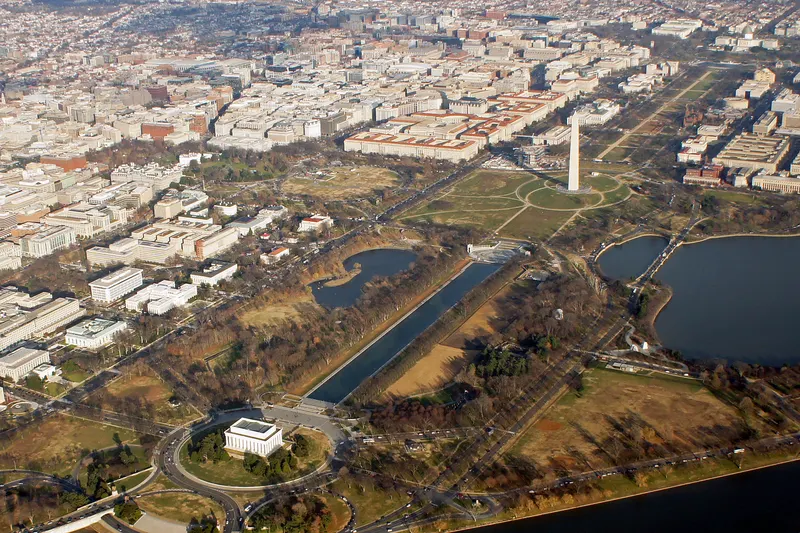
Union Station's location is part of its appeal. Step out of the front doors and you are at the top of Capitol Hill: the U.S. Capitol, the Library of Congress and the Supreme Court are all a short, flat-to-gentle walk to the south, past the Senate office buildings. Many Capitol Hill hotels are within easy walking or a brief ride of the station, which makes it an unusually convenient place to be based if you arrive by train.
Capitol Hill itself rewards a wander — the rowhouse streets, the shops and cafés around the neighbourhood, and Eastern Market a little farther southeast. From the Capitol grounds you can pick up the National Mall and walk west toward the museums and monuments, so the station works neatly as the eastern bookend of a Mall day.

Day trips and departures from the station
Where Union Station truly earns its keep on a longer trip is as a launchpad. Because Amtrak and MARC run from here up and down the corridor, day trips by train are genuinely easy: Baltimore is a quick hop, and the wider Northeast Corridor — Philadelphia, New York and beyond — is within reach for the ambitious. For some destinations the connection is part rail, part onward bus or local transit, so plan the last leg as well as the train.
When it is time to leave, the station is just as convenient in reverse. Build in a buffer for security and boarding on Amtrak, double-check commuter timetables if you are travelling at the weekend or in the evening, and remember that if you are heading to BWI you can ride MARC or Amtrak back out to the airport's rail station. As ever, confirm current schedules and fares on the operators' own sites before you travel, since both move with demand and the day of the week.
There is a quiet romance to leaving Washington by train rather than by plane. You step out of a grand marble hall, settle into a seat, and watch the capital give way to the woods and water of the corridor — no security queue out at a distant airport, no shuttle, no parking. For trips up and down the East Coast it is often the more civilised choice as well as the more scenic one, and Union Station is the elegant front door that makes it so.
At a glance
A quick reference for using Union Station. Shop, food and service hours change, and the building has seen ongoing renovation — confirm current details on site or on the official station pages before you rely on them.
- What it is: Washington's grand Beaux-Arts railway station and a working transport hub, just north of the U.S. Capitol.
- Trains: Amtrak intercity services plus MARC and VRE commuter rail — your link to the Northeast Corridor and the suburbs.
- Metro: the Red Line station sits directly below the building; tap in with a SmarTrip card or mobile pass.
- Onward: taxi and rideshare stands outside, plus local and intercity buses — confirm current bays on site.
- Walk to: Capitol Hill, the U.S. Capitol, the Library of Congress and the Supreme Court, all a short stroll south.
- Inside: food, cafés, shops, restrooms and seating under the vaulted Main Hall — a good place to wait out rain or heat.
- Best use: a launchpad for train day trips and the easiest gateway if you arrive in DC by rail.
- Verify: current dining and shops, any left-luggage options, and commuter-train timetables before you plan around them.
Common questions
Is Union Station worth visiting even if I'm not catching a train? Yes — the Beaux-Arts building, with its triumphal façade and vaulted Main Hall, is a free landmark in its own right, and it's a short walk from the Capitol. It also makes a handy, sheltered stop for food or to wait out bad weather.
How do I get from Union Station to the National Mall? Take the Red Line Metro a short hop, grab a brief taxi or rideshare, or walk about a dozen minutes south to the Capitol grounds and pick up the Mall there. The station works well as the eastern end of a Mall day.
Can I store luggage at Union Station? Left-luggage and bag-storage arrangements at major stations change and may be run by third parties, so check what's currently available on the day, or look into independent bag-storage services near the station in advance.
Which trains use Union Station? Amtrak intercity and high-speed services up and down the Northeast Corridor, plus MARC (Maryland) and VRE (Virginia) commuter trains. The commuter lines run weekday-heavy schedules, so verify times for weekends and evenings.
Is Union Station close to Capitol Hill? Very — step out of the front doors and you're at the top of Capitol Hill, a short walk from the Capitol, the Library of Congress and the Supreme Court, with many Hill hotels nearby.
Can I get to BWI from Union Station? Yes — ride MARC or Amtrak from Union Station out to the BWI rail station, then take the free shuttle to the airport terminal. Check the MARC timetable for your day, as service is lighter on weekends.

Related guides

Capitol Hill, Washington, D.C.
The neighbourhood behind the dome — Capitol Hill's pastel rowhouses, the U.S. Capitol and Library of Congress, the weekend bustle of Eastern Market, the Barracks Row restaurants and the family-friendly, residential character that makes it one of the best bases in the city.
Read guide
Day Trips from Washington, D.C.
Easy escapes from the District — Mount Vernon and Old Town Alexandria down the Potomac, Arlington across the river, Great Falls in the gorge, plus Annapolis, Baltimore, Harpers Ferry and the Shenandoah, with honest notes on which you can reach without a car.
Read guide
Washington, D.C. Metro Guide
A first-timer's guide to riding the Washington Metro — how to pay with SmarTrip or a contactless card, how distance-based fares work, which lines reach the airports and the Mall, the stations that put you closest to the monuments and museums, and the handful of mistakes newcomers make. Evergreen guidance with the volatile fares flagged to verify.
Read guideMore in Travel Tips
6
Accessible Washington, D.C.
How to visit Washington with mobility, distance or stamina in mind — the step-free Metro, the largely flat but very long Mall, accessible museums and memorials, taxis and rideshare, and ways to build a low-walking plan that still reaches the city's best places.
Read guide
Are Washington, D.C. Passes Worth It?
An honest look at whether a bundled DC attraction pass saves you money — why a city built on free museums and monuments changes the maths, and the short list of paid sights where a pass or a single ticket actually helps.
Read guide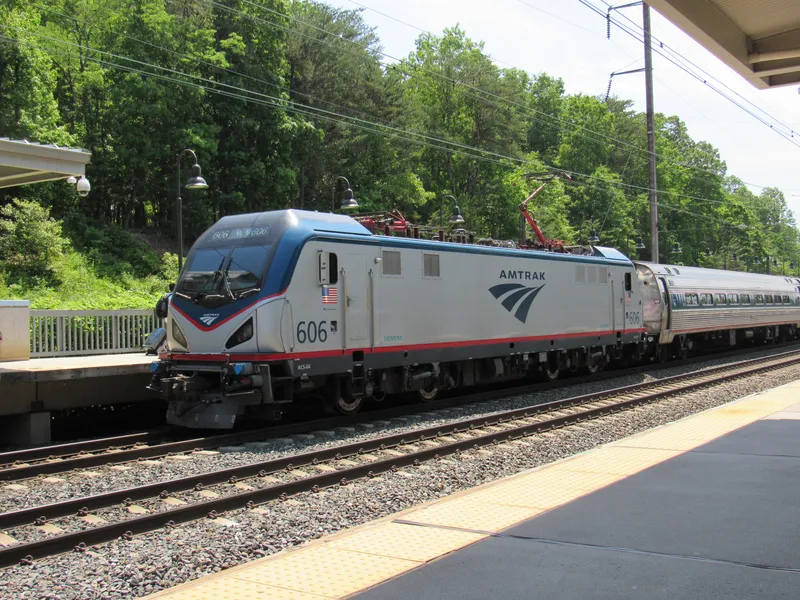
BWI Airport to Washington, D.C.
How to get from Baltimore/Washington International (BWI) into Washington, D.C. — the MARC and Amtrak trains via the BWI rail station, the free terminal shuttle, taxis and rideshare, and an honest look at whether BWI is the right airport for a DC trip.
Read guide
Capitol & White House Tour Planning
How official tours of the two most famous buildings in Washington actually work — the request windows, who to ask, the security to expect, realistic odds, and the strong free backups if a tour doesn't come through.
Read guide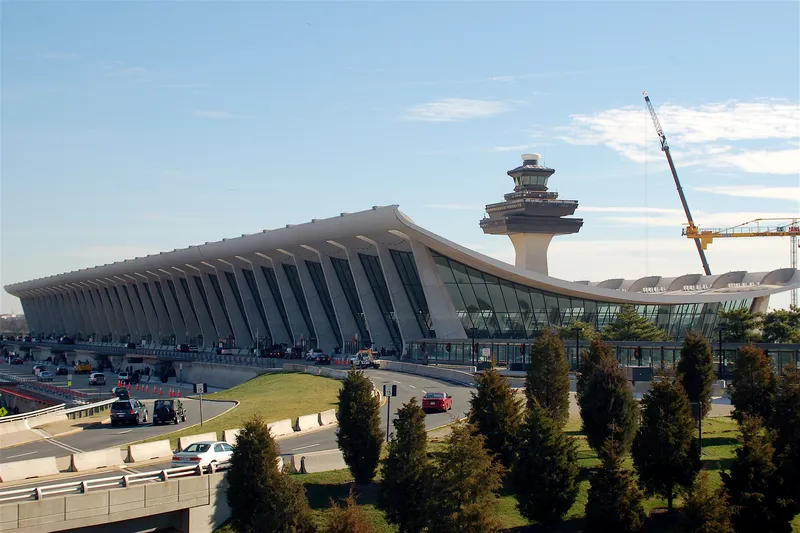
Dulles Airport to Washington, D.C.
How to get from Dulles International Airport (IAD) into Washington, D.C. — the Silver Line Metro, the Washington Flyer and 5A-style buses, taxis and rideshare, and the honest tradeoffs by time of day, budget and where your hotel sits.
Read guide
How to Get Around Washington, D.C.
A clear, realistic answer to how to get around Washington, D.C. without a car — when to simply walk, when the Metro is fastest, where buses fill the gaps, when a taxi or rideshare earns its fare, and how bikes and tour buses fit in. Plain trade-offs for a city built to be crossed on foot and by rail.
Read guide