
Washington, D.C. on a Budget: Itinerary
Washington is the great free capital — the memorials, the Smithsonian museums and the National Gallery all cost nothing to enter, so a low-cost trip here is genuinely good, not a compromise. This is a budget Washington, D.C. itinerary that leans on free sights, public markets, the Metro and smart hotel-area tradeoffs, with the few things worth paying for marked clearly.

Photo: Sara Cottle / Unsplash
- ✓DC's headline sights are free: every Smithsonian museum, the National Gallery, all the memorials and the Mall — your real spend is beds, food and transport.
- ✓The biggest budget lever is where you sleep, not what you do — a Metro-connected base, even across the river, can cut the largest line on the trip.
- ✓Eat in the neighborhoods and markets, not the museum cafés; food halls and stalls feed you well for far less than sit-down restaurants near the Mall.
- ✓A SmarTrip card on the Metro replaces taxis entirely; the rail reaches the Mall, the neighborhoods and the airports, so you never need a car.
- ✓Spend deliberately on the few paid things you truly want (a Capitol tour is free; a Spy Museum ticket is not) and keep the rest of the trip gloriously free.
The budget trip at a glance
The numbers that shape a low-cost DC trip, before the day-by-day:
- Free by design: all 17+ Smithsonian museums, the National Gallery of Art, every memorial and the National Mall cost nothing to enter — verify any timed-pass requirements.
- Biggest cost: lodging. A Metro-connected hotel slightly out from the core, or across the river, often beats a central room without adding much travel time.
- Cheap food: food halls, public markets (Eastern Market, Union Market) and neighborhood spots feed you for a fraction of restaurants beside the Mall.
- Transport: a reloadable SmarTrip card covers Metrorail and Metrobus; no car needed. Reagan National (DCA) is on the Metro, which saves on airport transfers.
- Free passes, not paid tickets: the few museums that release timed passes still charge nothing — book them online rather than paying for a tour you don't need.
- Worth paying for: a handful of paid sights (Spy Museum, Mount Vernon) and one or two real meals. Budget those on purpose and keep everything else free.

Why DC is the great free capital
Most capital cities make you pay to see the good stuff. Washington does the opposite. The Smithsonian Institution runs around seventeen museums in DC, most on or beside the National Mall, and entry to every one is free (they open almost every day; Christmas Day is the usual exception — verify current hours). The National Gallery of Art, though not a Smithsonian, is also free. So are all the memorials, the Mall itself and many of the city's gardens. That single fact changes the whole arithmetic of a budget trip: the things you most want to do here are free, so your money goes only to where you sleep, what you eat and how you get around.
That makes DC unusual — a place where a tight budget costs you almost nothing in experience. You are not skipping the main attractions to save money; the main attractions are free. The discipline of a budget trip here is really about the three lines that do cost: lodging, food and transport. Get those right and you can have a genuinely first-class week in the capital for less than a long weekend costs in many cities.
This itinerary keeps that spirit. It builds full days from free sights, points you to the markets and food halls instead of the tourist-priced cafés, leans entirely on the Metro, and flags the small handful of paid things — a museum or a day trip — worth choosing deliberately. Everything else is free.
It is worth saying what 'free' really covers, because it is more than first-timers expect. Free includes not only the famous Smithsonian halls but the National Zoo, the United States Botanic Garden, the Kennedy Center's free Millennium Stage performances (offered on a regular weekly schedule — verify current days and times on the official site), the gardens and courtyards scattered through the museums, and every memorial in the city. It includes a Capitol tour, a Library of Congress visit and the founding documents at the Archives. Add it all up and a person could fill four or five full days in Washington and pay for nothing but a sandwich and a Metro fare — which is exactly the kind of trip this plan is built to deliver.
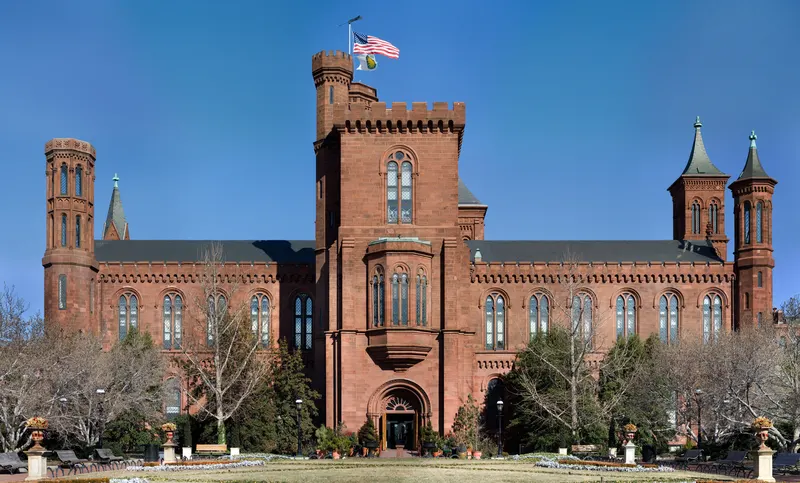

Day 1 — the free monuments and the Mall
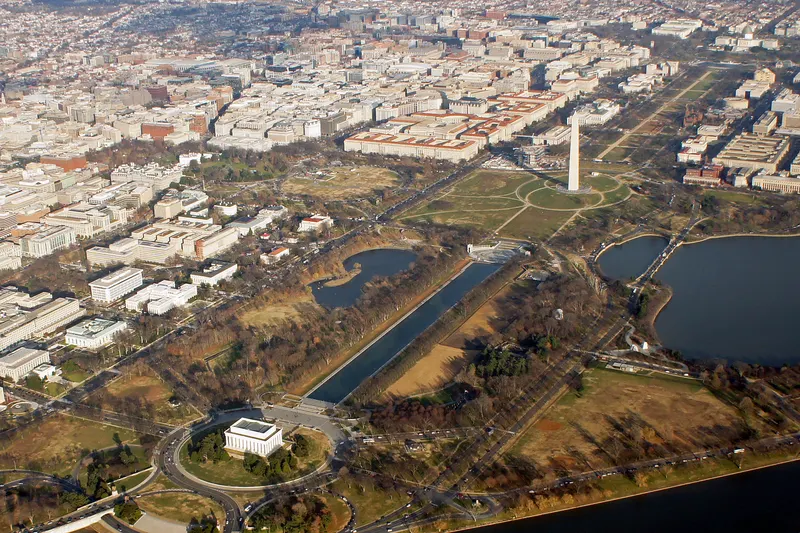
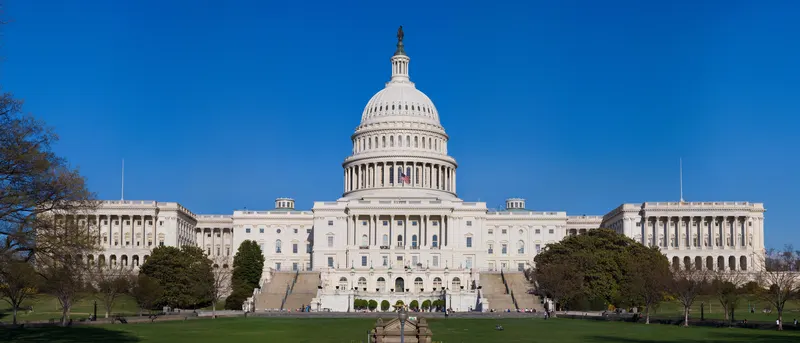
Start with the part of the trip that is entirely free: the National Mall and its monuments. Ride the Metro in, and give the day to the two-mile lawn between the Capitol and the Lincoln Memorial, with the Washington Monument at its centre. Walk the western memorials — Lincoln, with its colossal statue and carved speeches; the Vietnam Veterans Memorial wall; the Korean War Veterans Memorial; the World War II Memorial — all open-air, all free, all open most of the day and night. There is no ticket, no queue and no pressure; the Mall is the rare headline sight that costs nothing and rewards an unhurried pace.
Bring water and a packed lunch, because food on the Mall is forgettable and overpriced, and eat it on the lawn with the Capitol in view — one of the best free meals in the city. In the afternoon, loop the Tidal Basin for the Jefferson, FDR and Martin Luther King Jr. memorials (free, and especially lovely at blossom time), or save your legs for one free museum. Then, for the best free show in town, come back after dark: the Lincoln and World War II memorials are lit through the night, the crowds thin, and the whole experience is still free.

Day 2 — free museums, with the smart paid swap
Day 2 is for the free museums, and the only real cost is choosing among too many. Pick two or three rooms across one or two buildings rather than trying to 'do' a whole museum — they are vast, and free, so there is no need to extract value in a single visit. Natural History (dinosaurs, the Hope Diamond, the ocean hall) and Air and Space (rockets and planes; reopening galleries in phases and using free timed passes — verify) are the crowd-pleasers; the National Gallery of Art, the National Museum of American History and the National Museum of African American History & Culture (free timed passes — verify) are all free and superb. Note that some museums release free timed-entry passes online — that's still free; book ahead rather than paying for a tour you don't need.
Here is the one place a budget traveller might choose to spend: if a particular paid attraction is the thing you'll most regret missing — the International Spy Museum for an interactive afternoon, say — pick that single ticket on purpose and keep the rest of the day free. Break for lunch at a food hall or market rather than a museum café: Eastern Market's weekend stalls on Capitol Hill, or Union Market in NoMa, feed you far better for far less. Spend deliberately, save by default, and the day costs little more than a couple of meals and a Metro ride.
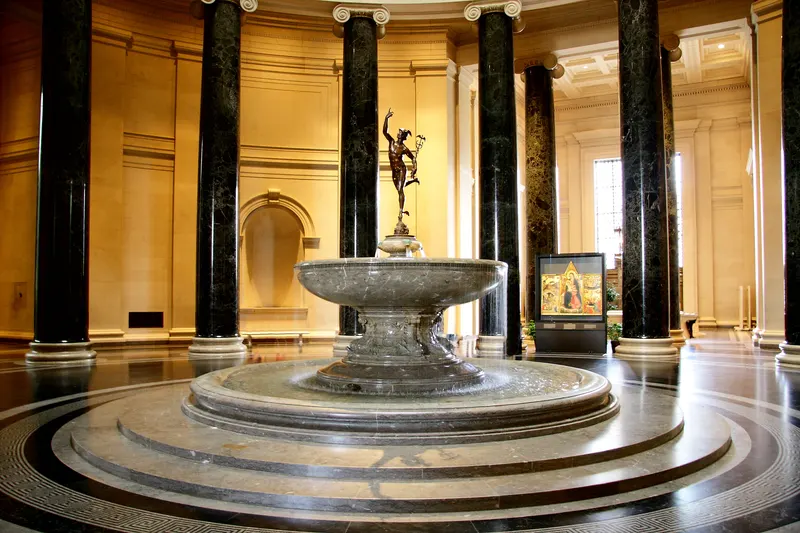 National Gallery of Art guide
West and East Buildings, the Sculpture Garden and free admission for an art day.
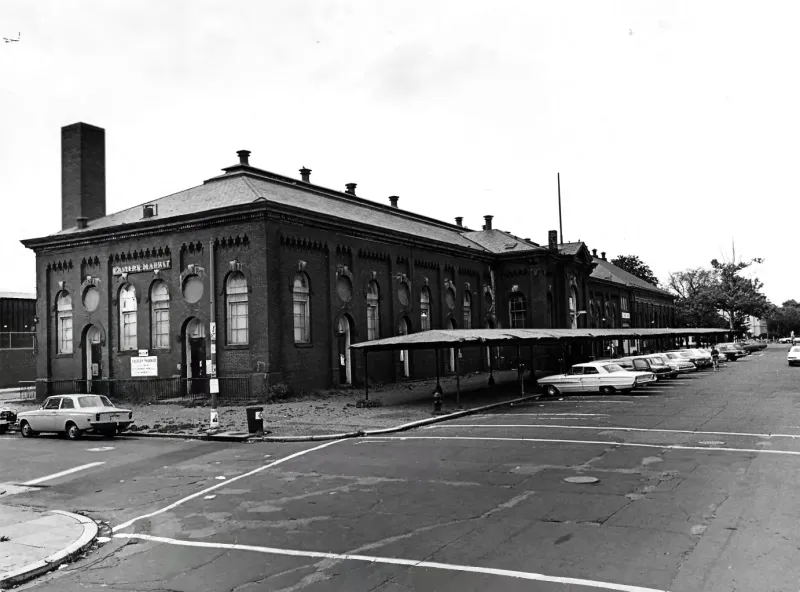 Eastern Market food guide
Weekend market food, vendors and a cheap, cheerful Capitol Hill lunch.
 Best food halls in DC
Union Market, Eastern Market and The Wharf — the budget traveller's best friends.
Day 3 — free neighborhoods, gardens and a budget day trip
A third day stretches the free trip beyond the Mall. The neighborhoods cost nothing to walk and show a different city: Georgetown's C&O Canal towpath and waterfront, the U Street corridor's Black-history landmarks, Capitol Hill's row houses and Eastern Market. The free gardens are an easy win too — the United States Botanic Garden's warm glasshouse beside the Capitol, and the National Gallery's Sculpture Garden, both free. A government tour is the great free splurge: a Capitol tour booked ahead through your members of Congress costs nothing and is one of the trip's highlights.
If you want to leave the city, do it cheaply on the Metro: Old Town Alexandria is a short rail ride to a cobbled, walkable riverfront you can enjoy for the price of the fare and a coffee. Mount Vernon, George Washington's estate down the Potomac, is one of the paid trips worth choosing on purpose if the history matters to you (verify current admission). Otherwise keep it free — a slow neighborhood day, a garden, a market lunch and an evening monument walk make a fitting, almost-free finish to a trip in the city built to be open to everyone.
A note on order: front-load nothing you can't undo cheaply. Because the museums and memorials are free, you can revisit any of them on a whim without a second ticket — see the Lincoln Memorial by day and come back at night, or step into a museum for twenty minutes and leave. That freedom to drop in and out is itself a budget feature: there's no sunk cost pushing you to overstay, so you can keep each visit short, happy and free, and shape the days around how you feel rather than what you've paid for.


The numbers that actually move your budget
It helps to know where the money really goes on a DC trip, because the instinct to economise on sightseeing is misplaced here — the sightseeing is already free. The three lines that cost are lodging, food and transport, and they are not equal. Lodging dwarfs everything: the gap between a central room and a Metro-connected one a little further out, multiplied across several nights, is usually the single biggest saving available on the whole trip. Food is the next lever, and it is entirely within your control — the difference between three sit-down restaurant meals a day and a mix of market lunches, packed Mall picnics and one good dinner is large over a week. Transport is the smallest line and the easiest to cap, because the Metro removes taxis and a car entirely.
So spend your planning energy in that order. Nail the lodging decision first; it sets the budget. Then build a food plan that mixes free or cheap by day — markets, food halls, packed lunches, supermarket breakfasts — with one meal a day you actually look forward to. Finally, treat transport as a solved problem: a SmarTrip card, the Metro, and your own two feet. Done this way, the savings come from the few big choices, not from depriving yourself of the city, which is the point — DC lets you economise on logistics while splurging on experience, because the experience is free.
One more frugal habit pays off here: timing. The free timed-entry passes that some museums use are released on a schedule and snapped up fast, so booking them early (still free) saves you from being shut out or tempted into a paid alternative. Likewise, an early start banks the cool, uncrowded hours on the Mall and the Tidal Basin before the day-trippers arrive — costing nothing but an alarm, and worth more than any paid 'skip-the-line' upgrade.
Where to sleep and how to move for less
Lodging is the line that decides your budget, so it deserves the most thought. The trick in DC is to trade a little walking distance for a lot of value: a hotel a few stops out on the Metro, or across the river in Arlington or Alexandria, can cost markedly less than a room beside the Mall while adding only a short, cheap rail trip to your day. Because the Metro is so good, 'near a station' matters far more than 'near the monuments'. Look for areas with a station, breakfast included if you can, and skip the central premium you don't need.
On the ground, the Metro replaces taxis entirely. A reloadable SmarTrip card covers both Metrorail and Metrobus, the rail reaches the Mall, the neighborhoods and the airports, and Reagan National (DCA) is itself on the line — which can save the whole cost of an airport transfer. Walk the Mall and the neighborhoods where it's pleasant, take the rail for the longer hops, and you will never need a car or a cab. Carry a refillable water bottle, pack lunches for Mall days, eat your bigger meals at markets and food halls, and reserve your spending for the one or two paid things you actually want. Do that, and DC gives you a world-class trip for a budget-trip price.


Related guides

Free Things to Do in Washington, D.C.
Washington is the rare capital built to be open to the public — its monuments, its biggest museums and its gardens cost nothing. This is a full guide to the free things to do in DC, from the Smithsonian and the National Gallery to the Mall after dark, the Botanic Garden, the Kennedy Center's nightly free stage and the neighbourhoods between.
Read guide
Budget Hotels in Washington, D.C.
How to stay in Washington, D.C. affordably without exiling yourself from the city. We cover the value areas, the Metro trade-offs that actually save money, hostels and budget chains, the across-the-river options, and the seasons to avoid — plus the one rule that keeps a cheap room from quietly costing you more than it saves.
Read guide
Washington, D.C. on a Budget
How to do Washington, D.C. cheaply without missing the point — free museums and monuments, where to save on hotels and Metro, smart ways to eat well for less, low-cost tours, and day trips that don't blow the budget. A practical, area-by-area money plan for a city whose best sights are already free.
Read guideMore in Itineraries
6
A Washington, D.C. Itinerary with Kids
A family-paced Washington, D.C. itinerary — short museum blocks at the free Smithsonians, the dinosaurs and the Hope Diamond, the National Zoo, the Mall carousel, plenty of food and bathroom breaks, stroller notes and fewer long walks, built so children and parents both enjoy the day.
Read guide
A Weekend in Washington, D.C.
A Friday-to-Sunday Washington, D.C. weekend — where to base yourself, an arrival-night monuments walk, a full Saturday of the Mall, museums and a Capitol tour, a Sunday of brunch, the Tidal Basin and a neighbourhood, built around Metro access and slower evenings.
Read guide
Four Days in Washington, D.C.
An unhurried four-day Washington, D.C. itinerary — the Mall monuments and free Smithsonian museums, a Capitol tour and the founding documents, the Tidal Basin and Georgetown, then deeper museums, fuller neighbourhoods and a relaxed day trip to Arlington, Old Town Alexandria or Mount Vernon, with slower evenings throughout.
Read guide
Low-Walking Washington, D.C. Itinerary
A gentler way to see Washington, D.C. — a low-walking itinerary built for limited mobility, seniors, hot days and anyone who wants to avoid the long, exposed Mall marches. It leans on the Metro, on drop-offs and rideshare, on the few seated and short-distance options, and on the simple truth that the museums and many monuments can be seen well without crossing two miles of lawn on foot.
Read guide
Luxury Washington, D.C. Itinerary
Washington wears luxury quietly — grand historic hotels a block from the White House, chef's-counter tasting menus, private after-hours tours and a rooftop city of monument views. This is a high-end Washington, D.C. itinerary that pairs the free, world-class sights with the polish, ease and access that make the difference: where to stay, where to dine, what to book privately and how to fold in Mount Vernon in style.
Read guide
One Day in Washington, D.C.
A realistic single-day route through the capital — the western monuments early, one Smithsonian museum at midday, the Mall's headline sights, Capitol views and the monuments lit at dusk, all walkable and free.
Read guide