
Washington, D.C. Cherry Blossom Itinerary
For one shifting week each spring, the Tidal Basin turns pink and Washington becomes the most beautiful capital in the country. This is a cherry-blossom Washington, D.C. itinerary built around peak bloom — when to come, how to beat the famous crowds at dawn, the alternate blossom spots when the Basin is packed, and how to pace museums, hotels and meals around the season's chaos.

Photo: Library of Congress / Unsplash
- ✓Peak bloom usually lands in late March or early April but shifts every year — the National Park Service revises its forecast weekly, so book flexibly and check before you commit.
- ✓Dawn is the whole game: the Tidal Basin is serene and photographable at first light and mobbed by mid-morning, so walk the loop early and do everything else later.
- ✓Have alternate blossom spots ready — the National Arboretum, Stanton Park, the Kenwood neighborhood and others spread the crowds when the Basin is overwhelmed (verify).
- ✓Build a wet-weather and post-bloom backup: a spring storm can strip the petals overnight, so pair the blossoms with the free museums you'd want to see anyway.
- ✓Book hotels and the best meals early — blossom season is DC's busiest, and Metro-connected bases plus crowd-aware dining make or break the trip.
The blossom trip at a glance
What you need to know before planning around the bloom:
- Timing: peak bloom (about 70% of Yoshino blossoms open) usually falls late March to early April but moves yearly; the NPS forecast is revised weekly — treat any date as guidance, not a guarantee.
- Crowds: blossom season is the city's busiest stretch; the Tidal Basin draws well over a million visitors, so dawn and weekdays beat mid-morning and weekends.
- Backups: have alternate blossom spots and a free-museum plan ready for crowds, rain or a bloom that's already passed.
- The trees: the original 3,020 trees — of several varieties, dominated by the famous Yoshino and the later-blooming Kwanzan — were a 1912 gift from the city of Tokyo; their descendants still ring the Tidal Basin.
- Logistics: book hotels and top dinner tables weeks out, lean on the Metro (the Basin has no easy parking), and carry layers — early spring mornings are cold.
- Festival: the National Cherry Blossom Festival runs around peak bloom with events across the city (dates and programming change yearly — verify).

Timing the bloom (and why it's a moving target)
The cherry blossoms are the capital's most-watched calendar event, and the cruel truth is that no one can promise you the date. Bloom timing moves with the winter and early-spring weather, so the National Park Service publishes a forecast and tracks the season through six named stages — green buds, florets visible, extension of florets, peduncle elongation, puffy white, and peak bloom (after which the petals fall). 'Peak bloom' is the day roughly 70% of the Yoshino blossoms are open, and the window of full colour lasts only about a week. Historically it has fallen anywhere from mid-March to mid-April; the NPS revises its forecast weekly through late winter, so check it before you book and stay flexible if you can.
That uncertainty is the single most important thing to plan around. If you can travel on short notice, watch the forecast and pounce when peak bloom is called. If you must book ahead, aim for the historical sweet spot of late March to early April, accept that you might catch buds or petals rather than full colour, and — crucially — build the trip so it's wonderful either way. The good news is that DC's other headline sights are free and indoors, so a bloom that's early, late or rained-off still leaves you in one of the richest cities in the country.
It helps to know what you're actually watching. The Tidal Basin's trees are mostly Yoshino cherries, which carry the famous white-pink early canopy and define 'peak bloom'; a smaller number of Kwanzan cherries bloom later, with fuller, deeper-pink double flowers, extending the season by a couple of weeks for those who miss the Yoshino peak. So even a 'late' trip can land in the Kwanzan window, and the Arboretum and other spots run on their own schedules. The lesson is to think of the bloom as a rolling, multi-week event across the city rather than a single make-or-break day at one location — which takes much of the pressure off the forecast.

Day 1 — the Tidal Basin at dawn, museums by day
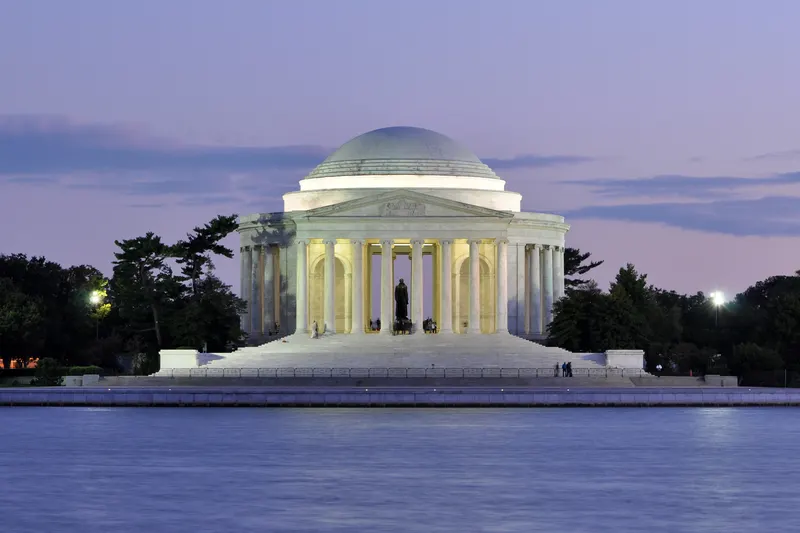
The whole strategy of a blossom trip is contained in one rule: do the Tidal Basin at dawn. At first light the loop is serene, the water is mirror-still, the Jefferson Memorial floats among the pink Yoshino blossoms, and you can actually photograph it. By mid-morning the same path is shoulder-to-shoulder, and on a peak-bloom weekend it can be genuinely overwhelming. So set an early alarm, dress warm — early spring mornings in DC are cold — and walk the full Basin loop while the city is still asleep, taking in the Jefferson, FDR and Martin Luther King Jr. memorials wrapped in blossom along the way.
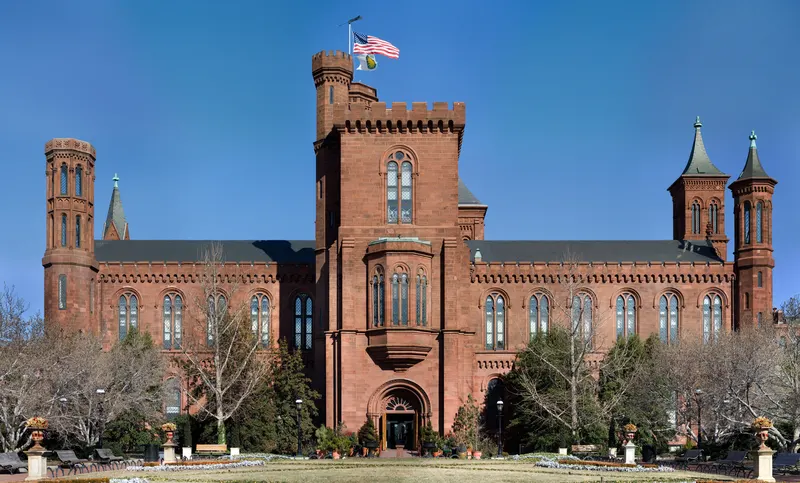
Once the crowds arrive, retreat indoors. The free Smithsonian museums on the Mall are the perfect mid-day counterweight to the dawn outdoors — cool, quiet by blossom-season standards, and exactly where you'd want to be when the Basin is packed. Pick a couple of rooms across one or two museums rather than racing whole buildings, break for a planned lunch away from the Mall's forgettable food, and let the afternoon be calm. If the blossoms are at their best, return to the Basin again at dusk, when the day-trippers thin and blue hour turns the water and the blooms soft and luminous.
Day 2 — alternate blossom spots away from the Basin
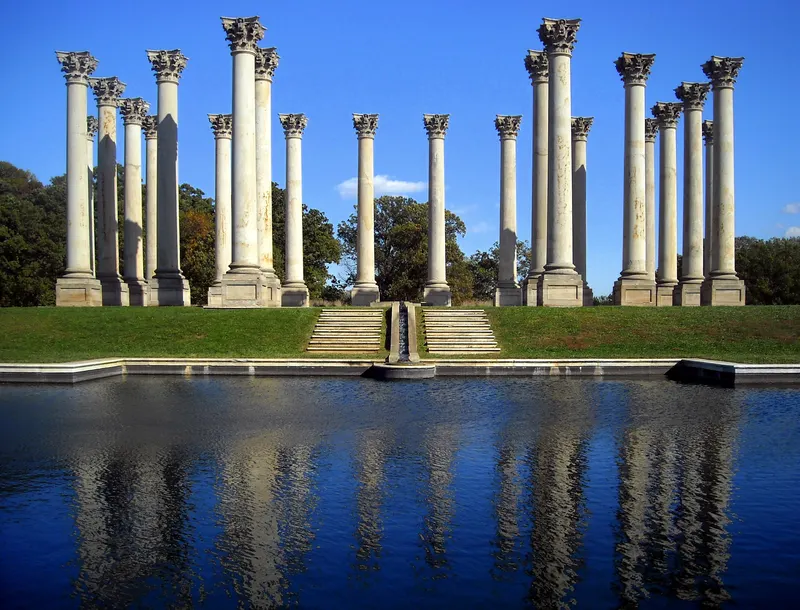
The Tidal Basin is the icon, but it is far from the only place to see blossoms — and on a busy bloom weekend, the alternates are the smarter play. The U.S. National Arboretum, out in Northeast, has cherries and azaleas across hundreds of quiet acres and a famous stand of original Capitol Columns; it spreads the crowds beautifully, though it needs a car or a longer transit trip (verify access and hours). Closer in, neighborhood spots like Stanton Park and the streets of Capitol Hill, and the residential Kenwood area over in Maryland, draw blossom-seekers away from the Mall (Kenwood in particular is a residential street — go early, park respectfully and verify current visitor guidance).
Use Day 2 to enjoy the season without the Basin's crush. Pair an Arboretum morning with a relaxed neighborhood lunch, or simply walk a leafier part of the city and let the blossoms appear on residential streets where few tourists go. Out of the very peak, the festival programming — performances, the parade and events scattered across the city — adds to the season too (dates and line-ups change yearly, so check the festival schedule). The aim is a gentler, less crowded blossom day that still feels seasonal, banking the dawn Basin from Day 1 as the headline image and treating these spots as the calm encore.


Day 3 — a flexible day for crowds, rain or a passed bloom
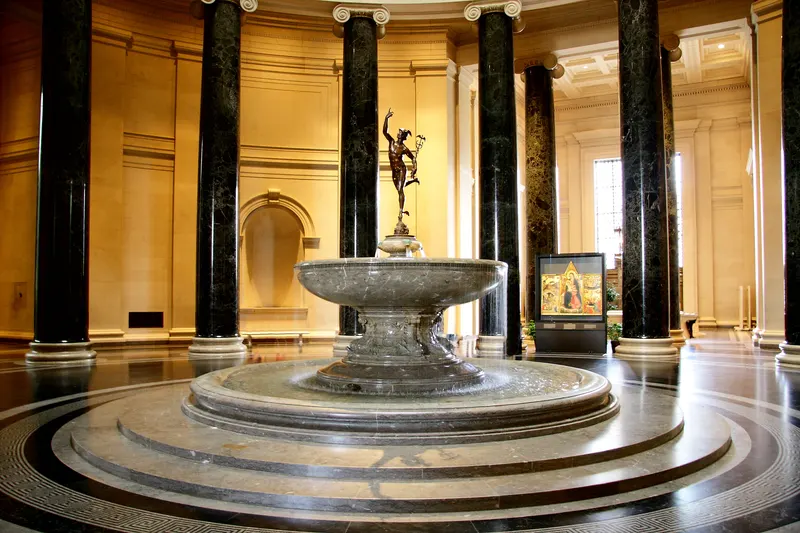
Keep the third day flexible, because blossom season is unpredictable in every direction. A spring storm can strip the petals overnight; a cold snap can hold the buds shut past your dates; a sunny weekend can make the Basin impassable. So plan Day 3 as the absorber. If the bloom is glorious, spend it on a paddle boat on the Tidal Basin (in season) or a second dawn loop. If it's rained off or already passed, lean entirely into the free, indoor city — the National Gallery, a Smithsonian you haven't seen, the founding documents at the Archives — none of which depend on a single flower being open.
This is also the day to slow down and enjoy spring in the city beyond the trees: the Botanic Garden's warm glasshouse, the neighborhoods coming green, a long brunch, a monuments walk at dusk. The blossoms are the reason you came, but the trip's resilience is in pairing them with a city that's wonderful regardless of the forecast. Build the bloom in as the highlight, not the whole plan, and you'll come home delighted whether you caught peak colour or a carpet of fallen petals on the water — itself one of the prettiest sights of the season.
There is also the festival to lean on. The National Cherry Blossom Festival runs for several weeks around peak bloom, with a parade, performances, cultural events and pop-ups spread across the city; its programming gives you blossom-season atmosphere even on days the trees aren't cooperating, and many of its events are free (dates, line-ups and ticketing change every year, so check the official festival schedule before you plan a day around it). Folding a festival event or two into the flexible day is a reliable way to keep the trip feeling seasonal and celebratory whatever the weather and the buds decide to do.


The dawn run, the petals and the photographs
The blossom trip lives and dies on the dawn run, so it is worth understanding exactly why. The Tidal Basin path is narrow, the bloom window is short, and the season draws crowds in the hundreds of thousands; by nine or ten in the morning at peak bloom the loop can be packed shoulder to shoulder, with every clear sightline of the Jefferson Memorial occupied. At first light the same place is almost empty, the water is glassy, the air is cold and still, and the blossoms glow in the low sun. The difference is not marginal — it is the difference between the photograph you came for and a frustrating shuffle through a crowd. Set the alarm, accept the cold start, and you are rewarded with the city's most beautiful hour, nearly to yourselves.
Understand the bloom's stages, too, because each has its own beauty and you may not get the postcard. Before peak, the buds and early florets give a soft, pale promise; at peak, the full pink-white canopy rings the water; and after peak, the petals fall and drift across the Basin in a moving carpet that many regulars love best of all. A late visit is not a failure — fallen petals on still water, with the memorials behind, is one of the loveliest sights of the season. Knowing this takes the anxiety out of the forecast: whatever stage you catch, there is a photograph and a moment worth having.
A few practical notes for the photographs and the morning. Bring layers you can shed as the sun rises, because early spring dawns are genuinely cold and the afternoons can be mild. Carry water for the full loop. Walk clockwise or counter-clockwise early to keep the light behind you for the Jefferson reflection. And resist the urge to climb among the trees or pull blossoms — the trees are protected and the descendants of a century-old gift, and the season depends on everyone treating them gently. Done with care, a dawn at the Basin is the kind of memory a whole trip can be built around.
Where to stay, how to move and how to eat in bloom season
Blossom season is the busiest stretch of the DC year, so book early and book smart. Hotels fill and prices climb around peak bloom, so reserve weeks out and prioritise a Metro-connected base — the Tidal Basin has no easy parking, and you do not want a car during the festival crush. A room within a short rail ride of the Mall lets you make the all-important dawn run to the Basin and retreat to the museums when the crowds build, without ever fighting traffic. If central rooms are gone or sky-high, a Metro-linked base slightly out, even across the river, keeps you flexible.
On the ground, the Metro is essential: drive to the Basin and you'll lose the morning to parking. Carry layers for the cold early starts and warm afternoons, and a refillable water bottle for the long Basin loop. For food, plan around the crowds — book the best dinner tables ahead, and for lunch steer to a food hall or a neighborhood away from the Mall rather than hoping for a free table near the blossoms at noon. Do the logistics early and the experience stays magical: the dawn light on the water, the pink ring of trees, the Jefferson floating among them — the week that makes Washington, for once, purely beautiful.



Related guides

Washington, D.C. Cherry Blossoms Guide
When the Tidal Basin turns pink — how peak bloom works, the best routes and viewpoints, when to beat the crowds, the festival events, where to stay and the alternate bloom spots beyond the Tidal Basin. The complete guide to the DC cherry blossoms.
Read guide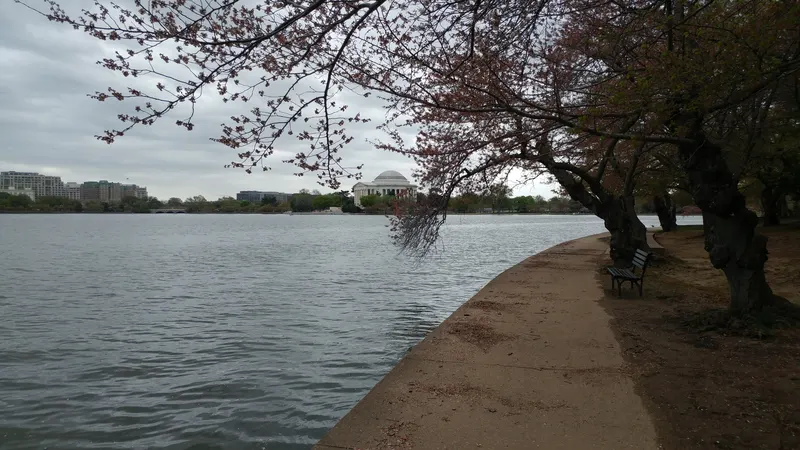
Tidal Basin Guide
Walk the Tidal Basin in Washington, D.C. — the Jefferson, FDR and Martin Luther King, Jr. memorials around its shore, the famous cherry blossoms, the paddle boats, the best time of day to beat the crowds, and where to stand for the sunrise reflection shot.
Read guide
Washington, D.C. in March
The month Washington wakes up — unpredictable weather swinging from late-winter chill to early spring, the all-consuming cherry-blossom watch, the first school groups and spring breakers, and the moment hotel rates and timed passes start to tighten. How to read March and plan around the gamble.
Read guideMore in Itineraries
6
A Washington, D.C. Itinerary with Kids
A family-paced Washington, D.C. itinerary — short museum blocks at the free Smithsonians, the dinosaurs and the Hope Diamond, the National Zoo, the Mall carousel, plenty of food and bathroom breaks, stroller notes and fewer long walks, built so children and parents both enjoy the day.
Read guide
A Weekend in Washington, D.C.
A Friday-to-Sunday Washington, D.C. weekend — where to base yourself, an arrival-night monuments walk, a full Saturday of the Mall, museums and a Capitol tour, a Sunday of brunch, the Tidal Basin and a neighbourhood, built around Metro access and slower evenings.
Read guide
Four Days in Washington, D.C.
An unhurried four-day Washington, D.C. itinerary — the Mall monuments and free Smithsonian museums, a Capitol tour and the founding documents, the Tidal Basin and Georgetown, then deeper museums, fuller neighbourhoods and a relaxed day trip to Arlington, Old Town Alexandria or Mount Vernon, with slower evenings throughout.
Read guide
Low-Walking Washington, D.C. Itinerary
A gentler way to see Washington, D.C. — a low-walking itinerary built for limited mobility, seniors, hot days and anyone who wants to avoid the long, exposed Mall marches. It leans on the Metro, on drop-offs and rideshare, on the few seated and short-distance options, and on the simple truth that the museums and many monuments can be seen well without crossing two miles of lawn on foot.
Read guide
Luxury Washington, D.C. Itinerary
Washington wears luxury quietly — grand historic hotels a block from the White House, chef's-counter tasting menus, private after-hours tours and a rooftop city of monument views. This is a high-end Washington, D.C. itinerary that pairs the free, world-class sights with the polish, ease and access that make the difference: where to stay, where to dine, what to book privately and how to fold in Mount Vernon in style.
Read guide
One Day in Washington, D.C.
A realistic single-day route through the capital — the western monuments early, one Smithsonian museum at midday, the Mall's headline sights, Capitol views and the monuments lit at dusk, all walkable and free.
Read guide