
Washington, D.C. in March
The month Washington wakes up — unpredictable weather swinging from late-winter chill to early spring, the all-consuming cherry-blossom watch, the first school groups and spring breakers, and the moment hotel rates and timed passes start to tighten. How to read March and plan around the gamble.

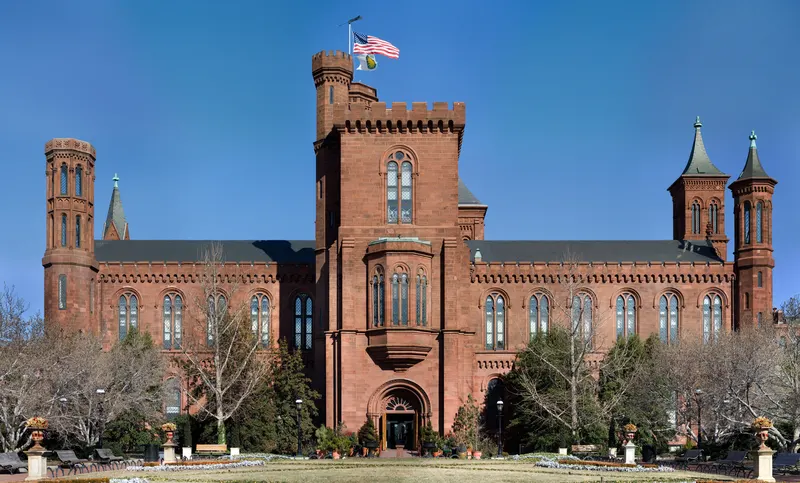
Photo: Srini Somanchi / Unsplash
- ✓March is the turn: late-winter cold one week, early-spring warmth the next — genuinely unpredictable, so pack for both.
- ✓The cherry-blossom watch dominates: peak bloom can land in late March some years, but it shifts annually and is never guaranteed.
- ✓Spring break and the first school-trip groups arrive, so crowds and hotel rates begin climbing from their winter lows.
- ✓Reserve free timed-entry passes (Air & Space, African American History) ahead — demand rises as the season starts.
- ✓It's the gambler's month: come for the blossoms and you might catch peak, or arrive to bare branches — watch the NPS forecast closely.
The most unpredictable month
March is when Washington pivots from winter to spring, and it does so erratically. One week can deliver a raw, grey late-winter chill with wind off the Potomac; the next can bring mild, sunny days that pull the city outdoors. Highs commonly run from the upper 40s into the 50s Fahrenheit (roughly 9–14°C) and climb as the month goes on, but a cold snap or an early warm spell can blow that off course. Treat any figure as typical, not promised, and check the forecast close to your trip.
The practical upshot is to pack for two seasons: a proper coat and layers for a cold start, lighter clothing for a warm afternoon, and rain cover for the changeable days. March rewards flexibility more than any other month — keep an indoor backup ready for the cold, wet stretches and seize the mild days for the Mall.
Daylight swings hard this month, and in your favour. March crosses the spring equinox, so the days lengthen visibly week by week, and the clocks spring forward partway through — pushing sunset abruptly later and handing you long, usable evenings almost overnight. Suddenly there's time to hold the monuments back for golden-hour light and still get dinner, rather than racing a winter dusk. It's one of the clearest signs that the season is turning, and it changes how much you can fit into a day.
Wind and damp are the catches. Even on a mild March day, the open Mall and the Tidal Basin can feel raw when the breeze comes off the water, and the city sees its share of grey, drizzly stretches between the bright ones. None of this is severe — it's simply unsettled — but it means the smart March visitor checks the forecast each morning and stays ready to flip the plan, chasing the sun outdoors and ducking the wet days into the museums.



The cherry-blossom watch
Everything in a March DC trip orbits the cherry blossoms. The trees, descendants of a 1912 gift from Tokyo, ring the Tidal Basin and draw well over a million visitors, and the National Park Service tracks the season toward 'peak bloom' — the day roughly 70% of the Yoshino blossoms open. Peak usually lands in late March or early April, but it moves every year with the weather: a warm spell pulls it forward, a cold snap pushes it back. The NPS revises its forecast through the season, so treat any date as guidance, not a guarantee.
This makes March a genuine gamble. Book around a predicted peak and you might catch the Tidal Basin in full pink — or arrive to bare branches if the season runs late. If the blossoms are your reason for coming, watch the NPS bloom-watch forecast obsessively, build in a few flexible days, and walk the loop at dawn to beat the crowds when the colour does break.
It helps to know what you're actually watching for. The NPS publishes the bloom stages the trees pass through — green buds, then 'florets visible', the puffy white stage, and finally peak — so once the forecast firms up in the weeks beforehand you can read where the season stands and time your arrival, rather than guessing. Early March is almost always too soon; the action, in the years it falls in March at all, is in the final week or so. If you can keep your dates loose right up to the trip, this is the month where that flexibility pays off most.
And if you arrive to find the buds still tight, March has a graceful fallback: it's a fine early-spring city in its own right even without the headline. The magnolias and early bulbs come earlier than the cherries, the gardens stir, and the monuments and free museums are exactly as good as ever — with smaller crowds than the peak weeks bring. Come hoping for blossom, but don't stake the whole trip on it.
Crowds, school groups and rising prices
March is when the city refills. Spring break sends families to DC, and the first big wave of school-trip groups arrives to tour the monuments and museums — you'll notice them most in the major Smithsonians and around the Capitol on weekday mornings. Crowds and hotel rates climb steadily from their winter lows, and if your dates overlap a predicted bloom peak, the squeeze is sharp: rooms near the Mall fill and rates spike fast.
Book accommodation as early as you can for any late-March trip, and reserve the few sights that need free timed-entry passes — the National Air and Space Museum and the African American History museum among them — well ahead, because demand rises with the season. Where you can, favour weekdays over weekends and early mornings over midday to stay ahead of the school groups.
How to play March
Read March as a flexible spring trip with a winter contingency. On mild, clear days, get outside early — the Mall, the Tidal Basin, the monuments — before the crowds and while the light is good. On cold or wet days, fall back on the free, warm museums, which carry no weather risk at all. Keep the plan loose enough to chase the weather and, if you're here for them, the blossoms.
- Pack for two seasons: a warm coat and layers plus lighter clothing and rain cover.
- Watch the NPS bloom forecast daily if blossoms are your goal; build in flexible days.
- Book hotels early and reserve free timed passes ahead — demand climbs all month.
- Favour weekday mornings to stay ahead of spring-break families and school groups.
- Keep a free-museum backup for the cold, wet days that March still throws.

Indoor backups and where to wander
Because March can turn on you, the trip plans best with a flexible spine: outdoor sights queued for the good days, indoor ones held in reserve for the bad. DC makes this easy. The free Smithsonian museums and the National Gallery of Art are warm, central and weatherproof, so a sudden cold, wet afternoon costs you nothing but a change of plan — you simply move the day indoors and save the Mall for tomorrow's better sky. Keep one or two big museums unbooked-but-ready for exactly this.
When the weather does cooperate, March is a lovely month to get off the Mall and into the neighbourhoods, where spring shows early and crowds are thinner. Georgetown's canal towpath and tree-lined streets, the cafés and markets of Capitol Hill around Eastern Market, the U Street corridor, and the early colour at the U.S. Botanic Garden by the Capitol all reward a mild morning. Spreading out also takes you away from the spring-break and school-group bottlenecks at the headline sights, which cluster on the Mall.

Who March suits — and who should reconsider
March suits the flexible and the value-minded. If you can keep your dates and your daily plan loose, you get a real shot at peak bloom at a fraction of April's crowds and rates, with the free museums as a no-risk fallback whatever the sky does. Travellers who want spring's first stirrings without the full crush, and who don't mind packing for two seasons, are in their element. So is anyone happy to treat the blossoms as a bonus rather than a guarantee.
It's a poor choice for a few. If you need the cherry blossoms — a once-in-a-lifetime trip built entirely around them, with fixed, unmovable dates — March is a gamble you might lose, and the safer-but-busier bet is to weight your dates toward early April while still watching the NPS forecast. If you want settled, reliably warm weather, March can't promise it; May and the warm end of spring are kinder. And travellers who can't abide changeable conditions or sudden plan changes will find the month's volatility wearing. Match March to your tolerance for risk, and it can be the best value-versus-beauty trade of the year.
March at a glance
A quick read before you commit. Ranges are typical, not guaranteed — March is the year's most volatile month.
- Weather: unpredictable; highs roughly upper-40s to 50s°F (~9–14°C), warming late, with cold snaps and rain possible. Verify near your dates.
- Crowds: rising from winter lows; spring break and the first school groups arrive.
- Prices: climbing, and spiking hard if your dates hit a predicted bloom peak.
- Headline: the cherry-blossom watch — peak possible late March, but never guaranteed.
- Plan: flexible days, free-museum backups for cold weather, and passes booked ahead.


Related guides

Washington, D.C. Cherry Blossoms Guide
When the Tidal Basin turns pink — how peak bloom works, the best routes and viewpoints, when to beat the crowds, the festival events, where to stay and the alternate bloom spots beyond the Tidal Basin. The complete guide to the DC cherry blossoms.
Read guide
Washington, D.C. Cherry Blossom Itinerary
For one shifting week each spring, the Tidal Basin turns pink and Washington becomes the most beautiful capital in the country. This is a cherry-blossom Washington, D.C. itinerary built around peak bloom — when to come, how to beat the famous crowds at dawn, the alternate blossom spots when the Basin is packed, and how to pace museums, hotels and meals around the season's chaos.
Read guide
Washington, D.C. School Trip Planning
A planning guide for teachers and group leaders bringing a school trip to Washington, D.C. — chaperone ratios and headcounts, group timing on the National Mall, museum and memorial etiquette, motor-coach logistics, security screening and student-friendly routes that keep a large group moving.
Read guideMore in Travel Tips
6
Accessible Washington, D.C.
How to visit Washington with mobility, distance or stamina in mind — the step-free Metro, the largely flat but very long Mall, accessible museums and memorials, taxis and rideshare, and ways to build a low-walking plan that still reaches the city's best places.
Read guide
Are Washington, D.C. Passes Worth It?
An honest look at whether a bundled DC attraction pass saves you money — why a city built on free museums and monuments changes the maths, and the short list of paid sights where a pass or a single ticket actually helps.
Read guide
BWI Airport to Washington, D.C.
How to get from Baltimore/Washington International (BWI) into Washington, D.C. — the MARC and Amtrak trains via the BWI rail station, the free terminal shuttle, taxis and rideshare, and an honest look at whether BWI is the right airport for a DC trip.
Read guide
Capitol & White House Tour Planning
How official tours of the two most famous buildings in Washington actually work — the request windows, who to ask, the security to expect, realistic odds, and the strong free backups if a tour doesn't come through.
Read guide
Dulles Airport to Washington, D.C.
How to get from Dulles International Airport (IAD) into Washington, D.C. — the Silver Line Metro, the Washington Flyer and 5A-style buses, taxis and rideshare, and the honest tradeoffs by time of day, budget and where your hotel sits.
Read guide
How to Get Around Washington, D.C.
A clear, realistic answer to how to get around Washington, D.C. without a car — when to simply walk, when the Metro is fastest, where buses fill the gaps, when a taxi or rideshare earns its fare, and how bikes and tour buses fit in. Plain trade-offs for a city built to be crossed on foot and by rail.
Read guide