
Washington, D.C. School Trip Planning
A planning guide for teachers and group leaders bringing a school trip to Washington, D.C. — chaperone ratios and headcounts, group timing on the National Mall, museum and memorial etiquette, motor-coach logistics, security screening and student-friendly routes that keep a large group moving.

Photo: Mohammad Zzaman / Unsplash
- ✓Washington is built for school trips: free Smithsonian museums and free Mall monuments mean your budget goes on transport, lodging and meals, not admission.
- ✓Move groups at the edges of the day and the edges of the crowd — monuments early, museums when the lawn bakes, lunch before or after the noon rush.
- ✓Buses cannot park on the Mall; plan drop-off, pick-up and meeting points in advance, and build the day around where a coach can legally wait.
- ✓Several sights need free timed passes or advance tour requests — book months out for a group of any size.
- ✓Brief students on security screening and memorial etiquette before they arrive, not at the gate.
- ✓Smaller sub-groups with named chaperones and a fixed reconvene time beat one giant column trying to stay together.
Why DC is the great school-trip city
There is a reason Washington fills every spring with lanyards and matching backpacks. No other American city packs this much curriculum into walking distance, and almost all of it is free. The Smithsonian museums, the National Gallery of Art and every monument and memorial on the National Mall cost nothing to enter — a gift to any group leader staring at a per-student budget. The money you would spend on tickets elsewhere goes instead on the things a school trip genuinely cannot avoid: the coach, the beds and the meals.
That free, open character also sets the planning problem. With admission off the table, your real constraints are time, distance, crowds and the logistics of moving thirty or sixty or a hundred students through a city designed at a monumental scale. Get the logistics right and Washington runs itself; get them wrong and you spend the trip doing headcounts in the sun. The sections below are organised around the decisions that actually shape a group day.


Chaperones, headcounts and group structure
The biggest groups move slowest, so the first decision is how to break a large party into manageable units. A single column of sixty students trying to cross the Mall together will lose stragglers, block paths and take twice as long as the same students in four clearly led sub-groups. Assign each chaperone a named list, give every student a way to recognise their group (a coloured lanyard or wristband works), and set fixed reconvene times and meeting points rather than trying to keep everyone shoulder to shoulder.
Follow your school district or tour operator's own chaperone-to-student ratio — these vary by institution and age, so confirm yours rather than assuming a number. Whatever the ratio, the practical rules are the same: every adult knows exactly which students are theirs, every student knows their chaperone's name and the day's meeting point, and at least one adult per sub-group carries a charged phone, a printed roster and the trip's emergency contacts. A laminated card with the hotel address, the coach company's number and the meeting point saves real trouble when a phone dies.
- Split large parties into small, named sub-groups; do not march everyone as one column.
- Use a visible group marker (lanyard, wristband, cap colour) so chaperones can scan a crowd quickly.
- Agree meeting points and reconvene times at the start of each block, not on the fly.
- Every chaperone carries a roster, a charged phone, and printed emergency contacts.
- Brief students before arrival on the plan, the rules and what to do if separated.
Timing the day for a big group
The rule that saves any DC trip matters double for groups: do the outdoor monuments at the cool, quiet edges of the day, and the indoor museums through the hot, crowded middle. A large group on the Lincoln Memorial steps at nine in the morning has space and shade and a clear view; the same group at one in the afternoon is fighting tour buses and heat. Front-load the Mall, retreat indoors when the lawn bakes, and you will move faster and lose fewer students to exhaustion.
Stagger your meals, too. Thirty or sixty students all wanting lunch at noon is a logistical knot wherever you are; eat early or late and the queues, the toilets and the seating all become manageable. Build slack into the schedule — a group never moves at the pace of one person — and resist the urge to cram in a sixth stop. Three or four well-run blocks beat six rushed ones, and a tired group screening through a museum's bag check is nobody's idea of education.

Coaches, drop-offs and where a bus can wait
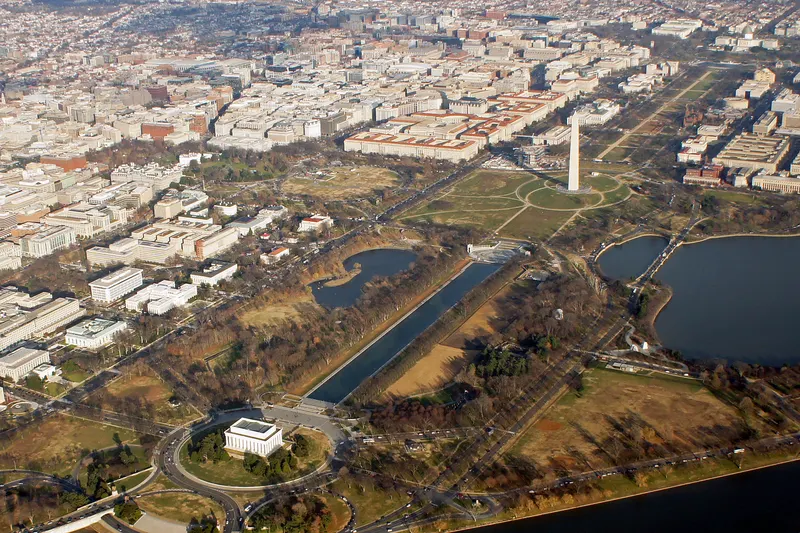
Motor-coach logistics quietly govern the whole trip. Buses cannot simply park beside the monuments — the Mall has designated loading and unloading zones and limited coach parking, and the rules and locations change, so confirm current motor-coach guidance with your tour operator and the relevant authorities before you finalise the route. The practical upshot is that you plan each day around where the coach can legally drop, wait and collect, then build the walking legs to fit.
Choose meeting points a driver can actually reach and a student can actually find: a named museum entrance, a specific memorial, a clear corner — never a vague 'by the Mall'. Give every chaperone the drop-off and pick-up plan in writing, with times. If you are using public transport for any leg, remember that a large group on the Metro at rush hour is slow and stressful; off-peak movements and short, simple rail hops work far better than ambitious cross-town journeys.
- Confirm coach drop-off, parking and pick-up zones in advance — these are regulated and subject to change; verify before you travel.
- Set precise, findable meeting points (a named entrance or memorial), not general areas.
- Give drivers and chaperones a written daily plan with times.
- Avoid moving a large group on the Metro at peak hours; favour off-peak, short hops.

Museums, security and what to book ahead
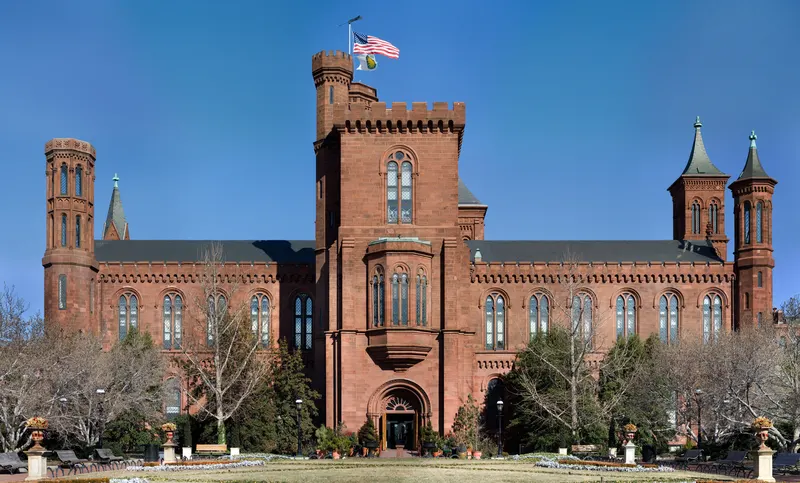
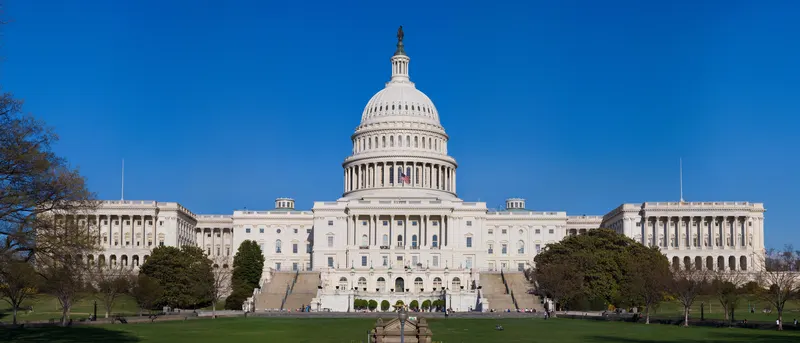
Most Smithsonian museums are walk-in and free, but a group of any size benefits from a plan. The buildings are enormous, so brief students to target a few highlights — the Wright Flyer, the Hope Diamond, the Star-Spangled Banner — rather than wandering an entire museum. Several sights also use free timed-entry passes or require advance group arrangements, and for school parties these need to be requested well ahead. The same goes for tours of the U.S. Capitol and the White House, which are arranged months in advance through official channels.
Security screening is a fact of life at federal buildings and many museums: bags are checked, lines form, and oversized backpacks slow everyone down. Tell students before arrival to travel light, leave anything prohibited on the coach, and be patient at screening — a group that knows the drill clears a checkpoint in a fraction of the time. Verify each venue's current group policy, bag rules and timed-entry requirements before you finalise the itinerary, because these details shift.

Memorial etiquette and the harder sites
Washington's memorials are not just photo stops; many are places of mourning and reflection, and students take the cue from how the trip frames them. Brief the group that the war memorials — Vietnam, Korea, World War II — and sites like Arlington National Cemetery ask for quiet, respectful behaviour: no climbing, no shouting, hats off where it is customary, and care around visitors who may be grieving. A short conversation before arrival does more than a dozen reminders at the wall.
Some sites carry real emotional weight, and the United States Holocaust Memorial Museum is the clearest example. It is a powerful, deliberately sobering experience, and it sets age guidance for its permanent exhibition; check that guidance against your students' ages, prepare them for what they will see, and consider the museum's resources for younger groups. Matching the site to the age and readiness of the group is part of the planning, not an afterthought.

Frequently asked questions
How far ahead should we book a DC school trip? As far as you can. Tours of the Capitol and White House and any timed-entry passes are limited and popular, and group lodging and coaches book up months out — start a season or more ahead and confirm details closer to the date.
How many chaperones do we need? Follow your school or district's required ratio, which varies by age and institution. Whatever the number, structure the group so every adult has a named list and every student knows their chaperone and the meeting point.
Where do the buses park? Coaches cannot park freely on the Mall; there are designated loading and parking zones with rules that change. Confirm current motor-coach guidance with your operator and the authorities, and build the day around legal drop-off and pick-up points.
Are the museums and monuments really free? Yes — the Smithsonian museums, the National Gallery and the Mall monuments are free. A few attractions charge and some free sites need a free timed pass, so verify each venue before you go.
What about security? Federal buildings and many museums screen bags. Brief students to travel light, leave prohibited items behind, and expect a wait at busy times so the group clears quickly.
Which sites suit younger versus older students? Match the site to the age — the air-and-space, natural-history and American-history collections suit most ages, while sober sites like the Holocaust Museum carry their own age guidance to check first.
Sources

Related guides

Washington, D.C. School Trip Itinerary
A teacher- and chaperone-friendly Washington, D.C. itinerary built for groups — a civics-rich route through the Capitol, the memorials and the free museums, paced for buses, head counts, meals and tired feet. Free where it matters, walkable where it counts, and structured so thirty students stay together and learn something.
Read guide
Family Hotels in Washington, D.C.
Washington is one of the best-value family trips in America, and the right hotel makes it effortless. This is a practical guide to family-friendly hotels in DC — the features that actually matter (space, breakfast, a pool, a short walk to Metro), the areas that suit families with kids of different ages, and how to turn a free-museum city into an easy, well-paced trip.
Read guide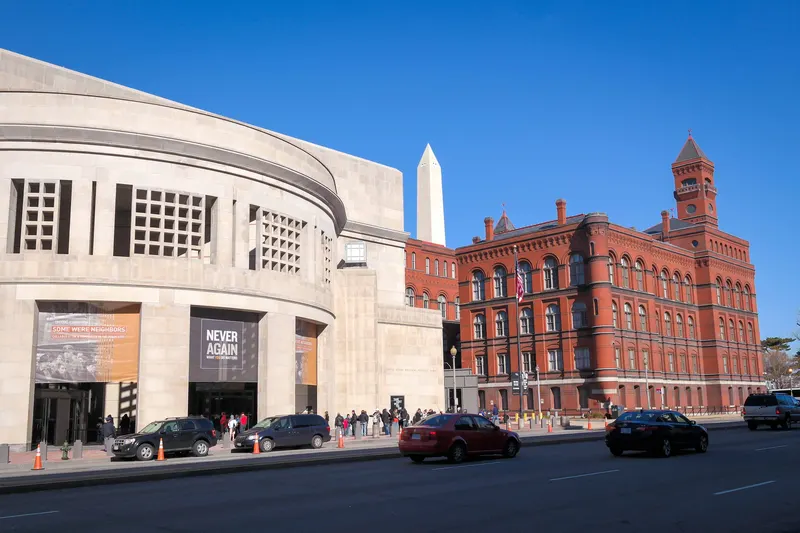
Holocaust Museum Guide
How to plan a visit to the United States Holocaust Memorial Museum in Washington — free admission, the timed-entry passes the Permanent Exhibition requires in busy season, realistic age guidance, what to expect, and how to visit with the care the subject deserves.
Read guideMore in Travel Tips
6
Accessible Washington, D.C.
How to visit Washington with mobility, distance or stamina in mind — the step-free Metro, the largely flat but very long Mall, accessible museums and memorials, taxis and rideshare, and ways to build a low-walking plan that still reaches the city's best places.
Read guide
Are Washington, D.C. Passes Worth It?
An honest look at whether a bundled DC attraction pass saves you money — why a city built on free museums and monuments changes the maths, and the short list of paid sights where a pass or a single ticket actually helps.
Read guide
BWI Airport to Washington, D.C.
How to get from Baltimore/Washington International (BWI) into Washington, D.C. — the MARC and Amtrak trains via the BWI rail station, the free terminal shuttle, taxis and rideshare, and an honest look at whether BWI is the right airport for a DC trip.
Read guide
Capitol & White House Tour Planning
How official tours of the two most famous buildings in Washington actually work — the request windows, who to ask, the security to expect, realistic odds, and the strong free backups if a tour doesn't come through.
Read guide
Dulles Airport to Washington, D.C.
How to get from Dulles International Airport (IAD) into Washington, D.C. — the Silver Line Metro, the Washington Flyer and 5A-style buses, taxis and rideshare, and the honest tradeoffs by time of day, budget and where your hotel sits.
Read guide
How to Get Around Washington, D.C.
A clear, realistic answer to how to get around Washington, D.C. without a car — when to simply walk, when the Metro is fastest, where buses fill the gaps, when a taxi or rideshare earns its fare, and how bikes and tour buses fit in. Plain trade-offs for a city built to be crossed on foot and by rail.
Read guide