
Luggage Storage in Washington, D.C.
Where to store your bags in Washington, D.C. so you can see the city hands-free — the options around Union Station, near the museums and the Mall, what hotels will hold, how it works on a tour or a layover, and the security realities that shape your choices.

Photo: American Green Travel / Unsplash
- ✓Washington has no left-luggage lockers on the National Mall, and federal buildings screen bags — so plan to drop your luggage before you sightsee, not carry it.
- ✓Your hotel is the simplest, often-free option: most will hold bags before check-in and after check-out.
- ✓App-based bag-storage networks partner with shops and businesses across the city, including near Union Station, downtown and the museums.
- ✓Union Station is the natural hub for anyone arriving by train and wanting to explore before moving on.
- ✓On a layover, store bags near where you are passing through and keep your route simple.
- ✓Always verify current hours, prices and any size or item limits with the provider — these change.
Why you need a plan for your bags here
Washington is a city you see on foot, and a wheeled suitcase is the enemy of a good day on the National Mall. There is a second, specific reason to plan ahead: this is a capital full of federal buildings and museums that screen every bag, restrict oversized luggage, and have no interest in babysitting your suitcase. You cannot simply roll a case into the National Gallery and check it at the door, and there is no public left-luggage hall on the Mall itself. So the question is not whether to store your bags, but where — and the answer depends on how you arrived and what you are doing next.
The good news is that solving it is easy once you know the options. Most travellers fall into one of a few situations: an early arrival or late departure with a hotel in the picture, a train traveller passing through Union Station, a day-tripper or tour-goer who wants to be hands-free, or someone on a layover with hours to fill. Each has a natural answer, and they are all covered below. Whatever you choose, confirm the current hours, price and any restrictions directly with the provider before you rely on it.


Your hotel first: usually the simplest answer
Before you pay anyone, ask your hotel. Storing luggage for guests before check-in and after check-out is standard practice at nearly every hotel in the city, and it is typically free for guests — a small tip for the bell desk is courteous where one is staffed. If your room is not ready when you arrive, or you have hours to kill after check-out before a train or flight, this is almost always the easiest and cheapest move: drop the bags, take your day pack, and come back when you need them.
A few practical caveats. Confirm the policy when you book or at check-in rather than assuming it — most hold bags, but the details (timing, whether they hold after check-out day, valuables) vary by property. Never leave anything irreplaceable or fragile in a held bag, and keep your passport, medication and electronics with you. If your hotel cannot help, or you are nowhere near it, that is when the city's other options come in.

App-based bag storage around the city
If you have no hotel in play — you've checked out, you're between stays, or you're only in town for the day — the modern solution is an app-based luggage-storage network. Services such as the well-known booking platforms partner with shops, cafés, hotels and other businesses to hold bags by the day, and they have partner locations across central Washington: near Union Station, around the downtown and Penn Quarter area, and within reach of the Mall's museums. You book and pay through the app, drop your bag at the partner, and collect it later.
These networks are convenient precisely because they put a drop-off near wherever you happen to be, but they are commercial services with their own terms. Prices are usually charged per bag per day and can include insurance; coverage, exact partner locations, opening hours and any size limits all vary and change, so search the app for your specific dates and neighbourhood and verify the details before you set out. Book the slot before you arrive at the partner so you are not turned away at a busy time.

Union Station: the hub for train travellers
If you arrive in Washington by train, Union Station is your natural luggage base. It is the city's grand Beaux-Arts rail gateway and a working hub for Amtrak, the regional MARC and VRE commuter lines, the Metro's Red Line and a swarm of buses — which makes it the obvious place to stow bags if you want to explore Capitol Hill and the eastern Mall before moving on, or to fill the gap between connections. Whether dedicated baggage facilities are available, and on what terms, can change, so check the current options at the station itself, and note that app-based storage partners also operate in the Union Station vicinity as a reliable fallback.
Union Station's position is its advantage: it sits within walking distance of the U.S. Capitol and the eastern end of the Mall, so a stored bag here buys you a very efficient few hours on foot. It is also the launch point for many regional day trips, so day-trippers heading out and back can use it as an anchor. As always, confirm the latest baggage arrangements and hours before you count on them.

Storing bags near the museums and the Mall
The single most useful thing to know about the Mall is that you cannot stash a suitcase there. The Smithsonian museums and the National Gallery screen bags and limit large luggage, there are no public left-luggage lockers along the lawn, and federal security rules mean nowhere on the Mall is set up to mind your case. So if your day centres on the museums, store the bag before you arrive — at your hotel, at an app-based partner in the adjacent downtown blocks, or at Union Station near the eastern end — and walk in with only a small day bag.
Travelling light pays off twice: you skip the suitcase problem entirely, and you clear the museums' security screening far faster. Keep a compact day pack with water, sun protection and the essentials, and leave the rest stowed. A bag dropped a short Metro hop or walk away is easy to retrieve at the end of the day, and the freedom of crossing the Mall unencumbered is worth the small effort of planning it.


Layovers, tours and same-day visits
If you are in Washington only briefly — a long layover, a single touring day, a stop between trains — the rule is to keep your route simple and store your bags near where you pass through. On a layover, weigh whether to leave luggage near your arrival point or carry only a small bag into the city; the city's airports and the transit links to them are the frame, so plan storage around the airport-to-city route you are taking rather than dragging a case across the Mall.
On an organised tour or day trip, ask the operator how bags are handled before you book — many coach and group tours have their own arrangements, and a few will not accommodate full-size luggage at all. For a self-guided day, drop the bags first at a hotel, an app partner or Union Station, then enjoy the city unburdened. Whatever the scenario, build the storage step into the plan rather than improvising it at the door of a museum that will turn your suitcase away.
Frequently asked questions
Are there luggage lockers on the National Mall? No. There are no public left-luggage lockers on the Mall, and the museums and monuments screen bags and restrict large luggage. Store your case before you arrive and walk in with a small day bag.
Will my hotel hold my bags before check-in or after check-out? Almost certainly. Holding guests' luggage either side of a stay is standard and usually free; confirm the policy at your property and keep valuables with you.
How do app-based luggage storage services work? You book and pay through an app, then drop your bag at a partner shop or business and collect it later, typically priced per bag per day. Partners operate around Union Station, downtown and near the museums — verify the location, hours and price in the app for your dates.
Can I store luggage at Union Station? Union Station is the natural base for train travellers, and app-based storage partners operate nearby. Whether dedicated baggage facilities are available can change, so check current options at the station before you rely on them.
Where should I store bags before visiting the Smithsonian museums? Anywhere but the Mall — your hotel, an app partner in the adjacent downtown blocks, or Union Station near the eastern end. Then enter with only a small bag to clear security quickly.
What about a layover? Store bags near your arrival or transit point and keep your touring route simple, planning storage around the airport-to-city link you're using. Always verify current hours and prices with whichever provider you choose.

Related guides

Union Station Washington, D.C. Guide
A visitor's guide to Washington Union Station — arriving by Amtrak and MARC, transferring to the Metro and buses, luggage and left-luggage, food and the Main Hall, walking to Capitol Hill, and using the station as your launchpad for day trips out of the city.
Read guide
Washington, D.C. Layover Guide
What you can realistically do with a layover in Washington, D.C. — whether you're stuck at an airport, passing through Union Station, or have a few free hours between flights or trains. Honest timing, where to stash your bags, which airport you're actually at, and the short, safe routes that turn dead time into a glimpse of the monuments without risking your connection.
Read guide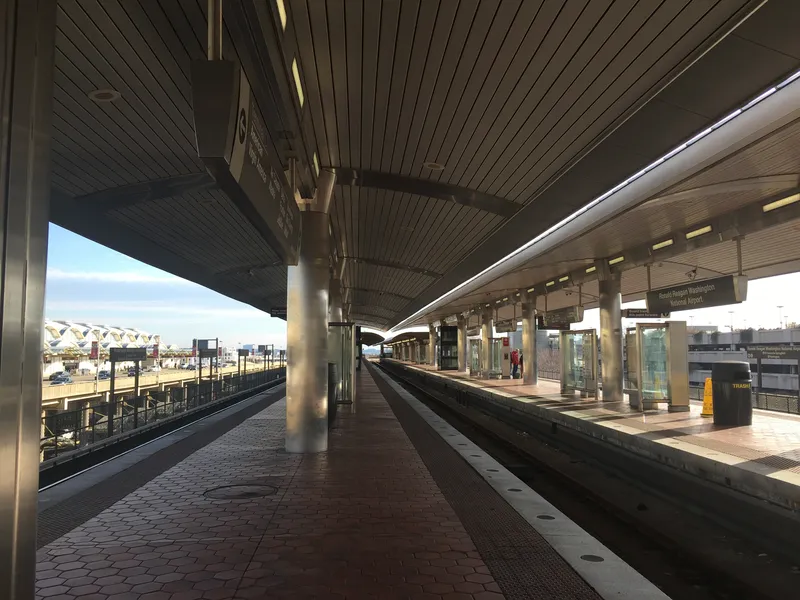
Reagan National Airport to Washington, D.C.
The simplest arrival in Washington, step by step — how to get from Reagan National Airport (DCA) into central D.C. on the Metro, when a taxi or rideshare makes more sense, and how the airport pairs with where you're staying. Evergreen guidance with fares and frequencies flagged to verify.
Read guideMore in Travel Tips
6
Accessible Washington, D.C.
How to visit Washington with mobility, distance or stamina in mind — the step-free Metro, the largely flat but very long Mall, accessible museums and memorials, taxis and rideshare, and ways to build a low-walking plan that still reaches the city's best places.
Read guide
Are Washington, D.C. Passes Worth It?
An honest look at whether a bundled DC attraction pass saves you money — why a city built on free museums and monuments changes the maths, and the short list of paid sights where a pass or a single ticket actually helps.
Read guide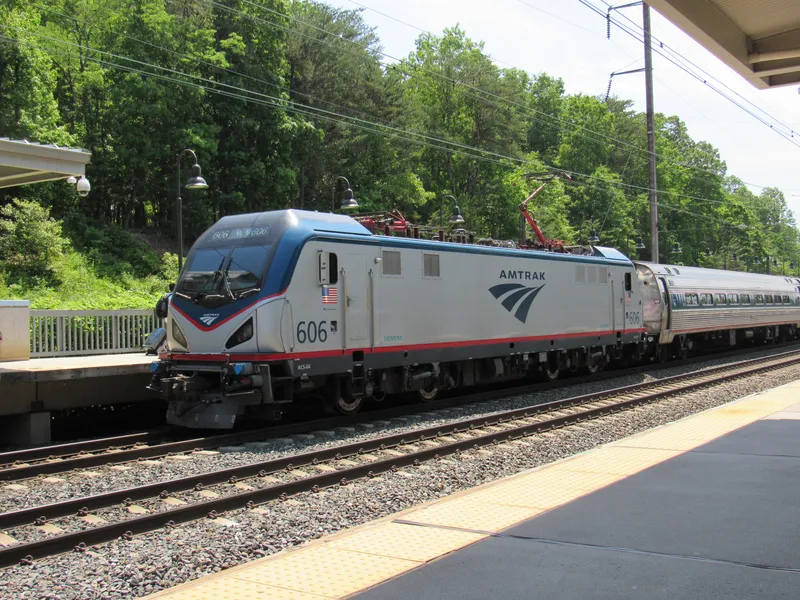
BWI Airport to Washington, D.C.
How to get from Baltimore/Washington International (BWI) into Washington, D.C. — the MARC and Amtrak trains via the BWI rail station, the free terminal shuttle, taxis and rideshare, and an honest look at whether BWI is the right airport for a DC trip.
Read guide
Capitol & White House Tour Planning
How official tours of the two most famous buildings in Washington actually work — the request windows, who to ask, the security to expect, realistic odds, and the strong free backups if a tour doesn't come through.
Read guide
Dulles Airport to Washington, D.C.
How to get from Dulles International Airport (IAD) into Washington, D.C. — the Silver Line Metro, the Washington Flyer and 5A-style buses, taxis and rideshare, and the honest tradeoffs by time of day, budget and where your hotel sits.
Read guide
How to Get Around Washington, D.C.
A clear, realistic answer to how to get around Washington, D.C. without a car — when to simply walk, when the Metro is fastest, where buses fill the gaps, when a taxi or rideshare earns its fare, and how bikes and tour buses fit in. Plain trade-offs for a city built to be crossed on foot and by rail.
Read guide